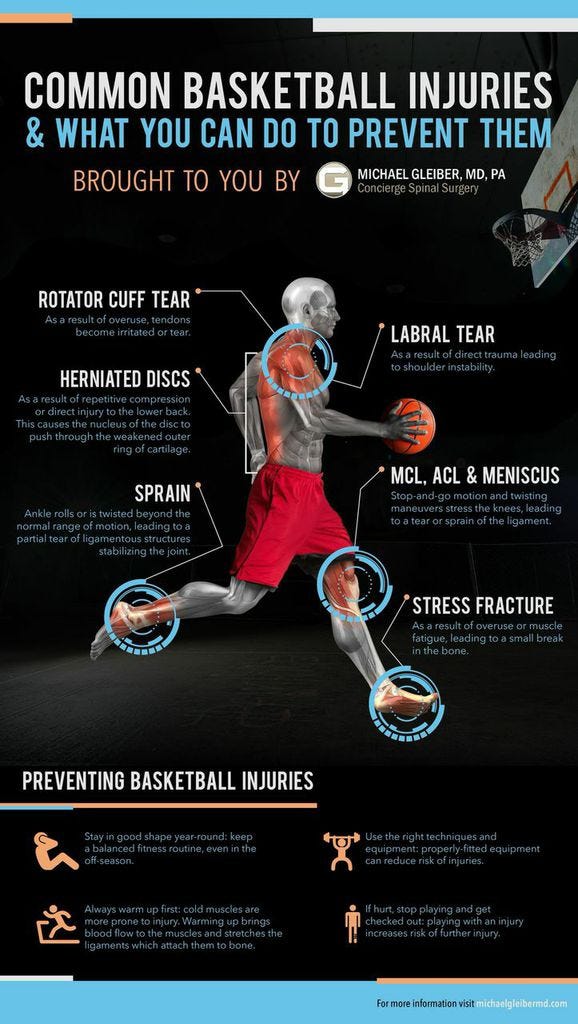
Imagine this: You’re on the basketball court, dribbling with precision, about to make the game-winning shot. But suddenly, a sharp pain shoots through your ankle.
Basketball injuries can strike at any moment, sidelining you from the sport you love. How can you keep yourself in the game and out of the doctor’s office? This article is your guide to preventing basketball injuries, so you can focus on improving your skills and enjoying every moment on the court.
You’ll discover practical tips and techniques that can make all the difference in keeping your body strong and resilient. Don’t let an injury steal your spotlight—keep reading to learn how to protect yourself and play your best game yet.
Warm-up Exercises
Warm-up exercises loosen muscles and improve flexibility, reducing the risk of basketball injuries. Simple stretches and light jogging prepare the body for intense play.
Warm-Up Exercises play a crucial role in preventing basketball injuries. They prepare the body for intense physical activity. Proper warm-ups increase flexibility, improve performance, and reduce the risk of strains. Players should focus on exercises that target key muscle groups. Effective warm-ups set the stage for a safe and successful game.Dynamic Stretching
Dynamic stretching involves active movements. It enhances range of motion and blood flow. Start with leg swings to loosen hips. Arm circles warm up shoulders. Lunges improve leg flexibility. Each movement should mimic basketball actions. Keep stretches smooth and controlled. Avoid bouncing or jerking motions.Cardio Routine
A cardio routine gets the heart pumping. Jumping jacks are a great start. They boost heart rate and warm up muscles. Follow with high knees to engage the core. Incorporate short sprints to mimic game speed. These exercises build endurance and agility. Include skipping to enhance coordination. Cardio is essential for maintaining energy levels during play.Credit: www.genspark.ai
Proper Footwear
Basketball demands agility, speed, and quick movements, making proper footwear essential. Wearing the right shoes can significantly reduce the risk of injuries. It provides the necessary support and cushioning to protect your feet during intense play. Understanding how to choose and maintain basketball shoes can help ensure your safety on the court.
Choosing The Right Shoes
Choosing basketball shoes involves considering several factors. First, ensure the shoes fit well. A snug fit prevents your feet from sliding inside. Look for shoes with good ankle support to avoid sprains. High-top shoes offer excellent support, but low-tops provide flexibility. Consider the court surface. Indoor courts require shoes with non-marking soles. Outdoor courts demand durable soles. Check the cushioning. Good cushioning absorbs shock and protects your joints. Try shoes with gel or air cushioning for comfort.
Importance Of Shoe Maintenance
Shoe maintenance is crucial for performance and safety. Regularly inspect your shoes for signs of wear. Worn-out shoes lose support and grip, increasing injury risk. Clean your shoes after every game. Dirt and debris can damage the soles and affect grip. Store your shoes in a cool, dry place. Heat and moisture can warp the shoe structure. Rotate your shoes if you play frequently. This allows each pair to rest and regain shape. Replace your shoes every six months or sooner if worn. Fresh shoes ensure optimal support and cushioning.
Strength And Conditioning
Strength and conditioning can reduce basketball injuries. Focus on exercises that enhance flexibility, balance, and muscle strength. Incorporate agility drills to improve coordination and response time.
Strength and conditioning form the backbone of injury prevention in basketball. A solid fitness routine enhances your performance on the court. It also significantly reduces the risk of injuries. By focusing on specific exercises, players can boost their physical resilience. This ensures a safer and more enjoyable game.Core Strengthening
A strong core is vital for balance and stability. It helps players maintain control during fast movements. Incorporate exercises like planks and sit-ups into your routine. These exercises improve overall core strength. They also protect your spine during intense play. Consistent core workouts enhance your agility. This makes quick directional changes safer.Leg And Ankle Exercises
Leg strength is crucial for jumping and landing. Squats and lunges are excellent for building leg muscles. They improve power and support during high-impact actions. For ankles, focus on flexibility and strength. Ankle circles and calf raises are helpful. They reduce the risk of sprains. Strong legs and ankles ensure better performance and fewer injuries.Hydration And Nutrition
Staying hydrated and maintaining proper nutrition are crucial elements in preventing basketball injuries. These two factors not only enhance your performance but also significantly reduce the risk of muscle cramps and fatigue. Proper hydration and nutrition can be the difference between staying in the game and sitting out with an injury.
Pre-game Hydration
Before you hit the court, ensure your body is well-hydrated. Drinking water is not just about quenching thirst; it helps in maintaining optimal muscle function and preventing cramps. Consider this: if you start a game dehydrated, your muscle strength and endurance can decrease, increasing your risk of injuries.
A good rule of thumb is to drink at least 16-20 ounces of water two hours before your game. This gives your body ample time to absorb the fluids. Keep a water bottle handy during warm-ups and sip regularly. Is your body ready to tackle those intense jumps and sprints?
Nutritional Needs
Your diet plays a significant role in keeping injuries at bay. Consuming a balanced meal rich in carbohydrates, proteins, and fats before a game fuels your body for peak performance. Carbohydrates are your body’s main energy source—think whole grains and fruits.
Proteins help in muscle repair and recovery; lean meats or legumes are excellent choices. Don’t forget healthy fats—nuts or avocados can provide sustained energy. How are you fueling your body for the game?
- Carbohydrates: Whole grains, fruits
- Proteins: Lean meats, legumes
- Fats: Nuts, avocados
Remember, what you eat impacts how you play. A balanced diet can mean the difference between a swift recovery and a sidelining injury.
Technique And Form
In basketball, mastering technique and form is crucial for injury prevention. Proper form not only enhances performance but also reduces the risk of falls and strains. Whether you’re shooting hoops or landing after a jump, understanding the right techniques can make all the difference.
Safe Landing Techniques
Landing safely is key to avoiding injuries. Bend your knees slightly when you land to absorb the shock and keep your balance. This technique helps prevent knee and ankle sprains.
Consider how a cat lands gracefully without a thud. Emulate this by rolling your feet from toes to heels. This smooth transition minimizes impact.
Have you ever watched professional players? Notice how they lower their center of gravity upon landing. Try this approach to maintain control and stability.
Proper Shooting Form
Proper shooting form is vital for accuracy and safety. Keep your elbow aligned with your body to avoid straining your arm. This alignment ensures better control.
When you shoot, use your legs to generate power instead of relying solely on your arms. This technique not only improves your shot but also prevents shoulder injuries.
Ever tried adjusting your grip? Holding the ball firmly but gently can enhance your shot precision. Experiment with this to find your optimal grip.
Have you noticed a consistent shooting rhythm in successful players? Develop a rhythm that suits you, as it helps maintain focus and reduces the chance of overexertion.
By focusing on technique and form, you are taking proactive steps to prevent injuries while improving your game. Are there areas in your technique that could use refinement?
Recovery And Rest
Adequate recovery and rest are essential to prevent basketball injuries. Resting muscles and joints reduces stress and promotes healing. Regular breaks and sleep help maintain player performance and health.
Recovery and rest play a vital role in preventing basketball injuries. Just as training and skill development are essential, so too are the moments when you allow your body to recuperate. Failing to prioritize rest and recovery can lead to overuse injuries, fatigue, and diminished performance. Let’s explore how you can effectively integrate rest and recovery into your basketball routine.Importance Of Rest Days
Rest days are not just a break from practice; they’re a crucial component of your athletic regimen. They give your muscles time to repair and strengthen after intense workouts. Rest days also help prevent mental burnout, keeping your passion for the game alive. Think about your favorite basketball player—how do they keep performing at such high levels? Rest days are a key part of their strategy, ensuring they’re always ready to hit the court. By scheduling regular rest days, you allow your body the time it needs to recover, reducing the risk of injuries.Effective Recovery Strategies
Effective recovery isn’t just about lounging on the couch. It’s about actively engaging in practices that support your body’s healing process. Incorporate activities like light stretching and foam rolling to ease muscle tension. Hydration and nutrition are equally important. Eating a balanced diet rich in proteins and healthy fats aids in muscle repair. Have you ever felt sluggish after a workout? Proper hydration can help combat that, keeping your body refreshed and ready for the next session. Consider adding yoga or meditation to your routine. These practices not only help in physical recovery but also provide mental clarity and stress relief. How do you unwind after a game? Trying new recovery strategies might enhance your post-game experience and keep injuries at bay.Protective Gear
Wearing proper protective gear can significantly reduce the risk of basketball injuries. Essential equipment includes ankle braces, knee pads, and mouthguards. These items help protect joints and teeth during intense gameplay.
Protective gear plays a vital role in preventing basketball injuries. It acts as a shield, reducing the risk of harm during intense games. Using the right gear ensures safety and boosts confidence on the court.Knee And Elbow Pads
Knee and elbow pads protect vital joints from impact. They cushion falls and prevent bruises or scrapes. These pads are lightweight, offering comfort without restricting movement. Choosing the right size is crucial. It ensures a snug fit and maximum protection. Quality materials increase durability and efficiency.Ankle Braces
Ankle braces stabilize and support the ankle. They reduce the risk of sprains during sharp turns and jumps. Braces limit unnecessary movement, protecting ligaments and tendons. They come in various styles, each catering to different needs. Adjustable straps ensure a secure fit, providing optimal support.
Credit: vmkonsport.com
Regular Health Check-ups
Regular health check-ups help prevent basketball injuries by identifying potential risks early. They ensure you maintain optimal physical condition, reducing the chance of accidents. Prioritize your health to enjoy the game safely.
Regular health check-ups play a crucial role in preventing basketball injuries. They help identify potential risks and address them before they escalate. Regular assessments ensure players are physically fit and ready to compete. These check-ups are essential for maintaining optimal health and performance.Physical Assessments
Physical assessments examine a player’s overall fitness level. Doctors evaluate strength, flexibility, and endurance. They identify areas needing improvement to reduce injury risks. Tailored fitness plans enhance performance and minimize strains or sprains. Regular physical assessments keep players in top shape.Injury Screening
Injury screening focuses on detecting early signs of potential injuries. It involves checking for joint weaknesses or muscle imbalances. Identifying such issues prevents them from worsening during games. Screenings help develop personalized injury prevention strategies. Routine screenings are vital for maintaining players’ health and ensuring long-term career success.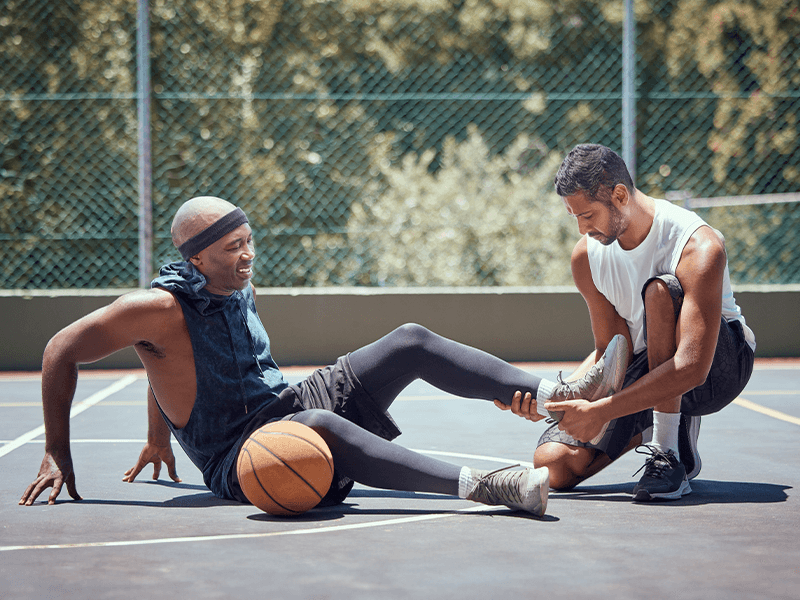
Credit: orthopedicnj.com
Frequently Asked Questions
How Can I Strengthen My Body For Basketball?
Strengthening your body for basketball involves regular exercises focusing on core, legs, and arms. Incorporate weight training, plyometrics, and flexibility exercises. Consistent practice enhances balance and endurance. Consult a coach or trainer for personalized guidance. This approach minimizes injury risks and boosts performance.
What Are The Common Basketball Injuries?
Common basketball injuries include ankle sprains, knee injuries, and finger fractures. Overuse injuries like tendonitis are also prevalent. Regular warm-ups, proper gear, and rest can help prevent these injuries. Immediate medical attention is crucial for serious injuries to ensure a swift recovery.
How Does Proper Footwear Prevent Injuries?
Proper footwear provides the necessary support and cushioning for your feet. It reduces impact and prevents slips, enhancing stability on the court. Choose shoes designed specifically for basketball to ensure optimal performance and protection. Regularly check and replace worn-out shoes to maintain foot health.
Why Is Warming Up Essential Before Playing?
Warming up increases blood flow and prepares your muscles for intense activity. It reduces the risk of strains and sprains. A proper warm-up includes dynamic stretches and light cardio exercises. This routine enhances flexibility and performance, ensuring you’re ready for the game.
Conclusion
Preventing basketball injuries keeps players safe and active. Warm up before every game. Stretching muscles reduces tension and risk. Proper gear, like shoes, supports joints. Hydration matters; drink water often. Listen to your body’s signals. Rest when feeling pain. Overtraining can lead to injuries.
Focus on good techniques and forms. Encouragement from coaches helps players learn. Caring for your body ensures a long playing career. Remember, safety first while enjoying the sport. Stay healthy and have fun on the court!