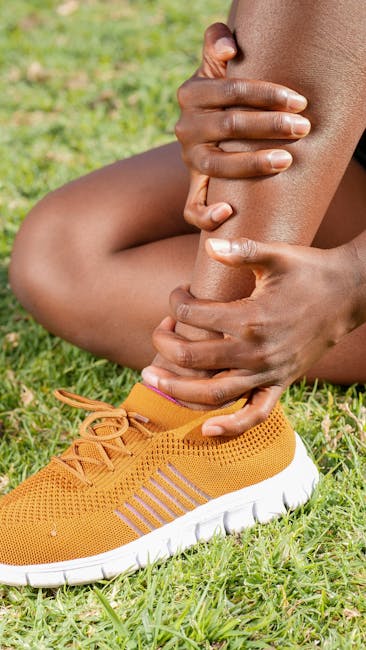
Are you an avid runner or just someone who enjoys the occasional jog around the block? If so, you’ve likely asked yourself the question: Do running shoes really prevent injury?
This query might seem simple, but it holds the key to your comfort, safety, and performance on the track. Imagine lacing up your shoes and hitting the pavement with the confidence that your feet are well-protected. Understanding the role of running shoes in injury prevention could be the game-changer you need.
Stick around as we unravel the facts and myths, helping you make informed decisions for your next run. Your health and performance could depend on it.

Credit: www.facebook.com
History Of Running Shoes
The history of running shoes is fascinating. It shows how footwear has evolved to protect runners from injuries. Early running shoes were simple. They lacked cushioning and support. Over time, they transformed significantly. Today’s shoes are designed with advanced technologies to improve performance and minimize injury risks.
Evolution Over The Decades
Running shoes have changed drastically since the early 20th century. In the 1920s, shoes were basic. Made from leather, they provided little comfort. The 1970s saw a shift. Jogging became popular, leading to demand for better shoes. Companies began adding cushioning. By the 1980s, shoes featured gel and air pockets. These innovations improved shock absorption. In the 1990s, shoes became more specialized. Different types were made for various terrains and running styles.
Technological Advances
Technology has greatly enhanced running shoes. Modern shoes use advanced materials. Foam technology offers better cushioning. Some shoes have carbon fiber plates. These improve energy return with each step. Breathable mesh materials keep feet cool. Smart shoes with sensors track performance data. These features aim to prevent injuries by offering better support and comfort.
Biomechanics Of Running
The biomechanics of running is a fascinating science that delves into the intricate movements and forces at play when you lace up your shoes and hit the track. It’s a dance between your body and the ground, where each step is a carefully orchestrated event. Understanding these mechanics can shed light on how running shoes might help in preventing injury. Do your shoes support your natural stride, or do they alter your gait in ways that could lead to harm? Let’s explore the inner workings of your feet and the forces they encounter during a run.
Foot Anatomy And Function
Your foot is a marvel of engineering, with 26 bones, 33 joints, and over 100 muscles, tendons, and ligaments working in harmony. Each part plays a crucial role in absorbing shock, providing balance, and propelling you forward.
Consider your arch—does it collapse too much, or does it remain rigid? Both extremes can affect your running style. Running shoes with proper arch support might alleviate these issues.
Think about the way your toes splay out on impact. Do your shoes allow them to spread naturally, or are they cramped? The freedom of movement in your toes can impact your balance and agility.
Impact Forces And Gait Analysis
Every time your foot hits the ground, it encounters impact forces up to three times your body weight. It’s like a mini earthquake that travels up your leg. The right running shoes can help absorb some of these forces, reducing stress on your joints.
Gait analysis is key in determining how you run. Are you a heel striker or a midfoot striker? Each style has its own set of potential injuries. Shoes tailored to your gait can provide the support needed to mitigate these risks.
Have you ever watched a slow-motion video of yourself running? It’s intriguing to see the alignment of your knees, hips, and ankles. Are they working in sync? The right shoes can encourage better alignment, potentially preventing injuries.
Ask yourself: How do your current running shoes affect your stride? Do they enhance your natural movements, or do they hinder them? The answers could be the difference between a smooth run and an injury-prone jog.
Common Running Injuries
Running is a fantastic way to stay fit and enjoy the outdoors, but it comes with its share of challenges. One of the most common concerns is injury. Every runner, from novice to marathoner, has faced or feared injuries that could sideline their training. Understanding these injuries can help you take preventive measures and make informed choices about your running gear, including shoes.
Types Of Injuries
Running injuries vary widely, affecting different parts of your body. Here are some of the most common:
- Runner’s Knee:Pain around the kneecap, often caused by overuse.
- Shin Splints:Pain along the shinbone, common in beginners.
- Plantar Fasciitis:Heel pain due to inflammation of the foot’s bottom tissues.
- Achilles Tendinitis:Pain and stiffness in the Achilles tendon.
Each injury has its unique symptoms and requires different approaches for recovery.
Causes And Risk Factors
Why do these injuries happen, and how can they be prevented? Here are some common causes:
- Overtraining:Pushing yourself too hard without adequate rest can lead to injury.
- Poor Footwear:Wearing shoes that don’t fit well or lack proper support can increase injury risk.
- Running Surface:Hard or uneven surfaces can strain muscles and joints.
- Lack of Flexibility:Tight muscles are more prone to injury.
Consider your own running habits. Are you guilty of any of these risk factors? Identifying them can be the first step in preventing injuries.
Could a pair of well-designed running shoes be the solution you need? While shoes can’t eliminate injuries entirely, choosing the right pair can provide better support and cushioning, reducing strain on your body. Remember, prevention is better than cure. Regularly check your shoes for wear and replace them when necessary. Prioritize comfort and support over style to keep your running routine safe and enjoyable.

Credit: www.instagram.com
Role Of Running Shoes
Running shoes play a crucial role in preventing injuries. They are not just about style or brand. Their design focuses on providing comfort and safety. The right pair can make a significant difference. Understanding their role helps in making informed choices. Let’s explore how their features contribute to injury prevention.
Design Features And Benefits
Running shoes come with specific design features. These features aim to enhance performance and reduce injury risks. Lightweight materials provide ease of movement. Breathable fabrics ensure foot comfort during long runs. Structured soles offer stability on different terrains. Each design element serves a purpose. Together, they form a protective barrier for your feet.
Cushioning And Support
Cushioning is a key feature in running shoes. It absorbs the impact from each step. This reduces stress on joints and muscles. Proper support helps maintain foot alignment. It prevents overpronation and supination. Good support also aids in maintaining posture. This reduces strain on the body. Choosing shoes with the right cushioning and support is vital. It enhances comfort and safety during runs.
Scientific Studies
Scientific studies examine whether running shoes truly prevent injuries. Some research suggests shoes offer support and cushioning, potentially reducing harm. Yet, other studies reveal mixed results, highlighting the importance of individual foot mechanics and running habits.
Scientific studies have long debated the role of running shoes in injury prevention. Researchers aim to understand if specific shoe designs can reduce injuries. The findings are mixed, leading to varied opinions in the scientific community.Research Findings
Many studies focus on shoe cushioning and support. Some research suggests that cushioned shoes reduce impact forces. This could lower the risk of stress-related injuries. Supportive shoes may stabilize the foot, reducing ankle sprains. A few studies report fewer injuries with motion-control shoes. These findings support the idea that shoes can influence injury rates.Contradictory Evidence
Some studies challenge the benefits of running shoes. They suggest shoes might not significantly prevent injuries. Several researchers argue barefoot running could be equally safe. Evidence indicates some runners experienced more injuries with highly cushioned shoes. Others found no difference in injury rates regardless of shoe type. This contradictory evidence fuels ongoing debates in the scientific community.
Credit: rundna.com
Expert Opinions
Running shoes play a crucial role in the world of sports. Many experts share their views on whether these shoes prevent injuries. Their opinions help runners make informed decisions.
Insights From Podiatrists
Podiatrists often emphasize the importance of proper footwear. They believe well-designed running shoes can reduce stress on feet. Proper cushioning and support are key factors in injury prevention. Shoes should fit well to ensure stability and comfort. This helps avoid common issues like plantar fasciitis.
Runner Experiences
Many runners share their experiences with different shoes. Some claim specific shoes have helped them stay injury-free. Others focus on the importance of finding the right fit. Personal experiences highlight the importance of trial and error. Runners often find success by choosing shoes that suit their stride and foot shape.
Alternative Injury Prevention
Exploring the role of running shoes in preventing injuries reveals a complex relationship. Quality shoes can offer support and cushioning, but are not foolproof solutions. Factors like gait, terrain, and training habits also play vital roles in injury prevention.
Running shoes are often marketed as injury preventers. Yet, there’s more to staying injury-free. Alternative methods boost your chances of running without pain. These methods don’t rely on gear alone.Strengthening And Conditioning
Build muscles to support your joints. Strong muscles absorb shocks better. Focus on key areas like hips and legs. Use exercises like squats and lunges. They improve muscle tone and resilience. Consistent workouts strengthen weak spots. Conditioning enhances endurance. It prepares your body for long runs. This reduces fatigue and risk of injury.Proper Running Techniques
Good technique matters in running. It can prevent common injuries. Keep your body aligned. This means straight posture and head up. Avoid slouching or leaning forward. Your foot strike should be smooth. Land mid-foot to reduce impact. Maintain a steady pace. Sudden changes strain your muscles. Proper techniques protect your joints. They ensure a safer running experience.Choosing The Right Shoe
Selecting running shoes with proper support can reduce injury risks. Cushioning absorbs impact, protecting feet and joints. A snug fit ensures stability during movement.
Choosing the right running shoe is crucial for preventing injuries and enhancing your performance. It’s not just about picking the latest style or trend. The right shoe can make a significant difference in comfort and support, directly impacting your running experience.Factors To Consider
When selecting running shoes, several factors come into play. Foot type is one of the primary considerations. Do you have flat feet, a neutral arch, or high arches? Each type requires different support. Running terrain also matters. Road running shoes differ from those designed for trails. Think about where you run most often and choose accordingly. Shoe fit is critical. A snug fit prevents your foot from sliding, reducing the risk of blisters and injuries. Always try shoes on at the end of the day when your feet are slightly swollen to ensure a proper fit.Personal Preferences And Needs
Everyone’s feet are unique, and so are their preferences. Do you prefer more cushioning or a minimalist feel? Some runners swear by the plush comfort of a cushioned shoe, while others opt for the ground feel of a minimalist design. Consider your running style. Are you a heel striker or a forefoot runner? Different shoes cater to different running styles, affecting the cushioning and support you might need. Finally, listen to your body. What feels comfortable and supportive to you? Trust your instincts. A shoe might be highly recommended, but if it doesn’t feel right, it’s not the shoe for you. Choosing the right shoe is a personal journey. What works for one person might not work for another. What do you prioritize in your running shoes?Frequently Asked Questions
Do Running Shoes Reduce Injury Risk?
Running shoes are designed to provide support and cushioning, which can help reduce injury risk. They absorb impact and stabilize your feet, minimizing strain. However, they don’t completely prevent injuries; proper running form and strength training are also crucial. Choosing the right shoe for your foot type is essential.
Are Expensive Running Shoes Better For Injury Prevention?
Price doesn’t always equate to better injury prevention. Expensive shoes often offer advanced features, but the right fit matters more. Comfort, support, and the appropriate shoe type for your foot and running style are key factors. Focus on fit and functionality rather than price alone.
How Do Running Shoes Support Feet?
Running shoes offer arch support, cushioning, and stability to help absorb shock and distribute pressure evenly. These features aid in maintaining proper foot alignment, reducing strain on muscles and joints. Proper support can minimize overuse injuries, but complementing with good running form is important.
Can The Wrong Shoes Cause Injuries?
Wearing incorrect shoes can lead to injuries. Ill-fitting shoes may cause blisters, joint pain, or stress fractures. Lack of support can result in overpronation or supination, affecting your running gait. It’s vital to choose shoes that match your foot type and running needs for injury prevention.
Conclusion
Choosing the right running shoes can help reduce injury risk. They offer support and cushioning. But they are not a complete solution. Proper running techniques and strength training are crucial too. Listening to your body is important. If pain arises, seek advice from a professional.
Not all shoes fit every runner’s needs. Personal preferences matter. Test different shoes to find your best fit. Invest time in understanding your unique requirements. Remember, prevention is a blend of the right shoes, good habits, and self-awareness. Stay informed and keep running safely.