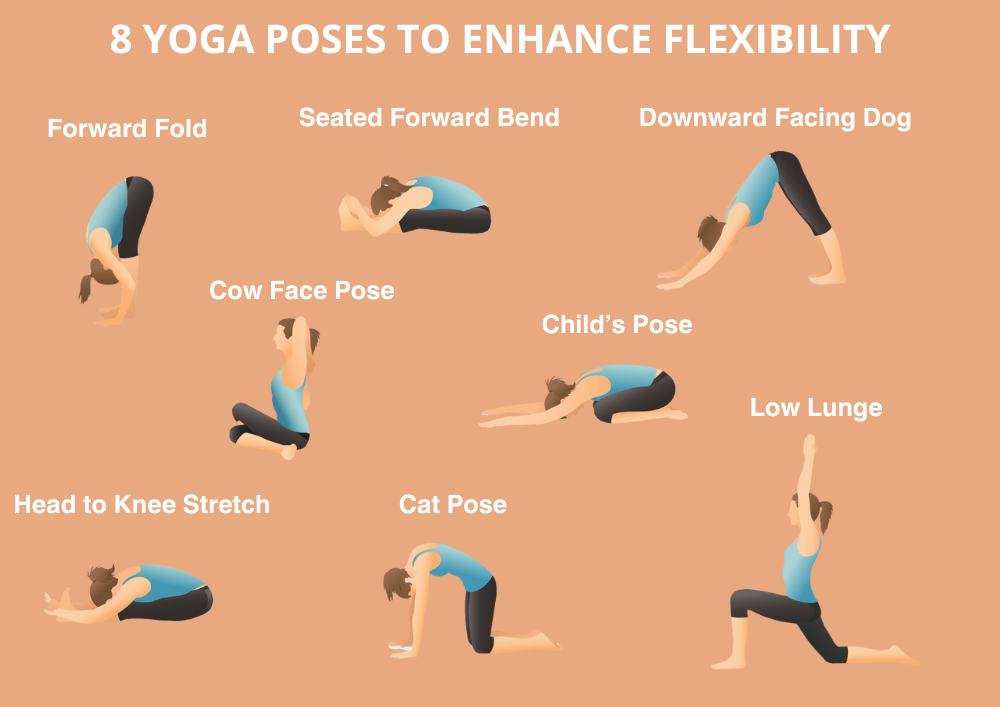
Are you feeling stiff and inflexible? Imagine being able to touch your toes effortlessly or twist your body with ease.
Flexibility isn’t just about showing off in a yoga class; it’s about improving your overall health and well-being. You might be wondering, “Which type of yoga is the best for boosting my flexibility? ” The answer could transform your yoga practice and your life.
Dive into this guide to discover the yoga styles that can unlock your body’s potential. Get ready to feel more limber and lively than ever before.
Benefits Of Yoga For Flexibility
Vinyasa yoga helps improve flexibility through fluid movements. Hatha yoga focuses on holding poses for longer, enhancing range of motion. Both styles build flexibility with consistent practice.
Yoga is more than just a physical exercise; it’s a path to a healthier, more flexible you. Embracing yoga for flexibility can transform your body in ways you might not expect. From improving your range of motion to boosting your overall well-being, yoga offers numerous benefits. Whether you’re a beginner or a seasoned practitioner, there’s always room to grow and stretch further. Are you ready to explore how yoga can enhance your flexibility?Improved Range Of Motion
Practicing yoga regularly can significantly improve your range of motion. With each pose, your muscles become more elastic, allowing you to move more freely. Imagine being able to reach for something without straining or bending without feeling stiff. As your body becomes more flexible, you’ll notice everyday tasks become easier and more comfortable.Enhanced Posture
Flexibility gained through yoga can lead to better posture. When your muscles and joints are more pliable, your body naturally aligns itself correctly. You’ll stand taller, sit more comfortably, and move with grace. Improved posture also reduces the risk of injuries and chronic pain, particularly in your back and neck.Reduced Muscle Tension
Yoga’s gentle stretching techniques help release muscle tension that builds up from stress or physical activity. By loosening tight muscles, you can alleviate discomfort and improve your overall physical health. You’ll feel more relaxed, and your body will thank you with increased energy levels and fewer aches.Boosted Circulation
Yoga poses that focus on flexibility can enhance blood circulation. When your muscles stretch, they encourage the flow of blood throughout your body. This increased circulation brings more oxygen and nutrients to your muscles and organs, promoting healing and overall vitality.Mind-body Connection
Yoga isn’t just about physical flexibility; it’s about connecting your mind and body. As you practice, you’ll become more aware of how your body moves and feels. This mindfulness can lead to a deeper understanding of your body’s needs, helping you make healthier choices in your daily life. Incorporating yoga into your routine can be a transformative journey. As your flexibility increases, so does your confidence and overall well-being. So, roll out your mat and start experiencing the benefits for yourself. How will yoga change your life today?Hatha Yoga
Hatha Yoga is ideal for improving flexibility. It focuses on gentle postures and breathing techniques. These practices help lengthen and stretch muscles, making the body more flexible over time.
Hatha Yoga is a popular style for improving flexibility. It combines physical postures with controlled breathing. This practice is gentle and suitable for beginners. It helps the body become more limber over time.Gentle Poses
Hatha Yoga includes many gentle poses. These poses stretch the muscles softly. They are ideal for increasing flexibility gradually. Common poses like the Cat-Cow or Child’s Pose are included. These positions ease tension and promote muscle relaxation. Practicing them regularly leads to better flexibility.Breath And Movement
Breath control is essential in Hatha Yoga. It connects the mind and body. This practice involves moving with each breath. This coordination increases awareness of each movement. Breathing deeply while holding poses enhances flexibility. It also reduces stress and improves focus.Vinyasa Flow
Vinyasa Flow is a popular style of yoga. It connects movement with breath. This practice is dynamic and fluid. It builds flexibility and strength. Vinyasa Flow suits all levels. It’s adaptable and varied. Each class can be different. This keeps it fresh and engaging.
Dynamic Sequences
Vinyasa Flow classes often feature dynamic sequences. These sequences involve continuous movement. They link one pose to another smoothly. This fluidity improves flexibility over time. Dynamic sequences challenge the body. They help muscles stretch and strengthen. Regular practice enhances range of motion.
Building Strength And Flexibility
Vinyasa Flow builds strength and flexibility. Many poses require balance and stability. These poses engage core and limb muscles. Holding poses strengthens the body. Flexibility increases with each stretch. Strength and flexibility improve together. This dual benefit supports overall wellness.
Yin Yoga
Yin Yoga enhances flexibility by gently stretching muscles and connective tissues. Poses are held for longer periods, allowing deeper relaxation. This practice is ideal for improving range of motion and releasing tension.
Yin Yoga is a gentle, meditative practice that emphasizes holding poses for extended periods, allowing you to deepen your flexibility. Unlike more dynamic styles, Yin Yoga targets the connective tissues—ligaments, tendons, and fascia—rather than focusing on muscle strength. This approach can be transformative if you’re looking to improve your flexibility and find balance in your yoga routine.Deep Stretching
Yin Yoga involves deep stretching, which is key to increasing flexibility. By holding poses for longer durations, you give your body the chance to release tension stored in the connective tissues. Have you ever felt tightness that just wouldn’t go away with regular stretching? Yin Yoga might be your answer. The poses are usually passive, meaning you relax into them rather than pushing or pulling. This allows gravity to assist in the stretch, helping you reach new depths. Imagine lying in a forward fold, feeling your hamstrings slowly release as you breathe deeply—it’s a rewarding experience.Holding Poses Longer
In Yin Yoga, holding poses for longer periods, typically between three to five minutes, is a fundamental principle. This extended time in poses helps improve the elasticity of your connective tissues, gradually increasing your range of motion. Holding poses longer also trains your mind in patience and mindfulness. You might find yourself more focused and aware of the subtle changes in your body. Why rush through life when you can savor each moment, even in a yoga pose? It’s not just your body that becomes more flexible; your mind benefits too.Bikram Yoga
Bikram Yoga enhances flexibility through a series of 26 postures practiced in a heated room. The warmth helps muscles stretch safely, improving range of motion. Regular practice can lead to increased flexibility and joint mobility.
Bikram Yoga is a powerful practice designed to enhance your flexibility and improve your overall well-being. Known for its structured sequence of 26 postures, it offers a unique approach to yoga that is both challenging and rewarding. If you’re looking to increase your flexibility, Bikram Yoga might be the perfect fit for you.Hot Environment
The defining feature of Bikram Yoga is its hot environment. Practiced in a room heated to approximately 105°F (40°C), the warmth helps your muscles relax and become more pliable. This heat allows you to safely stretch further, reaching deeper into poses that might otherwise feel inaccessible. Have you ever noticed how much easier it is to stretch after a warm shower? The heat in Bikram Yoga provides a similar effect, creating optimal conditions for flexibility. It’s like nature’s way of saying, “You’re ready to move.”Enhanced Flexibility
With the consistent practice of Bikram Yoga, your body gradually adapts to increased flexibility. Each posture targets specific muscle groups, encouraging lengthening and strengthening simultaneously. This dual benefit not only increases your flexibility but also improves balance and posture. Imagine being able to touch your toes effortlessly or feeling more graceful in your everyday movements. With commitment and dedication, these goals are within reach. If you’ve ever felt restricted by tight muscles, this yoga style could be your game-changer. Consider attending a class and experiencing the transformative power of this heated practice. What new heights in flexibility might you achieve?
Credit: www.yogabasics.com
Ashtanga Yoga
Ashtanga Yoga is known for enhancing flexibility through dynamic poses and synchronized breathing. This practice involves a series of movements that stretch and strengthen muscles, improving overall flexibility. Regular sessions can lead to increased range of motion and better posture.
Ashtanga Yoga is a dynamic and structured style of yoga that can significantly boost your flexibility. Known for its rigorous and disciplined approach, it involves synchronizing breath with a progressive series of postures. This practice not only enhances your physical capabilities but also demands mental focus and commitment.Structured Series
Ashtanga Yoga is built on a specific sequence of poses, which are practiced in the same order every time. This structured series allows you to track your progress and notice improvements in your flexibility. Each session becomes a familiar routine, helping your body to stretch deeper into poses over time. Consistency is key here. The repetitive nature of the sequence allows muscle memory to develop, making it easier for your body to adapt and stretch further. By knowing what to expect, you can focus on pushing your boundaries safely, without the distraction of unfamiliar movements.Progressive Flexibility
In Ashtanga Yoga, flexibility is not achieved overnight. It gradually builds as you move through the different series, each designed to increase your body’s capacity. Starting with the Primary Series, you’ll work on foundational poses that prepare your muscles and joints for more advanced postures. As your practice matures, you’ll notice subtle shifts in your flexibility. Your hamstrings might loosen, or your backbends may deepen. This progression is both rewarding and motivating, encouraging you to maintain regular practice. Have you ever wondered how far your body can go with consistent effort? Ashtanga Yoga offers a pathway to discover that potential, urging you to explore the limits of your flexibility, one pose at a time.Restorative Yoga
Restorative Yoga gently enhances flexibility through slow, passive stretches. It uses props to support the body, allowing deep relaxation. This calming practice helps muscles release tension, making it easier to improve flexibility over time.
Restorative Yoga is a gentle practice. It focuses on deep relaxation and healing. It’s ideal for increasing flexibility. It uses props like blankets and bolsters. This helps support the body. It allows you to hold poses longer. The body can release tension. This promotes flexibility over time.Relaxation Techniques
Restorative Yoga centers on relaxation. It encourages letting go of stress. Breathing deeply calms the mind. Slow breaths help muscles loosen. This prepares them for stretching. Relaxation techniques reduce muscle tightness. They create a peaceful environment for practice.Gentle Stretching
Gentle stretching is key in Restorative Yoga. Poses are held for several minutes. This allows muscles to lengthen. Stretching is soft and slow. It gradually increases flexibility. Props support the body in stretches. This prevents strain and encourages ease. Restorative Yoga is perfect for beginners. It builds flexibility with gentle care.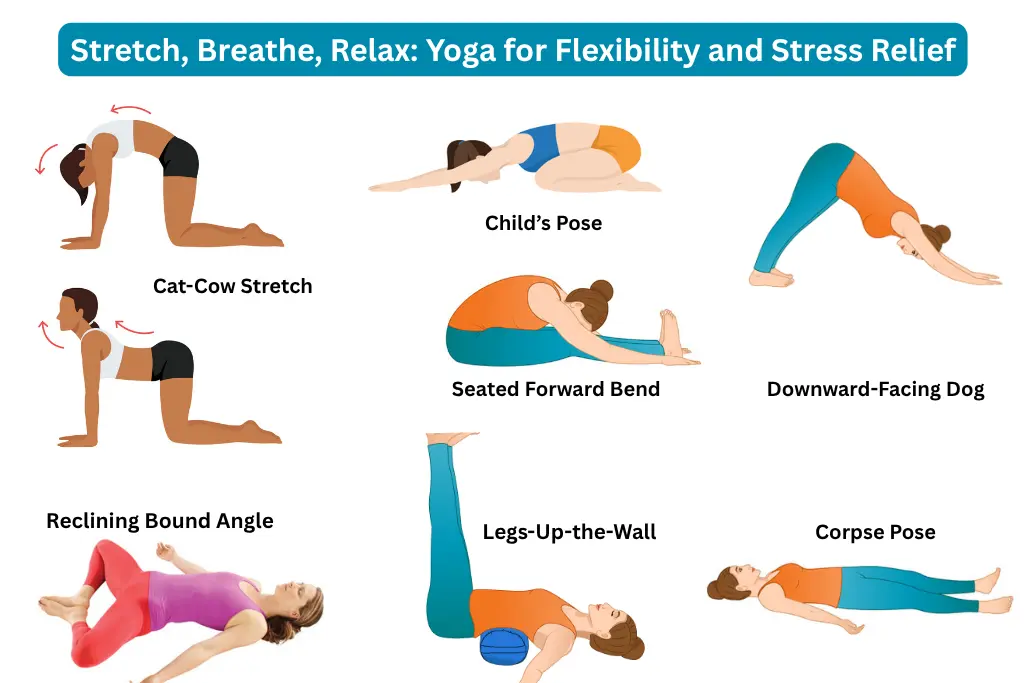
Credit: yogavibeshub.com
Choosing The Right Yoga Style
Vinyasa and Hatha yoga are excellent for improving flexibility. These styles offer a balance of movement and stretching. Regular practice can enhance muscle elasticity and joint mobility.
Choosing the right yoga style can boost your flexibility. Not all yoga styles offer the same benefits. Some focus more on strength, others on relaxation. It’s important to choose a style that matches your needs. Below, explore how personal goals and physical considerations can guide your choice.Personal Goals
Think about what you want from yoga. Do you aim for better flexibility or overall well-being? If flexibility is your goal, try styles like Vinyasa or Hatha. These styles include flowing movements and gentle stretches. They help loosen tight muscles and improve range of motion. If relaxation is a priority, consider Yin Yoga. It involves holding poses longer, which deepens stretches.Physical Considerations
Consider your body’s needs and limitations. Some people have tight hamstrings or hips. Others may experience joint pain. Gentle styles like Hatha are ideal for beginners or those with injuries. They focus on slow, mindful movements. More advanced practitioners might enjoy Ashtanga. It’s dynamic and builds strength while enhancing flexibility. Always listen to your body to prevent injury.Tips For Enhancing Flexibility
Hatha yoga is ideal for enhancing flexibility, offering gentle poses that stretch and strengthen muscles. Vinyasa yoga also supports flexibility, focusing on fluid movements and breath control to improve range of motion. Both styles help increase flexibility safely and effectively.
Improving flexibility through yoga is a journey that requires patience and dedication. To truly enhance your flexibility, it’s important to incorporate certain practices into your routine. Here are some tips to help you maximize the benefits of your yoga practice and see noticeable improvements in your flexibility.Regular Practice
Consistency is key when it comes to increasing flexibility. Aim to practice yoga at least three to four times a week. Regular practice helps your muscles become more pliable over time, allowing you to stretch deeper with each session. Consider setting a specific time for yoga each day, making it a non-negotiable part of your routine. Even a short 15-minute session can make a significant difference. Remember, it’s not about how long you practice, but how often.Listening To Your Body
One crucial aspect of enhancing flexibility is tuning into your body’s signals. Pushing yourself too hard can lead to injuries and setbacks. Listen to what your body needs and respect its limits. If a pose feels uncomfortable or painful, modify it or try a different one. Your body will guide you towards what it needs if you pay attention. Are you aware of how your muscles respond during each stretch? Incorporate mindful breathing to help ease tension and deepen stretches. By focusing on your breath, you’ll find it easier to relax into poses, allowing your muscles to release and stretch further. By integrating these tips into your yoga routine, you’ll be well on your way to improved flexibility. Remember, every body is different, so progress at your own pace and enjoy the journey.
Credit: myyogateacher.com
Frequently Asked Questions
What Yoga Style Improves Flexibility The Most?
Vinyasa yoga is known for enhancing flexibility through dynamic movements. It combines breath with flowing postures, promoting increased flexibility over time. The continuous sequence of poses helps to stretch and strengthen muscles. Regular practice of Vinyasa yoga can lead to noticeable improvements in flexibility and overall body mobility.
Can Beginners Do Yoga For Flexibility?
Yes, beginners can practice yoga to improve flexibility. Starting with gentle styles like Hatha or Yin yoga is recommended. These styles offer slower-paced sequences that focus on stretching and lengthening muscles. Practicing consistently will gradually enhance flexibility and increase range of motion, even for those new to yoga.
How Does Yin Yoga Aid Flexibility?
Yin yoga aids flexibility by targeting deep connective tissues. It involves holding poses for longer durations, which helps to stretch and lengthen these tissues. This practice is beneficial for increasing flexibility and joint mobility. Yin yoga also promotes relaxation and mindfulness, contributing to overall well-being.
Is Hot Yoga Effective For Flexibility?
Hot yoga is effective for enhancing flexibility due to the heated environment. The warmth allows muscles to stretch more easily and deeply. Practicing poses in a heated room can lead to improved flexibility. However, it’s important to stay hydrated and listen to your body during sessions.
Conclusion
Yoga offers various styles to improve flexibility. Vinyasa yoga flows smoothly, enhancing muscle stretch. Hatha yoga focuses on holding poses, increasing flexibility over time. Yin yoga stretches deep connective tissues, promoting greater range of motion. Each style provides unique benefits.
Choose what fits your needs and preferences. Consistent practice leads to noticeable improvements. Listen to your body and progress safely. Flexibility enhances overall well-being. Enjoy the journey to a more supple self. Your body will thank you.