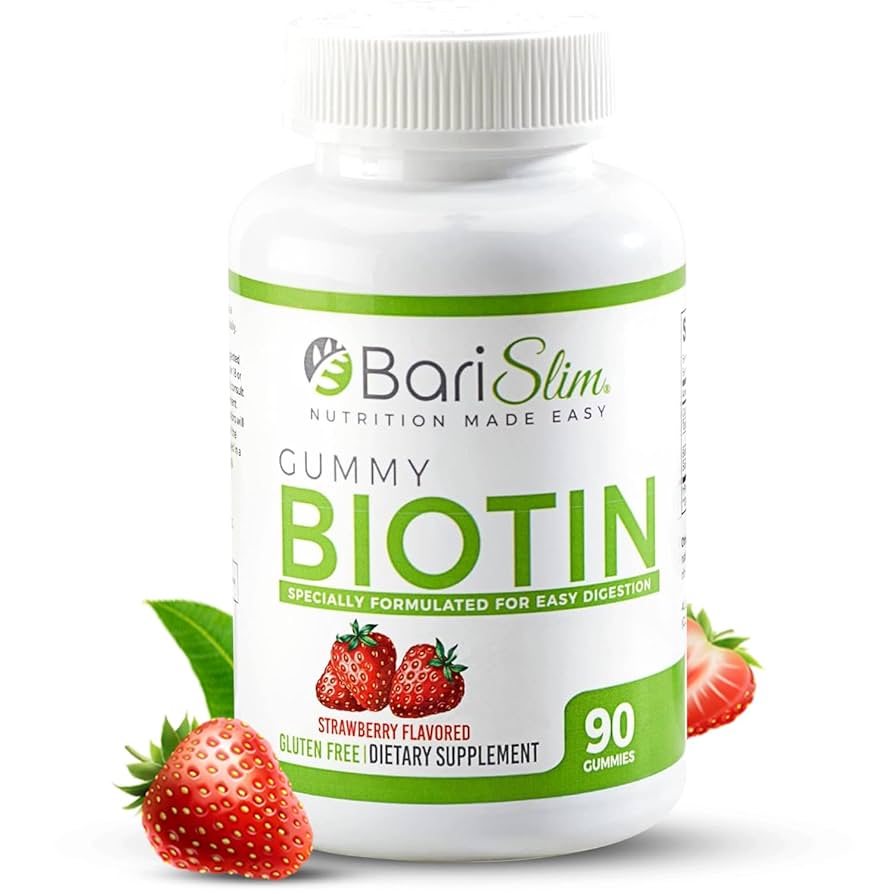
Have you ever wondered if a simple vitamin could be the key to shedding those stubborn pounds? You’re not alone.
Many people are exploring the potential benefits of biotin, a popular B-vitamin, in their weight loss journey. But does biotin really help with weight loss, or is it just another fad? Imagine finally finding a supplement that supports your goals, without the empty promises.
This article dives into the science behind biotin and its possible role in your quest for a healthier, leaner you. Stick around to discover the truth, and learn how this tiny nutrient might fit into your weight loss strategy.
Biotin And Its Role In The Body
Biotin, a vital B-vitamin, supports metabolism and energy production. While essential for overall health, its direct impact on weight loss remains unproven.
Biotin, also known as vitamin B7, plays a crucial role in maintaining your body’s health. It’s a vital component in the process of converting food into energy, which is essential for your daily activities. While many people associate biotin with benefits for hair and nails, its impact extends far beyond these areas.What Does Biotin Do?
Biotin aids in the metabolism of carbohydrates, fats, and proteins. This means it helps break down the food you eat into usable energy. Imagine your body as a machine that needs fuel to function efficiently—biotin is a key player in ensuring that this fuel is properly utilized.Biotin And Energy Production
You may have noticed that after a hearty meal, you feel energized. This is partly due to the role biotin plays in energy production. By supporting metabolic processes, biotin helps you maintain optimal energy levels throughout the day, keeping you active and alert.Biotin’s Impact On Metabolism
An efficient metabolism is essential for weight management. Biotin contributes to a healthy metabolism, making it easier for your body to burn calories effectively. However, relying solely on biotin for weight loss may not yield dramatic results. It should be part of a balanced diet and lifestyle.Can Biotin Alone Aid Weight Loss?
While biotin supports metabolic processes, it isn’t a magic bullet for shedding pounds. Weight loss requires a comprehensive approach, including a nutritious diet and regular exercise. Think of biotin as a supportive player in your overall health journey, rather than the star of the show. Incorporating biotin into your routine, perhaps through foods like eggs and nuts or supplements, can be beneficial. Yet, it’s crucial to set realistic expectations about its role in weight loss. What are your thoughts on biotin and its multifaceted contributions to your health?Metabolism And Energy Production
Biotin, a B-vitamin, plays a role in converting food into energy. It supports metabolism but doesn’t directly cause weight loss. Balanced diet and exercise are key for effective weight management.
Metabolism and energy production are central to your body’s ability to maintain a healthy weight. Biotin, a B-vitamin, plays a critical role in these processes. It supports the conversion of food into energy, which can impact weight management.How Biotin Influences Metabolism
Biotin acts as a coenzyme in the metabolism of carbohydrates, fats, and proteins. This means it helps your body break down food into energy efficiently. Without sufficient biotin, your metabolism might slow down, leading to less energy and potential weight gain.Biotin’s Role In Energy Production
Feeling sluggish? It might be linked to biotin levels. By aiding in energy production, biotin can help you feel more energetic and motivated to stay active. Increased energy levels can lead to more physical activity, which may contribute to weight loss.Personal Experience With Biotin
I remember a time when my energy levels were at an all-time low. After consulting with a nutritionist, I realized my diet lacked biotin-rich foods. Adding biotin supplements and foods like eggs and nuts to my diet made a noticeable difference. I felt more energized, which encouraged me to exercise more regularly.Practical Tips To Boost Biotin Intake
– Include biotin-rich foods in your diet: Eggs, almonds, and spinach are great sources. – Consider supplements: If your diet alone isn’t enough, talk to a healthcare provider about biotin supplements. – Stay consistent: Regular intake is key to maintaining optimal energy levels. Are you getting enough biotin for your metabolism and energy needs? Assess your diet and consider making changes if you’re feeling persistently tired. Your body’s energy production is crucial for maintaining a healthy weight and overall well-being.Biotin’s Impact On Metabolic Rate
Biotin, a B-vitamin, plays a role in energy metabolism. People often associate it with hair and nail health. But its influence on metabolic rate is gaining attention. This process involves the conversion of nutrients into energy. Understanding biotin’s role can help in managing weight effectively.
How Biotin Supports Energy Production
Biotin aids in breaking down carbohydrates, fats, and proteins. It helps convert these into usable energy. This process boosts your metabolic rate, burning calories more efficiently. A faster metabolism can support weight management goals.
Biotin And Fat Metabolism
Biotin is crucial for fat synthesis and breakdown. It helps in the conversion of fats into fatty acids. This process is vital for energy production and storage. A well-functioning fat metabolism can aid weight loss efforts.
The Role Of Biotin In Glucose Metabolism
Biotin influences how the body processes glucose. It helps maintain stable blood sugar levels. Stable glucose levels prevent sudden hunger spikes. This balance supports better control over food intake.
Biotin Deficiency And Metabolic Rate
Lack of biotin can slow down metabolism. It may lead to fatigue and ineffective nutrient utilization. Ensuring adequate biotin intake is crucial for maintaining a healthy metabolic rate.
Biotin Sources For Enhanced Metabolism
Incorporate biotin-rich foods like eggs, nuts, and seeds. These foods support overall metabolism and energy levels. A balanced diet ensures sufficient biotin intake for metabolic health.
Research On Biotin And Weight Loss
The quest for effective weight loss solutions often leads to exploring various supplements, including biotin. Known for its role in promoting healthy hair and nails, biotin has recently sparked interest regarding its potential impact on weight management. The question arises: does biotin actually contribute to weight loss?
Research On Biotin’s Role In Metabolism
Biotin is a vitamin that plays a crucial role in metabolism. It aids in the conversion of food into energy, which is essential for weight management. Some studies suggest that biotin can enhance metabolic rates, potentially leading to weight loss.
Scientific Studies Examining Biotin For Weight Loss
While biotin’s role in metabolism is clear, direct research linking it to weight loss is limited. Some studies have shown improvement in metabolic markers with biotin supplementation, but evidence directly connecting it to weight loss remains sparse.
Biotin As Part Of A Balanced Diet
Incorporating biotin into your diet can support overall health. Though it may not directly cause weight loss, it can complement a balanced diet by ensuring efficient metabolic processes. Pairing biotin with other nutrients might be more effective.
Personal Experiences With Biotin And Weight Management
Many individuals report feeling more energetic after adding biotin to their routine. Increased energy levels can lead to more active lifestyles, supporting weight loss goals. Have you noticed similar effects when taking biotin?
Potential Benefits Beyond Weight Loss
Biotin is renowned for strengthening hair and nails. While weight loss benefits might be indirect, improving your overall health can boost your confidence and motivation. Would you consider biotin for its holistic advantages?
In the end, while biotin might not be a magic bullet for weight loss, its role in enhancing metabolism and overall health shouldn’t be overlooked. What’s your take on biotin as a part of your health regimen?
Biotin Supplements: Myths Vs. Facts
Biotin, a popular supplement, is often linked to weight loss. Yet, no scientific evidence supports this claim. Instead, biotin primarily aids in improving hair, skin, and nail health.
Biotin has been a buzzword in health and wellness circles, especially for its reputed benefits on hair and nails. However, its connection to weight loss is less clear. Many people are turning to biotin supplements with hopes of shedding pounds, but separating myths from facts is crucial. Let’s dive into what’s true and what’s not about biotin supplements and their role in weight loss.Myth: Biotin Directly Burns Fat
Biotin, also known as Vitamin B7, plays a vital role in metabolizing carbohydrates, fats, and proteins. However, it doesn’t directly burn fat. The idea that taking biotin supplements will lead to immediate weight loss is misleading. Imagine biotin as a support system for your body’s metabolic processes. It helps in converting nutrients into energy but doesn’t have the magical ability to melt away fat.Fact: Biotin Supports Metabolism
While biotin doesn’t directly cause weight loss, it is essential for maintaining a healthy metabolism. A well-functioning metabolism can make it easier to manage your weight. If your body lacks biotin, you might experience sluggishness, which can hinder your weight loss journey. Think of biotin as a helpful assistant in your body’s energy production. Ensuring you have enough of this vitamin can support your overall health, which is crucial for any weight management plan.Myth: More Biotin Equals Faster Weight Loss
Many people believe that increasing their biotin intake will speed up weight loss. However, your body only needs a small amount of biotin, and excess amounts don’t offer additional benefits. Overloading on supplements could be a waste of money and resources. Instead of focusing solely on biotin, consider a balanced diet that includes all essential nutrients. This approach is more effective for long-term health and weight management.Fact: Biotin Deficiency Can Impact Weight
Biotin deficiency is rare but can lead to symptoms like fatigue and weight gain. If you suspect a deficiency, consulting with a healthcare professional is wise. They can recommend appropriate supplements or dietary changes. Addressing any nutritional gaps is a practical step toward achieving your weight goals. Rather than self-diagnosing, professional guidance ensures you’re on the right track.Myth: Biotin Alone Can Replace A Healthy Diet
Relying solely on biotin supplements for weight loss overlooks the importance of a balanced diet and exercise. Supplements can support health but shouldn’t replace nutritious food and regular physical activity. Consider biotin as part of a broader strategy for health improvement. The real magic lies in combining it with a healthy lifestyle for sustainable results.Fact: Balanced Diet Enhances Biotin’s Benefits
Incorporating biotin-rich foods like eggs, nuts, and seeds into your diet can enhance the benefits of the supplement. A balanced diet ensures your body gets a variety of nutrients to function optimally. Have you ever noticed how much better you feel when you eat a balanced meal? That’s your body thriving on the right nutrients, biotin included.
Credit: www.instagram.com
Dietary Sources Of Biotin
Eggs, nuts, and whole grains are rich sources of biotin. This vitamin supports metabolism, but its direct impact on weight loss is uncertain. Incorporating foods high in biotin may aid overall health.
Biotin, often hailed as a beauty vitamin for its role in promoting healthy hair and nails, is also essential for energy metabolism. While its direct impact on weight loss remains inconclusive, ensuring adequate biotin intake can support your body’s metabolic processes. To naturally boost your biotin levels, consider integrating various biotin-rich foods into your diet.Egg Yolks
Eggs are a powerhouse of nutrients, and the yolk is particularly rich in biotin. Incorporating eggs into your breakfast can give you a refreshing start packed with biotin. Plus, they’re versatile enough to keep your meals exciting.Nuts And Seeds
Almonds, walnuts, and sunflower seeds are not only great for snacking but also for boosting your biotin intake. Their crunchy texture can add a delightful twist to salads or smoothies, making your diet both nutritious and enjoyable.Whole Grains
Switching to whole grains like oats and barley can be a smart choice for your biotin needs. Whole grains are not only rich in this vitamin but also provide fiber, supporting overall digestive health. They’re perfect for breakfast or as a side dish.Legumes
Lentils, peas, and beans are excellent sources of biotin. Adding them to soups or stews can not only enhance the nutritional value but also keep your meals hearty and satisfying. They’re budget-friendly options for your biotin intake.Leafy Greens
Spinach and broccoli are not just a great source of vitamins but also contain biotin. These greens can be effortlessly added to your meals, whether in salads, stir-fries, or smoothies, ensuring you’re meeting your biotin needs without sacrificing taste. Are you incorporating these biotin-rich foods into your diet regularly? It’s fascinating how simple dietary changes can potentially enhance your health journey.Safe Biotin Consumption Levels
Biotin, a B-vitamin, plays a vital role in the body. It’s known for promoting healthy hair and nails. But can it aid in weight loss? Understanding safe biotin consumption is crucial. It ensures you harness its benefits without risks. Let’s delve into what safe levels mean.
Biotin is water-soluble. The body doesn’t store it, so regular intake is important. The recommended daily allowance for adults is 30 micrograms. This amount supports normal metabolic functions. Consuming biotin within this range is considered safe.
Signs Of Excessive Biotin Intake
While biotin is essential, too much can cause issues. Excessive consumption may lead to skin rashes or digestive problems. It’s important to watch for these signs. They indicate your body may have too much biotin.
Consulting A Healthcare Professional
Before increasing your biotin intake, talk to a doctor. They can provide tailored advice based on your health needs. Consulting a healthcare professional ensures you’re making safe choices. They help you understand the proper dosage for your situation.
Biotin In Foods Vs. Supplements
Biotin is found naturally in foods like eggs and nuts. Supplements are also available. Choosing food sources is often safer and healthier. They provide a balanced mix of nutrients. Supplements should be used carefully and under guidance.
Monitoring Biotin Levels
Regular health check-ups can monitor biotin levels. Blood tests can show if you’re consuming the right amount. This helps avoid potential side effects. Monitoring ensures you stay within safe biotin levels.

Credit: www.instagram.com
Biotin In Popular Weight Loss Products
Biotin, often found in weight loss products, primarily supports hair and nail health. Its role in weight loss is unclear, as it doesn’t directly impact fat reduction. Instead, biotin aids in converting food into energy, which might indirectly support a healthy metabolism.
Biotin, a B-vitamin, is often found in weight loss supplements. Many believe it boosts metabolism and aids weight loss. Let’s explore how biotin is used in popular weight loss products.Biotin’s Role In Metabolism Boosters
Biotin is crucial for converting food into energy. It helps break down fats and carbohydrates. This process may support weight management.Common Biotin-infused Supplements
Many supplements combine biotin with other ingredients. These often include green tea extract or caffeine. They aim to enhance metabolic rate and energy levels.Biotin Dosage In Weight Loss Formulas
Weight loss products vary in biotin content. Most provide enough to support metabolic functions. It’s important to check labels for dosage details.Biotin’s Impact On Hunger Control
Some products claim biotin reduces appetite. It may influence hormones related to hunger. Users might experience less desire to snack.Consumer Reviews And Experiences
Many users report increased energy after using biotin products. Some notice changes in appetite. Reviews often highlight personal experiences.Potential Side Effects To Consider
Biotin is generally safe. High doses may lead to minor side effects. These can include skin rashes or digestive issues. Always consult a healthcare provider before starting supplements.Expert Opinions On Biotin And Weight Loss
Biotin, a B-vitamin, is often linked to hair and nail health. Some believe it helps with weight loss. But what do experts say? Let’s explore expert opinions on biotin and weight loss.
Biotin’s Role In Metabolism
Experts agree biotin supports metabolism. It helps convert food into energy. This process is vital for overall health. But does it directly affect weight loss? Most say no. Energy conversion does not equal weight loss.
Scientific Studies And Findings
Studies on biotin and weight loss are limited. Few have shown a direct link. Most studies focus on biotin’s role in metabolism. Weight loss benefits remain unproven. Experts suggest more research is needed.
Nutritionists’ Perspective
Nutritionists emphasize a balanced diet. They say supplements like biotin should not replace whole foods. A healthy diet supports weight management better. Biotin alone won’t lead to weight loss.
Doctors’ Recommendations
Doctors recommend exercise and a balanced diet for weight loss. They view biotin as a supplement, not a solution. It may boost metabolism slightly. But lifestyle changes are key for weight loss.
Potential Side Effects
Biotin is safe for most people. But high doses can cause side effects. These include skin rashes and digestive issues. It’s best to consult a doctor before taking supplements.
Final Thoughts From Experts
Experts remain cautious about biotin for weight loss. They emphasize healthy lifestyle choices. Biotin supports health, but isn’t a magic solution. Always seek professional advice before starting supplements.
Integrating Biotin Into A Balanced Diet
Biotin, a vital B vitamin, supports metabolic functions. It helps break down fats, proteins, and carbohydrates. This process aids energy production, crucial for a balanced diet. Including biotin-rich foods can enhance nutrient absorption. It may also support weight management efforts.
Understanding Biotin-rich Foods
Many foods are rich in biotin. Eggs, nuts, and seeds are excellent sources. Whole grains and dairy products also contain biotin. Incorporating these foods can be easy and delicious. They offer other nutritional benefits, too.
Creating A Biotin-friendly Meal Plan
Crafting a meal plan with biotin-rich foods is simple. Start with a biotin-packed breakfast. Consider scrambled eggs with whole-grain toast. Add a handful of almonds for a mid-morning snack. For lunch, a spinach salad with seeds works well. Include grilled chicken for protein. Dinner options can be varied. Try whole-grain pasta with broccoli. Top it with a sprinkle of cheese.
Supplementing With Biotin
Biotin supplements are available if needed. They come in various forms, like tablets or capsules. Before starting any supplement, consult a healthcare provider. They can guide on the appropriate dosage. Supplements should not replace a balanced diet. Always prioritize natural food sources.
Monitoring Your Diet’s Impact
Track any changes in your health. Keep a food diary. Note your energy levels and any weight changes. This can help adjust your diet as needed. Be patient and consistent with your efforts.

Credit: www.amazon.com
Frequently Asked Questions
Can Biotin Aid In Weight Loss?
Biotin is primarily known for supporting hair, skin, and nail health. It doesn’t directly contribute to weight loss. However, biotin aids in metabolizing carbohydrates, fats, and proteins, which may indirectly support weight management when combined with a healthy diet and exercise.
Does Biotin Boost Metabolism?
Biotin plays a vital role in converting food into energy by supporting metabolic processes. It helps break down carbohydrates, fats, and proteins. While it doesn’t directly boost metabolism, its role in energy production can support your overall metabolic health when paired with a balanced lifestyle.
Is Biotin Effective For Fat Burning?
Biotin isn’t directly responsible for fat burning. It assists in metabolizing fats, carbohydrates, and proteins, aiding energy production. While it contributes to overall metabolic function, biotin alone won’t result in significant fat loss. Combine it with regular exercise and a healthy diet for better results.
Can Biotin Supplements Cause Weight Gain?
Biotin supplements do not cause weight gain. They support metabolic functions, helping convert nutrients into energy. Weight gain is typically linked to calorie intake and lifestyle factors. Biotin, when taken as directed, should not lead to weight changes.
Conclusion
Biotin alone may not aid in weight loss. It supports overall health. A balanced diet and exercise remain vital. Biotin can boost energy, which might help with workouts. Consider biotin-rich foods for natural intake. Eggs, nuts, and seeds are good options.
Consult a healthcare professional before starting supplements. Everyone’s body reacts differently. Focus on a healthy lifestyle for best results. Weight loss is a journey, not a quick fix. Patience and consistency are key.