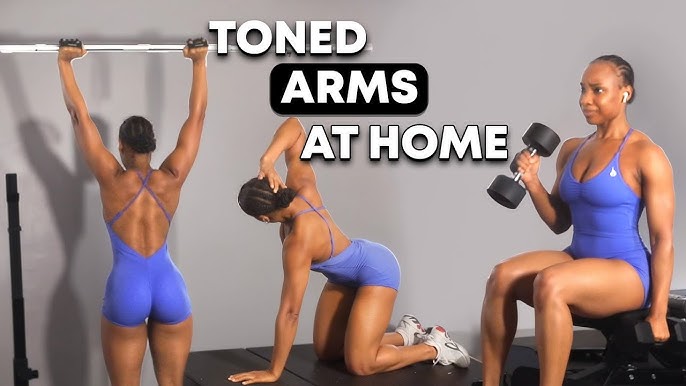
Are you tired of feeling self-conscious about your arms? Do you want to build strength and confidence without stepping into a crowded gym?
You’re not alone. Many people are looking for effective ways to workout their arms at home. Imagine the satisfaction of seeing your biceps grow stronger, your triceps more toned, all within the comfort of your own living room. This guide will reveal simple yet powerful exercises that fit seamlessly into your daily routine.
You don’t need expensive equipment or a personal trainer. All you need is a little motivation and a plan. Ready to transform your arms and boost your confidence? Let’s dive into these home-friendly workouts that promise real results.

Credit: www.youtube.com
Benefits Of Arm Workouts At Home
Working out at home offers a flexible routine. Arm workouts can be done without fancy equipment. You can use household items like water bottles. This convenience saves time and money. No need for gym memberships or travel expenses.
Home workouts fit into your schedule. Whether morning or evening, you choose the time. This helps maintain consistency in your exercise routine. Regular workouts lead to better results. An added advantage is privacy. You exercise in a comfortable space, free from distractions.
Arm workouts improve muscle tone and strength. Strong arms support daily tasks like lifting and carrying. They also enhance appearance and boost confidence. With regular workouts, you feel empowered and energetic.
Reduced Equipment Costs
Home workouts often need minimal equipment. Simple items like resistance bands or dumbbells are sufficient. These tools are affordable and versatile. You can perform various exercises with them.
Improved Flexibility
Doing arm workouts at home allows flexibility in routines. You can switch exercises based on your mood. This keeps the routine interesting and engaging. Flexibility helps prevent boredom and promotes progress.
Enhanced Privacy
Exercising at home provides privacy. You focus on your goals without feeling self-conscious. This encourages commitment and dedication. You can try new exercises without fear of judgment.
Time Efficiency
Home workouts save travel time. You can start your routine immediately. This efficiency boosts motivation. Quick workouts fit into busy schedules easily.
Personalized Environment
At home, you create your workout space. Choose music and lighting to suit your mood. This personal touch enhances the workout experience. A comfortable environment increases satisfaction and commitment.

Credit: in.pinterest.com
Essential Equipment
Creating an effective arm workout at home requires some essential equipment. Having the right tools can make a big difference in your fitness journey. With just a few items, you can target your arm muscles efficiently. Let’s explore some key equipment options that can enhance your home workout.
Dumbbells And Resistance Bands
Dumbbells are versatile and allow a range of exercises. They help build strength in biceps and triceps. Choose a weight that challenges you but lets you maintain form. Resistance bands are another great option. They are portable and offer variable resistance. Use them for curls, presses, and extensions.
Bodyweight Alternatives
Bodyweight exercises can be effective for arm workouts. Push-ups and tricep dips are great examples. These exercises require no equipment and can be done anywhere. Adjust the difficulty by changing your hand position or using elevation.
Space Considerations
Ensure you have enough space for movement. A small area can work if organized well. Clear the area of any obstacles. This allows safe and effective workouts. Consider your ceiling height for exercises like shoulder presses. Check your floor surface for stability during workouts.
Warm-up Routine
Starting your arm workout with a proper warm-up routine is essential for preparing your muscles and joints for the exercises ahead. A well-rounded warm-up not only helps prevent injuries but also enhances performance by improving flexibility and range of motion. Let’s explore two key components of an effective warm-up routine: dynamic stretching and joint mobility exercises.
Dynamic Stretching
Dynamic stretching involves moving parts of your body through a full range of motion, gradually increasing reach and speed. This type of stretching warms up your muscles and increases blood flow, setting the stage for a productive workout.
- Arm Circles: Extend your arms to the sides and make small circles, gradually increasing in size. Feel the stretch in your shoulders and upper arms.
- Cross-Body Arm Swings: Stand with feet shoulder-width apart and swing your arms across your body, alternating sides. This helps loosen up your chest and shoulder muscles.
Dynamic stretching is not just about preparation; it’s a way to tune into your body. Notice how your muscles respond to these movements. Are they tight or flexible? This awareness can guide your workout intensity and focus.
Joint Mobility Exercises
Joint mobility exercises are designed to improve the movement and flexibility of your joints, ensuring they are ready for the workout. These exercises are crucial, especially for arm workouts, as they target areas prone to stiffness.
- Elbow Flexion and Extension: Slowly bend and straighten your elbows repeatedly. This prepares your elbow joints for resistance training.
- Wrist Rotations: Rotate your wrists in both directions to ease tension and improve mobility. It’s a small movement but can make a big difference in grip strength.
Consider how often you use your arms throughout the day. Investing a few minutes in joint mobility not only prepares you for the workout but can improve your daily activities. Are you ready to feel the difference in your arm strength?
Beginner Arm Exercises
Beginning your arm workout journey at home is an empowering step toward building strength and confidence. Whether you’re looking to tone your arms or increase muscle mass, starting with basic exercises can be both effective and motivating. These exercises require minimal equipment and are perfect for beginners who want to see noticeable improvements.
Push-ups
Push-ups are a classic exercise that targets multiple muscle groups, including your arms. They are a fantastic way to build strength and endurance. Start by positioning yourself on the floor, hands shoulder-width apart. Lower your body until your chest nearly touches the floor, then push back up. If regular push-ups are too challenging, try knee push-ups for a simpler variation. Consistency is key, so aim for a few sets each session.
Tricep Dips
Tricep dips can be easily done using a chair or a low table. They focus on strengthening the triceps, which are crucial for arm definition. Sit on the edge of your chosen surface, hands beside you. Slide your butt off the edge, keeping your feet flat on the ground. Lower your body by bending your elbows, then push back up. Feeling the burn means you’re doing it right, so don’t shy away from challenging yourself.
Bicep Curls
Bicep curls are a staple in arm workouts and can be performed with dumbbells or household items like water bottles. Stand up straight with your arms at your sides, holding your weights. Curl your arms upward, keeping your elbows close to your body. Focus on slow, controlled movements to maximize effectiveness. As you progress, you might consider increasing weight to further challenge your muscles.
These exercises serve as a foundation for developing stronger, more toned arms. Which exercise resonates most with you, and how will you incorporate it into your routine?
Intermediate Arm Workouts
Boost arm strength at home with intermediate workouts like tricep dips and bicep curls using household items. Enhance muscle endurance by incorporating push-ups and resistance bands into your routine. These exercises are perfect for improving arm definition without needing a gym membership.
Looking to elevate your arm workouts at home? Intermediate arm workouts can be your next step towards stronger, more defined arms. You’ll tackle exercises that add complexity and challenge your muscles in new ways. These workouts require a bit more strength and coordination, but the results are well worth the effort. So, roll up your sleeves and get ready to push your limits.Diamond Push-ups
Diamond push-ups are a fantastic way to target your triceps and inner chest. Position your hands close together under your chest, forming a diamond shape with your thumbs and index fingers. Lower your body while keeping your elbows tucked close to your sides. Feel the burn as you push back up to the starting position. Aim for 8 to 12 reps, maintaining control throughout the movement.Hammer Curls
Hammer curls focus on your biceps and forearms, offering a different angle than traditional curls. Stand with your feet shoulder-width apart and hold a dumbbell in each hand with your palms facing your body. Curl the weights up while keeping your elbows close to your sides. Control the weights back down and repeat for 10 to 15 reps. If dumbbells aren’t available, filled water bottles can work as a substitute.Overhead Tricep Extensions
This exercise isolates the triceps for maximum engagement. Start by holding a dumbbell with both hands and lift it overhead. Lower the weight behind your head by bending your elbows, then extend your arms back to the starting position. Keep your core tight and back straight as you perform 10 to 12 reps. This move not only tones your arms but also improves shoulder stability. Are you ready to feel the transformation in your arms? With these intermediate exercises, you’re one step closer to achieving your fitness goals. Remember, consistency is key. Keep pushing, and your efforts will surely pay off!Advanced Arm Training
Advanced arm training at home can take your fitness routine to new heights. It challenges your muscles and enhances your strength, making you feel more accomplished. These exercises push you beyond basic moves and target different arm muscles for balanced growth. Ready to step up your arm game? Let’s dive into some advanced exercises!
Archer Push-ups
Imagine doing a push-up while shifting your weight to one side. That’s the archer push-up. It intensifies the workout by engaging one arm at a time, giving your muscles a real challenge. Start in a regular push-up position, then extend one arm out to the side while lowering your body with the other arm. Feel the burn as you push back up. Mastering this exercise not only builds strength but also improves your balance.
Concentration Curls
Concentration curls focus on isolating your biceps for maximum impact. Sit on a sturdy chair with your legs slightly apart. Hold a dumbbell in one hand, resting your elbow on the inner thigh. Slowly curl the weight towards your shoulder, concentrating on the movement. It’s all about control and precision. This exercise boosts muscle definition and ensures you’re targeting the right muscles.
Skull Crushers
Skull crushers are perfect for targeting your triceps. Lie on your back, holding a dumbbell in each hand. Extend your arms above you, then bend your elbows to lower the weights towards your forehead. Keep your upper arms still and focus on the movement at your elbows. It’s a powerful exercise that builds tricep strength and adds definition to your arms. Can you feel the power in each extension?
Advanced arm training is not just about lifting heavier weights; it’s about engaging your muscles effectively. Are you ready to challenge yourself and see real results? Incorporate these exercises into your routine and watch your arms transform!
Incorporating Cardio
Combining arm workouts with cardio enhances endurance while strengthening muscles. Try jogging in place between sets to keep your heart rate up. This approach provides a balanced workout, engaging both your arms and cardiovascular system effectively.
Incorporating cardio into your arm workout at home can elevate your routine, boosting both your endurance and calorie burn. Cardio exercises engage multiple muscle groups, promoting overall fitness and enhancing muscle definition. By weaving these high-energy activities into your arm workouts, you can achieve a balanced approach that not only strengthens your arms but also contributes to your cardiovascular health.High-intensity Interval Training
High-intensity interval training (HIIT) is a fantastic way to get your heart racing while working your arms. Imagine performing quick bursts of arm-centric exercises like push-ups or tricep dips, followed by short recovery periods. You can craft a routine that alternates between high-intensity arm exercises and short rest intervals, keeping your body guessing and your heart pumping. HIIT is flexible and easily tailored to your fitness level. Start with a simple 20-second arm workout followed by 10 seconds of rest. Gradually increase the intensity as you build strength and endurance. The beauty of HIIT lies in its ability to maximize your workout in a short amount of time, making it perfect for busy schedules.Jump Rope Routines
Jump rope routines are a fun and effective way to blend cardio with arm workouts. While jumping, your arms work to maintain rhythm and control, engaging the muscles in your shoulders and forearms. This simple tool can transform your living room into a dynamic workout space, offering both aerobic and strength benefits. Begin with basic jump rope techniques, gradually incorporating variations like double unders or arm crossovers. These moves challenge your coordination and enhance your arm strength. Consider setting a timer to jump for a minute, rest for 30 seconds, and repeat. Feel the burn in your arms while improving your cardiovascular health. Jump ropes are affordable and portable, making them a perfect addition to any home gym. So, are you ready to challenge yourself and see how a piece of rope can redefine your arm workout?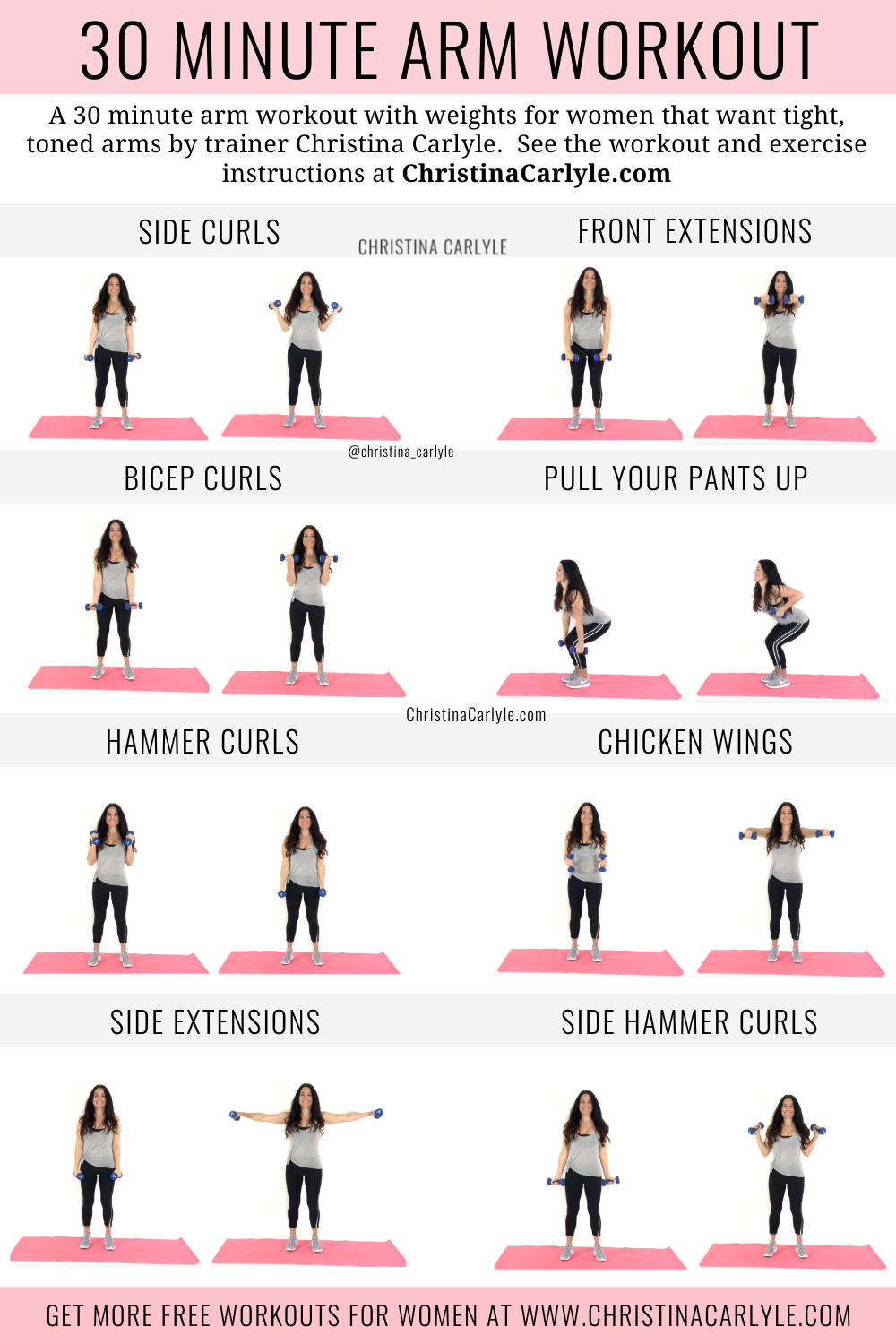
Credit: karapin.com
Stretching And Cool Down
Effective arm workouts at home require proper stretching and cooling down. Stretching prevents injury and boosts flexibility, while cooling down helps muscles recover and reduces soreness.
Stretching and cooling down are key parts of any arm workout. They help prevent injuries and improve flexibility. Stretching relaxes tight muscles. Cooling down lowers your heart rate gradually. Both are crucial for recovery and long-term health.Static Stretches
Static stretches are effective after an arm workout. Hold each stretch for 15-30 seconds. This helps your muscles relax and lengthen. Try a tricep stretch. Raise one arm above your head. Bend the elbow so your hand touches your back. Use the other hand to gently pull the elbow. Feel the stretch in your tricep. Switch arms and repeat. Another effective stretch is the wrist stretch. Extend one arm in front of you. Use the other hand to gently pull back on the fingers. Feel the stretch in your forearm. Hold and switch hands.Relaxation Techniques
Relaxation techniques help calm your body after exercise. Deep breathing is a simple method. Inhale deeply through your nose. Exhale slowly through your mouth. This helps reduce stress and tension. You can also try progressive muscle relaxation. Focus on each muscle group. Tense the muscles, then relax them. Start with your arms. This technique releases tension built up during your workout. It’s an effective way to end your exercise session.Creating A Weekly Schedule
Creating a weekly schedule helps you stay consistent with arm workouts at home. Focus on exercises like push-ups, tricep dips, and bicep curls, utilizing household items or resistance bands. Adjust your routine to fit your progress and ensure balanced muscle development.
Creating a weekly schedule for your arm workouts at home is a powerful way to ensure consistency and progress. Without a structured plan, it’s easy to skip sessions or lose track of your goals. Imagine having a roadmap that guides you through each day, balancing the need for intensity with the necessity of recovery. With a well-crafted schedule, you can maximize your results while enjoying the journey.Balancing Intensity And Recovery
To effectively balance intensity and recovery, consider alternating between high-intensity and moderate workouts. This approach prevents burnout and allows muscles to heal, promoting growth. For instance, you might start your week with a challenging workout focusing on bicep curls and tricep dips. Follow it up with lighter exercises like resistance band stretches mid-week to give your arms a chance to recuperate. Listen to your body. If you feel soreness or fatigue, it might be a sign to incorporate more recovery time or gentle stretching. Remember, recovery is just as crucial as the workout itself.Tracking Progress
Tracking progress keeps you motivated and helps identify areas for improvement. Simple tools like a journal or a digital app can be invaluable. Record details such as reps, sets, and weights used. Imagine looking back at your logs after a month and seeing how far you’ve come. It’s a tangible reminder of your dedication and growth. Consider setting weekly goals, like increasing your reps or trying a new exercise. This keeps your routine fresh and challenging. How do you measure your success? Tracking progress might be the key to unlocking your potential.Common Mistakes To Avoid
Skipping warm-ups leads to injury risks. Using improper form reduces effectiveness. Overtraining can cause fatigue and setbacks.
Working out arms at home can be effective and convenient. Yet, many make mistakes that hinder progress. Understanding these mistakes can improve your workout and prevent injuries.Overtraining
Overtraining happens when you exercise too much without rest. Muscles need time to recover and grow. Pushing them too hard can lead to fatigue and injury. It’s crucial to balance workouts with rest days. Listen to your body and adjust your routine accordingly. Don’t feel pressured to work out every day.Poor Form
Poor form is a common mistake in home workouts. Proper technique ensures you target the right muscles. Using incorrect form can lead to injuries. It’s important to focus on slow, controlled movements. Watch online tutorials to see the correct form. Use mirrors to check your posture and alignment.Nutrition For Muscle Growth
Building stronger arms requires more than just lifting weights; it’s about nourishing your body effectively. Your diet plays a crucial role in muscle development and recovery. Ensuring you’re consuming the right nutrients will significantly enhance your home workout results.
Protein Intake
Protein is the building block for muscle growth. To maximize your gains, aim for a daily intake tailored to your body weight and activity level. Many fitness enthusiasts follow the rule of consuming 1 gram of protein per pound of body weight. You can get your protein from various sources:
- Lean meats like chicken and turkey
- Plant-based options such as lentils and chickpeas
- Dairy products like Greek yogurt and cottage cheese
Have you considered protein shakes? They’re a convenient way to meet your daily needs, especially after a workout when your muscles are primed for recovery.
Hydration Tips
Staying hydrated is often overlooked, yet it’s vital for muscle function and growth. Water aids in nutrient transport and helps you maintain energy levels during intense workouts. Are you drinking enough?
- Start your day with a glass of water to kickstart hydration.
- Carry a water bottle during your workouts; sipping regularly keeps you refreshed.
- Consider adding electrolytes if you’re sweating heavily to replenish lost minerals.
Remember, thirst is not a reliable indicator of hydration. Make it a habit to drink consistently throughout the day to support your muscle-building efforts.
Frequently Asked Questions
How Can I Tone My Arms At Home?
You can tone your arms at home using simple exercises like push-ups, dips, and resistance band workouts. These exercises target triceps, biceps, and shoulders effectively. Consistency and proper form are key. Include a balanced diet and regular rest to enhance muscle recovery and growth.
What Equipment Do I Need For Arm Workouts?
You don’t need fancy equipment for arm workouts at home. Basic items like resistance bands, dumbbells, or even household objects like water bottles can be used. These tools are versatile and effective for strengthening and toning your arms without a gym membership.
Can Bodyweight Exercises Build Arm Muscles?
Yes, bodyweight exercises can effectively build arm muscles. Push-ups, dips, and planks utilize your body weight for resistance. They engage multiple muscle groups, promoting strength and endurance. Consistent practice with proper technique ensures muscle growth without additional equipment.
How Often Should I Workout My Arms?
Working out your arms 2-3 times a week is ideal. This frequency allows for muscle growth and recovery. Avoid overtraining by ensuring rest days between arm workouts. Listen to your body to prevent strain and ensure balanced development alongside other muscle groups.
Conclusion
Achieving strong arms at home is simple and effective. Use household items like water bottles or resistance bands. Focus on consistency. Mix exercises like push-ups, tricep dips, and curls. Keep form correct to avoid injury. Listen to your body and rest when needed.
Remember, progress takes time. Stay motivated and track improvements. Celebrate small victories. Regular workouts boost confidence and strength. No gym required. Enjoy the journey to stronger arms. You have all you need right at home.