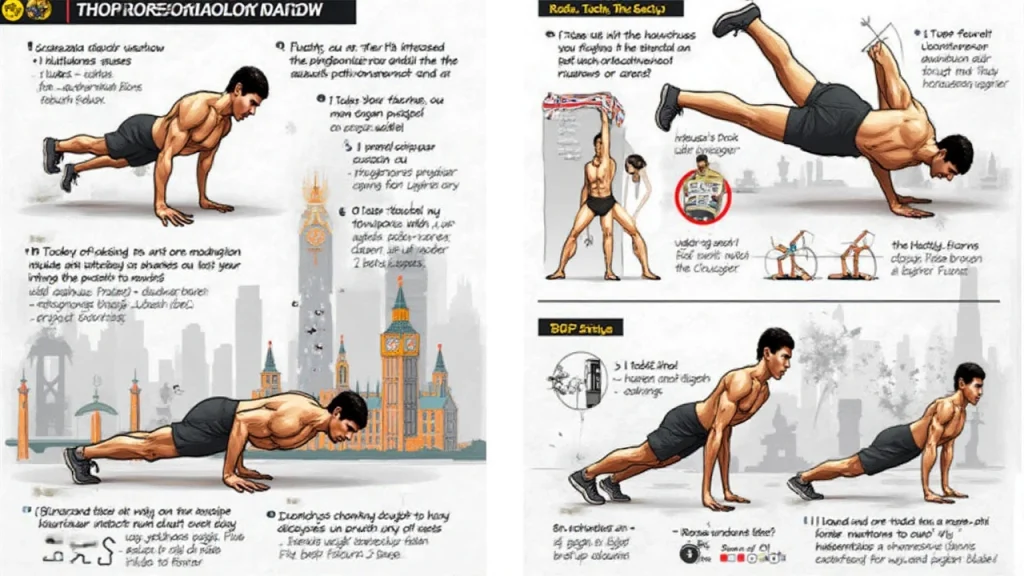
Are you looking to build muscle without spending hours at the gym or investing in expensive equipment? If so, you’re in the right place.
Push-ups, a simple yet effective exercise, might just be your answer. But can they really help you build muscle? Let’s dive into why push-ups are more than just a basic exercise and how they can transform your fitness routine. You’ll discover how incorporating push-ups into your daily regimen could lead to impressive muscle gains, boost your strength, and redefine your body.
Don’t miss out on unlocking the potential of this classic move — read on to find out how push-ups can power up your muscle-building journey.

Credit: www.instagram.com
Benefits Of Push Ups
Push ups are excellent for building muscle strength. They engage various muscles in the arms, chest, and core. Regular practice enhances muscle endurance and promotes overall fitness.
Push-ups are a staple in many workout routines, and for good reason. They offer a myriad of benefits that can boost your fitness journey and help you achieve your muscle-building goals. Whether you’re a beginner or a seasoned athlete, incorporating push-ups into your workout can lead to noticeable improvements in strength, endurance, and overall body composition. Let’s delve into some of the specific benefits push-ups can offer.Enhances Upper Body Strength
Push-ups primarily target your chest, shoulders, and triceps, effectively building strength in these areas. As you lower and lift your body, these muscles work hard to support your weight, leading to increased muscle mass and endurance over time. Regular push-ups can help you lift heavier weights and perform better in other upper body exercises.Improves Core Stability
While push-ups are often thought of as an upper body exercise, they also engage your core muscles significantly. Keeping your body straight and stable during push-ups requires a strong core, which can lead to improved posture and balance. You might notice that your abs become more defined as your core strength increases.Supports Cardiovascular Health
Push-ups can be an effective cardiovascular workout if done at a high intensity. Performing them rapidly can raise your heart rate, improving circulation and boosting heart health. Consider setting a timer and doing as many push-ups as you can within a minute to get both strength and cardio benefits.Convenience And Versatility
One of the greatest benefits of push-ups is their convenience. You don’t need any equipment, and they can be done virtually anywhere. Whether you’re at home, in the park, or traveling, push-ups are a reliable exercise option. Challenge yourself by trying variations like incline, decline, or diamond push-ups to target different muscle groups.Boosts Mental Discipline
Push-ups require determination and focus, especially when you’re pushing through fatigue. Completing a set of push-ups can give you a sense of accomplishment and boost your mental resilience. Have you ever felt that rush of endorphins after pushing past your perceived limits? That’s your body rewarding you for your hard work.Promotes Functional Fitness
Push-ups mimic real-life movements, making them an excellent functional exercise. They prepare your muscles for daily activities like lifting, pushing, and pulling. With consistent practice, you’ll likely find that everyday tasks become easier and your overall functional strength improves. Feeling inspired to drop and give yourself 20? Remember, every push-up brings you one step closer to your muscle-building goals.Credit: medium.com
Muscle Groups Targeted
Push-ups are a powerhouse exercise that targets multiple muscle groups simultaneously, making them an essential part of any strength-building routine. Whether you’re a beginner or a seasoned athlete, understanding the specific muscles engaged during push-ups can help you optimize your workouts and achieve more defined results. Let’s dive into the muscle groups that are activated and strengthened during push-ups.
Chest Muscles
The primary focus of push-ups is on the pectoral muscles, commonly known as the chest muscles. As you lower and lift your body, these muscles contract, providing strength and definition to your upper body. For a noticeable impact, try varying your hand placement; wider positions emphasize the outer chest, while narrower positions target the inner chest.
Triceps
Your triceps, located at the back of your upper arms, play a crucial role in push-ups. As you push your body upwards, these muscles extend your elbows, contributing to arm strength and endurance. You might notice that the more push-ups you do, the more sculpted your triceps become. Have you ever wondered how those fitness enthusiasts achieve those toned arms? Push-ups are a big part of the answer.
Shoulders
Push-ups are not just about the chest and arms; your shoulders also get a significant workout. The deltoids stabilize your body during the exercise, helping you maintain proper form and balance. Regular push-ups can lead to stronger, more defined shoulders, enhancing your overall upper body appearance. Are you ready to see your shoulders transform?
Core Muscles
Engaging your core during push-ups is essential for maintaining stability and proper form. The rectus abdominis and obliques work hard to keep your body straight and supported. A strong core not only improves your push-up performance but also enhances your posture and overall fitness. Next time you do push-ups, focus on tightening your core. Feel the difference?
Types Of Push Ups
Push-ups are more than just a basic exercise. They offer a myriad of variations that target different muscle groups and challenge your body in unique ways. Whether you’re a beginner or a seasoned athlete, understanding the types of push-ups can enhance your workouts and help build muscle more effectively. Let’s dive into some popular variations that can take your push-up game to the next level.
Standard Push Ups
The Standard Push Up is the classic form we all know. It targets the chest, triceps, and shoulders. Keep your body straight, hands shoulder-width apart, and lower yourself until your chest is just above the ground. This basic form is great for overall upper body strength.
Wide-grip Push Ups
Wide-Grip Push Ups focus more on the chest muscles. Place your hands wider than shoulder-width apart. This variation not only challenges your upper body but also improves your balance. Perfect for those wanting to enhance their chest definition.
Diamond Push Ups
Diamond Push Ups, or tricep push-ups, require you to place your hands close together, forming a diamond shape with your fingers. This targets the triceps more intensely. If you’re looking to sculpt those arms, this is your go-to move.
Decline Push Ups
In Decline Push Ups, your feet are elevated on a bench or step. This variation shifts the focus to your upper chest and shoulders. It’s a bit more challenging but worth the effort for a well-rounded upper body workout.
Plyometric Push Ups
Plyometric Push Ups are explosive and great for building power. Push off the ground with enough force for your hands to leave the surface. They’re fantastic for enhancing athletic performance and adding an exciting twist to your routine.
Which type of push-up will you try today? Mix them up to keep your muscles guessing and your workouts exciting!

Credit: www.youtube.com
Push Ups For Muscle Growth
Push-ups are a staple in the fitness world, often underestimated in their potential to build muscle. If you’ve ever wondered how such a simple exercise can transform your physique, you’re not alone. The secret lies in how you approach the push-up. By focusing on technique, repetition, and variation, you can unlock a powerful tool for muscle growth. So, how can you maximize muscle gains from push-ups?
Progressive Overload
To build muscle effectively, progressive overload is key. This means gradually increasing the stress you place on your muscles. Start with a number of push-ups that challenge you, but allow you to maintain proper form. Once these become easy, add more reps or try harder variations. Remember, the goal is to push your limits every session, encouraging your muscles to grow stronger.
Repetition And Sets
The number of repetitions and sets plays a crucial role in muscle growth. For beginners, aim for 3 sets of 10-15 repetitions. As you get stronger, increase the reps or add another set. Listening to your body is essential; find a balance between challenging yourself and avoiding overexertion. If you’re aiming for endurance, higher reps with shorter rest periods will help. For strength, fewer reps with more rest can be beneficial.
Incorporating Variations
Sticking to basic push-ups can limit your progress. Incorporate variations to target different muscle groups and keep your routine exciting. Try wide-grip push-ups for chest activation, or diamond push-ups to focus on your triceps. Elevate your feet to make the exercise more challenging and involve your shoulders. Each variation offers a unique challenge, keeping your muscles guessing and growing.
Incorporating Push Ups Into Routine
Push-ups are a simple exercise that can help build muscle strength. This bodyweight move targets chest, shoulders, and triceps. Regular practice can improve overall muscle tone and endurance.
Incorporating push-ups into your workout routine can be a game changer for building muscle. This exercise is versatile, requiring no equipment and can be done anywhere. With push-ups, you engage multiple muscle groups, enhancing strength and endurance. But how do you effectively integrate them into your workout plan? Let’s explore some strategies.Balancing With Other Exercises
Push-ups are fantastic for upper body strength, but achieving balanced muscle growth requires a mix of exercises. Consider pairing push-ups with squats or lunges to target your lower body. Adding planks can boost core stability, complementing the strength gains from push-ups. Are you including exercises that focus on different muscle groups in your routine?Creating A Workout Plan
Designing a workout plan with push-ups at the core can be simple yet effective. Start by setting a realistic goal, like increasing your push-up count each week. Mix up the types of push-ups—standard, wide, and diamond—to keep your muscles guessing. How about dedicating specific days to upper body workouts, incorporating push-ups along with other exercises?Rest And Recovery
Muscle building isn’t just about exercise; recovery plays a crucial role. Ensure you have rest days in your schedule to allow muscle repair and growth. Listen to your body; if you’re feeling fatigued, it might be time to ease up or adjust your plan. Is your current routine giving you enough downtime for recovery?Common Mistakes
Push-ups are a fantastic exercise for building muscle, but it’s easy to make mistakes that can hinder your progress. By identifying and correcting these common errors, you can ensure that your efforts are both safe and effective. Let’s dive into some frequent pitfalls and how to avoid them.
Improper Form
One of the biggest mistakes people make with push-ups is using improper form. When your body isn’t aligned correctly, not only do you risk injury, but you also miss out on the full benefits of the exercise. Ensure your hands are shoulder-width apart, your body forms a straight line from head to heels, and your elbows are close to your body as you lower down.
Consider recording yourself or using a mirror to check your form. It can be surprising to see how small tweaks can make a big difference. Remember, quality over quantity is key.
Overtraining
Overtraining is another common mistake when it comes to push-ups. It’s tempting to do them every day, especially when you’re on a roll. However, muscles grow during rest, not while you’re working out.
Give your muscles time to repair and grow by incorporating rest days into your routine. A good rule of thumb is to listen to your body—if you’re feeling fatigued and sore, it might be time to take a break.
Ignoring Core Engagement
Often overlooked, core engagement is crucial when performing push-ups. Your core should be tight and active, supporting your entire body throughout the movement. This not only helps with balance and stability but also boosts overall muscle development.
Next time you do push-ups, focus on keeping your abs tight as if preparing for a punch. You’ll notice an increased challenge and effectiveness in the exercise. Is your core as engaged as it should be?
Nutrition And Push Ups
Nutrition plays a vital role in muscle building. Push-ups are a great exercise for building muscle strength. But proper nutrition enhances the benefits of this workout. Understanding what to eat and drink is essential for effective muscle gain.
Protein Intake
Protein is crucial for muscle repair and growth. It helps rebuild muscle fibers after push-ups. Include protein-rich foods like chicken, fish, eggs, and beans in your diet. Consuming enough protein supports muscle development and boosts strength.
Hydration
Staying hydrated is important for muscle performance. Water helps transport nutrients to muscles. It aids in removing waste products from the body. Drink plenty of water before, during, and after workouts. Proper hydration keeps muscles energized and helps prevent cramps.
Energy And Recovery
Energy levels affect workout performance. Carbohydrates provide the fuel needed for push-ups. Include whole grains, fruits, and vegetables in your meals. They give you the energy to push through your sets. Recovery is also essential. After workouts, rest and refuel your body. Recovery time allows muscles to repair and grow stronger.
Tracking Progress
Building muscle with push-ups requires consistency and proper technique. Regular practice increases strength and develops muscle mass effectively.
Tracking progress in your push-up journey can be incredibly motivating and informative. It’s not just about counting reps; it’s about understanding how your body is changing and adapting. By keeping an eye on your progress, you can make informed decisions to enhance your muscle-building routine.Setting Goals
Start with clear, achievable goals. Do you want to increase your push-up count, improve form, or build specific muscle groups? Set a timeline for your goals to keep yourself accountable. Writing down your goals can help solidify your commitment and give you a tangible target to work towards.Monitoring Improvements
Keep a workout journal or use a fitness app to track your push-up performance. Record the number of reps, sets, and any changes in technique. Notice how your body responds. Are your muscles less sore after workouts, or are you able to do more push-ups each week? Regularly reviewing your progress can highlight areas of improvement and motivate you to push harder.Adjusting Techniques
Sometimes, progress plateaus, and that’s okay. It might be time to tweak your technique. Experiment with different push-up variations to target different muscles. For instance, try incline or decline push-ups for a new challenge. Ask yourself: Are you engaging your core, keeping elbows tucked, and maintaining a straight back? Small adjustments can lead to big improvements in muscle gain. Tracking your push-up progress is a journey in itself. Celebrate small victories and learn from each workout. Are you ready to see how far you can go?Frequently Asked Questions
Do Push Ups Build Chest Muscles?
Yes, push ups are effective for building chest muscles. They target the pectoral muscles, enhancing size and strength. Consistent practice can lead to noticeable gains. For best results, incorporate variations and maintain proper form. Push ups also engage triceps and shoulders, offering a comprehensive upper body workout.
How Many Push Ups Should I Do Daily?
The number depends on your fitness level. Beginners might start with 10-15 push ups. As you progress, aim for 20-30. Advanced individuals can target 50 or more. It’s essential to listen to your body and avoid overtraining. Gradually increase reps for sustained muscle growth and strength.
Are Push Ups Alone Enough For Muscle Gain?
Push ups alone can build muscle, but variety boosts results. Combine with other exercises like squats, lunges, and pull-ups. This ensures balanced muscle development and prevents plateaus. Additionally, proper nutrition and rest are crucial for muscle growth. Diversifying workouts enhances overall strength and fitness.
What Push Up Variations Build More Muscle?
Different variations target various muscles. Try decline push ups for upper chest, and diamond push ups for triceps. Wide-grip push ups engage more chest muscles. Incorporating these variations challenges your body differently. This results in better muscle growth and strength.
Always maintain proper form for effectiveness.
Conclusion
Push-ups can help build muscle effectively. They’re simple and require no equipment. Consistent practice strengthens your chest, arms, and shoulders. Remember to maintain proper form for the best results. It’s important to challenge your body by increasing reps over time.
Combine push-ups with a balanced diet and rest. This will support muscle growth and recovery. Don’t forget to mix in other exercises for balanced fitness. Make push-ups part of your routine and see the benefits. Keep pushing forward and enjoy your progress.
Your body will thank you!