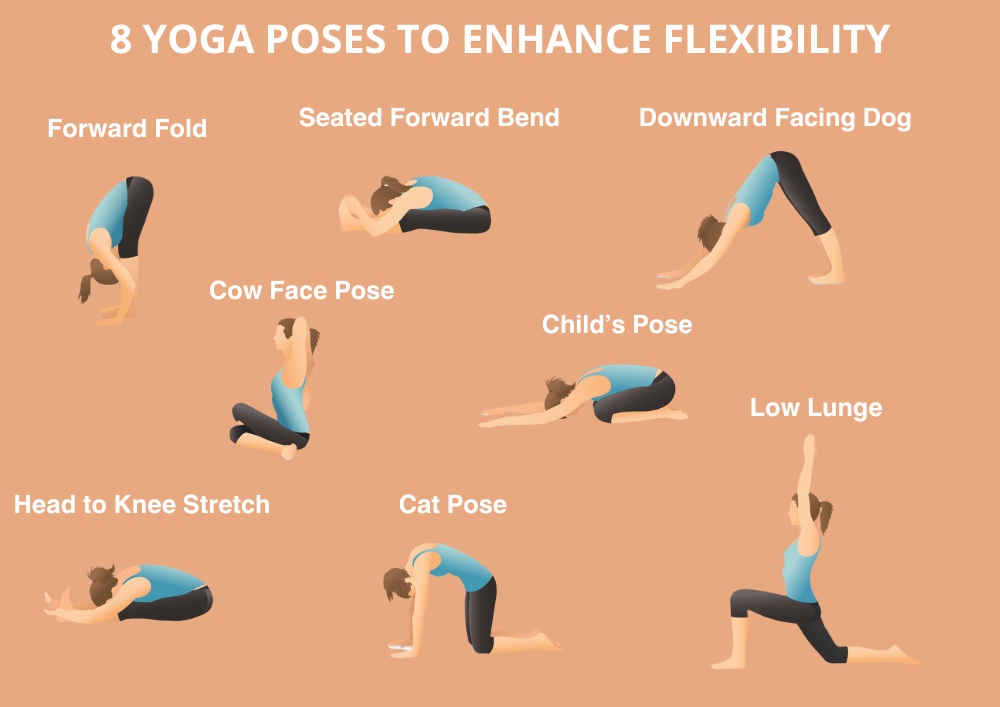
Imagine transforming your yoga practice into a graceful flow of movement, where each pose feels natural and effortless. Flexibility is the key to unlocking this potential.
Whether you’re a seasoned yogi or just starting out, enhancing your body’s flexibility can elevate your practice to new heights. You may be wondering how to make your body more flexible for yoga. The answer is simpler than you might think.
By incorporating a few targeted exercises, stretches, and habits into your daily routine, you can gradually increase your flexibility and enjoy a more rewarding yoga experience. This article will guide you step-by-step, offering practical tips and insights that you can start using today. So, are you ready to stretch your limits and dive deeper into your yoga journey? Let’s get started!
Benefits Of Flexibility In Yoga
Enhancing flexibility in yoga improves posture and reduces injury risks. Stretch regularly, focusing on tight areas like hips and hamstrings. Incorporate dynamic movements to gradually increase range of motion and promote muscle elasticity.
Flexibility in yoga is more than just being able to perform impressive poses; it’s about enhancing your overall well-being. When you become more flexible, you not only improve your physical range of motion but also cultivate mental resilience and emotional balance. This adaptability can transform your yoga practice and your daily life.Improved Range Of Motion
Being flexible allows you to move freely and comfortably, whether you’re reaching for something on a high shelf or bending down to tie your shoes. In yoga, improved range of motion means you can transition between poses smoothly, reducing the risk of injury. Imagine the ease of moving into challenging poses with less strain. This can make your practice more enjoyable and less painful.Enhanced Muscle Strength
Flexibility doesn’t mean sacrificing strength. In fact, as you stretch and lengthen muscles during yoga, you’re also building strength. When you hold a pose, you’re engaging muscles and improving endurance. This dual benefit is why yoga practitioners often have toned and strong bodies. Think about the empowering feeling of holding a pose longer, knowing your muscles are supporting you.Better Posture
Good posture is a direct result of flexibility. As you become more flexible, your muscles can support your spine better, leading to improved posture. With better posture, you can avoid back pain and tension headaches. Consider how standing tall and aligned can boost your confidence in everyday interactions.Reduced Stress Levels
Flexibility in your body can lead to flexibility in your mind. Stretching during yoga releases tension, which helps reduce stress levels. When your body feels relaxed, your mind follows suit. How often do you find your thoughts more organized after a good stretch session? This mental clarity can enhance your focus and productivity.Improved Circulation
When you stretch, you encourage better blood flow throughout your body. Improved circulation can lead to more energy and a healthier heart. Picture how invigorating it feels when your body is buzzing with vitality after a yoga session. This increased circulation can support your body’s natural healing processes, leaving you feeling rejuvenated. Flexibility in yoga is a journey that offers numerous benefits, both physically and mentally. As you become more flexible, you’re not just enhancing your yoga practice; you’re enriching your life. So, why not prioritize flexibility and experience these benefits firsthand?Essential Warm-up Exercises
Yoga demands flexibility and strength. Essential warm-up exercises prepare your body for this. They reduce injury risks and enhance performance. Proper warm-ups improve muscle elasticity and joint mobility. This section covers dynamic stretching techniques and joint mobility routines. Dive into these exercises for a more flexible body.
Dynamic Stretching Techniques
Dynamic stretching is active movement. It warms up muscles and improves flexibility. Try leg swings. Stand straight. Swing one leg forward and backward. Repeat for 10 times. Then switch legs. Arm circles help shoulders. Extend arms. Move them in small circles. Gradually increase circle size. Do 15 circles forward and 15 backward.
Hip circles loosen hips. Stand with feet hip-width apart. Place hands on hips. Move hips in a circular motion. Complete 10 circles clockwise and counterclockwise. High knees boost heart rate. Stand tall. Lift knees to chest in a marching motion. Perform for 30 seconds. These exercises prepare your body effectively.
Joint Mobility Routines
Joint mobility routines ease stiffness. They improve range of motion. Start with neck rotations. Sit or stand comfortably. Slowly rotate your neck in circles. Complete 5 rotations clockwise and counterclockwise. Wrist circles enhance wrist flexibility. Extend arms straight. Rotate wrists in circles. Do 10 rotations in each direction.
Ankle circles are vital. Stand or sit. Extend one leg. Rotate the ankle in circles. Perform 10 circles clockwise and counterclockwise. Shoulder shrugs ease tension. Stand with feet shoulder-width apart. Raise shoulders towards ears. Hold for a moment. Relax and repeat 10 times. These routines enhance joint mobility.
Stretching Techniques For Flexibility
Enhancing flexibility for yoga involves practicing various stretching techniques regularly. Focus on dynamic stretches like leg swings and arm circles to warm up muscles. Incorporate static stretches such as seated forward bends and butterfly poses to gradually increase flexibility. Consistency and proper breathing during stretches are key to achieving a more flexible body.
Stretching Techniques for Flexibility Flexibility is the cornerstone of a satisfying yoga practice. Whether you’re a seasoned yogi or just starting out, enhancing your body’s flexibility can make your sessions more rewarding. The right stretching techniques can pave the way to progress. Are you ready to dive into some effective methods?Static Stretching
Static stretching involves holding a stretch for a set period, typically between 15 to 60 seconds. This technique is perfect for gradually lengthening muscles and increasing flexibility over time. Try incorporating stretches like the seated forward bend or butterfly pose at the end of your yoga practice to cool down and relax your muscles. Consistency is key here. Do you remember the last time you felt your muscles truly unwind? Regular static stretching can help you reach that blissful state more often.Pnf Stretching
Proprioceptive Neuromuscular Facilitation (PNF) stretching is a bit more advanced. It combines passive stretching and isometric contractions to enhance flexibility. In simpler terms, you stretch a muscle, contract it without movement, then stretch it further. Have you ever tried a partner-assisted stretch? This technique often involves a partner, but it can also be done solo using resistance bands. Start with a gentle stretch of the hamstring or shoulder, hold the contraction, then ease into a deeper stretch. PNF stretching is powerful, but don’t overdo it. Listen to your body and ensure you’re not pushing past your limits. Each method offers a unique path to flexibility. Which one will you try first?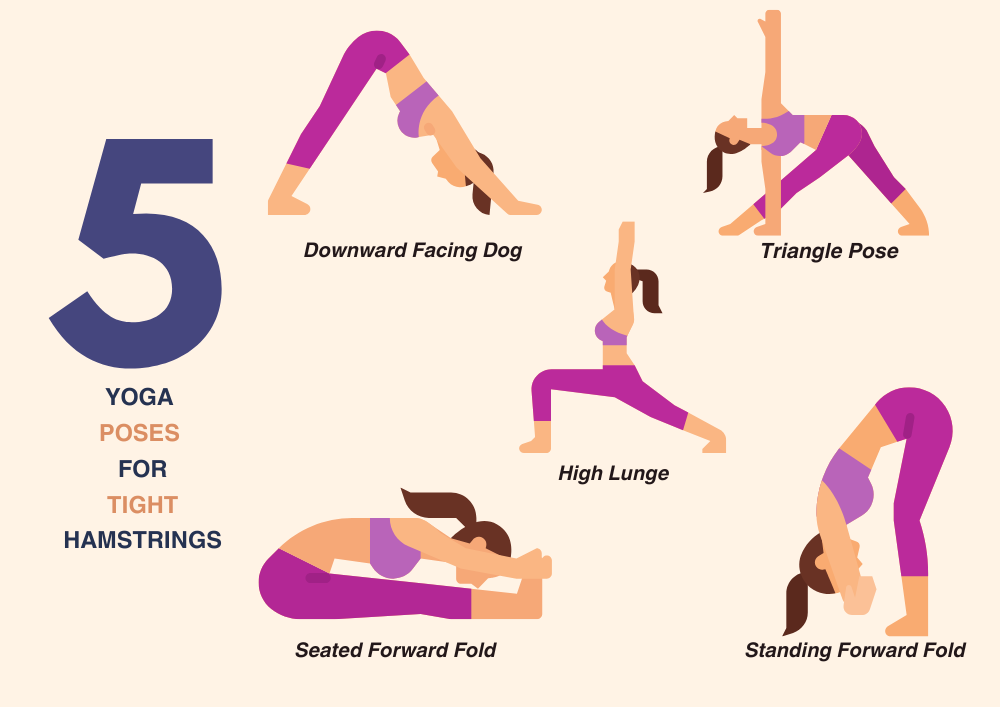
Credit: myyogateacher.com
Incorporating Strength Training
Strength training enhances flexibility, aiding yoga practice. It strengthens muscles, supporting deeper stretches and better balance. Regular sessions improve overall body movement, complementing yoga routines effectively.
Flexibility is often the goal of many yoga practitioners, but did you know that incorporating strength training can significantly enhance your flexibility journey? Strength training isn’t just for building muscle and burning fat; it also plays a critical role in improving your range of motion. By integrating strength exercises into your routine, you help balance your body, enhance joint stability, and support your flexibility efforts more effectively.Core Strengthening Exercises
Your core is the powerhouse of your body, influencing your balance and stability. Strengthening your core can improve your yoga practice by providing the support needed for more challenging poses. – Planks: Start with holding a plank for 30 seconds, gradually increasing the duration. This exercise engages your entire core, building endurance and strength. – Russian Twists: Sit on the floor, lean back slightly, lift your feet, and twist your torso. This exercise not only strengthens your core but also enhances your oblique muscles. – Leg Raises: Lie on your back, lift your legs without bending your knees. This simple movement effectively targets your lower abdominal muscles. Core strengthening exercises are not just about building abs. They contribute to better posture and help you achieve greater flexibility in yoga.Resistance Training Benefits
You might wonder how resistance training can benefit your flexibility. Resistance bands and weights can be a game-changer in your yoga routine. – Resistance bands can help you go deeper into stretches without risking injury. They provide just the right amount of tension to improve muscle elasticity. – Using light weights can enhance muscle activation, supporting your joints and making it easier to hold poses longer. – Resistance training can prevent muscle imbalances, a common issue that can hinder flexibility. Have you ever hit a plateau in your flexibility journey? Introducing resistance training might be the key to breaking through. By building strength, you increase your muscle’s ability to stretch, which complements your yoga practice beautifully. Strength training is not just a supplement to yoga; it’s an integral part of enhancing your overall flexibility and performance. Have you tried adding strength training to your yoga practice? If not, it might be time to roll out your mat and give it a shot.Breathing Techniques For Relaxation
Breathing deeply calms the mind and body. It helps you relax and improves flexibility. In yoga, breathing connects movement with mindfulness. This connection makes each pose more effective. Consistent practice of breathing techniques can enhance your yoga experience.
Diaphragmatic Breathing
Diaphragmatic breathing is simple yet powerful. It promotes relaxation by engaging the diaphragm fully. Begin by sitting comfortably with a straight back. Place one hand on your chest and the other on your abdomen. Inhale deeply through your nose, feeling your abdomen rise. Your chest should remain still. Exhale slowly through your mouth, noticing your abdomen fall. Repeat for several minutes, focusing on the rhythm. This technique soothes the nervous system and reduces tension.
Alternate Nostril Breathing
Alternate nostril breathing balances energy and calms the mind. Sit in a comfortable position with your spine straight. Use your right thumb to close your right nostril. Inhale deeply through your left nostril. Close your left nostril with your ring finger. Release your thumb and exhale through your right nostril. Inhale through the right nostril. Close it with your thumb. Release the left nostril and exhale. This completes one cycle. Practice for several cycles, keeping your breath smooth and steady.
Consistency And Progress Tracking
Consistency in yoga practice enhances flexibility over time. Progress tracking helps identify areas needing more focus, ensuring steady improvement. Keep a journal to record each session’s achievements and challenges.
Consistency is the key to improving flexibility for yoga. It’s not about pushing your limits daily but making small, steady progress. Regular practice helps muscles adapt and stretch gradually. Tracking your progress can motivate you and show how far you’ve come.Setting Realistic Goals
Setting achievable goals is crucial for flexibility improvement. Start with simple targets like touching your toes or holding a stretch longer. Write down your goals to stay focused. Adjust them as your flexibility increases. This keeps you motivated and prevents frustration.Keeping A Flexibility Journal
A flexibility journal is a helpful tool in tracking progress. Note the stretches you do and how they feel. Record any improvements or challenges. Use this journal to reflect on your journey. This helps you see patterns and areas needing more attention. Regularly review your entries to stay motivated. Celebrate small victories to boost your confidence. A journal makes your progress visible and rewarding.Common Mistakes To Avoid
Improving flexibility for yoga can be a rewarding journey, but it’s easy to stumble if you’re unaware of the common mistakes. Missteps can not only slow progress but may lead to discomfort or injury. Let’s dive into some pitfalls to avoid so you can enhance your practice safely and effectively.
Overstretching Risks
One common mistake is pushing your body beyond its limits. It’s tempting to strive for those impressive poses seen on social media, but attempting them without proper preparation can lead to serious injury. Instead, focus on gradual improvement. Remember, flexibility is a journey, not a race.
Consider this: A friend pushed through pain during a deep stretch only to face a pulled muscle, setting back her progress. The key is respecting your body’s current state and working within those boundaries. Achieving flexibility is about patience and consistency, not force.
Ignoring Body Signals
Your body communicates through sensations, and ignoring these signals is a common misstep. Pain is a clear indicator that something isn’t right, yet some might dismiss it in the pursuit of flexibility. Always listen to what your body is telling you. If a stretch feels painful, ease up.
Reflect on this: Have you ever felt a sharp twinge during a stretch but continued anyway? This is your body’s way of saying, “stop.” Embrace the signals as guidance to adjust and refine your practice. Your body knows its limits; respect them to foster safer progress.
Yoga Poses To Enhance Flexibility
Practicing yoga poses regularly helps improve flexibility. Poses like Downward Dog and Cat-Cow stretch muscles gently. Building flexibility makes yoga practice more enjoyable and effective.
Yoga Poses to Enhance Flexibility Enhancing flexibility is a journey, not a destination. Yoga offers a variety of poses that can help you stretch, strengthen, and ultimately become more limber. Whether you’re a beginner or a seasoned yogi, incorporating specific poses into your routine can significantly improve your flexibility over time.Forward Bends
Forward bends are an excellent way to stretch your hamstrings and lower back. Poses like Standing Forward Bend (Uttanasana) and Seated Forward Bend (Paschimottanasana) encourage the spine to lengthen and relax. You might feel tightness initially, but with regular practice, you’ll notice increased range and ease. Try holding the pose for a few breaths, allowing gravity to assist in the stretch. What do you notice in your body as you breathe deeply and fold forward?Hip Openers
Hip openers release tension and improve mobility in your hips, which is vital for many yoga poses. Pigeon Pose (Eka Pada Rajakapotasana) and Lizard Pose (Utthan Pristhasana) are particularly effective. These poses can be intense, so it’s important to listen to your body and ease into them. As you practice, observe how your hips respond and adapt. Can you sense the release and openness growing with each session? Regularly practicing these poses can transform your yoga practice and enhance your overall flexibility. Remember, flexibility is not about reaching a perfect pose but enjoying the process of progress.Diet And Hydration Tips
Stay hydrated by drinking plenty of water throughout the day. Eat a balanced diet rich in fruits and vegetables. These help maintain muscle flexibility and support your yoga practice.
Diet plays a crucial role in enhancing flexibility for yoga. A well-balanced diet fuels your body and aids recovery. Proper hydration ensures your muscles remain supple and reduces the risk of injury. Let’s explore some essential tips for nutrition and hydration.Nutritional Support For Flexibility
Certain foods can help improve your flexibility. Include foods rich in omega-3 fatty acids. These are great for reducing inflammation. Think salmon, walnuts, and chia seeds. Vitamin C-rich foods support collagen production. This keeps your joints healthy. Oranges, strawberries, and bell peppers are excellent choices. Magnesium helps muscles relax and contract properly. Find it in spinach, almonds, and black beans. Protein is crucial for muscle repair. Opt for lean proteins such as chicken or tofu. A varied diet ensures you’re getting all the nutrients needed. Remember, balance is key. Avoid processed foods and excessive sugar. They may cause inflammation and stiffness.Importance Of Staying Hydrated
Water is vital for muscle function. It keeps your tissues lubricated. Proper hydration aids in nutrient transport throughout your body. Dehydrated muscles can become tight and prone to injury. Drink water consistently throughout the day. Aim for at least 8-10 cups daily. Electrolytes are also important. They maintain fluid balance and muscle function. Consider coconut water or sports drinks for added electrolytes. Listen to your body. If you’re thirsty, drink up. Herbal teas or infused water can make hydration enjoyable. Limit caffeine and alcohol, as they can dehydrate you. Incorporating these diet and hydration tips will support your flexibility journey. Your body will thank you with improved performance and reduced injury risk.
Credit: www.youtube.com
Using Props And Accessories
Enhancing flexibility for yoga can be easier with props and accessories. These tools provide support, making poses more achievable. They also help maintain correct alignment and prevent injuries. Incorporating props into your practice can lead to a more fulfilling yoga experience.
Benefits Of Yoga Blocks
Yoga blocks are versatile and user-friendly. They help extend reach when flexibility is limited. Using blocks can make challenging poses accessible. They support balance and stability. Blocks also assist in maintaining proper posture. This reduces strain and enhances comfort.
Using Straps For Support
Yoga straps are essential for increasing flexibility. They help deepen stretches safely. Straps support alignment during difficult poses. They prevent overstretching and potential injuries. Using straps can gradually improve flexibility. Over time, they aid in enhancing range of motion.

Credit: www.youtube.com
Frequently Asked Questions
What Are The Best Stretches For Flexibility?
Incorporate dynamic stretches like leg swings and torso twists. These prepare your body for deeper static poses. Regularly practice yoga postures such as Downward Dog and Pigeon Pose. These improve flexibility over time. Consistency is key for noticeable progress.
How Often Should I Stretch For Flexibility?
To improve flexibility, aim to stretch at least three times a week. Daily practice yields the best results. Consistency enhances muscle elasticity and joint range. Listen to your body and avoid overstretching. Balance rest days with stretching sessions for optimal flexibility gains.
Can Beginners Improve Flexibility Quickly?
Beginners can see flexibility improvements within a few weeks with consistent practice. Start with gentle yoga poses and gradually increase intensity. Focus on breathing and alignment. Patience and persistence are crucial. Each body is different, so progress at your own pace.
Does Yoga Help With Flexibility?
Yes, yoga significantly improves flexibility. It incorporates a variety of poses that target different muscles. Regular practice enhances muscle elasticity and joint mobility. Yoga also promotes balance and strength. This holistic approach supports overall physical wellness.
Conclusion
Building flexibility for yoga requires patience and consistency. Simple stretches make a big difference. Practicing daily helps muscles loosen over time. Listen to your body’s limits. Avoid pushing too hard too quickly. Warm up before starting your routine. Stay hydrated to aid muscle recovery.
Breathing deeply enhances relaxation and flexibility. Set realistic goals to track your progress. Celebrate small achievements along the way. Yoga is a journey, not a race. Enjoy the process and stay committed. With time, your body will thank you.