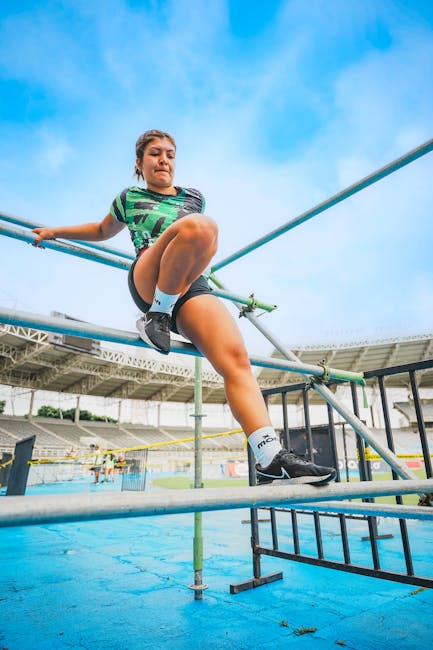
Have you ever wondered why some athletes seem to have a natural edge over others, even when their physical skills are evenly matched? The secret might be in their personality.
Your personality is a powerful driver that influences how you perform under pressure, how you handle victory or defeat, and how you connect with teammates and coaches. You’ll discover the fascinating link between personality traits and sports performance. You’ll see how understanding your own personality can help you unlock your full potential on and off the field.
Get ready to explore how the mind and body work together to create champions. Don’t miss out on learning how your unique traits could be the key to your success in sports.
Personality Traits And Athletic Success
Have you ever wondered why some athletes shine brighter in the spotlight while others quietly excel in their own way? Personality traits can offer intriguing insights into athletic success. These traits shape how athletes approach competition, training, and teamwork, influencing their overall performance.
The Role Of Extroversion And Introversion
Extroverted athletes thrive in social settings, often drawing energy from the crowd and their teammates. They tend to be enthusiastic, which can boost team morale.
Conversely, introverted athletes may excel in individual sports where focus and self-reliance are key. Their ability to concentrate deeply can be an asset in situations requiring precision.
Think about yourself—do you gain energy from others, or do you prefer solitude? This can guide your choice of sport and training environment.
Impact Of Conscientiousness
Highly conscientious athletes are often disciplined and goal-oriented. They commit to rigorous training schedules and pay attention to details, making them reliable team players.
Such athletes often set high standards for themselves, striving for excellence in every performance. This trait can lead to consistent improvements.
Reflect on your own approach—are you meticulous in your preparation, or do you prefer a more relaxed approach?
Emotional Stability In Competitive Environments
Emotional stability enables athletes to maintain composure under pressure. Those who are emotionally stable handle stress and setbacks with resilience.
These athletes often perform well in high-stakes situations, as their ability to stay calm can be a game-changer. They bounce back from failures quickly, learning from each experience.
Consider how you react in tense situations—do you stay cool, or do you let emotions take over? This awareness can help you improve your mental game.
Personality traits offer a fascinating lens through which to view athletic success. Whether you’re an extrovert energizing your team, a conscientious planner, or someone with emotional stability, understanding your personality can enhance your sports performance. Which traits do you see in yourself, and how can they be harnessed for success?

Credit: www.sciencefocus.com
Motivation And Goal Setting
Motivation and goal setting are crucial for athletes aiming to improve. The type of motivation can influence how goals are set and pursued. Understanding this relationship helps athletes tailor strategies for better performance.
Intrinsic Vs. Extrinsic Motivation
Intrinsic motivation comes from within. It includes the love of the sport. It is about personal satisfaction and growth. Athletes driven by intrinsic motivation often enjoy their practices. They see challenges as opportunities to learn.
Extrinsic motivation involves external rewards. Examples are trophies, money, or recognition. This type of motivation can push athletes to perform better. But it might not sustain long-term dedication. Balancing intrinsic and extrinsic factors is key.
Personality-driven Goal Preferences
Personality affects goal setting in sports. Some athletes prefer short-term goals. They focus on immediate results and quick wins. Others set long-term goals. They aim for future achievements and consistent progress.
Risk-takers often set ambitious goals. They enjoy pushing limits and exploring new paths. Conversely, cautious athletes prefer stable and achievable goals. They seek steady improvement and avoid unnecessary risks.
Identifying these preferences helps in personalizing training plans. Coaches can guide athletes based on personality traits. Tailored approaches lead to better engagement and performance. Knowing what motivates an athlete is essential for success.
Team Dynamics And Personality
Understanding team dynamics in sports involves exploring various personalities. Each player brings unique traits to the group. These traits can affect how the team functions. Effective collaboration often depends on understanding these differences. Recognizing personality types can enhance teamwork and performance. Let’s examine key aspects of how personality influences team dynamics.
Leadership Qualities In Different Personalities
Leadership styles vary based on personality. Extroverted individuals often take charge. They enjoy leading discussions and motivating teammates. Introverted leaders may lead by example. They prefer to inspire through actions rather than words. Both styles can be effective in different scenarios.
Analytical personalities focus on strategies. They plan thoroughly and consider every angle. Creative personalities may bring innovative solutions. They often think outside the box to solve challenges. Understanding these qualities helps in assigning leadership roles.
Interpersonal Relationships And Team Cohesion
Strong interpersonal relationships are vital for team success. Empathetic players often build better connections. They understand teammates’ emotions and offer support. This fosters trust and cooperation within the team.
Players who communicate openly create a positive environment. They share ideas freely and resolve conflicts quickly. This openness leads to stronger team cohesion. Personality traits like patience and adaptability also contribute. They help in adjusting to different team dynamics. A harmonious team often performs better on the field.

Credit: www.womenshealthmag.com
Stress And Coping Mechanisms
Personality traits significantly influence sports performance. Athletes with high resilience handle stress better, enhancing their focus and effectiveness. Introverted athletes may excel in individual sports, while extroverts thrive in team environments.
Stress and Coping Mechanisms In the high-pressure world of sports, stress is inevitable. How athletes manage this stress can make or break their performance. Understanding the link between personality and stress response is crucial for athletes striving to optimize their performance.Personality’s Influence On Stress Response
Your personality plays a significant role in how you react to stress. Some athletes thrive under pressure, using stress as a motivation to perform better. Others may feel overwhelmed, which can lead to decreased performance. Consider a naturally optimistic athlete who views challenges as opportunities. This mindset often results in a more positive stress response, enhancing performance. On the other hand, a more anxious individual might see the same situation as a threat, leading to a negative stress response.Effective Coping Strategies For Athletes
Adopting the right coping strategies can help athletes manage stress effectively. One common technique is visualization, where athletes picture themselves succeeding in their sport. Another strategy is mindfulness, which involves staying present and focused. This can help in reducing anxiety and improving concentration during competitions. Additionally, maintaining a support network can be invaluable. Having friends, family, or coaches to talk to can provide reassurance and perspective, helping athletes navigate stressful situations. What coping strategies have you found effective in your own life? Reflecting on personal experiences can offer insights into how your personality shapes your stress response.Training Approaches Tailored To Personality
Personality influences sports performance by shaping motivation and focus. Tailored training methods enhance skill development and resilience. Understanding individual traits can optimize strategies and improve outcomes.
Training approaches tailored to personality can significantly impact sports performance. Each athlete has unique traits that influence how they learn and react to training. Understanding these traits enables coaches to customize their methods for maximum effectiveness. Such personalized strategies can boost an athlete’s engagement and development.Individualized Coaching Techniques
Coaches can focus on a player’s strengths and weaknesses. For example, some athletes thrive with positive reinforcement, while others benefit from direct feedback. Coaches can use one-on-one sessions to address specific needs. This helps in creating a supportive environment. Athletes feel understood and are more likely to excel.Adaptive Training Programs
Training programs can be adjusted based on personality types. Introverted athletes might prefer solitary drills and self-paced workouts. Extroverted athletes may excel in team activities and social settings. Flexible programs allow athletes to train in ways that suit them best. This personalization enhances motivation and commitment.Case Studies And Real-world Examples
Exploring how personality traits impact sports performance reveals surprising insights. Introverted athletes often excel in focused, individual sports. Meanwhile, extroverted players thrive in team environments, benefiting from social interactions.
Case studies and real-world examples offer valuable insights into how personality impacts sports performance. They reveal the diverse ways athletes harness their unique traits to excel. These stories not only inspire but also provide actionable lessons for aspiring sports enthusiasts.Success Stories Of Diverse Personalities
Take Michael Jordan, known for his fierce competitiveness and unwavering self-belief. His personality drove him to train relentlessly and push beyond limits, resulting in six NBA championships. Contrast this with Roger Federer, whose calm demeanor and strategic thinking have been integral to his success. Federer’s ability to remain composed under pressure showcases how a cool-headed personality can thrive in high-stakes situations. Serena Williams, another notable example, combines confidence with resilience. Her ability to bounce back from setbacks and maintain focus illustrates the power of mental toughness. These stories highlight that there’s no one-size-fits-all personality for success in sports. What personality traits do you think are essential for your own sports journey?Lessons From Elite Athletes
Elite athletes often share common traits, such as discipline and perseverance. Usain Bolt’s discipline in training led to his record-breaking sprints. Despite his playful personality, his dedication to perfecting his craft was unwavering. Consider Tom Brady, whose meticulous preparation and attention to detail have propelled his longevity in the NFL. His methodical approach underlines the importance of preparation and strategic thinking. Simone Biles demonstrates how self-confidence can elevate performance. Her ability to perform complex routines with precision is a testament to her belief in her abilities. These examples show that understanding and leveraging your personality can be a game-changer in sports. How can you use your personality traits to improve your performance?
Credit: www.reddit.com
Frequently Asked Questions
How Does Personality Influence Sports Performance?
Personality affects sports performance by shaping motivation, focus, and resilience. Athletes with positive traits like determination and confidence often perform better. Introverts might excel in individual sports, while extroverts may thrive in team settings. Understanding personality can help tailor training and improve performance.
Can Introverts Succeed In Team Sports?
Yes, introverts can succeed in team sports. They often bring focus and concentration to their roles. While they may prefer less social interaction, their ability to listen and strategize can be an asset. Coaches can support them by fostering a comfortable environment that encourages communication.
Do Extroverts Perform Better In Sports?
Extroverts often perform well in sports due to their outgoing nature. They thrive in team environments, where communication and energy are key. Their enthusiasm can boost team morale and motivation. However, individual performance depends on other factors like skill, training, and mental strength.
What Personality Traits Benefit Athletes Most?
Traits like resilience, determination, and confidence benefit athletes. Resilient athletes recover quickly from setbacks. Determined ones persist through challenges. Confidence boosts performance by fostering a positive mindset. These traits, combined with skills and training, enhance overall sports performance and success.
Conclusion
Personality plays a crucial role in sports performance. It shapes motivation and focus. Athletes with a positive mindset often perform better. They handle pressure with ease. Confidence boosts their skills and decision-making. Introverts may prefer solo sports. Extroverts thrive in team environments.
Understanding personality helps coaches tailor training. It aids in maximizing potential. Observing traits can guide players to success. Each personality brings unique strengths. Recognizing these can enhance performance. Encouraging self-awareness is key. Athletes should embrace their personality traits. It can lead to improved results.
A balanced personality contributes significantly to sports success.