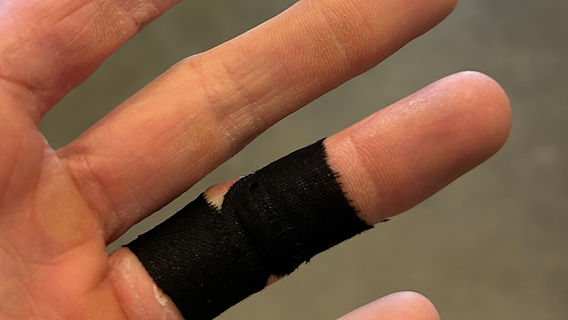
Imagine reaching for the next hold on a climbing wall, feeling the adrenaline rush, only to be halted by a sharp pain in your fingers. It’s a scenario every climber dreads.
Finger injuries can not only set you back but also dampen your passion for climbing. They’re common, yes, but entirely preventable with the right strategies. You don’t have to let fear of injury hold you back from conquering new heights.
By learning how to protect your fingers, you can climb confidently and safely. Dive into this guide where you’ll discover simple yet effective tips to keep your fingers strong and injury-free. Your path to safer climbing begins here—let’s ensure your grip remains as strong as your determination!
Warm-up Techniques
Warm-Up Techniques can be the game changer in your climbing routine, especially when it comes to preventing finger injuries. An effective warm-up prepares your body, enhances performance, and reduces the risk of injury. Think of it as a ritual that sets the tone for your climbing session. Let’s dive into some practical warm-up techniques that focus on dynamic stretches and finger-specific exercises.
Dynamic Stretches
Dynamic stretches are your best friends before hitting the climbing wall. They get your blood flowing and muscles prepared. Try shoulder circles and arm swings to loosen up the upper body.
- Shoulder Circles: Rotate your shoulders in both directions to enhance mobility.
- Arm Swings: Swing your arms forward and backward to engage shoulder and back muscles.
Don’t forget the importance of leg stretches like lunges and squats. They activate your quads and hamstrings, crucial for those high steps and long reaches.
- Lunges: Step forward, bending your knee, while keeping the other leg straight.
- Squats: Lower your body while keeping your back straight to engage your lower body.
Finger-specific Exercises
Finger-specific exercises are key to preventing finger injuries. Strengthen your fingers with simple yet effective exercises. Finger curls using a stress ball can work wonders.
- Finger Curls: Squeeze a stress ball repeatedly to build strength and flexibility.
- Finger Taps: Tap your fingers rapidly on a surface to enhance dexterity.
Additionally, consider resistance bands for finger extension exercises. They offer a controlled way to build finger strength.
- Resistance Band Extensions: Stretch the band with your fingers to work on extension strength.
Ask yourself, have you ever started climbing without a proper warm-up and felt the immediate strain on your fingers? Let these exercises be the remedy to avoid such experiences. Prioritize your warm-up and enjoy a safer climb!
Proper Grip Practices
Proper Grip Practices Use open-hand techniques to reduce strain on fingers while climbing. Maintain relaxed hands to prevent injuries.
Proper grip practices are essential to prevent finger injuries in climbing. A correct grip reduces strain and keeps fingers safe. Let’s explore key grip techniques to protect your hands.Choosing The Right Grip
Different grips suit various climbing surfaces. Knowing which grip to use is crucial. Open hand grips are gentler on fingers and ideal for large holds. Crimp grips offer more control but can stress joints. Use them sparingly and alternate with open hand grips. Adjust your grip based on hold size and shape. This minimizes finger fatigue and risk of injury.Avoiding Overgripping
Overgripping causes unnecessary strain. It leads to muscle exhaustion and potential injury. Relax your grip to maintain energy. Focus on balance and technique rather than squeezing tightly. Take breaks to rest your fingers. Monitor your hand tension regularly. Light grip enhances endurance and reduces injury risk.Training Regimen
A well-designed training regimen is essential to prevent finger injuries while climbing. It’s not just about getting stronger; it’s about balancing strength with recovery and ensuring your fingers are ready for the demands of the climb. A thoughtful approach to training can make all the difference in maintaining hand health.
Balanced Training Programs
Engage in a training program that combines strength, flexibility, and endurance. This ensures your fingers are not only strong but also resilient. Incorporate exercises like fingerboard workouts, but also add stretching and mobility drills.
Do you often neglect finger flexibility? Adding simple stretches can enhance your climbing performance and reduce injury risk. Remember, balance in your routine prevents overuse and enhances overall performance.
Incorporating Rest Days
Rest is as important as training. Giving your fingers time to recover helps them rebuild stronger. A common mistake is to train hard without adequate rest, leading to fatigue and potential injuries.
Have you ever felt sore fingers after a week of intense climbing? Take it as a sign to rest. Schedule regular rest days to allow your body to heal and prepare for the next session.
Consider alternating climbing days with rest days or lighter activities. This strategy can help maintain your climbing momentum while safeguarding your fingers.

Credit: www.instagram.com
Strengthening Exercises
Strengthening exercises for fingers boost climbing safety. They enhance grip strength and flexibility, reducing injury risk. Regular practice ensures fingers are better prepared for climbing demands.
Strengthening your fingers is vital to prevent injuries while climbing. By building finger strength, you enhance your grip and reduce the risk of strains and sprains. Integrating specific exercises into your routine can make a significant difference.Fingerboard Workouts
Fingerboards are a staple for climbers aiming to boost finger strength. Start with simple hangs, using your body weight as resistance. Gradually increase the duration as your strength improves. Experiment with different grips to target various finger muscles. For instance, try three-finger drags or two-finger pockets. Always warm up thoroughly to avoid strain. Track your progress by noting the hang times and grip types you can handle. This can motivate you and provide a clear path of improvement.Resistance Bands
Resistance bands offer a versatile way to strengthen your fingers. They’re easy to use and can be adjusted for different resistance levels. Try exercises like finger extensions and flexions. These mimic climbing movements and build endurance. You can incorporate these exercises into your daily routine without much hassle. Think about how often you neglect smaller muscles in your hand. Resistance bands ensure these muscles get the attention they need. This holistic approach can prevent injuries and boost overall hand strength. Have you considered how these simple tools could transform your climbing experience?Technique Improvement
Improving your climbing technique is crucial to prevent finger injuries. Focusing on how you use your feet and position your body can significantly reduce strain on your fingers, allowing you to climb longer and stronger. Are you maximizing your technique to protect your fingers and enhance your performance?
Foot Placement
Proper foot placement is essential in climbing. It helps distribute your weight evenly, reducing the load on your fingers. Aim to place your feet deliberately, using the big toe to pivot and adjust your balance.
A tip from seasoned climbers is to visualize your foot movements before executing them. This mental rehearsal can make your actions more precise and controlled.
Experiment with different angles and pressure on your footholds. Notice how small adjustments can ease the grip required from your fingers.
Body Positioning
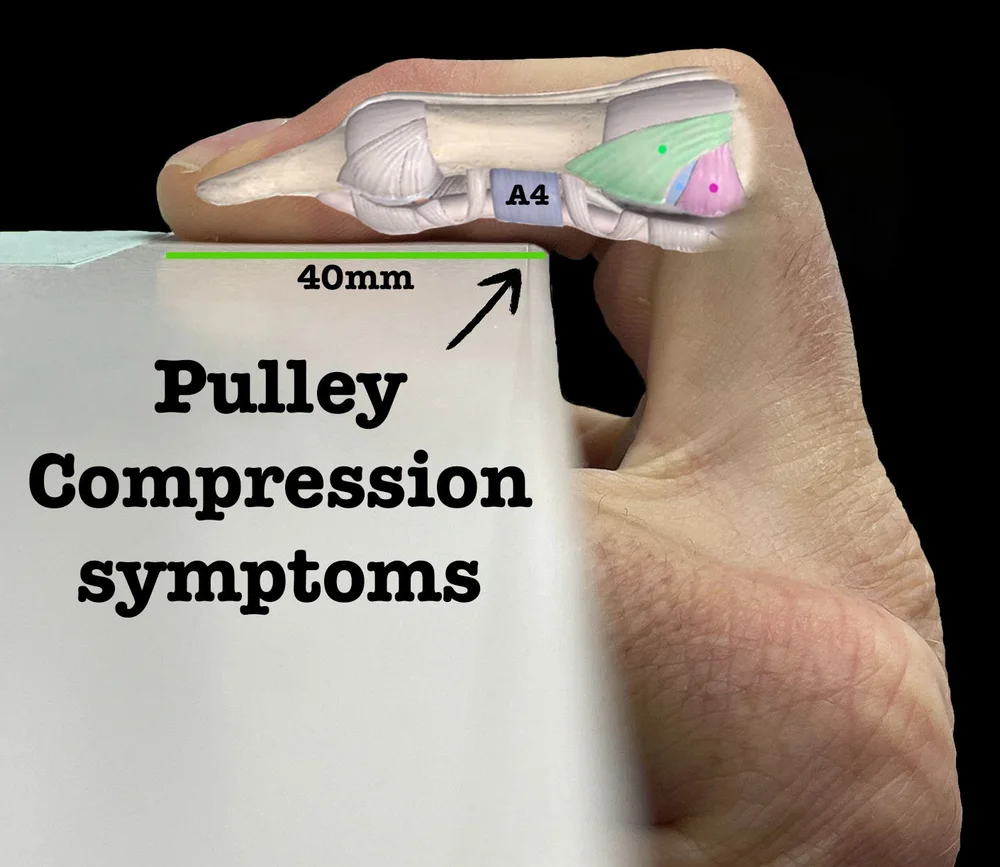
Your body positioning directly affects the strain on your hands. Try to keep your hips close to the wall. This can help transfer some of the weight from your fingers to your legs.
Focus on maintaining a straight line from your hips to your hands. This alignment reduces unnecessary tension and promotes efficient movement.
Ask yourself: Are you using your entire body to climb, or are you relying too much on your fingers? Evaluate and adjust your strategy to protect your fingers from overuse.
Credit: www.camp4humanperformance.com
Use Of Protective Gear
Climbing can be tough on your fingers. Protective gear helps prevent injuries. It keeps your fingers safe and supports them during climbs.
Using the right gear makes a big difference. It helps avoid strains and sprains. Here, we discuss two important protective methods.
Taping Techniques
Tape offers crucial support to fingers. It stabilizes joints and prevents excessive movement. Proper taping can reduce the risk of injuries.
There are various taping techniques for climbers. Finger taping is popular and effective. It involves wrapping tape around joints.
Another method is buddy taping. This ties two fingers together for added strength. Choose a technique that suits your needs.
Chalk Application
Chalk is more than just a grip enhancer. It absorbs sweat and keeps your hands dry. Dry hands reduce the risk of slipping.
Proper chalk application is key. Apply evenly before climbing. Focus on areas prone to sweat.
Use a chalk bag for easy access. Reapply as needed during climbs. This ensures hands remain dry and secure.
Recognizing Warning Signs
Recognizing warning signs can help prevent finger injuries while climbing. Watch for swelling, pain, or unusual stiffness. Rest and proper warm-up are essential.
Recognizing finger injuries early can prevent long-term issues for climbers. Understanding the warning signs is crucial. This ensures you maintain your climbing routine without interruptions. Below, we discuss the early symptoms and when to rest.Early Symptoms
Recognizing early symptoms is important. Pain or discomfort in the fingers while climbing is a red flag. Swelling or tenderness may indicate strain. Stiffness in the morning is another symptom. Listening to your body helps in early identification. If you notice any of these, it’s time to assess your climbing habits.When To Rest
Rest is critical for recovery. If pain persists during or after climbing, take a break. Continuing to climb can worsen injuries. Rest allows your fingers to heal properly. Pay attention to how your fingers feel during rest. If discomfort decreases, you’re on the right track. Rest can prevent long-term damage, keeping you climbing longer.Consulting Professionals
Consulting professionals can teach climbers techniques to avoid finger injuries. Proper grip, gradual training, and rest are essential. Using tape and warming up fingers can also help protect against strain.
Consulting professionals is a vital step in preventing finger injuries while climbing. Whether you’re new to climbing or a seasoned veteran, seeking expert advice can significantly reduce your risk of injury. Professionals offer guidance tailored to your specific needs and skill level.Seeking Medical Advice
If you experience persistent pain or discomfort in your fingers, it’s crucial to consult a medical professional. A doctor or physiotherapist can assess any underlying issues and provide appropriate treatment. Early intervention can prevent minor issues from becoming serious injuries. Ignoring pain is a common mistake among climbers. You might think it’s just part of the sport, but this mindset can lead to long-term damage. Wouldn’t you rather take a short break now than be forced into a long one later?Getting Coaching Feedback
Another essential resource is climbing coaches. They can offer personalized feedback to improve your technique and reduce strain on your fingers. Small adjustments in your grip or movement can make a significant difference. Think about your last climb. Was there a move that felt awkward or strained? A coach can help you refine these techniques, ensuring safer and more efficient climbs. Coaching also keeps you accountable. Regular check-ins can help you stay focused on injury prevention strategies. Plus, having someone to share your progress with can boost your motivation and enjoyment of the sport.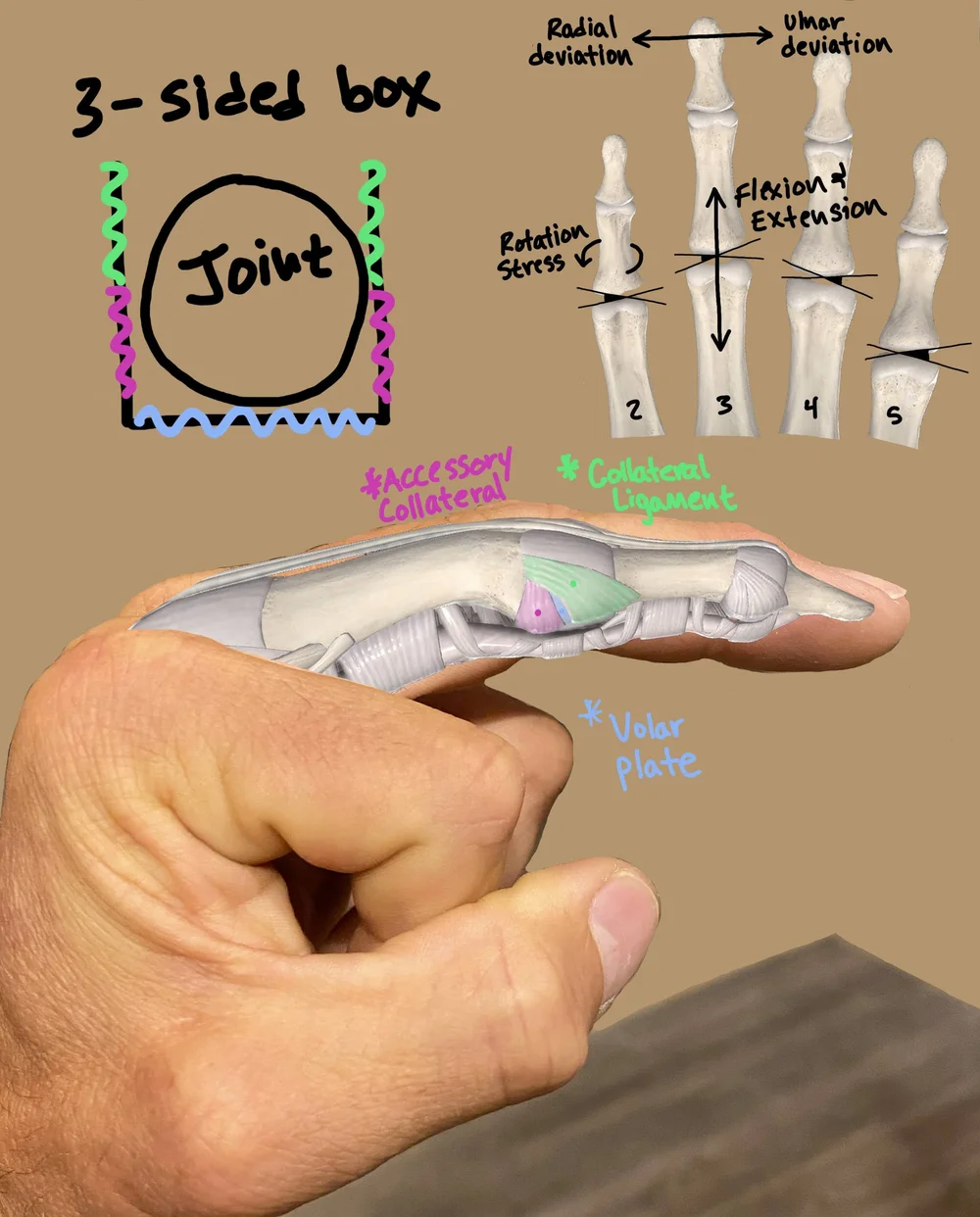
Credit: www.camp4humanperformance.com
Frequently Asked Questions
How Can I Strengthen My Fingers For Climbing?
To strengthen your fingers for climbing, incorporate hangboard exercises into your routine. Use grip trainers and practice finger curls. Ensure a proper warm-up to prevent strains. Gradually increase intensity and avoid overloading your fingers. Consistent practice will improve finger strength and resilience.
What Are Common Finger Injuries In Climbing?
Common finger injuries include pulley tears, tendinitis, and ligament strains. These occur due to overuse or improper technique. Symptoms include pain, swelling, and reduced grip strength. Early recognition and treatment are crucial. Always listen to your body and avoid pushing through pain to prevent worsening the injury.
How Do I Avoid Finger Injuries While Climbing?
To avoid finger injuries, always warm up properly before climbing. Focus on technique and use open-hand grips. Avoid overtraining and incorporate rest days into your schedule. Strengthen your fingers gradually with exercises. Listen to your body and stop if you feel pain.
Use proper equipment like tape for support.
What Should I Do If I Injure My Finger Climbing?
If you injure your finger, stop climbing immediately. Apply ice to reduce swelling and rest the finger. Elevate your hand and consider using a splint. If pain persists, consult a healthcare professional. Gradually return to climbing after recovery, focusing on proper technique and avoiding aggravation.
Conclusion
Climbing safely requires smart preparation and care. Protect your fingers with proper warm-ups. Use correct techniques while gripping and climbing. Listen to your body to avoid strain. Rest is crucial for recovery and strength. Incorporate finger exercises into your routine.
Stay hydrated and maintain a balanced diet. This supports overall health and injury prevention. Keep your climbing gear in good condition. Investing in quality equipment helps. Remember, prevention is better than cure. Enjoy climbing while staying safe. Your fingers will thank you.