Imagine waking up each morning feeling light, nimble, and ready to embrace the day with a spring in your step. That’s the magic of yoga—a practice that not only calms the mind but also transforms your body, making it more flexible and resilient.
Have you ever found yourself struggling to reach the top shelf or feeling stiff after sitting for too long? You’re not alone. Many people face similar challenges, but the good news is that yoga can help you overcome them. By incorporating yoga into your routine, you can enhance your flexibility, reduce discomfort, and move with ease.
Curious about how a few simple poses can make such a difference? Stick with us, and discover how yoga can be your secret weapon for a more flexible and vibrant life.
Credit: myyogateacher.com
Benefits Of Yoga For Flexibility
Yoga isn’t just about relaxing your mind; it’s a powerful way to enhance your body’s flexibility. Through various poses and stretches, yoga helps in improving your range of motion, joint health, and muscle lengthening, all contributing to better flexibility. Whether you’re a seasoned yogi or a beginner, incorporating yoga into your routine can lead to significant improvements in how your body moves and feels. Let’s explore some of the specific benefits yoga brings to your flexibility journey.
Increased Range Of Motion
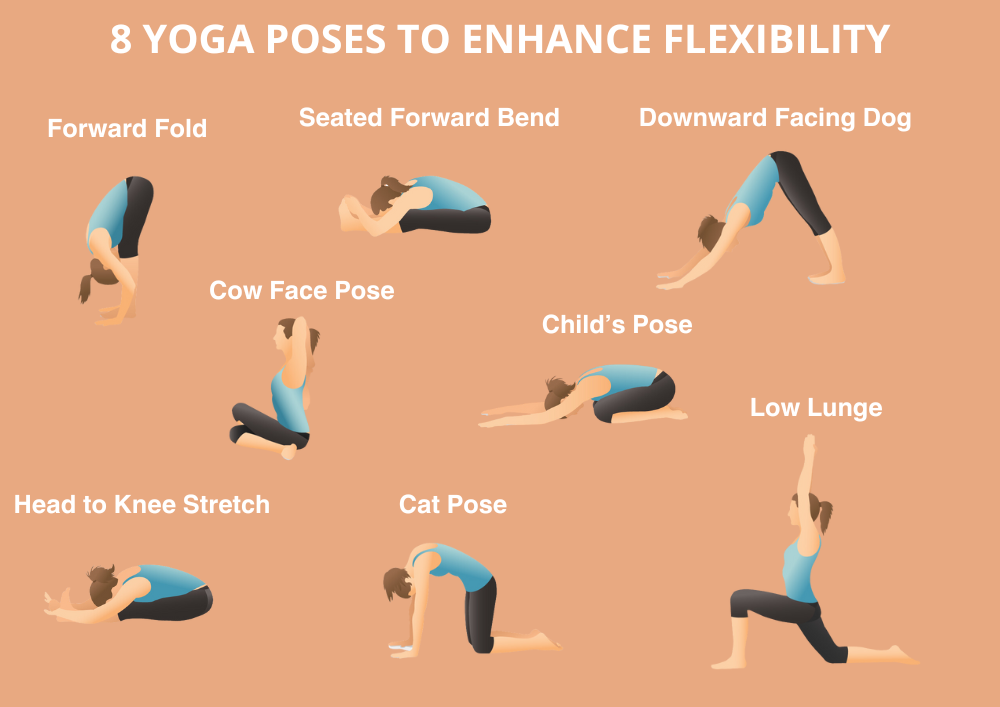
Have you ever struggled with reaching for something on the top shelf? Yoga can change that. By regularly practicing yoga, you’ll find your body moving more freely and smoothly. Poses like the forward bend or downward dog help stretch and elongate your muscles, enabling you to reach further without strain.
Imagine being able to twist your torso without feeling stiff or extending your arms and legs in a full stretch. Yoga gradually increases your range of motion, making everyday movements easier and more comfortable.
Enhanced Joint Health
Healthy joints are crucial for a flexible body. Yoga supports joint health by gently moving them through their full range, helping in lubricating and nourishing these vital parts. When joints are regularly exercised, they remain strong and resilient.
Yoga poses such as the cat-cow or warrior series focus on different joints, promoting mobility and reducing stiffness. You may find your knees and hips, often prone to discomfort, becoming more agile and pain-free with consistent practice.
Muscle Lengthening
Yoga isn’t just about stretching; it’s about lengthening and strengthening your muscles. Through poses like the triangle or bridge, your muscles extend gradually, gaining strength while avoiding shortness or tightness.
As your muscles lengthen, they allow for greater flexibility and reduce the risk of injury. Have you noticed how some people seem effortlessly graceful and fluid? That’s the result of well-lengthened muscles, a benefit yoga can bring to your body.
Are you ready to experience how yoga can transform your flexibility? Embrace the practice and see your body’s potential unfold.

Credit: yogabygillian.com
Key Yoga Poses For Flexibility
Practicing yoga can greatly improve your flexibility. Key yoga poses target different muscle groups, enhancing your range of motion. Each pose stretches muscles, tendons, and ligaments, promoting suppleness and reducing stiffness. Let’s dive into some essential yoga poses that can boost flexibility effectively.
Downward Dog
The Downward Dog is a foundational pose in yoga. It stretches the hamstrings, calves, and spine. Start on your hands and knees. Lift your hips, forming an inverted V-shape. Keep your spine straight and heels pressing toward the ground. This pose lengthens your back and strengthens your arms.
Child’s Pose
The Child’s Pose is a gentle stretch for the back and hips. Kneel on the mat with toes touching and knees apart. Lower your torso between your thighs. Extend your arms forward or place them by your sides. This pose relaxes the spine and relieves tension.
Pigeon Pose
The Pigeon Pose targets the hips and glutes. Begin in a downward dog. Bring one knee forward, placing it behind your wrist. Stretch the other leg back. Keep your hips square to the mat. Lean forward to deepen the stretch. This pose opens the hip area and improves flexibility.
Cat-cow Stretch
The Cat-Cow Stretch enhances spinal flexibility. Start on your hands and knees. Inhale, arching your back for the Cow Pose. Exhale, rounding your back for the Cat Pose. This sequence warms up the spine and relieves back tension.
Incorporating Yoga Into Your Routine
Incorporating yoga into daily life enhances flexibility through gentle stretching and poses. Regular practice loosens tight muscles, increasing movement range. This gradual improvement supports better posture and reduces injury risk.
Incorporating yoga into your daily routine can boost your flexibility. It helps you feel more relaxed and less stressed. With just a few minutes each day, you can experience a more limber body. Let’s explore how to make yoga a part of your routine.Finding The Right Yoga Style
Choosing the right style is crucial. There are many types of yoga, like Hatha and Vinyasa. Hatha is gentle, great for beginners. Vinyasa is more dynamic, perfect for those seeking a challenge. Try different styles to see what you enjoy most.Creating A Consistent Practice
Consistency is key to improving flexibility. Start with short sessions, like 10 minutes a day. Gradually increase the time as you get comfortable. Set a specific time each day for your practice. Morning or evening, pick what suits you best.Using Props For Support
Props can help you practice safely. Yoga blocks, straps, and blankets provide support. They help you achieve poses with correct alignment. Props are especially useful for beginners. They ensure you stretch safely, without straining muscles.Yoga For Beginners
Yoga helps beginners improve flexibility through gentle stretches and poses. Regular practice increases muscle elasticity, making movements easier.
Yoga for Beginners Starting yoga is like opening a door to a new world of movement and mindfulness. If you’re new to yoga, improving flexibility might seem like a distant goal. But don’t worry, everyone starts somewhere, and you’ll be amazed at how quickly your body begins to adapt. Remember, yoga isn’t about achieving the perfect pose. It’s about the journey and what you learn along the way.Basic Poses To Start With
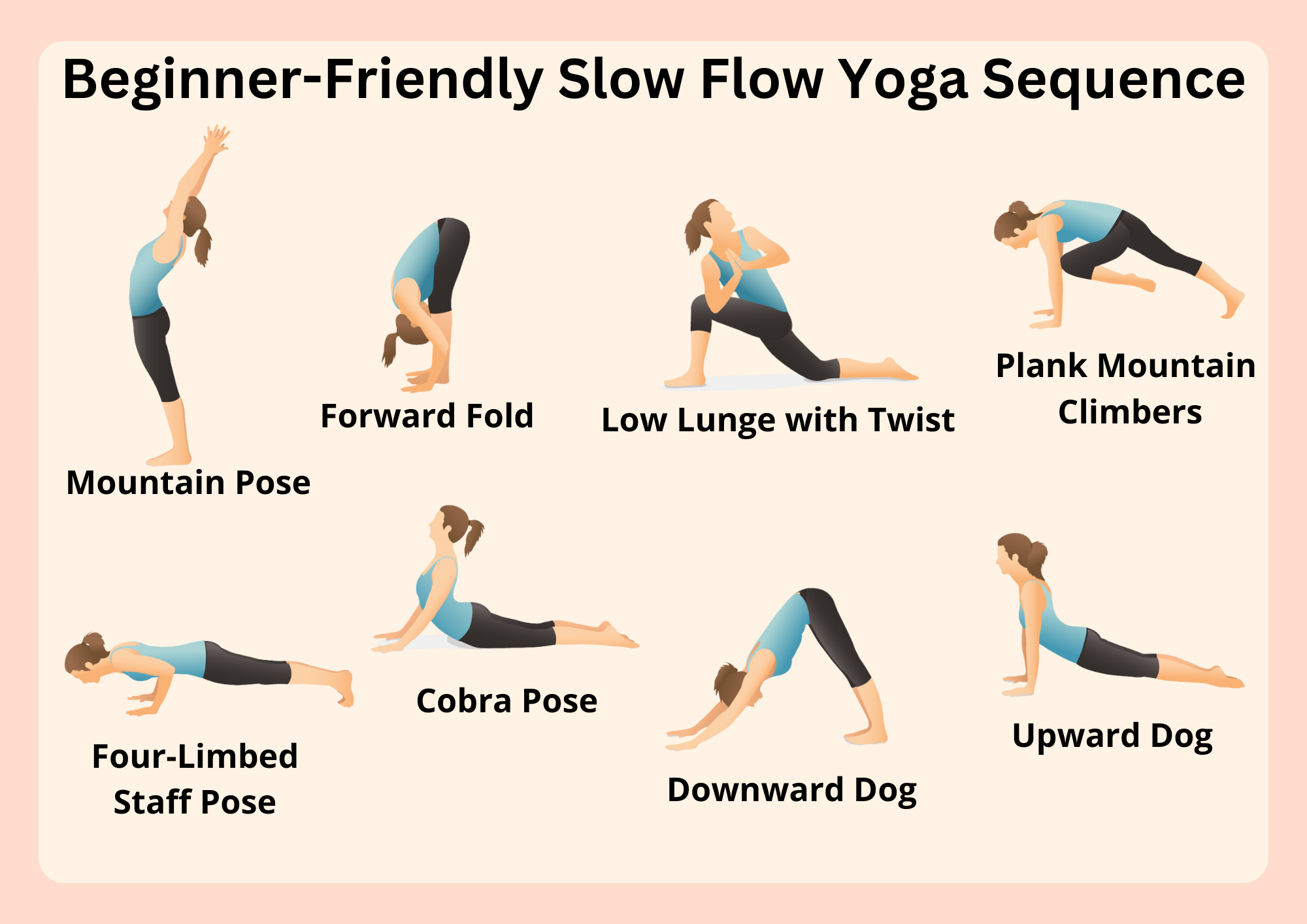
Begin with simple poses like the Mountain Pose, Downward Dog, and the Cat-Cow stretch. These foundational poses will gently wake up your muscles and prepare your body for deeper stretches. You might find yourself surprised at how much tension you release even in these basic positions. Keep practicing these poses regularly to notice gradual improvements in your flexibility.Breath Control Techniques
Breath is your guide in yoga. Learning to control your breath can help deepen your stretches and calm your mind. Try inhaling deeply as you ease into a pose and exhaling slowly as you hold the position. This rhythmic breathing helps you focus and stay present, enhancing the flexibility benefits of each pose. Have you noticed how a deep breath can make a challenging pose feel more manageable?Safety Tips And Precautions
Safety is crucial as you begin your yoga journey. Always listen to your body; if a pose causes pain, ease back and modify it. Use props like blocks and straps to support your practice and reduce strain on your joints. It’s also wise to consult with a yoga instructor to ensure you’re practicing correctly. Remember, yoga is about progress, not perfection, and respecting your body’s limits is a vital part of that progress.Common Misconceptions About Yoga And Flexibility
Many people believe yoga demands flexibility from the start. This misconception stops beginners from trying yoga. Let’s clear up some common myths about yoga and flexibility.
Yoga Is Only For The Flexible
Some think yoga suits only those who can stretch like gymnasts. That’s not true. Yoga is for everyone, regardless of their flexibility level. Beginners can start with simple poses. Over time, flexibility improves with practice.
Immediate Results Expectations
People often expect quick results from yoga. Flexibility doesn’t happen overnight. It requires patience and regular practice. Small, consistent efforts lead to gradual improvements. Celebrate small victories along the way.
Yoga As A Sole Fitness Solution
Yoga offers many benefits, but it’s not the only fitness solution. Combining yoga with other activities can enhance overall health. Balance strength, cardio, and flexibility for a well-rounded fitness routine.
Scientific Evidence Supporting Yoga For Flexibility
Yoga is renowned for its ability to enhance flexibility. Many people turn to yoga to improve their physical range of motion. Scientific studies provide a strong foundation for these claims. Researchers have explored the effects of yoga on stretching and flexibility, offering evidence that supports its benefits.
Research On Stretching And Flexibility
Studies indicate that yoga significantly enhances muscle flexibility. Regular practice helps lengthen and stretch muscles. It also improves joint flexibility. This results in a wider range of motion. Researchers have observed these benefits across different age groups. Yoga’s impact on flexibility is well-documented in scientific literature.
One study compared yoga practitioners to non-practitioners. Results showed that those who practiced yoga had greater flexibility. Their muscles were more pliable. Their joints had increased mobility. This research supports the idea that yoga is effective for improving flexibility.
Case Studies And Testimonials
Many individuals share personal stories about yoga’s benefits. These testimonials highlight significant improvements in flexibility. People often report feeling less stiff and more agile. Some case studies focus on athletes. Athletes find yoga complements their training. It enhances their performance through better flexibility.
One testimonial comes from a professional dancer. She credits yoga for her improved flexibility. Her movements became more fluid and graceful. Another case involves an older adult. He experienced reduced joint pain and increased mobility through yoga.
Yoga’s Impact On Mental Flexibility
Yoga enhances mental flexibility by promoting relaxation and reducing stress. Practicing yoga regularly can improve focus and concentration. Its breathing techniques help calm the mind, making it easier to adapt to new situations.
Yoga is often celebrated for its physical benefits, but its impact on mental flexibility is equally profound. As you engage in yoga, you don’t just stretch your muscles; you stretch your mind. This mental flexibility can transform how you navigate life’s challenges.Mind-body Connection
Yoga deepens the connection between your mind and body. Each pose demands your full attention, encouraging you to listen to your body’s cues. This awareness fosters a more adaptive mindset, enabling you to respond calmly to unexpected situations.Stress Reduction
Practicing yoga is a powerful tool for stress reduction. Deep breathing and mindful movements help lower cortisol levels, the body’s stress hormone. Have you noticed how a calm mind can make problem-solving easier?Enhancing Focus And Clarity
Regular yoga practice sharpens focus and clarity. As you hold poses and concentrate on your breath, distractions fade away. This mental discipline can enhance your ability to concentrate on tasks, boosting productivity and decision-making. Imagine tackling your to-do list with a clear, focused mind. Yoga can make that a reality.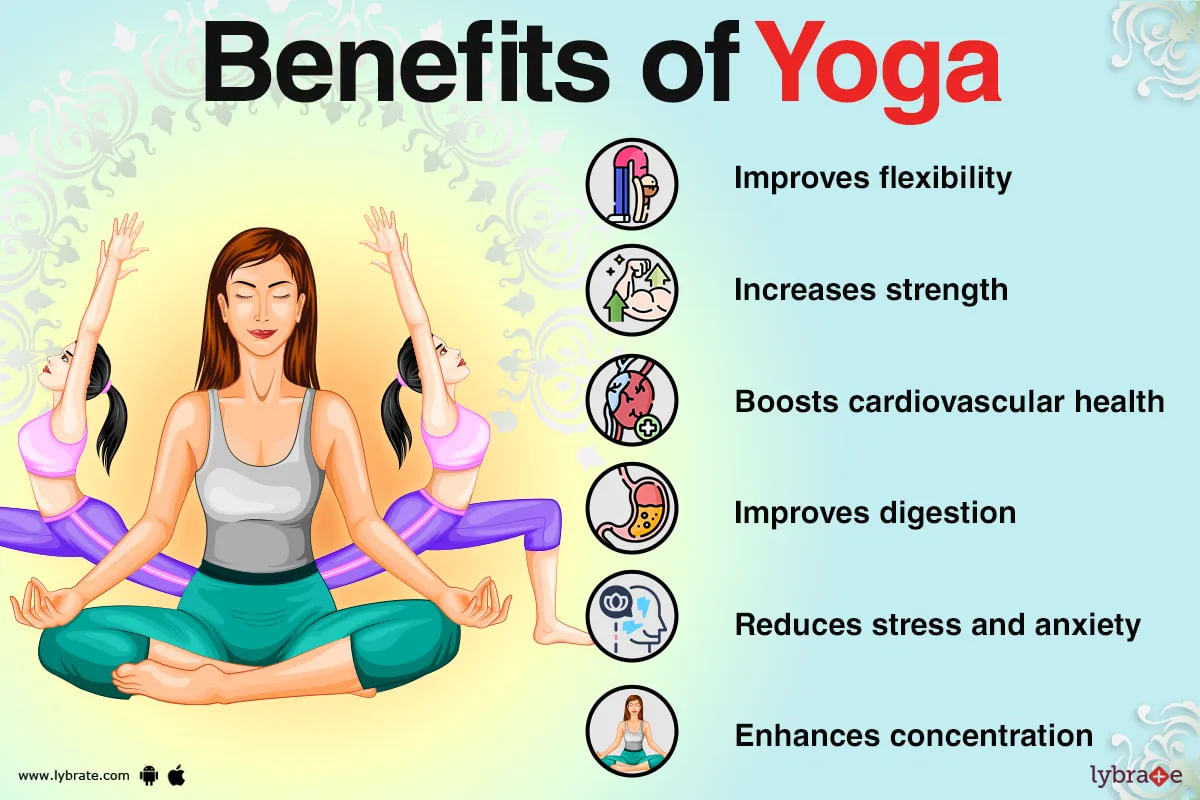
Credit: www.lybrate.com
Frequently Asked Questions
How Does Yoga Enhance Flexibility?
Yoga stretches and strengthens muscles, improving range of motion. Regular practice loosens tight muscles and joints, enhancing flexibility. Various poses target specific areas, increasing overall body suppleness.
Can Beginners See Flexibility Improvement With Yoga?
Yes, beginners can improve flexibility through yoga. Even simple poses gradually stretch muscles and joints. Consistent practice leads to noticeable flexibility gains over time.
What Types Of Yoga Are Best For Flexibility?
Hatha, Vinyasa, and Yin yoga are excellent for flexibility. These styles emphasize stretching and holding poses, which lengthen muscles and increase flexibility.
How Often Should You Practice Yoga For Flexibility?
Practicing yoga three to four times weekly boosts flexibility. Regular sessions help maintain progress and prevent stiffness. Consistency is key for lasting improvement.
Conclusion
Yoga offers great benefits for improving flexibility. Regular practice stretches muscles gently. This increases range of motion and reduces stiffness. Over time, it helps prevent injuries. Yoga also enhances posture and balance. This contributes to overall well-being. Consistent routines lead to noticeable improvements.
Anyone can start, regardless of age or skill. Yoga suits all fitness levels. It’s a journey towards a healthier, more flexible body. Enjoy the process. Feel the changes. Embrace the calm it brings. Flexibility is just one of the many rewards yoga offers.
Start today and experience the benefits firsthand.