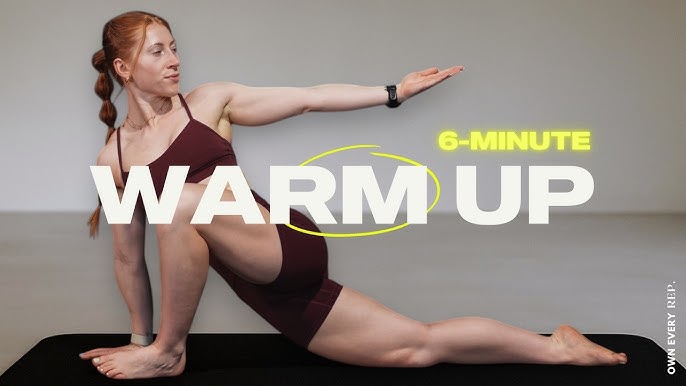
Imagine starting your workout feeling energized, focused, and ready to conquer each exercise. Sounds perfect, right?
The secret to achieving this lies in a simple yet often overlooked step: warming up. If you’re working out at home, you might be tempted to skip this crucial phase, but doing so could hinder your performance and increase the risk of injury.
The good news? A proper warm-up doesn’t have to be complicated or time-consuming. In fact, with just a few minutes, you can prepare your body and mind for the challenges ahead. In this guide, you’ll discover the most effective ways to warm up for a workout at home, ensuring you maximize your results while staying safe. Whether you’re a fitness newbie or a seasoned athlete, these tips will transform how you approach your home workouts. Ready to unlock your full potential? Let’s dive in and get you warmed up the right way!
Importance Of Warming Up
Warming up before a workout is crucial. It prepares the body for exercise. A good warm-up increases blood flow. It helps muscles stretch and reduces injury risk. Your joints get more flexible. You get mentally ready for the workout. A warm-up boosts performance.
Why Warm Up?
A warm-up improves muscle elasticity. It enhances coordination and balance. Heart rate gradually increases, preparing it for activity. A proper warm-up leads to better workout results.
Benefits Of Warming Up
Warming up prevents strains and sprains. It ensures muscles are ready to work hard. Your body adjusts to physical stress. It helps avoid sudden shock during exercise. Warm-ups improve muscle efficiency and endurance.
How Long Should You Warm Up?
Spend 5 to 10 minutes warming up. Shorter warm-ups are effective for gentle exercises. Longer warm-ups benefit intense workouts. Adjust time based on your fitness level. Listen to your body and modify accordingly.
Types Of Warm-up Exercises
- Jumping jacks for overall body movement.
- Arm circles to loosen shoulder muscles.
- Leg swings for hip flexibility.
- High knees to increase heart rate.
- Standing stretches for full-body relaxation.
Benefits Of A Home Warm-up
Warming up at home boosts flexibility and reduces injury risk. Simple exercises prepare muscles for intense workouts. Enjoy a comfortable start to your fitness routine.
Warming up at home before a workout has many benefits. It prepares your body and mind for exercise. A proper warm-up increases blood flow and flexibility. This reduces the risk of injury. It sets the tone for an effective workout session. In a home setting, you can customize your warm-up routine. This makes it more comfortable and personal.Cost-effective And Time-saving
Warming up at home saves money. No need for gym fees or commute expenses. You save time not traveling to the gym. More time for exercise. Efficient use of your schedule.Comfort And Convenience
Home warm-ups offer comfort. You are in your own space. Wear what feels best for you. No need to worry about gym crowds. Adjust the temperature to your liking. Listen to your favorite music.Flexibility To Personalize
Create a warm-up routine that suits you. Focus on areas needing attention. Personalize exercises to match your workout plan. Choose the length and intensity. Modify as needed.Reduced Stress And Anxiety
Home warm-ups lower stress. No pressure from others watching. You set the pace. Relax and focus on your body. This builds confidence. Enjoy the moment.Improved Focus And Concentration
Warming up at home enhances focus. Fewer distractions than at a gym. Concentrate better on your exercises. Prepare mentally for the workout. This leads to better results.Creating A Warm-up Space
Designate a spacious area at home to stretch and move freely. Lay out a mat or towel for comfort. Begin with gentle movements like arm circles and leg swings to boost circulation and prepare your muscles.
Creating a Warm-Up Space Finding the perfect space for your home workout warm-up can make a significant difference. It sets the tone for your entire session, helping you focus and get in the right mindset. You don’t need a huge area, just one that suits your needs.Choosing The Right Area
Select a spot where you feel comfortable and can move freely. A living room corner or a cleared-out space in your bedroom can work wonders. Ensure there’s enough room to stretch your arms and legs without bumping into furniture. Consider the surface you’re standing on. A carpet might be comfortable, but a hard floor provides better stability for balance exercises. If needed, add a non-slip mat for extra grip.Minimizing Distractions
Eliminate anything that pulls your attention away from your warm-up. Turn off the TV and silence your phone. This is your time, and it’s important to focus on your body and movement. Remember, a cluttered space can lead to a cluttered mind. Before you start, take a moment to tidy up. A clean area can help you stay concentrated and motivated. Think about your warm-up soundtrack. Whether it’s upbeat music or calming nature sounds, choose something that enhances your focus, not distracts from it.Dynamic Stretching Techniques
Dynamic stretching techniques boost flexibility and blood flow before workouts at home. These active movements prepare muscles and joints, reducing injury risk. Consider leg swings, arm circles, and torso twists to effectively warm up your body.
Dynamic stretching techniques are essential to prepare your body for exercise. They increase blood flow, improve flexibility, and reduce the risk of injury. These movements involve controlled, gentle motions that mimic the exercises in your workout. They are ideal for warming up at home because they require no equipment. Let’s explore some effective dynamic stretching techniques.Leg Swings
Leg swings are a simple yet effective way to loosen up your hips. Stand next to a wall for balance. Swing one leg forward and backward in a controlled manner. Keep your upper body steady and your core engaged. Switch legs after ten swings. This movement improves hip mobility and gets your legs ready for activity.Arm Circles
Arm circles warm up your shoulders and arms. Stand with feet shoulder-width apart. Extend your arms out to the sides. Make small circles with your arms, gradually increasing the size. Reverse direction after 15 seconds. This exercise enhances shoulder flexibility and prepares your arms for upper body workouts.Torso Twists
Torso twists are great for warming up your core and spine. Stand tall with feet hip-width apart. Place your hands on your hips or extend them in front of you. Gently twist your torso to one side, then the other. Keep your hips stable and engage your core. Perform ten twists on each side. This movement increases spinal mobility and activates your core muscles.Cardiovascular Warm-up Options
Cardiovascular warm-up options are a great way to get your heart pumping and prepare your body for a workout at home. These exercises are simple yet effective, offering a dynamic way to boost your energy and enhance your performance. Whether you’re short on time or looking for variety, these options ensure you’re ready to tackle your workout with vigor.
Jumping Jacks
Jumping jacks are a classic favorite. They elevate your heart rate quickly and engage multiple muscle groups. Stand tall, arms by your sides, and jump while spreading your legs and raising your arms above your head. Repeat for about 30 seconds to a minute. This exercise is a fantastic way to shake off the stiffness and kick-start your cardio routine.
High Knees
High knees offer a powerful cardiovascular boost. Stand in place and lift your knees towards your chest, alternating quickly. Aim for a fast pace to get your heart racing. This not only warms up your legs but also engages your core. Try doing high knees for 30 seconds to feel the burn and get your blood flowing.
Butt Kicks
Butt kicks are simple yet effective for warming up. Stand straight and alternately kick your heels towards your glutes. Maintain a steady rhythm and focus on keeping your knees low. This movement helps improve flexibility and activates your hamstrings. Perform butt kicks for 30 seconds to ignite your workout readiness.
These exercises are perfect for any space, making them ideal for home workouts. Have you ever noticed how a quick cardio burst can transform your energy levels? Start your next session with these warm-ups and see the difference in your performance.
Incorporating Mobility Exercises
Mobility exercises enhance flexibility and prepare muscles for action. Simple stretches and movements can effectively warm up your body at home. Engaging joints and muscles boosts readiness for a workout session.
Incorporating mobility exercises into your warm-up routine is essential. It helps prepare your body for more intense physical activity. These exercises increase flexibility and reduce the risk of injury. They also improve joint health. Let’s explore some effective mobility exercises you can do at home.Hip Openers
Hip openers are crucial for enhancing mobility. Start with simple dynamic stretches like lunges. Focus on moving forward and backward. Use a gentle rocking motion. This exercise targets the hip flexors. It also engages the surrounding muscles.Ankle Rolls
Ankle rolls improve flexibility and balance. Sit comfortably on a chair. Extend one leg straight out. Slowly rotate your ankle in circles. Perform this for 30 seconds. Change direction after each cycle. This exercise helps prevent ankle injuries.Shoulder Rotations
Shoulder rotations increase range of motion. Stand with feet shoulder-width apart. Extend arms to the sides. Make small circles with your arms. Gradually increase the circle size. This exercise strengthens the shoulder muscles. It also promotes better posture.Using Equipment For Warm-ups
Warming up before a workout is crucial to prevent injuries. Using equipment at home can make this process effective and enjoyable. It boosts circulation, improves flexibility, and prepares muscles for exercise. Many people overlook warm-ups, but they are essential for a successful workout. Simple tools like resistance bands and foam rollers can enhance your warm-up routine significantly.
Resistance Bands
Resistance bands are versatile and easy to store. They help activate different muscle groups. Use them for dynamic stretches and light strength exercises. For instance, you can perform arm circles or leg lifts. This increases blood flow and warms up the muscles. Resistance bands come in various tension levels, so choose one that suits your strength.
They are perfect for targeting smaller muscle groups. This is ideal for those who sit a lot or have specific muscle tightness. Using resistance bands daily can improve flexibility over time.
Foam Rollers
Foam rollers are excellent for self-massage. They help release muscle tightness and improve range of motion. Rolling on a foam roller can relieve tension in major muscle groups. Spend a few minutes on each muscle group before exercising.
This method improves circulation and reduces muscle soreness. Foam rollers come in different densities. Beginners might prefer softer options. Incorporating foam rollers into your routine can enhance overall muscle function.

Credit: www.instagram.com
Mindful Breathing Techniques
Mindful breathing techniques help you prepare mentally for a workout at home. Focused breaths calm the mind and energize the body, setting the stage for effective exercise.
Mindful breathing techniques can transform your home workout warm-up from a routine task into a powerful ritual. When you focus on your breath, you not only prepare your body but also center your mind, enhancing both physical and mental readiness. This section will guide you through easy-to-follow breathing techniques that will amplify your warm-up experience.Deep Diaphragmatic Breathing
Begin with deep diaphragmatic breathing to activate your body’s relaxation response. Sit comfortably and place one hand on your chest and the other on your abdomen. Inhale deeply through your nose, ensuring your abdomen rises more than your chest. This method increases oxygen flow, reducing anxiety and preparing your muscles for activity.Box Breathing
Box breathing is a simple yet powerful technique that can help you regain focus. Visualize a box as you breathe: inhale for a count of four, hold for four, exhale for four, and pause for another four. This rhythmic pattern calms your nervous system, sharpening your concentration and enhancing your workout efficiency.Alternate Nostril Breathing
Try alternate nostril breathing to balance your energy levels. Close your right nostril with your thumb, inhale through the left, then close the left nostril and exhale through the right. Continue this pattern for a few minutes. This technique harmonizes the left and right hemispheres of your brain, promoting mental clarity and focus.4-7-8 Breathing Technique
The 4-7-8 breathing technique can quickly induce a relaxed state. Inhale quietly through your nose for a count of four, hold the breath for seven, and exhale through your mouth for eight. It’s a great way to soothe pre-workout jitters and ensure you’re mentally prepared for the physical demands ahead. Implementing these breathing techniques can significantly enhance your warm-up routine. Have you ever noticed how your breath affects your workout? By mastering these methods, you can elevate your home exercise sessions, making them not only more effective but also more enjoyable.Adapting Warm-ups For Different Workouts
Adapting warm-ups for different workouts is crucial to getting the most out of your exercise routine. Each type of workout demands different muscle groups, so your warm-up should be tailored accordingly. This ensures you’re preparing your body effectively, reducing the risk of injury and enhancing performance. Let’s explore how you can customize your warm-up for various exercises.
Strength Training
Strength training requires activating key muscle groups to prepare for heavy lifting or resistance exercises. Start with dynamic stretches like arm circles, leg swings, and torso rotations to awaken your muscles.
- Squats:Perform bodyweight squats to engage your lower body.
- Push-ups:Begin with modified push-ups to prime your upper body.
- Resistance Band Exercises:Use bands for shoulder stretches and chest openers.
These movements mimic the range of motion you’ll perform during strength training, ensuring your muscles are ready for action.
Cardio Sessions
Cardio workouts get your heart rate up and your blood pumping. A proper warm-up involves gradually increasing your heart rate. Start with light jogging or brisk walking around your living room or garden.
- Jumping Jacks:Add a set of jumping jacks to elevate your heart rate.
- High Knees:Incorporate high knees to engage your core and legs.
- Butt Kickers:Use butt kickers to stretch your quads.
These exercises help transition your body into a more intense cardio session, making it easier to maintain energy levels throughout the workout.
Yoga Practices
Yoga warm-ups focus on flexibility and mental readiness. Begin with gentle movements to ease your body and mind into the practice. Consider starting with cat-cow stretches to loosen your spine.
- Sun Salutations:A few rounds of sun salutations can warm your entire body.
- Child’s Pose:Spend time in child’s pose for relaxation.
- Standing Forward Bend:Use this pose to stretch your hamstrings.
These warm-ups create a smooth transition into more complex yoga poses, allowing you to find your flow and maintain focus.
How do you adapt your warm-up routine to suit your workout? Embrace this customization to enhance your exercise experience, ensuring you’re prepared and energized for each session.

Credit: www.youtube.com
Tips For Staying Consistent
Consistency in warming up at home boosts workout effectiveness. Start with light cardio like jumping jacks. Incorporate dynamic stretches to loosen muscles and joints.
Staying consistent with your workout routine, especially when warming up at home, can often be a challenge. You might find yourself skipping it entirely or not giving it the attention it deserves. Yet, a proper warm-up is crucial for preventing injuries and enhancing performance. By establishing a consistent warm-up routine, you not only prepare your body physically but also mentally prepare yourself for the workout ahead. Let’s dive into some practical tips to help you stay on track.Set A Schedule
Consistency thrives on routine. Decide on specific days and times for your workouts and stick to them. This creates a habit, making it easier to stay committed.Create A Dedicated Space
Having a specific area in your home for working out can boost motivation. It doesn’t need to be large—just enough space to move freely without distractions.Track Your Progress
Keep a journal or use an app to log your workouts. Seeing your progress over time can be a powerful motivator and keeps you accountable.Make It Enjoyable
Incorporate music or podcasts you love to keep the warm-up lively. Enjoying the process makes it easier to stick with.Set Small Goals
Break down your long-term fitness goals into smaller, achievable tasks. Celebrate each small victory to keep your spirits high.Stay Flexible
Life happens—if you miss a session, don’t beat yourself up. Adapt your schedule and get back on track without guilt. Staying consistent is key to a successful workout routine at home. What’s your biggest challenge in maintaining consistency, and how do you plan to overcome it?
Credit: www.youtube.com
Frequently Asked Questions
What Are Effective Warm-up Exercises At Home?
Effective warm-up exercises at home include jumping jacks, arm circles, and leg swings. These exercises increase heart rate and flexibility. They prepare muscles for more intense activities. Ensure each warm-up lasts about 5-10 minutes. This duration is crucial to avoid injuries and optimize workout performance.
How Long Should A Home Warm-up Last?
A home warm-up should last 5 to 10 minutes. This duration adequately prepares your body for exercise. It increases blood flow and loosens muscles. A proper warm-up reduces the risk of injuries. Ensure the exercises suit your workout intensity level.
Can Dynamic Stretches Be Done At Home?
Yes, dynamic stretches can be done at home easily. They include high knees, butt kicks, and arm swings. These stretches improve flexibility and mobility. They are crucial for activating muscles before workouts. Perform them for 5-10 minutes for optimal results.
Why Is Warming Up At Home Important?
Warming up at home is important because it prepares your body for exercise. It increases heart rate and blood circulation. This helps prevent injuries and enhances performance. A proper warm-up also boosts flexibility and mental focus. It sets a positive tone for your workout.
Conclusion
Warming up at home is essential for a good workout. It prepares your muscles and prevents injuries. Start with basic stretches and light exercises. Focus on each muscle group. Keep the routine short and effective. Listen to your body and adjust as needed.
Regular warm-ups can boost your workout performance. Consistency is key for success. Stay motivated and make warm-ups a habit. Your body will thank you for it. Enjoy your home workouts safely and effectively. Keep moving and stay healthy!