Ever glanced at yoga enthusiasts bending effortlessly into stunning poses and wondered how they got so flexible? The good news is, you can achieve that flexibility faster than you think.
Whether you’re a beginner or have dabbled in yoga before, unlocking the secrets to quick flexibility is within your reach. Imagine the sense of freedom you’ll feel as your body moves with ease and grace. No more stiffness or struggles; just smooth, fluid movements that leave you feeling invigorated.
If you’re ready to transform your body and discover the true potential of your muscles, then stay with us. This guide will show you exactly how to get flexible fast with yoga, and it’s easier than you might imagine. Curious? Let’s dive in and uncover the techniques that will have you bending like a pro in no time.
Benefits Of Yoga For Flexibility
Yoga enhances flexibility quickly through consistent practice. It stretches muscles, improving range of motion and reducing stiffness. Regular yoga sessions can make your body more limber.
Yoga offers numerous benefits for flexibility. It helps to stretch and strengthen muscles, leading to improved range of motion. Regular practice can make your body more limber and agile, enhancing daily activities. Embracing yoga for flexibility also supports joint health, reducing stiffness and discomfort. Let’s explore how yoga can transform your body, focusing on flexibility.The Science Behind Yoga And Flexibility
Yoga involves poses that stretch muscles, tendons, and ligaments. This stretching increases blood flow and oxygen to the tissues. Over time, muscles become more pliable, increasing flexibility. Scientific studies show regular yoga practice enhances muscle elasticity. This leads to improved mobility and reduced injury risk.Improved Posture And Alignment
Yoga promotes better posture through mindful movement and awareness. As flexibility improves, your body alignment gets better. Proper alignment reduces strain on muscles and joints. This can alleviate back pain and other discomforts. Good posture also boosts confidence and overall well-being.Enhanced Athletic Performance
Flexible muscles contribute to better athletic performance. Yoga prepares your body for physical activities by improving range of motion. This can lead to enhanced speed, agility, and endurance. Athletes often use yoga to complement their training routines. It aids in quicker recovery and reduces the risk of injuries.Stress Relief And Relaxation
Yoga combines physical movement with breathing exercises. This helps to calm the mind and reduce stress levels. As flexibility increases, tension in the body decreases. Relaxed muscles lead to a peaceful state of mind. Practicing yoga regularly can improve mental clarity and focus.Increased Energy Levels
Yoga boosts energy by improving circulation and oxygen flow. Flexible muscles require less energy to perform movements. This results in increased stamina and vitality. Practicing yoga can leave you feeling rejuvenated and ready for the day. Incorporating yoga into your routine can enhance your overall quality of life.Better Balance And Coordination
Flexibility plays a crucial role in balance and coordination. Yoga enhances these abilities by strengthening core muscles. Improved balance reduces the risk of falls and injuries. It also supports better coordination in daily activities. Regular practice can lead to increased stability and confidence.
Credit: www.tiktok.com
Essential Yoga Poses For Flexibility
Incorporating yoga into your routine can enhance your flexibility quickly. The key is to focus on poses that stretch and strengthen muscles. These essential yoga poses are designed to boost flexibility, improve posture, and relieve tension. Practice them regularly to see noticeable improvements.
Downward-facing Dog
This pose stretches your hamstrings, calves, and spine. Start on your hands and knees, tuck your toes under, and lift your hips towards the sky. Keep your head between your arms and gaze towards your feet.
Cat-cow Stretch
Begin on all fours with hands under shoulders and knees under hips. Arch your back, tuck your chin to your chest for Cat pose. For Cow pose, drop your belly, lift your head, and gaze forward. Alternating between these two stretches warms up the spine.
Seated Forward Bend
Sit with legs extended straight. Inhale and reach your arms overhead. Exhale, hinge at your hips, and reach for your feet. This pose stretches your hamstrings and back.
Standing Forward Fold
Stand with feet hip-width apart. Exhale and bend forward at the hips, reaching for your toes. Let your head hang, and feel the stretch in your hamstrings.
Cobra Pose
Lie face down with hands under shoulders. Press into your palms and lift your chest. Keep your elbows close to your body and gaze upward. This pose opens up your chest and strengthens your back.
Creating A Consistent Practice
Creating a Consistent Practice Achieving flexibility through yoga requires dedication and regular practice. Set a daily schedule to build a habit. Focus on basic poses and gradually increase intensity for better results. Consistency is key to seeing improvement in flexibility fast.
Creating a consistent yoga practice is essential for gaining flexibility fast. Regular practice helps your body adapt and become more agile. It also boosts your mental focus and discipline. Establishing a routine ensures you stick to your yoga journey, making it a part of your daily life. Here’s how you can develop a consistent yoga routine.Setting A Routine
Creating a routine is key to consistency. Start with a realistic schedule. Choose specific days and times for your yoga sessions. Commit to practicing at least three times a week. Shorter sessions are better than long ones you can’t maintain. Use reminders to keep track of your schedule. Consistency is more important than intensity.Finding The Right Space
Your yoga space affects your practice quality. Choose a quiet area with minimal distractions. Make sure it’s well-ventilated and comfortable. Use a yoga mat for support. Keep your space clean and organized. A dedicated space helps create a calming environment. It encourages you to return and practice regularly.Incorporating Breathing Techniques
Breathing is vital in yoga. It connects movement with mind and body. Focus on deep, controlled breaths during practice. This enhances relaxation and concentration. Breathing techniques improve flexibility and endurance. Try different breathing exercises to find what works best. Incorporating breathing makes your practice more effective and enjoyable.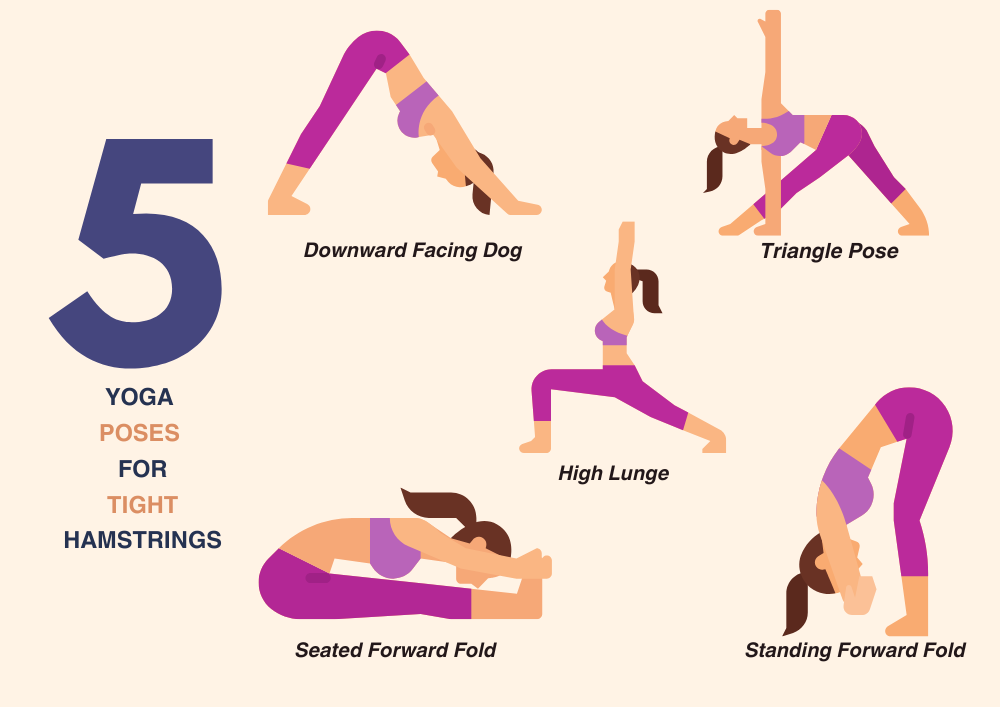
Credit: myyogateacher.com
Tips For Faster Flexibility Gains
Incorporate dynamic stretches into your daily routine to enhance flexibility swiftly. Focus on consistent yoga practices like the sun salutation sequence. Regular breathing exercises can also boost muscle relaxation and elasticity.
Flexibility is a cornerstone of yoga, enhancing both your practice and daily life. The good news is, you can boost your flexibility faster with a few strategic techniques. Whether you’re a beginner or seasoned yogi, these tips can help accelerate your flexibility gains effectively.Warm-up Techniques
Warming up is crucial for preparing your muscles and joints for deeper stretches. Start with dynamic movements like arm circles or leg swings to get your blood flowing. A light sun salutation series can also serve as an excellent warm-up routine, gradually increasing your heart rate and loosening up tight areas.Progressive Stretching
Progressive stretching involves gradually increasing the intensity of your stretches over time. Begin with poses that are comfortable and slowly push your limits as your flexibility improves. Remember to hold each stretch for at least 30 seconds to give your muscles time to relax and elongate.Listening To Your Body
It’s vital to listen to your body’s signals to avoid overstraining. Pay attention to any discomfort or pain, and adjust your poses accordingly. Flexibility is a personal journey, and respecting your body’s limits can prevent injuries while promoting a sustainable practice. Implementing these tips can make a significant difference in how quickly you see results. Have you ever noticed how your body feels after a dedicated stretching session? By tuning into these strategies, you’re setting the stage for a more flexible and mindful yoga practice.Common Mistakes To Avoid
Achieving flexibility through yoga requires patience. Common mistakes include over-stretching and inconsistent practice. Focus on gradual improvement and regular routines to see progress.
Embarking on a journey to get flexible fast through yoga can be incredibly rewarding. However, it’s crucial to avoid common pitfalls that can hinder your progress or even lead to injury. Being aware of these mistakes can ensure a safer and more effective practice.Overstretching
Pushing your body beyond its limits can do more harm than good. I once thought that forcing my body into advanced poses would speed up my progress. Instead, I ended up with a strained muscle that set me back weeks. Remember, gradual progress is key. Flexibility improves over time, not overnight. Listen to your body and respect its current limits. This will help you build a sustainable practice without unnecessary setbacks.Ignoring Pain Signals
Pain is your body’s way of telling you something is wrong. Ignoring these signals can lead to injuries, some of which might take a long time to heal. Early in my yoga journey, I ignored a persistent twinge in my shoulder, leading to a long recovery period. If you feel pain, stop and reassess your form or seek guidance. Discomfort is different from pain—learn to differentiate between the two. Your long-term flexibility will benefit from this awareness.Skipping Rest Days
Rest days are crucial for muscle recovery and growth. I used to believe that practicing every single day would make me flexible faster. However, it often left me exhausted and sore. Your body needs time to recover and adapt to the new demands you’re placing on it. Incorporate rest days into your schedule to prevent burnout and promote flexibility. How can you expect your body to perform its best if it’s constantly fatigued? By avoiding these common mistakes, you pave the way for a more rewarding yoga practice. Your flexibility journey is unique, and respecting your body’s needs will ensure steady progress.
Credit: www.youtube.com
Using Props For Enhanced Flexibility
Yoga props can boost flexibility quickly. Blocks and straps help deepen poses and stretch muscles safely. Regular use enhances alignment and reduces injury risk, making flexibility gains faster and more sustainable.
Enhancing your flexibility through yoga doesn’t mean you have to be a contortionist right away. Using props can significantly accelerate your journey to becoming more flexible. They provide the necessary support and alignment, allowing you to safely extend your limits without risking injury. Let’s explore how these props can be your best allies in achieving that flexibility you’ve been dreaming of.Yoga Blocks And Straps
Yoga blocks and straps are essential tools for any yogi aiming to improve flexibility quickly. Blocks can be used to bring the floor closer to you, making poses like Triangle or Half Moon more accessible. They also help you maintain balance, which is crucial when you’re trying to deepen your stretches. Straps, on the other hand, act as extensions of your limbs. They are perfect for poses like Seated Forward Bend where reaching your toes might seem impossible. By looping the strap around your feet, you can gently pull yourself deeper into the stretch, gradually increasing your flexibility.Bolsters And Blankets
Bolsters and blankets offer a different kind of support that is particularly beneficial for restorative and yin yoga practices. Bolsters can be placed under your back, hips, or knees to provide support and allow your body to relax into the stretch. This relaxation is key to increasing flexibility as it helps release tension in the muscles. Blankets can be folded and used to support your knees in seated poses or to cushion your head in supine positions. They add an element of comfort that encourages you to hold poses longer, thus improving flexibility over time. Have you ever noticed how a small adjustment can make a huge difference in your comfort level? That’s the magic of using these props effectively. Using these props not only makes yoga more accessible but also more enjoyable. They allow you to explore poses with confidence and ease. So, next time you hit the mat, don’t shy away from incorporating a block or a bolster—your body will thank you for it.Combining Yoga With Other Activities
Combining yoga with activities like swimming or dancing can boost flexibility quickly. Gentle stretches warm up muscles, enhancing mobility. Mixing these exercises creates a balanced routine, improving flexibility and overall fitness.
Combining yoga with other activities can enhance your flexibility journey. Mixing various exercises brings a balanced approach to fitness. Yoga alone provides many benefits. Yet, pairing it with other activities can speed up progress. Let’s explore some activities that complement yoga effectively.Pilates For Core Strength
Pilates focuses on strengthening the core muscles. A strong core supports better posture in yoga. This helps prevent injuries and improves balance. Pilates exercises like the plank and hundred enhance your core. These moves are great for building endurance and control.Dance For Coordination
Dance enhances coordination and rhythm, valuable for yoga. Different dance styles offer unique benefits. Ballet improves posture and body awareness. Hip-hop increases agility and quick movements. Each dance form can improve your yoga practice. Dance encourages freedom of movement, which boosts flexibility.Strength Training Benefits
Strength training builds muscle, which supports yoga poses. Lifting weights or using resistance bands can enhance muscle tone. This results in more stability during yoga sessions. Strong muscles protect joints and improve overall physical health. Incorporating strength training twice a week is beneficial. This combination aids in achieving flexibility quickly.Frequently Asked Questions
How Can Yoga Improve Flexibility Quickly?
Yoga improves flexibility by stretching muscles and increasing range of motion. Consistent practice helps lengthen muscles and improve joint mobility. Focus on poses that target tight areas and hold them for at least 30 seconds. Incorporating yoga into your routine three to four times a week can yield fast results.
What Yoga Poses Increase Flexibility The Most?
Certain poses are particularly effective for increasing flexibility. These include Downward Dog, Pigeon Pose, and Forward Fold. Each targets different muscle groups, helping to stretch and lengthen. Practicing these poses regularly can significantly enhance your flexibility over time, especially when combined with deep breathing.
How Often Should I Practice Yoga For Flexibility?
For best results, practice yoga at least three to four times a week. Consistency is key in developing flexibility. Each session should include a variety of poses targeting different muscle groups. This regular practice helps to gradually lengthen muscles and improve range of motion.
Can Beginners Get Flexible With Yoga?
Yes, beginners can increase flexibility with yoga. Start with basic poses and gradually progress to more challenging ones. Listen to your body and avoid overstretching. Consistent practice will lead to improvements in flexibility over time. Yoga is accessible to all levels and offers modifications to suit beginners.
Conclusion
Yoga helps improve flexibility fast with regular practice. Start with simple poses. Gradually increase difficulty as your body adapts. Consistency is key. Dedicate time each day for stretching. Listen to your body. Don’t push too hard to avoid injuries. Breathing deeply aids relaxation and movement.
Stay patient with your progress. Celebrate small achievements along the way. Over time, you’ll notice positive changes. Flexibility enhances overall well-being and reduces stress. Incorporating yoga into daily life boosts both mind and body. Begin your journey now for a healthier, more flexible you.
Keep practicing and enjoy the benefits!