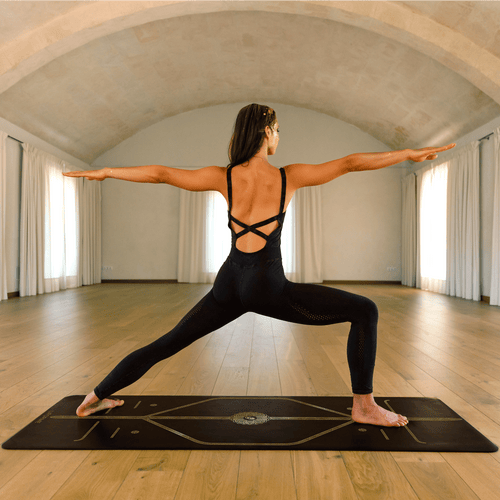
Are you dreaming of effortlessly touching your toes or achieving that perfect backbend? Flexibility isn’t just a perk for gymnasts and dancers; it’s a vital element of overall wellness.
Incorporating yoga into your routine could be the game-changer you need. But with so many yoga styles out there, you might wonder which one is best for enhancing your flexibility. If you’re eager to unlock your body’s full potential and move with ease, you’re in the right place.
This guide will help you discover the perfect yoga type tailored to boost your flexibility, ensuring your body feels more fluid and balanced. Dive in and find out how you can stretch your limits and transform your body.
Hatha Yoga
Hatha Yoga focuses on gentle poses and breathing exercises. It improves flexibility and balance effectively. Ideal for beginners seeking a flexible body.
Hatha Yoga is often celebrated for its gentle and nurturing approach, making it an ideal choice for enhancing flexibility. This traditional form of yoga focuses on physical postures and breathing techniques, offering a balanced pathway to improving your body’s suppleness and range of motion. Whether you’re a beginner or seasoned practitioner, Hatha Yoga provides a foundation to explore flexibility in a mindful and structured way.Foundational Poses
Hatha Yoga introduces you to a variety of foundational poses that serve as building blocks for flexibility. These poses, like the Forward Bend and Triangle, gently stretch your muscles, promoting greater elasticity over time. With regular practice, you’ll notice how these simple yet effective poses help in loosening tight areas in your body. Imagine starting your morning with a gentle Forward Bend, feeling your hamstrings gradually release tension.Breath And Balance
Breathing plays a crucial role in Hatha Yoga, acting as a bridge between mind and body. Synchronizing your breath with movement enhances your ability to stretch deeper, making flexibility more attainable. Balanced breathing calms your nervous system, creating a serene mental space that encourages your muscles to relax and stretch further. Have you ever felt the rush of relaxation with a deep inhale followed by a slow exhale during a pose? This is where breath transforms your practice. Incorporating balance poses like the Tree Pose not only challenges your stability but also increases your body’s pliability. As you hold a pose, your focus on breathing helps maintain equilibrium, allowing your body to stretch and strengthen simultaneously. Are you ready to explore how Hatha Yoga can be your ally in achieving greater flexibility?Vinyasa Yoga
Vinyasa Yoga enhances flexibility with fluid movements and synchronized breathing. This dynamic practice stretches muscles and improves range of motion. Perfect for those seeking a balance between strength and flexibility.
Vinyasa Yoga is a dynamic style focusing on breath and movement. It connects each pose seamlessly, creating a flow. This yoga type is popular for enhancing flexibility. It energizes both body and mind.Flow And Movement
Vinyasa Yoga emphasizes continuous movement. Transitions between poses are smooth and purposeful. Each movement aligns with a breath, creating a rhythmic flow. This constant motion warms up the muscles. Warm muscles stretch more easily, increasing flexibility.Increasing Range Of Motion
Vinyasa sequences target various muscle groups. Regular practice improves flexibility across the body. Each session includes poses that stretch the arms, legs, and back. The variety helps maintain interest while improving mobility. As flexibility increases, so does the range of motion. This makes daily activities easier and more comfortable.Ashtanga Yoga
Ashtanga Yoga is ideal for enhancing flexibility. It involves a series of postures performed in a specific order. Regular practice helps improve muscle elasticity and joint mobility.
Ashtanga Yoga is a popular style known for its structured and challenging sequences. This form of yoga emphasizes the synchronization of breath with movement. Practitioners flow through a series of postures designed to increase strength and flexibility. This dynamic practice often attracts those seeking physical improvement and mental focus. Ashtanga Yoga is a disciplined practice that progresses through six series, each more demanding than the last. It’s ideal for those committed to a regular practice, as it requires dedication and consistency.Dynamic Sequences
Ashtanga Yoga consists of dynamic sequences that challenge the body. These sequences build heat and energy, promoting flexibility. Practitioners move swiftly from one pose to another, maintaining a rhythmic flow. This continuous movement stretches muscles and enhances joint flexibility. Each pose prepares the body for the next, ensuring balanced development. The sequence is designed to engage every part of the body.Building Flexibility Over Time
Flexibility in Ashtanga Yoga develops gradually. Regular practice leads to increased muscle elasticity. Practitioners often notice changes in their range of motion. The repetitive nature of Ashtanga aids in loosening tight muscles. Over time, the body adapts to the demands of each series. Practicing consistently helps in overcoming initial stiffness. Flexibility gains are achieved through patience and perseverance.
Credit: parade.com
Iyengar Yoga
Iyengar Yoga is renowned for its focus on precision and alignment, making it an excellent choice for those seeking to enhance flexibility. This style of yoga emphasizes detailed attention to the body’s posture and structure, providing a solid foundation for improving range of motion. Whether you’re a beginner or an advanced practitioner, Iyengar Yoga offers a systematic approach to stretching and strengthening muscles, ultimately leading to greater flexibility.
Precision And Alignment
In Iyengar Yoga, precision is key. Each pose is meticulously aligned to ensure that every part of your body is engaged correctly. This attention to detail helps prevent injuries and maximizes the effectiveness of each stretch.
Have you ever held a pose and felt unsure if you were doing it right? Iyengar Yoga’s focus on alignment provides clarity. By knowing exactly how your body should be positioned, you can deepen your stretches safely and effectively.
Using Props For Flexibility
Props are a unique feature of Iyengar Yoga that aids in achieving flexibility. Blocks, belts, and bolsters are commonly used to support and enhance your practice. They allow you to reach positions that might otherwise be inaccessible, making challenging poses more approachable.
Imagine having a tool that helps you stretch further than you thought possible. That’s what props do in Iyengar Yoga—they bridge the gap between your current flexibility and your potential. Using props, you can gradually increase your range of motion without straining your muscles.
Have you tried using props in your yoga practice? They might just be the missing link in your journey to greater flexibility. Consider incorporating them into your routine and see how they transform your practice.
Bikram Yoga
Bikram Yoga enhances flexibility through a series of 26 postures performed in a heated room. This practice helps lengthen muscles and improve range of motion, offering a dynamic approach to increasing flexibility.
Bikram Yoga is a popular choice for improving flexibility. It consists of a series of 26 postures. These are performed in a heated room. This environment helps increase stretchability. Each session lasts for 90 minutes. The heat helps muscles stretch safely. Many people find it effective for enhancing flexibility.Heat And Stretch
The heated room is a key feature of Bikram Yoga. It is usually set at 105 degrees Fahrenheit. This warmth helps loosen tight muscles. Warm muscles are easier to stretch. The heat also reduces the risk of injury. Sweating during the session helps detoxify the body. The warm environment aids in deeper stretches. This promotes greater flexibility over time.Intensive Practice
Bikram Yoga involves an intensive routine. The same 26 poses are practiced each time. Each pose targets different muscles. This repetition improves muscle memory. It also enhances endurance and flexibility. The sequence includes standing and floor poses. Each has its own benefits for flexibility. The intensity of practice builds strength and flexibility. Regular practice leads to noticeable improvements.Yin Yoga
Yin Yoga is ideal for improving flexibility. It involves holding poses for several minutes, deeply stretching muscles and connective tissues. This practice enhances joint mobility and releases tension, making it perfect for those seeking greater flexibility.
Yin Yoga is a tranquil and meditative form of yoga that focuses on reaching deep into your body’s connective tissues. If you’re seeking to improve flexibility, this practice might be your ideal match. Unlike more dynamic styles, Yin Yoga encourages you to find stillness and breathe through the discomfort, allowing your body to open up gradually.Deep Stretching
Yin Yoga targets the body’s deeper tissues, such as ligaments and joints, through deep stretching. This yoga style involves passive poses held for extended periods, which helps to lengthen and strengthen these areas. You might find that Yin Yoga challenges you in unexpected ways, offering profound relaxation while pushing your limits. Consider the butterfly pose, where you sit with the soles of your feet together and let gravity gently stretch your hips. The longer you stay, the deeper the stretch becomes, gently coaxing your muscles to release tension.Holding Poses Longer
In Yin Yoga, holding poses longer is key to unlocking flexibility. This extended duration allows your body to sink deeper into each posture, fostering increased flexibility over time. It requires patience and mindfulness, transforming how you approach discomfort. Imagine lying in a forward fold for several minutes, feeling your hamstrings gradually ease into a more relaxed state. This practice teaches you to embrace stillness and discomfort, cultivating resilience both on and off the mat. Have you ever noticed how often you rush through challenges without truly experiencing them? Yin Yoga invites you to slow down, breathe, and embrace the journey toward flexibility.Restorative Yoga
Restorative Yoga gently enhances flexibility through deep stretches and relaxation. Poses focus on softening tight muscles and easing tension. Ideal for those seeking a calm approach to improving flexibility.
Restorative yoga is a gentle practice focusing on relaxation and healing. It uses props like blankets and bolsters to support the body. This allows deep stretching without strain. Each pose is held for longer periods, aiding in stress relief. The calm environment enhances mental and physical flexibility.Gentle Stretching
Restorative yoga involves gentle stretching that eases tension. Soft movements help muscles relax and lengthen. Props assist in maintaining comfortable positions. This promotes deeper stretches without discomfort. The slow pace encourages awareness of the body’s limits. It improves flexibility gradually, making it perfect for beginners.Relaxation And Flexibility
Relaxation is key to increasing flexibility in restorative yoga. Holding poses for extended time releases muscle tightness. Breathing deeply during poses enhances relaxation. This calms the mind and body, reducing stress. A relaxed body adapts better to stretches, boosting flexibility. The serene atmosphere aids in connecting with your body.
Credit: lifecoachhub.com
Choosing The Right Yoga
Choosing the right type of yoga can be a game-changer in your quest for flexibility. With numerous styles available, it’s important to align your choice with your personal goals and preferences. The right yoga practice can help you unlock your body’s potential, improve your mobility, and enrich your physical journey. But how do you pinpoint the perfect style for you?
Assessing Personal Goals
Before diving into a yoga class, take a moment to reflect on your flexibility goals. Are you looking to touch your toes, or is your aim to achieve more advanced poses? Pinpointing your objectives can guide you towards the most suitable yoga style.
If your goal is to enhance flexibility, consider styles like Hatha or Yin yoga. These practices emphasize slow, deep stretches that gradually increase your range of motion. On the other hand, if you’re aiming to balance flexibility with strength, styles like Vinyasa or Ashtanga might be more appropriate.
Remember, your flexibility journey is unique. What works for one person might not work for another. By identifying your goals, you can select a yoga type that resonates with your personal aspirations.
Finding The Right Environment
The environment in which you practice yoga can significantly impact your progress. Are you someone who thrives in a calm, intimate setting, or do you prefer the energy of a bustling studio?
Consider trying out different locations to find where you feel most comfortable. Some people find that practicing at home gives them the freedom to explore poses without pressure. Others might benefit from the guidance and community found in a studio setting.
The right environment can bolster your commitment and enthusiasm. It’s about finding a space where you feel motivated and inspired to improve your flexibility. Could a change in setting be the missing link in your yoga journey?

Credit: lifecoachhub.com
Frequently Asked Questions
What Is The Best Yoga For Flexibility?
Vinyasa yoga is excellent for improving flexibility. It involves fluid movements and transitions between poses. These dynamic sequences help increase range of motion. Regular practice of Vinyasa yoga can significantly enhance your body’s flexibility and strength.
How Does Yoga Improve Flexibility?
Yoga improves flexibility by lengthening and stretching muscles. It involves a variety of poses that target different muscle groups. This practice helps in loosening tight areas and increasing the body’s range of motion. Consistent yoga practice leads to improved flexibility over time.
Can Beginners Improve Flexibility With Yoga?
Yes, beginners can improve flexibility with yoga. Starting with gentle styles like Hatha yoga is beneficial. These styles focus on slow movements and basic poses. They help beginners gradually increase flexibility and strength. Consistent practice will yield positive results.
How Often Should You Do Yoga For Flexibility?
Practicing yoga 3-4 times a week is ideal for flexibility. Consistency is key to seeing improvement. Regular practice helps in gradually increasing your range of motion. It also ensures that you maintain the flexibility gained over time.
Conclusion
Finding the right yoga type boosts flexibility significantly. Hatha yoga introduces gentle stretches. Vinyasa flows offer dynamic movement. Yin yoga targets deep connective tissues. Bikram yoga includes heat for deeper stretches. Regular practice improves flexibility over time. Explore different styles to see what suits you best.
Listen to your body’s needs and limits. Consistency is key for progress. Enjoy the journey toward better flexibility. Celebrate small improvements along the way. Yoga offers both physical and mental benefits. Start your practice today and experience the difference. Your flexibility will thank you.