
Are you tired of feeling stiff and inflexible? Do you dream of moving with ease and grace?
If so, you’re not alone. Many people are searching for the perfect way to enhance their mobility and flexibility. The big question is: Is yoga the best choice for you? Imagine being able to stretch effortlessly, feeling relaxed and rejuvenated after each session.
Yoga promises not just physical benefits, but also a sense of inner calm. But is it truly the ultimate solution for your mobility and flexibility needs? Dive into this article to uncover the truth and decide if yoga is the key to unlocking your body’s potential. Your journey to a more flexible and mobile you might just start here.

Credit: www.advancedhumanperformance.com
Yoga And Physical Health
Yoga is a powerful practice that enhances physical health. It improves mobility and flexibility, promoting better movement and reducing stiffness. Through a series of poses and stretches, yoga strengthens muscles and increases range of motion. This makes daily activities easier and can prevent injuries. For those seeking a healthier lifestyle, yoga offers a natural path to improved physical well-being.
Historical Background
Yoga has ancient roots, tracing back over 5,000 years. Originating in India, it was developed as a spiritual practice. The goal was to connect body and mind. Over centuries, yoga evolved and spread worldwide. It became popular for its health benefits. Today, millions practice yoga for various reasons. Its historical journey shows its lasting value in physical health.
Yoga’s Core Principles
Yoga rests on several core principles. The principle of balance is central. It involves balancing body, mind, and spirit. Breathing techniques, or pranayama, are vital for focus and relaxation. Meditation is another key aspect. It helps center thoughts and reduce stress. Yoga also emphasizes alignment and posture. Proper form aids in effective practice and prevents injury. These principles guide practitioners to better mobility and flexibility.
Credit: myyogateacher.com
Enhancing Mobility With Yoga
Yoga has gained a reputation as a powerful tool for enhancing mobility, offering a unique blend of strength, flexibility, and mindfulness. It isn’t just about stretching; it’s about creating space within your body for improved movement. Whether you’re looking to ease joint stiffness or improve your overall range of motion, yoga provides a holistic approach to better mobility.
Key Poses For Joint Health
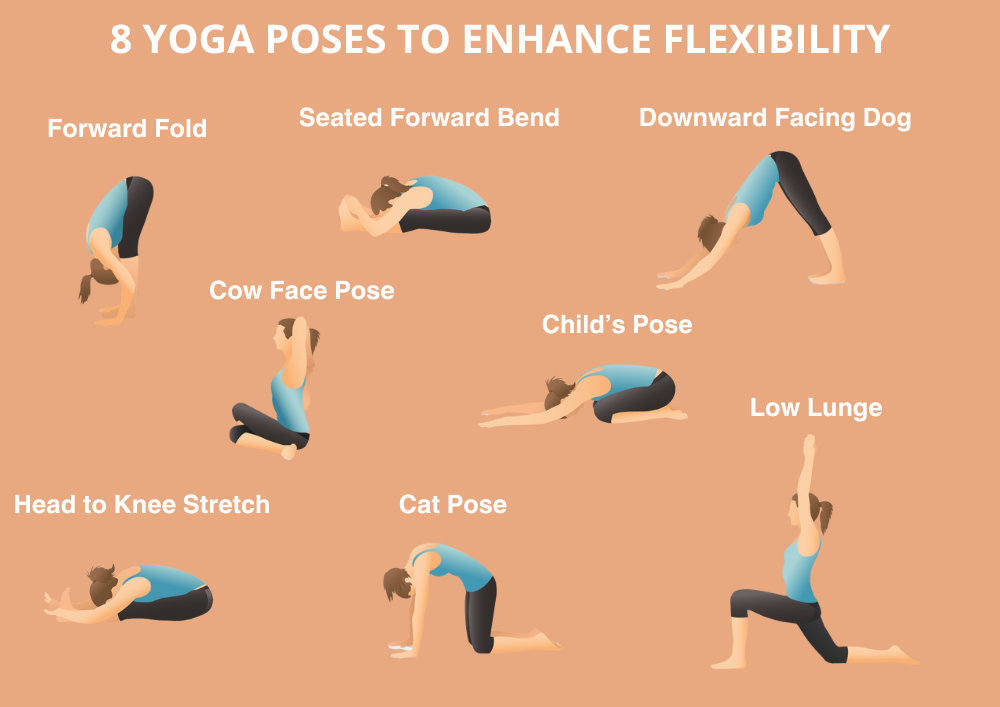
Specific yoga poses target joint health, helping you maintain flexibility and prevent stiffness. The Cat-Cow poseis excellent for spinal flexibility, promoting movement in the back and neck. Warrior IIstrengthens the legs while opening the hips, crucial for those who sit for long periods.
Practicing the Triangle posecan improve balance and stretch the hips and groin, important for maintaining mobility as you age. Regularly incorporating these poses into your routine can lead to noticeable improvements in joint health.
Role Of Breathing Techniques
Breathing is often an overlooked aspect of yoga that plays a vital role in enhancing mobility. Deep, conscious breathing helps oxygenate your muscles, allowing them to relax and stretch more effectively. Techniques like Ujjayi breath, where you gently constrict your throat, can create internal heat and increase circulation.
Next time you’re in a yoga class, pay close attention to your breath. Are you breathing deeply and evenly? This small adjustment can make a big difference in how your body feels and moves.
Consider this: how often do you focus on your breath during physical activity? Integrating these breathing techniques into your daily life can improve not just your yoga practice, but your overall well-being.
Flexibility Benefits Of Yoga
Yoga enhances mobility and flexibility through gentle stretching. Regular practice can improve joint movement and muscle elasticity. This ancient exercise promotes a balanced body and mind, making it ideal for those seeking increased physical agility.
Yoga is often hailed as a go-to practice for enhancing flexibility. Its popularity isn’t just a trend; many people have experienced firsthand the flexibility benefits that yoga provides. Whether you’re a seasoned yogi or a beginner, yoga can offer you the tools to improve your body’s range of motion and elasticity. Let’s dive into the specific flexibility benefits of yoga, focusing on improving muscle elasticity and posture and alignment.Improving Muscle Elasticity
Yoga works wonders on muscle elasticity. Through regular practice, your muscles become more pliable, allowing for smoother and more fluid movements. Have you ever noticed how easily some people can bend and twist without discomfort? Yoga can help you achieve that by stretching and lengthening your muscles over time. Consistency is key. With regular yoga sessions, you’ll notice that your muscles start responding better to stretching exercises. Poses like the downward dog or the cobra stretch engage different muscle groups, promoting elasticity. Think about how much easier everyday tasks could become with improved muscle elasticity. Whether it’s reaching for something on a high shelf or bending down to tie your shoes, a flexible body can make life more comfortable.Posture And Alignment
Yoga doesn’t just stop at flexibility; it goes a step further by improving your posture and alignment. Poor posture can lead to a variety of health issues, from back pain to headaches. Yoga poses focus on aligning your body correctly, which can help mitigate these problems. Imagine sitting at your desk without the constant need to shift and adjust. Yoga strengthens your core muscles, which support your spine and improve your overall posture. Simple poses like the mountain pose or the tree pose can make a significant difference. You might find that with better posture, your confidence also improves. Standing tall and aligned not only feels good physically but also boosts your mental well-being. Have you tried standing in a yoga pose during a break at work? It could be a game changer for both your body and mind.Comparing Yoga With Other Practices
Yoga stands out for enhancing mobility and flexibility through gentle stretching and mindful breathing. Other practices might focus on strength or endurance, but yoga uniquely integrates body and mind for overall wellness. Its holistic approach makes it a popular choice for many seeking greater range of motion.
Yoga is widely known for its benefits in enhancing mobility and flexibility. Comparing yoga with other practices helps us understand its unique features. Let’s explore how yoga stands against Pilates and stretching exercises.Pilates Vs. Yoga
Pilates focuses on core strength and stability. It uses precise movements to improve posture. Yoga, on the other hand, emphasizes holistic body flexibility and mental relaxation. Yoga incorporates breathing techniques and meditation. It promotes overall well-being while enhancing mobility. Pilates is more structured, while yoga provides a spiritual touch.Stretching Exercises
Stretching exercises target specific muscle groups. They are simple and effective for immediate flexibility. Yoga involves dynamic sequences and deep stretches. It encourages mindfulness during practice. Stretching is straightforward, but yoga offers a meditative experience. Yoga integrates body and mind, providing a comprehensive approach to flexibility.Yoga For Different Age Groups
Yoga enhances mobility and flexibility across all ages. For children, it improves balance and coordination. Adults benefit from increased flexibility, while seniors gain better joint health and mobility.
Yoga offers benefits for people of all ages, enhancing mobility and flexibility. Each age group can gain unique advantages from practicing yoga. From young athletes seeking improved performance to seniors aiming for better mobility, yoga caters to diverse needs. Its adaptability makes it a valuable tool for everyone.Youth And Athletic Performance
Yoga supports youth in developing strong athletic skills. It improves flexibility, which is crucial for sports. Young athletes often face tight muscles. Yoga stretches help loosen them. This reduces the risk of injury. Balance and coordination also improve with regular practice. These elements are vital for sports success. Mental focus is another benefit. Yoga teaches concentration and control. This aids in better performance during games or matches.Senior Mobility Enhancement
Seniors experience enhanced mobility through yoga. It gently stretches muscles and joints. This maintains their range of motion. Yoga helps alleviate stiffness common in older age. Balance exercises reduce the risk of falls. Seniors gain confidence in their movement. Breathing techniques in yoga improve lung capacity. This aids in overall wellness. Meditation and relaxation promote mental health. Seniors feel more peaceful and centered.Scientific Evidence And Studies
Recent studies highlight yoga’s role in enhancing mobility and flexibility. Researchers found consistent practice improves joint range and muscle elasticity. Scientific evidence supports yoga’s potential as an effective method for increasing physical flexibility.
Yoga is often hailed for improving mobility and flexibility. But what does science say? Various studies have explored yoga’s impact on physical capabilities. They provide insights into how effective yoga truly is.Research On Flexibility Improvements
Several studies highlight yoga’s positive effects on flexibility. A study published in the International Journal of Yoga found significant flexibility gains. Participants practiced yoga consistently over several weeks. Another study in the Journal of Strength and Conditioning Research supported these findings. It showed that yoga improves flexibility in both young and older adults. Many research papers confirm that yoga enhances range of motion. This is especially true for areas like the spine and hips.Long-term Mobility Benefits
Yoga not only boosts flexibility but also enhances long-term mobility. A study in the Journal of Aging and Physical Activity explored this aspect. Researchers found that regular yoga practice aids in maintaining mobility as we age. It helps in retaining joint health and balance. The study concluded that yoga reduces the risk of mobility-related issues. People engaging in yoga showed improved walking speed and posture. This suggests yoga’s role in promoting long-term physical independence. Scientific evidence thus supports yoga’s benefits for mobility and flexibility. Regular practice can lead to notable physical improvements. This makes yoga a valuable addition to any fitness routine.Integrating Yoga Into Daily Routine
Yoga enhances mobility and flexibility through gentle stretching and mindful movements. It strengthens muscles and joints, improving everyday activities. Regular practice can lead to increased range of motion and reduced stiffness.
Integrating Yoga into your daily routine can be a transformative way to enhance mobility and flexibility. It doesn’t require hours on the mat to reap the benefits. Even a few minutes each day can make a significant difference in how you feel and move.Creating A Balanced Schedule
Start by assessing your current daily routine. Identify pockets of time where you can fit a short yoga session. This could be in the morning to energize your day or in the evening to unwind. Consistency is key. Set realistic goals, like a 10-minute session each day. Use reminders on your phone to stay on track. Mix it up. Incorporate different styles of yoga to target various muscles. Balance your sessions with a combination of stretching and strength poses.Adapting To Different Lifestyles
Your lifestyle may dictate when and how long you can practice yoga. If you have a busy schedule, micro-sessions can be a game-changer. Busy parents can involve their kids, turning yoga into a fun family activity. Office workers might benefit from chair yoga during breaks. Consider your energy levels. If you’re a night owl, evening yoga might suit you better. Reflect on your routine and personalize your practice to align with your lifestyle. Are you ready to make yoga a part of your daily life? It’s about small, consistent steps that lead to big improvements in mobility and flexibility.
Credit: www.advancedhumanperformance.com
Common Misconceptions
Yoga is often seen as the ultimate solution for mobility and flexibility. Many misconceptions cloud its true benefits and effectiveness. Misunderstandings can lead to skepticism and missed opportunities for improvement. It’s important to clear these myths and understand the facts.
Yoga Myths And Facts
Some believe yoga is only for the flexible. This is not true. Yoga is accessible to everyone, regardless of flexibility level. It helps improve mobility over time. Another myth is that yoga is just stretching. Yoga involves strength, balance, and mindfulness. It’s much more than simple stretching exercises. Some think yoga results are instant. Flexibility and mobility improvements take time and practice. Consistent yoga practice leads to gradual enhancement. Clearing these myths can encourage more people to try yoga.
Addressing Skepticism
Skepticism often stems from misconceptions. Many doubt yoga’s effectiveness without trying it. Real experiences from yoga practitioners can address doubts. Testimonials show gradual improvements in flexibility and mobility. Yoga might seem slow-paced, but its long-term benefits are significant. Highlighting how yoga integrates mind and body can change skeptical views. It’s not just physical; it brings mental clarity too. Educating others on its true benefits can shift perceptions positively.
Frequently Asked Questions
What Makes Yoga Effective For Flexibility?
Yoga enhances flexibility by stretching muscles and improving joint range. Regular practice increases elasticity and reduces stiffness. This promotes better movement and posture. Yoga also helps in releasing tension, which can further aid flexibility. Consistent practice can lead to noticeable improvements in flexibility over time.
How Does Yoga Improve Mobility?
Yoga improves mobility by strengthening muscles and enhancing coordination. It focuses on controlled movements and balance. This increases joint stability and range of motion. Yoga also promotes body awareness, helping you move more efficiently. Regular practice can lead to sustained improvements in overall mobility.
Is Yoga Suitable For All Ages?
Yes, yoga is suitable for all ages. It offers modifications for different abilities. This makes it accessible to children, adults, and seniors. Yoga classes often cater to varying skill levels, ensuring safe practice. Always consult with a healthcare professional before starting, especially for those with pre-existing conditions.
Can Yoga Prevent Injury?
Yoga can help prevent injuries by improving flexibility and strength. It enhances body awareness, reducing the risk of strains. Yoga also promotes better posture and alignment, which can prevent overuse injuries. Regular practice helps in maintaining muscle balance, crucial for injury prevention.
Conclusion
Yoga offers notable benefits for mobility and flexibility. It enhances joint movement and muscle strength. Regular practice helps reduce stiffness and improves balance. You can experience better posture and less pain. Yoga fits all ages and fitness levels. It combines physical exercise with mental relaxation.
This holistic approach boosts overall well-being. So, consider adding yoga to your routine. Explore various styles to find what suits you best. Consistency is key for long-term results. Enjoy the journey towards improved mobility and flexibility with yoga.