Are you on a quest for effective weight loss strategies? You’re not alone.
With countless tips and tricks circulating the internet, it can be overwhelming to find what’s truly effective. One question that often arises in this sea of advice is: Does Vitamin C help with weight loss? You might already be familiar with Vitamin C as an immune booster, but its potential role in weight management is a topic that piques curiosity.
Before you dismiss it as just another myth, imagine unlocking a simple yet powerful tool that could aid your weight loss journey. Delve deeper, and you might discover how this essential nutrient could be the ally you’ve been searching for.
Vitamin C And Metabolism
Vitamin C is often hailed as a wonder nutrient, celebrated for its immune-boosting properties and skin-enhancing abilities. But did you know that it might also play a pivotal role in your metabolism? Understanding how vitamin C affects your body’s energy production and fat oxidation could be the key to unlocking your weight loss potential.
Role In Energy Production
Your body relies on vitamin C to synthesize carnitine, a compound crucial for converting fat into energy. Imagine your body as a car; without fuel, it can’t run efficiently. Vitamin C acts like a mechanic ensuring your energy levels remain optimal. Have you ever noticed feeling more energized after a diet rich in fruits like oranges and kiwis? That’s vitamin C at work, supporting your body’s ability to produce energy efficiently.
Impact On Fat Oxidation
Fat oxidation is the process by which your body breaks down fat molecules to use as energy. Vitamin C can enhance this process, potentially aiding in weight loss. Consider this: studies suggest that individuals with higher vitamin C levels oxidize 30% more fat during moderate exercise. Next time you’re on a jog, could a glass of refreshing orange juice beforehand make a difference? Maybe it’s worth a try!
As you think about your daily habits, ask yourself: are you getting enough vitamin C to support your metabolism? Incorporating this nutrient into your diet might be a simple yet effective strategy to boost your energy and enhance fat oxidation. Could it be the missing piece in your weight loss journey?

Credit: www.hollandandbarrett.com
Vitamin C And Appetite Control
Vitamin C is often celebrated for its immune-boosting powers, but did you know it might also help with appetite control? Many people wonder if this vitamin can influence their eating habits and ultimately aid in weight loss. While it’s not a magic bullet, understanding how vitamin C affects hunger and cravings can be a game-changer for your weight management journey.
Influence On Hunger Hormones
Vitamin C can impact the hormones that regulate hunger. It plays a role in the production of serotonin, a neurotransmitter that helps control your appetite and mood. Maintaining adequate vitamin C levels might support your body’s ability to manage these hormones effectively.
Think about how your mood influences your food choices. When you’re feeling down, you might reach for comfort foods. If vitamin C helps balance serotonin, it could indirectly guide you towards healthier eating habits.
Effects On Cravings And Satiety
Vitamin C may also have an impact on how full you feel after eating. Some studies suggest it can enhance the feeling of satiety, helping you feel content with smaller portions. This means you might find yourself less tempted by that late-night snack.
Have you ever noticed how certain nutrients make you feel more satisfied? Consider adding vitamin C-rich foods like oranges or bell peppers to your meals. You might discover that these foods help curb those nagging cravings.
Vitamin C And Exercise Performance
Vitamin C, widely known for its immune-boosting properties, plays a significant role in enhancing exercise performance. This potent antioxidant can affect your physical endurance and recovery, making it a valuable addition to your fitness routine. But how does it really impact your workouts and weight loss journey?
Enhancing Physical Endurance
Imagine you’re halfway through a challenging run, and your energy levels drop. Vitamin C can help by supporting your cardiovascular system and improving oxygen flow during exercise. This increase in oxygen availability can boost your endurance, allowing you to push through those tough moments.
Regular intake of Vitamin C-rich foods, like oranges or bell peppers, can maintain your energy levels during workouts. Try adding these to your pre-workout meal and notice the difference in your stamina.
Recovery And Muscle Soreness
Post-workout recovery is crucial for achieving fitness goals, and Vitamin C can aid in reducing muscle soreness. Its antioxidant properties help neutralize free radicals produced during intense exercise, promoting quicker recovery.
Incorporating Vitamin C in your diet, such as through a refreshing smoothie with strawberries or kiwi, might lessen the discomfort after a strenuous workout. Why not experiment with different recipes and see which one helps you feel better?
Are you leveraging Vitamin C to optimize your exercise routine? Consider making it part of your fitness strategy for improved performance and recovery.
Sources Of Vitamin C
Citrus fruits, berries, and leafy greens are rich in Vitamin C. This vitamin may support weight loss by boosting metabolism and reducing body fat. Enjoy these foods to potentially aid your weight management journey.
Vitamin C is not just a powerhouse for boosting immunity; it’s also essential when considering its role in weight management. But where can you find this vital nutrient? The sources of Vitamin C are diverse, and understanding them can empower you to make healthier choices that may aid in your weight loss journey.Fruits And Vegetables
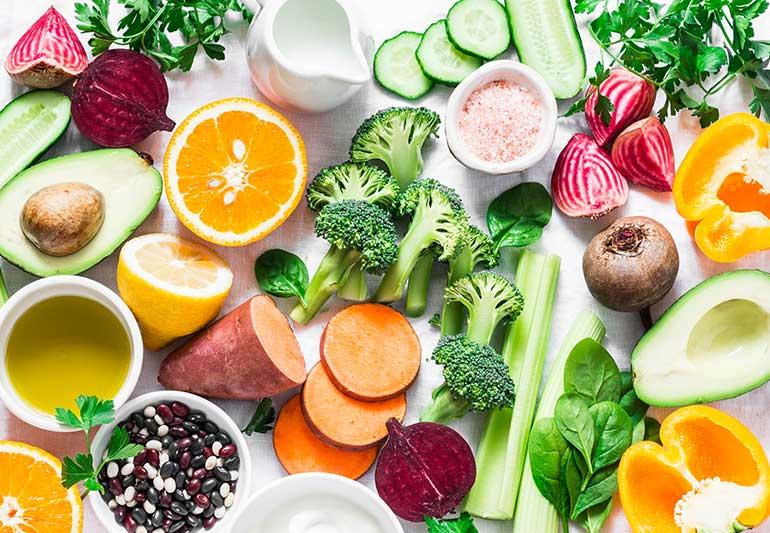
Fruits and vegetables are the most natural sources of Vitamin C. Citrus fruits like oranges, lemons, and grapefruits are well-known for their high Vitamin C content. Did you know that a single kiwi can provide more than your daily requirement of Vitamin C? It’s true! Vegetables such as bell peppers, broccoli, and spinach are also rich in this nutrient. Incorporating these into your meals can be a simple way to boost your Vitamin C intake while enjoying a variety of flavors and textures. How often do you reach for a refreshing fruit or a crunchy vegetable when hunger strikes?Supplements And Daily Requirements
Supplements can be a convenient option to ensure you’re meeting your Vitamin C needs, especially if your diet lacks fresh produce. They come in various forms, including tablets and chewable gummies, making it easy to integrate into your daily routine. However, it’s crucial to know your daily requirement. The recommended daily allowance for Vitamin C varies, but generally, adults should aim for about 65-90 milligrams per day. Over-supplementation can lead to unwanted side effects, so balance is key. Ever wondered if you might be taking too much or too little?Scientific Studies On Vitamin C And Weight Loss
Vitamin C is widely known for its immune-boosting properties, but could it also play a role in weight loss? Scientists have explored this intriguing possibility through various studies. Understanding the relationship between vitamin C and weight loss can help you make informed choices about your diet and supplementation.
Key Research Findings
Some scientific studies suggest that vitamin C may aid in weight loss by enhancing fat oxidation during exercise. For example, research has shown that individuals with adequate vitamin C levels may burn more fat than those with lower levels.
Another study found that vitamin C deficiency could lead to increased body fat and a decrease in the effectiveness of weight loss efforts. This highlights the importance of maintaining sufficient vitamin C levels for optimal metabolic function.
While these findings are promising, it’s essential to remember that vitamin C alone is not a magic bullet for weight loss. It should be part of a balanced diet and healthy lifestyle.
Limitations And Considerations
Despite some positive findings, the research on vitamin C and weight loss is not entirely conclusive. Many studies focus on small sample sizes or short durations, limiting their applicability to broader populations.
Additionally, individual responses to vitamin C supplementation can vary widely. Factors like genetics, diet, and exercise habits play a significant role in how effective vitamin C is for weight loss.
It’s also important to consider your overall nutritional intake. Relying solely on vitamin C without addressing other dietary needs may not yield the desired results. How do you incorporate vitamin C into a comprehensive weight loss plan?

Credit: thegoodbug.com
Combining Vitamin C With A Healthy Lifestyle
Pairing Vitamin C with a balanced lifestyle may support weight loss efforts. It boosts metabolism and aids fat oxidation. Eating fruits and vegetables rich in Vitamin C can complement exercise and healthy eating habits.
Combining Vitamin C with a healthy lifestyle can enhance weight loss efforts. This combination ensures the body functions optimally. Vitamin C supports the immune system and boosts energy levels. It also helps the body absorb iron, an essential mineral. For effective weight loss, pairing Vitamin C with a balanced diet and regular exercise is key.Balanced Diet Integration
Integrating Vitamin C into a balanced diet is simple. Include fruits like oranges, strawberries, and kiwis. Vegetables such as bell peppers and broccoli are also rich in Vitamin C. These foods are low in calories, aiding weight loss. They provide fiber, which keeps you full longer. A balanced diet ensures you get necessary nutrients while shedding pounds.Exercise And Activity Synergy
Exercise boosts the benefits of Vitamin C. Regular activity increases metabolism, burning more calories. Vitamin C helps repair tissues post-exercise, reducing soreness. This allows for more frequent workouts without discomfort. Choose activities you enjoy to maintain consistency. Walking, cycling, or yoga can be great options. Together, Vitamin C and exercise promote a healthier lifestyle.
Credit: www.amazon.in
Frequently Asked Questions
Does Vitamin C Boost Metabolism For Weight Loss?
Vitamin C can enhance metabolism by aiding the conversion of glucose to energy. This process supports weight management. It also helps in reducing oxidative stress, which can impact metabolic efficiency. However, vitamin C alone is not a weight loss solution and should be part of a balanced diet and lifestyle.
How Does Vitamin C Impact Fat Burning?
Vitamin C plays a role in synthesizing carnitine, a compound essential for fat metabolism. It helps transport fatty acids into cells for energy production. Adequate vitamin C levels may assist in fat burning. Combining vitamin C intake with regular exercise and healthy eating enhances its effectiveness in weight management.
Can Vitamin C Reduce Belly Fat?
Vitamin C alone won’t target belly fat specifically. It supports overall weight management and metabolic health. By reducing oxidative stress and enhancing energy conversion, it can contribute to fat loss. For effective belly fat reduction, combine vitamin C intake with a balanced diet and regular exercise.
Is Vitamin C Effective For Weight Loss?
Vitamin C is not a direct weight loss aid. It supports metabolism and overall health, aiding in weight management. Combined with healthy eating and regular exercise, it can contribute to weight loss efforts. Always consider a holistic approach to weight loss, incorporating various nutrients and lifestyle changes.
Conclusion
Vitamin C can support weight loss, but it’s not a magic solution. A balanced diet and regular exercise remain crucial. Vitamin C helps boost metabolism and energy levels. Fresh fruits and vegetables are great sources. They provide essential nutrients, too.
Don’t rely solely on supplements. Focus on a healthy lifestyle. Stay hydrated and eat mindfully. Small changes can lead to big results. Consult with a healthcare professional for personalized advice. Remember, every body is unique. Patience and consistency are key in your weight loss journey.