You’re hitting the gym, pushing your limits, and lifting heavier weights each day. But with each lift, a question lingers in your mind: “Does a lifting belt really prevent injury, or is it just another piece of gym gear?”
You’re not alone in your curiosity. Many fitness enthusiasts like you wonder whether strapping on a belt is necessary for safety or if it’s just another accessory. Imagine knowing the truth and lifting with confidence, secure in the knowledge that you’re doing everything to protect your body.
Let’s dive into the facts, unravel the myths, and discover what a lifting belt can actually do for you. Don’t you want to ensure every rep is backed by the right support? Keep reading, because what you’ll learn might just change how you approach your workouts forever.
Role Of Lifting Belts
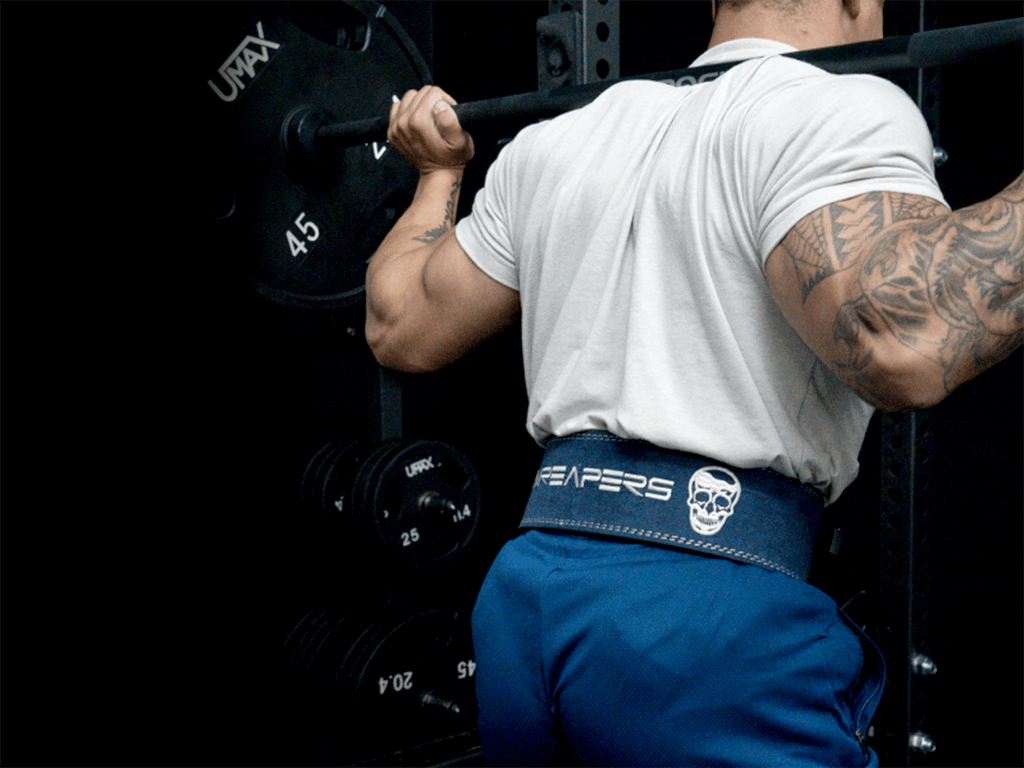
Lifting belts support the lower back during heavy lifts. They reduce stress on the spine and improve stability. Though not a guarantee, they can help prevent injuries by encouraging proper form and posture.
The role of lifting belts in weightlifting is often debated. These belts are commonly seen in gyms and competitions. They serve a specific purpose that many lifters appreciate. Understanding their role can help in making informed decisions about using them.Enhancing Core Stability
Lifting belts provide support to the lower back. They help stabilize the core during heavy lifts. This stability reduces the risk of injury. By giving external support, they allow lifters to focus on form. A stable core is crucial for lifting safely.Increasing Intra-abdominal Pressure
The belt increases pressure inside the abdomen. This pressure acts like a brace for the spine. It helps maintain a safe posture during lifts. Increased pressure can lead to lifting heavier weights safely. This support is beneficial during maximum effort lifts.Limiting Excessive Spine Movement
Belts limit movement of the spine. They keep it aligned during heavy lifts. Excessive movement can lead to injury. By restricting movement, belts aid in maintaining proper form. This is especially important for complex lifts.Providing Psychological Support
Wearing a belt can boost confidence. It gives lifters a sense of security. This mental support often results in improved performance. Confidence can enhance focus and determination. Feeling secure can make a difference in lifting heavier weights.Guiding Proper Lifting Technique
Belts encourage proper lifting form. They act as a reminder to engage the core. This engagement is crucial for safe lifting. Proper technique prevents injuries. Belts serve as a tool to reinforce correct form during exercises.Types Of Lifting Belts
Lifting belts come in various types, including powerlifting and bodybuilding belts. They provide support to the lower back during heavy lifts. While they can help reduce the risk of injury, proper technique and training are essential for effective injury prevention.
Understanding the different types of lifting belts can help choose the right one. Each type offers unique benefits and features suited for various lifting needs. Below, we explore three popular types of lifting belts available on the market.Leather Belts
Leather belts are known for their durability and support. They provide firm and consistent pressure around the waist. This helps stabilize the core during heavy lifts. Leather belts often feature a sturdy buckle. This ensures a secure fit. They are ideal for powerlifting and weightlifting. Their thick design offers maximum protection against injury. However, they may be less flexible than other types.Nylon Belts
Nylon belts offer a balance between comfort and support. They are lighter and more flexible than leather belts. This makes them suitable for a variety of workouts. Nylon belts often include adjustable straps. This allows for a customizable fit. They are perfect for those who need moderate support. Their design allows greater mobility. They are often favored by CrossFit enthusiasts.Velcro Belts
Velcro belts are praised for convenience and ease of use. They feature a Velcro closure system. This allows quick adjustments during workouts. Velcro belts are generally lighter and more flexible. This makes them ideal for lighter lifting routines. They provide adequate support for the back and abdomen. Their simplicity and comfort make them popular among beginners. However, they may not offer the same level of support as leather belts.How Lifting Belts Work
Lifting belts are a common tool in weightlifting. They aim to enhance safety. But how exactly do they work? Many believe they provide significant protection. Understanding their function can help us use them effectively. Let’s delve into the mechanisms behind lifting belts.
Intra-abdominal Pressure
A lifting belt increases intra-abdominal pressure. It works like an inflated balloon inside your belly. This pressure stabilizes your spine. It helps prevent excessive bending. With this support, you can lift heavier weights safely. This pressure also reduces stress on your lower back.
Spinal Support
The belt provides a physical brace for your spine. It fits snugly around your waist. This snug fit limits excessive spinal movement. Your spine stays in a neutral position. This reduces the risk of injury. The belt’s firm structure acts as a safeguard. It helps maintain proper lifting posture.

Credit: www.gymreapers.com
Common Myths
Many gym-goers believe lifting belts are essential for preventing injuries. Yet, misconceptions persist about their true effectiveness. Clarifying these myths helps lifters make informed decisions.
Belts And Instant Strength
Some think wearing a belt gives instant strength. This is a common myth. A belt supports the core during heavy lifts. But it doesn’t magically boost strength. Strength comes from consistent training and proper technique. A belt aids in stability but doesn’t replace solid form.
Belts As A Safety Guarantee
Another myth is that belts guarantee safety. People assume using a belt eliminates injury risks. This belief is misleading. Belts can reduce strain on the lower back. But they don’t prevent all injuries. Proper warm-up and technique are crucial for safety. Belts are tools, not guarantees.
Research On Injury Prevention
When it comes to weightlifting, the debate over whether lifting belts truly prevent injury is ongoing. Many gym-goers swear by them, while others question their effectiveness. Understanding the research on injury prevention can help you make an informed decision about whether a belt should be part of your fitness arsenal.
Studies Supporting Belt Use
Research has shown that lifting belts can be beneficial in preventing injuries, especially during heavy lifts. A study found that belts help stabilize the spine and reduce stress on the lower back, which can be crucial when you’re pushing your limits with heavy squats or deadlifts.
Weightlifting belts also encourage proper form, leading to fewer injuries. By providing abdominal pressure, they help maintain core stability, ensuring your posture doesn’t falter under heavy loads. This can be a game-changer, especially if you’re prone to slouching or rounding your back during lifts.
Studies Questioning Effectiveness
However, not all research supports the use of lifting belts for injury prevention. Some studies suggest that belts may offer a false sense of security, leading lifters to push beyond their physical limits and increase the risk of injury.
Moreover, relying solely on a belt could potentially weaken your core over time. Without the belt, your body might not naturally engage the muscles needed for stabilization, possibly leading to imbalances and injuries when lifting without support.
So, the question arises: should you depend on a belt, or focus on strengthening your core and technique? The answer might lie in understanding your body and lifting goals. Are you using a belt as a crutch, or as a tool to enhance your performance safely?
Credit: www.gymreapers.com
When To Use A Lifting Belt
Wearing a lifting belt can offer support during heavy lifts but doesn’t guarantee injury prevention. It stabilizes the spine, reducing stress on the lower back. Use it for max lifts or when lifting near personal bests to enhance safety.
When deciding whether to strap on a lifting belt, understanding the appropriate scenarios is key. Lifting belts are not just for show; they serve a specific purpose in supporting your core and reducing stress on your spine during heavy lifts. However, they aren’t necessary for every weightlifting session. Knowing when to use a belt can enhance your performance and help prevent injury.Heavy Lifting Scenarios
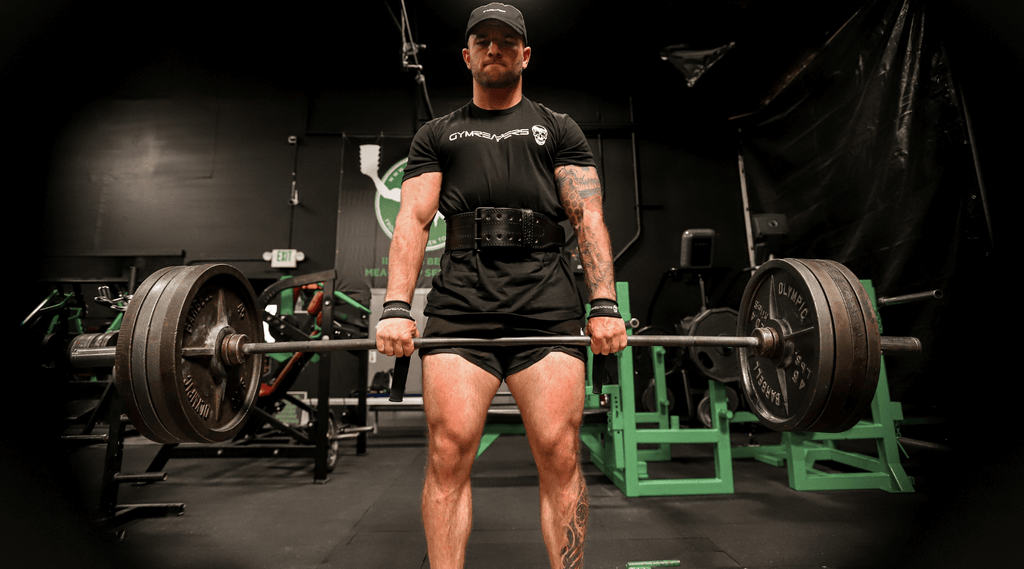
During intense lifting sessions, especially those involving exercises like deadlifts and squats, a belt can be a valuable asset. When you’re pushing your limits with heavy weights, a belt helps stabilize your lower back and abdomen. This added stability can make a significant difference in maintaining proper form, which is crucial to avoid injuries. Have you ever felt that extra pressure on your back when attempting a personal best? A lifting belt can help manage this by increasing intra-abdominal pressure, effectively acting as a brace for your spine. Still, it’s essential to first focus on building a strong core without a belt. A belt is a tool, not a crutch.Training And Competition
When preparing for a competition, incorporating a lifting belt into your training routine can be beneficial. It helps you get accustomed to the belt, ensuring comfort and familiarity on competition day. Familiarity with your gear can boost your confidence and performance under pressure. In a competitive setting, every advantage counts. A belt provides that extra edge by allowing you to lift heavier weights safely. However, during regular training, you might choose to use the belt sparingly to ensure your core muscles remain strong and engaged. When do you feel it’s most beneficial to use a lifting belt? Understanding your own body and its needs will guide you in making the right choice. Remember, the goal is to lift safely and effectively while continuously improving your strength and form.Proper Belt Usage
Lifting belts support the lower back during heavy lifts. They can reduce the risk of injuries by stabilizing the spine. Proper usage is crucial; wearing them too often can weaken core muscles over time.
Using a lifting belt can be a game-changer in your weightlifting routine, offering enhanced support and stability. However, its effectiveness hinges on proper usage. Misuse can not only reduce its benefits but also potentially lead to injury. It’s crucial to understand how to wear your belt correctly to reap the maximum benefits.Correct Positioning
Positioning is key when it comes to using a lifting belt effectively. The belt should sit snugly around your midsection, covering the navel area. It’s not meant to be worn high on your chest or low on your hips. Ensure the back of the belt is centered on your lumbar spine. This provides optimal support where your body needs it most during heavy lifts. Have you ever noticed how a slight shift in position can change everything?Tightness And Comfort
A common mistake is wearing the belt too tight or too loose. Finding the right balance between tightness and comfort is essential. The belt should be snug enough to support your core but not so tight that it restricts breathing. You should be able to take a deep breath and feel the belt brace against your abdomen. This pressure helps stabilize your spine. Ever tried to lift with a belt that felt like a corset? It’s more hindrance than help. Always adjust for comfort without sacrificing support. How do you ensure your belt is perfectly adjusted for your lifting sessions? The answer lies in listening to your body and making small adjustments as needed.Alternatives To Lifting Belts
Exploring alternatives to lifting belts can be beneficial. Strength training with proper technique reduces injury risk. Core exercises and proper form are key.
When considering alternatives to lifting belts, the focus shifts to how you can naturally support your body while lifting weights. Many lifters rely on belts for support, but there are other effective ways to prevent injury and enhance performance. Exploring these alternatives can empower you with the knowledge and skills to lift safely and confidently without external support.Core Strengthening Exercises
Strengthening your core is a powerful way to support your body during heavy lifts. A strong core acts like a natural belt, providing stability and reducing the risk of injury. Engage in exercises like planks, Russian twists, and leg raises to build this vital area. Try incorporating compound movements like squats and deadlifts into your routine. These exercises naturally engage your core and improve its strength over time. Consistency is key, and you’ll notice a significant difference in how secure and confident you feel during lifts.Proper Lifting Techniques
Using the right lifting techniques is crucial to prevent injuries. Focus on maintaining good posture throughout your lifts. Keep your back straight, shoulders back, and engage your core. Before lifting, position your feet shoulder-width apart for a stable base. As you lift, focus on using your legs and hips rather than your back. This technique not only protects your spine but also maximizes your lifting power. Have you ever considered filming your lifts? Watching your form can highlight areas for improvement. It’s a simple yet effective way to ensure you’re lifting safely and efficiently.Expert Opinions
Experts debate the effectiveness of lifting belts in injury prevention. Some argue they offer support, while others stress proper technique. Belts may reduce strain but can’t replace good form.
When it comes to understanding whether lifting belts truly prevent injuries, hearing from experts can provide valuable insights. You might have seen many gym enthusiasts strapping on a belt before lifting heavy weights. But what do the professionals who guide these athletes every day have to say? Let’s delve into what trainers and physical therapists think about the protective power of lifting belts.Trainers’ Insights
Trainers often emphasize the importance of proper technique over reliance on equipment. A seasoned trainer might tell you that a lifting belt is not a magic shield against injuries. It’s a tool that, when used correctly, can support your core and help maintain form. Imagine you’re about to lift a heavy barbell. Your trainer might suggest that the belt is there to remind you to brace your core. It doesn’t replace the need for strong abdominal and back muscles. Some trainers argue that belts could give a false sense of security. This can lead to lifting weights beyond your capability, increasing the risk of injury. They recommend using a belt as a supplement to good form and not as a crutch.Physical Therapists’ Perspectives
Physical therapists bring a different viewpoint, focusing on the body’s mechanics and recovery. They often highlight that while belts can support the lower back, they should not be relied upon for injury prevention. Instead, they encourage strengthening the body’s natural stabilizers. Consider your spine as a structure that needs support from strong muscles rather than external aids. A physical therapist might share that over-reliance on belts could lead to weaker core muscles. This could hinder long-term physical health and performance. They might ask you to think about how often you rely on a belt. Is it every heavy lift or only on your maximum attempts? This could influence your body’s natural ability to stabilize itself. Balancing belt use with core strengthening exercises may be the key to avoiding injuries. Ultimately, the consensus among experts is that lifting belts can be beneficial. However, they should be used in conjunction with proper form, strength training, and awareness of one’s limits. How do you incorporate these insights into your workout routine?
Credit: gunsmithfitness.com
Frequently Asked Questions
How Does A Lifting Belt Work?
A lifting belt stabilizes your core during heavy lifts. It increases intra-abdominal pressure, providing better spine support. This added support helps maintain proper form, reducing the risk of injury. However, it’s not a substitute for proper lifting techniques.
Are Lifting Belts Necessary For Beginners?
For beginners, focusing on form is crucial. A lifting belt can provide support during heavy lifts, but it’s not essential. Beginners should prioritize learning proper techniques before relying on equipment. A belt can be beneficial as they progress to heavier weights.
Can Lifting Belts Replace Proper Form?
Lifting belts enhance support but don’t replace proper form. They should be used in conjunction with correct techniques. Relying solely on a belt can lead to improper form and increase injury risk. It’s crucial to master lifting techniques for long-term safety and effectiveness.
When Should I Wear A Lifting Belt?
Wear a lifting belt during heavy compound lifts like squats and deadlifts. It can be beneficial when lifting near maximum capacity. For lighter weights or exercises not stressing the core, a belt might not be necessary. Always prioritize proper technique alongside belt use.
Conclusion
Lifting belts offer support but don’t guarantee injury prevention. Their use depends on personal needs. Proper form and technique matter more for safety. Belts help stabilize the core during heavy lifts. They can boost confidence and performance. Yet, relying solely on a belt can be risky.
Strengthen your core and learn correct lifting techniques. Pay attention to your body’s signals. Consult a trainer for guidance. Safety comes first in weightlifting. Balance equipment with skill and awareness. Make informed choices for your fitness journey. Stay safe, lift smart, and enjoy your progress.