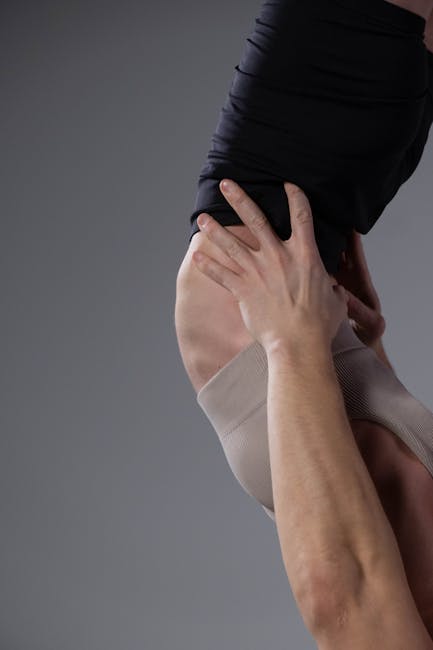
Imagine combining the joy of dancing with the benefits of a workout. You might wonder, “Does dancing build muscle?”
This intriguing question could change how you view your next dance session. If you’re someone who loves to groove to your favorite tunes, and you’re curious about boosting your fitness and muscle tone, then you’re in the right place. This article is going to shed light on the surprising ways dancing can transform your body.
By the end, you’ll discover why your next dance party might be the most fun workout you’ve ever had. Stay with us as we explore how each step, twirl, and leap could be sculpting your muscles in ways you never expected.

Credit: www.tiktok.com
The Mechanics Of Dance
Dancing engages various muscle groups, enhancing strength and endurance. It involves repetitive movements that can help build lean muscle mass. Regular dance sessions promote muscle toning and improve overall physical fitness.
The Mechanics of Dance Dance is a powerful form of expression. It combines art with physical movement. Every step and turn involves muscle engagement. Dance routines often look graceful and effortless. Yet, they demand strength and endurance.Types Of Dance Styles
Dance styles vary greatly. Ballet requires elegant and precise movements. Hip-hop is energetic and often rapid. Contemporary dance blends different techniques. Each style engages muscles differently. Some require more upper body strength. Others focus on the core and legs.Muscle Groups Engaged
Dancing works multiple muscle groups. The legs are constantly in motion. This builds strength in the calves and thighs. The core is crucial for balance. It stabilizes the dancer during leaps and spins. Arms and shoulders are also involved. They help with fluid movements and posture. Dance enhances muscle tone. It improves flexibility and coordination. Many dancers develop strong and lean bodies. This comes from consistent practice and technique.
Credit: www.instagram.com
Dance As A Workout
Dance is more than just a fun activity; it’s a dynamic workout that engages your entire body. Whether you’re grooving to hip-hop, twirling in ballet, or shaking it up with salsa, dance offers a unique way to build muscle and improve fitness. It combines cardiovascular exercises with strength training, making it a perfect workout option for those seeking variety and excitement.
Cardio And Endurance
Every dance session is a heart-pounding experience that increases your heart rate and boosts endurance. As you move rhythmically, your cardiovascular system gets a significant workout. This improves lung capacity and stamina. Over time, regular dance workouts enhance your ability to perform physical activities without getting easily fatigued.
Consider how you feel after a high-energy dance class. Your heart races, and you’re sweating. This is your body pushing its limits and increasing endurance. The continuous movements challenge your cardiovascular system, making it more efficient. Do you notice you can dance longer and feel less tired? That’s your endurance building up.
Strength And Conditioning
Dancing isn’t just about moving to the beat; it’s also about building strength. As you hold positions or execute jumps, you’re using muscles in new ways. Different dance styles target various muscle groups, helping you tone and condition your body.
- Leg Muscles:Jumps and squats in dance routines strengthen your calves and thighs.
- Core Muscles:Twists and turns engage your abs and lower back.
- Arm Muscles:Lifts and holds build your biceps and shoulders.
Have you ever felt sore after a dance class? That’s your muscles working hard, adapting, and growing stronger. Dance challenges your muscles differently compared to traditional workouts, offering a comprehensive conditioning experience.
Next time you think about skipping your dance class, remember the benefits it brings to your cardiovascular health and muscle strength. Why not put on your dancing shoes and experience the joy of fitness through movement? You might just find it’s the workout you’ve been looking for.
Muscle Building Potential
Dancing can enhance muscle building by engaging various muscle groups. Dance routines often involve repetitive movements, strengthening core and leg muscles. Regular dancing boosts endurance and muscle tone, contributing to overall fitness.
Muscle Building Potential Dancing offers more than just fun and creativity. It can build muscle too. This activity engages various muscle groups. It combines cardio with strength elements. It improves endurance and muscle tone. It is a dynamic workout that challenges the body.Resistance And Bodyweight Benefits
Dancing uses bodyweight for resistance. This helps strengthen muscles. Movements like jumps and lifts work the legs and core. They require control and strength. These actions activate muscle fibers. They build strength over time. Dancing also improves balance and coordination. It enhances muscle definition.Comparison With Traditional Strength Training
Dancing differs from regular strength workouts. It offers flexibility and movement. Traditional strength training focuses on weights and machines. Both methods increase muscle mass. Dancing adds aerobic benefits. It boosts cardiovascular health. It strengthens muscles while improving heart function.Incorporating Dance For Muscle Growth
Dancing is not just a fun activity; it’s a powerful workout. Many wonder if it can help build muscle. The answer is yes. By incorporating dance into your fitness routine, you can promote muscle growth. Dance uses multiple muscle groups, strengthening and toning them. It’s an excellent way to improve endurance and flexibility. Let’s explore how dance can be combined with other exercises and specific routines for muscle activation.
Combining Dance With Other Exercises
Mixing dance with traditional workouts can enhance muscle building. Consider pairing dance with weight training. This combination targets different muscle fibers. Dance routines often include jumps, squats, and lunges. These movements complement strength exercises. You can also add resistance bands to your dance routine. Bands increase the intensity of movements. This helps in muscle growth.
Cardio workouts can also be integrated with dance. High-energy dance styles like Zumba boost heart rate. This burns calories while toning muscles. Alternating between dance and cardio keeps workouts dynamic. It prevents boredom and promotes consistent muscle engagement. Dance stretches are great for cooling down after strength training. They help in muscle recovery and flexibility.
Dance Routines For Muscle Activation
Some dance styles are particularly effective for muscle activation. Ballet focuses on controlled movements. This activates core muscles and improves balance. Hip-hop dance involves fast, intense movements. These work on leg and arm muscles. Salsa dancing is another excellent choice. It engages the hips, legs, and arms. Quick steps and turns make muscles work harder.
Creating a dance routine that targets specific muscles is beneficial. Start with a warm-up to prepare your muscles. Include dance moves that require bending and twisting. These activate the core and back muscles. Follow with leg-focused steps like kicks and lunges. End with arm movements to tone biceps and triceps. Repeating this routine regularly increases muscle strength.
Nutrition And Recovery
Dancing can indeed help build muscle, especially in the legs, core, and arms. It combines cardio with strength, offering a full-body workout. Proper nutrition enhances recovery, allowing muscles to repair and grow stronger.
Dancing is not just about rhythm and movement; it’s a full-body workout that demands proper nutrition and recovery to enhance performance and muscle growth. Understanding what you eat and how you recuperate plays a significant role in achieving your dancing goals. Without proper care in these areas, you might find yourself struggling to keep up with the demands of dance.Dietary Needs For Dancers
Your body needs the right fuel to keep dancing energetically. Dancers should focus on a balanced diet rich in carbohydrates for energy, proteins for muscle repair, and fats for overall health. Consider incorporating foods like lean meats, whole grains, and plenty of fruits and vegetables into your daily meals. Hydration is equally crucial. Drinking enough water helps maintain muscle function and prevents cramps. Are you drinking enough before and after your dance sessions?Importance Of Rest And Recovery
Muscles grow and strengthen during rest, not while you’re dancing. Adequate sleep is vital for muscle repair and overall energy levels. Aim for at least 7-8 hours of quality sleep each night. Incorporate rest days into your routine to allow your body to recover. This doesn’t mean being inactive; light activities like yoga or walking can be beneficial. Listen to your body. It’s okay to take a break if you’re feeling fatigued or experiencing pain. How often do you give yourself time to truly rest?Success Stories
Dancing can help build muscle through repetitive movements and resistance exercises. Muscles are strengthened as dancers balance and lift their own body weight. Various dance styles engage different muscle groups, promoting overall muscle development.
Success stories inspire and motivate those curious about dancing to build muscle. Real-life transformations show how dance can reshape bodies and lives. These stories highlight personal achievements and the power of movement.Transformation Through Dance
Many individuals have seen their bodies transform through dance. Sarah, a former office worker, shed 30 pounds and gained muscle. She shared how dance classes improved her stamina and core strength. Now, Sarah enjoys activities she never thought possible. Her success story encourages others to embrace dance for fitness. John, a college student, started dancing to relieve stress. Over time, he noticed significant muscle definition. His confidence soared as he mastered complex routines. John’s story proves that dance can enhance both physical and mental well-being.Testimonials From Dancers
Dancers from various backgrounds share their muscle-building journeys. Emily, a ballet dancer, credits her toned physique to rigorous practice. Ballet demands strength, balance, and endurance. Her dedication to dance sculpted her body and improved her posture. Carlos, a hip-hop enthusiast, transformed his physique through energetic routines. He explains how dance strengthened his legs and core. Carlos’s testimonial highlights the diverse benefits of dance styles on muscle development. These stories illustrate the potential of dance as a fitness tool. Whether through ballet, hip-hop, or other styles, dance offers a path to muscle building.Tips For Beginners
Dancing can help build muscle through various movements and routines. It engages different muscle groups, enhancing strength and endurance. Regular practice can lead to toned muscles and improved flexibility.
Embarking on a dancing journey can be a thrilling experience. Not only does it offer a fun way to stay active, but it can also help build muscle. For beginners, the path to mastering dance while toning your body may seem daunting. However, with the right tips, you can make this journey enjoyable and effective.Choosing The Right Dance Style
Finding a dance style that resonates with you is crucial. Different styles work various muscle groups. For example, ballet emphasizes core strength and flexibility, while hip-hop can build your leg and arm muscles. Think about what excites you. Do you love the idea of spinning and leaping? Contemporary might be your best bet. Prefer something more rhythmic and energetic? Consider salsa or Zumba. Experiment with a few classes. Most studios offer trial lessons. This way, you can see which style fits your personality and fitness goals.Staying Motivated And Consistent
Consistency is key to building muscle through dance. But staying motivated can be challenging. Setting specific goals can keep you on track. For instance, aim to attend three classes a week or master a particular routine. Celebrate small victories. Did you finally nail that tricky move? Reward yourself with something small, like a favorite snack or a relaxing bath. Engage with a community. Whether it’s an online forum or a group of friends, having a support system can boost your motivation. You’ll find that sharing your progress and challenges with others can be incredibly encouraging. Remember, every dancer started as a beginner. What will your dancing journey teach you?
Credit: www.instagram.com
Frequently Asked Questions
Can Dancing Help In Muscle Growth?
Yes, dancing can aid in muscle growth. It involves repetitive movements that engage various muscle groups, especially in styles like ballet or hip-hop. While not as intensive as weightlifting, dancing still tones muscles, improves endurance, and increases flexibility, contributing to overall muscle development.
What Muscles Do Dancers Typically Use?
Dancers primarily engage core, leg, and arm muscles. Styles like ballet use calves and thighs extensively, while hip-hop targets upper body muscles. Core muscles are crucial across all dance forms for balance and stability. Regular practice helps in toning these muscles, enhancing strength and flexibility.
Is Dancing A Good Workout For Strength?
Dancing is an excellent strength workout. It combines cardiovascular exercise with bodyweight resistance, enhancing muscle endurance and tone. Dynamic movements challenge various muscle groups, improving overall strength. Although not a substitute for weight training, it is a fun and effective way to build muscle strength.
How Often Should I Dance To See Muscle Gains?
To see muscle gains from dancing, aim for at least 3-5 sessions weekly. Consistent practice helps engage different muscle groups, leading to gradual strength improvement. Combining dancing with other strength training exercises can accelerate muscle development and enhance overall fitness levels.
Conclusion
Dancing can indeed help build muscle. It involves various movements. These movements engage different muscle groups. Regular dancing can strengthen and tone your body. It combines cardio and strength training. So, your muscles get a good workout. Plus, it’s fun and enjoyable.
You don’t need fancy equipment. Just music and space to move. Consistency is key. Make dancing a regular part of your routine. Over time, you’ll see improvements. Not just in muscle tone, but in overall fitness. So, get moving. Dance your way to stronger muscles.
Enjoy the process and benefits.