
Have you ever wondered why some athletes seem unstoppable, while others struggle to keep up? The secret might be simpler than you think—it’s all about sleep.
Imagine waking up feeling refreshed, your mind sharp, and your body ready to tackle any challenge. That’s the power of a good night’s sleep. But did you know that the amount and quality of sleep you get can make or break your sports performance?
You’ll discover how sleep is not just a passive activity but a vital part of your training regimen. By understanding the link between sleep and athletic success, you can unlock your full potential. Ready to learn how to turn your rest into a performance-enhancing tool? Keep reading to find out how sleep can elevate your game to the next level.
Importance Of Sleep For Athletes
Quality sleep enhances athletes’ performance by improving focus and reaction times. Restful nights aid muscle recovery and boost endurance.
Sleep is a vital component of athletic performance. For athletes, getting enough sleep isn’t just about feeling refreshed; it’s about optimizing physical and mental abilities. Without proper sleep, your body struggles to repair muscles, consolidate memories, and regulate energy levels—all essential for top performance. Imagine stepping onto the field with a foggy mind and tired muscles. Would you be able to give your best? Let’s delve deeper into why sleep holds such importance for athletes.Enhancing Physical Recovery
Sleep is your body’s natural recovery mode. During deep sleep, your muscles repair and grow, crucial for athletes after intense workouts. Lack of sleep can slow down this process, leaving you sore and less prepared for the next challenge.Boosting Mental Sharpness
Mental acuity is as important as physical strength. Sleep improves your focus, decision-making, and reaction times. Picture yourself in a game where every split-second decision counts. Wouldn’t you want to be at your sharpest?Regulating Energy Levels
A well-rested body efficiently regulates energy. Sleep influences how your body stores and uses glucose, which fuels your activities. Less sleep means you’re likely to feel sluggish and fatigued, impacting your training and competition.Strengthening Immunity
Athletes need strong immune systems to avoid illnesses that can disrupt training. Sleep bolsters your immunity, making you less susceptible to infections. Wouldn’t you prefer to stay healthy and maintain consistency in your performance?Improving Mood And Motivation
Mood swings can derail your training sessions. Sleep stabilizes your mood and enhances motivation. When you’re well-rested, you’re more likely to stay positive and push through challenging routines. Are you getting enough sleep to maximize your athletic potential? It’s not just about quantity; quality matters too. Prioritize your sleep and witness the transformation in your performance.Sleep And Physical Recovery
Sleep is crucial for athletes. It aids in physical recovery, enabling peak performance. During sleep, the body undergoes essential processes that repair and rejuvenate. These processes are vital for muscle repair and injury prevention.
Muscle Repair
Muscles repair themselves during sleep. Growth hormone secretion peaks at night, aiding this process. This hormone is vital for muscle growth and repair. Lack of sleep reduces its production, hindering recovery. Athletes need adequate rest for optimal muscle function.
Injury Prevention
Good sleep reduces the risk of injuries. Tired muscles are more prone to strain and fatigue. Sleep strengthens the immune system, helping the body resist injuries. Athletes who sleep well have better coordination and reflexes. This can prevent accidents and injuries.
Impact On Mental Sharpness
Quality sleep enhances mental sharpness, crucial for decision-making and focus in sports. Restful nights improve reaction times, boosting performance.
Impact on Mental Sharpness Have you ever felt mentally sluggish during a game? Sleep has a profound effect on your mental clarity. When athletes sleep well, their minds stay sharp, ready to tackle any challenge. Lack of sleep can cloud your thinking. It affects how quickly and accurately you process information. In sports, where every second counts, mental sharpness can be your secret weapon.Focus And Concentration
Sleep plays a vital role in maintaining focus and concentration. When you’re sleep-deprived, your mind tends to wander. Imagine missing a critical pass because your attention slipped for a moment. That’s the power of sleep—or the lack of it—on your game. Consistent sleep helps keep your mind clear, allowing you to maintain your focus. To enhance your performance, prioritize getting enough rest.Decision-making Skills
Your ability to make quick decisions is crucial in sports. Sleep deprivation can slow down your decision-making process. Have you ever hesitated on the field, unsure of your next move? This hesitation can cost you the game. Well-rested athletes react faster and make smarter decisions. By improving your sleep, you enhance your mental agility, giving you an edge over your competition.
Credit: www.instagram.com
Sleep And Athletic Performance
Understanding the link between sleep and athletic performance can significantly impact your success in sports. Sleep is not just about recharging your body; it’s a critical component of recovery and performance optimization. Athletes who prioritize sleep often see improvements in speed, endurance, strength, and power.
Speed And Endurance
Lack of sleep can drastically reduce your speed and endurance. Studies show that athletes who get adequate rest can maintain their peak speed and performance for longer periods. Imagine running a marathon and feeling like your energy levels are constantly depleting; insufficient sleep might be the culprit.
How much faster could you run if you prioritized sleep? Regularly getting 7-9 hours of quality sleep can help you keep your pace up, even as you reach the final stretch. Consider adjusting your schedule to allow for more rest and see the difference it makes in your endurance.
Strength And Power
Have you ever felt like your muscles are not cooperating during a workout? That might be due to a lack of sleep. Sleep facilitates muscle recovery and growth by releasing growth hormones during deep sleep stages. This is essential for building strength and power.
If you’re aiming to lift heavier or increase your explosive power, consistent and quality sleep should be part of your training regimen. Track your sleep patterns and notice how they correlate with your strength gains. Are you giving your muscles the time they need to recover?
By focusing on sleep, athletes can enhance their performance across various domains. Consider sleep as an integral part of your training, just like your workouts and nutrition. What changes can you make today to improve your sleep and, in turn, your athletic prowess?
Sleep Disorders In Athletes
When it comes to achieving peak sports performance, sleep is often an underrated component. Athletes, like the rest of us, are susceptible to sleep disorders that can significantly impact their game. The stress of competition, intense training schedules, and travel can contribute to sleep disturbances. Understanding these issues is crucial for any athlete aiming to optimize their performance.
Common Sleep Issues
Many athletes experience common sleep disorders such as insomnia, sleep apnea, and restless leg syndrome. Insomnia, characterized by difficulty falling or staying asleep, can be exacerbated by pre-game anxiety or the pressure to perform. Sleep apnea, a condition where breathing repeatedly stops and starts during sleep, is more prevalent in athletes with larger necks or higher body mass.
Restless leg syndrome, marked by an uncontrollable urge to move the legs, often occurs in the evenings and disrupts the ability to fall asleep. Have you ever found yourself tossing and turning the night before a big game? These common issues can lead to nights of restless sleep, leaving you feeling fatigued rather than refreshed.
Effects On Performance
Sleep disorders in athletes don’t just affect mood; they have tangible impacts on physical performance. Lack of quality sleep can lead to slower reaction times, reduced accuracy, and diminished endurance. Imagine trying to execute a perfect shot or sprint to the finish line when your body feels like it’s running on empty.
Moreover, inadequate sleep hampers recovery, making it harder for your body to repair and strengthen muscles after training. This can increase the risk of injury and prolong recovery times. Have you ever noticed a pattern between your sleep quality and performance consistency? Addressing sleep disorders can be a game-changer for achieving your athletic goals.
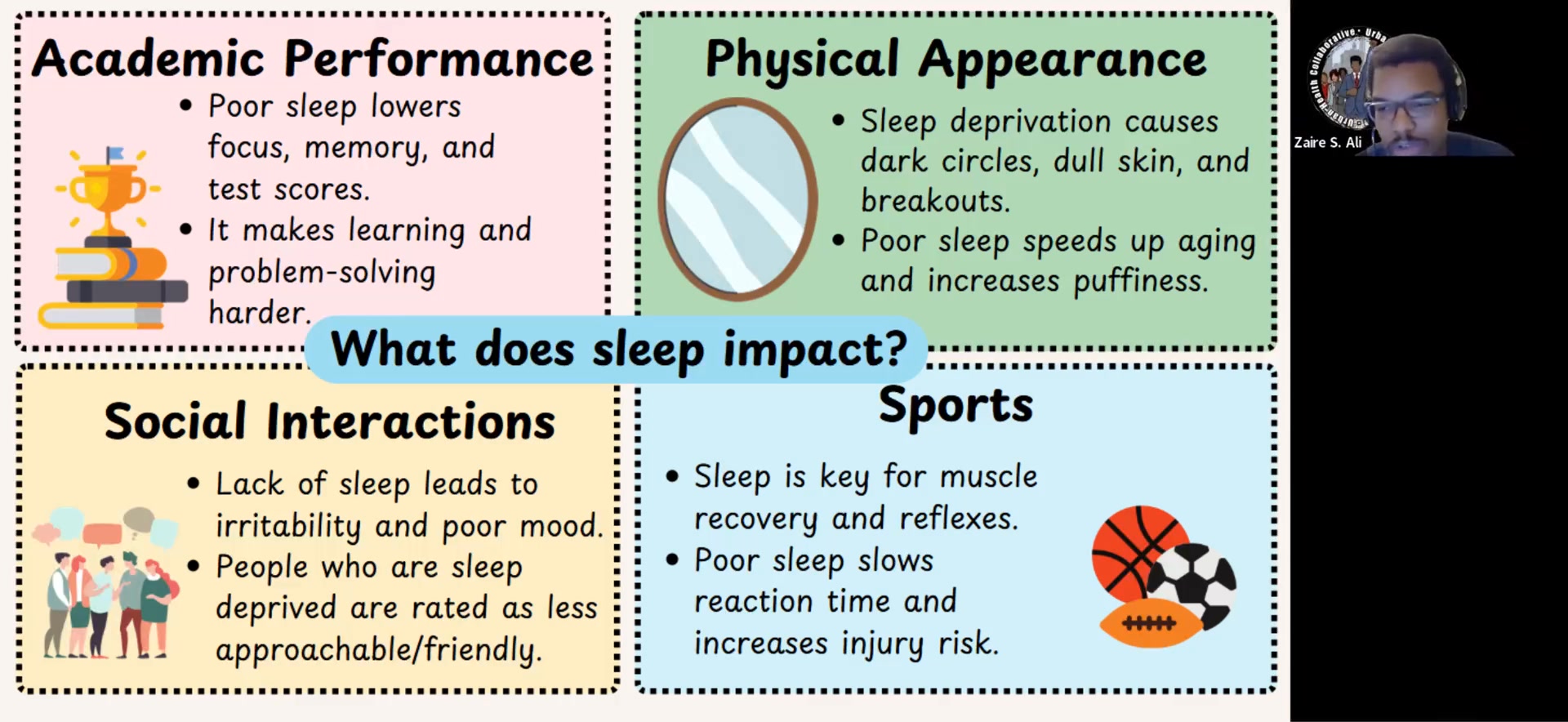
Credit: m.facebook.com
Optimizing Sleep For Better Performance
Quality sleep boosts sports performance, aiding muscle recovery and improving focus. Athletes with better sleep have enhanced reaction times, speed, and agility. Prioritizing rest ensures peak physical and mental condition during competitions.
Optimizing Sleep for Better Performance Getting adequate sleep is not just about feeling rested. It’s a critical element in achieving peak athletic performance. Athletes often wonder why their training doesn’t translate into improved performance. The answer might be nestled in the quality of their sleep. By optimizing your sleep, you can enhance your performance, reduce the risk of injury, and improve overall well-being.Creating A Sleep Routine
Establishing a consistent sleep routine is essential for athletes. Going to bed and waking up at the same time each day helps regulate your body’s internal clock. This consistency makes falling asleep easier and improves the quality of sleep. Consider setting a bedtime alarm as a reminder to wind down. Use the hour before bed to engage in relaxing activities such as reading or taking a warm bath. Avoid screens during this time, as the blue light emitted can interfere with your sleep. Think about your pre-sleep environment. Is your room dark and cool? Small changes, like blackout curtains or a fan, can significantly enhance your sleep quality.Diet And Sleep Quality
Your diet has a direct impact on how well you sleep. Eating a balanced diet throughout the day can promote better sleep at night. However, specific foods might either help or hinder your sleep quality. Caffeine and heavy meals close to bedtime can disrupt your sleep. Try to consume these earlier in the day. On the other hand, a light snack like a banana or a handful of almonds can promote better sleep. Hydration also plays a role. Drinking too much water before bed may lead to frequent bathroom trips, interrupting your sleep cycle. Balance is key—aim for steady hydration throughout the day. Ever noticed how a good night’s sleep makes you feel sharper during training? Reflect on your diet. Are there small changes you can make to enhance your sleep and, in turn, your performance?Technology And Sleep Tracking
In the modern world of sports, technology plays a vital role in optimizing performance, and sleep is no exception. Athletes and coaches are increasingly turning to technology to track and improve sleep quality, which directly impacts training and recovery. With the right tools, you can gain valuable insights into your sleep patterns, helping you make informed decisions about your rest and performance.
Wearable Devices
Wearable devices are a popular choice for athletes seeking to monitor their sleep. These gadgets, like smartwatches and fitness bands, provide real-time data on various sleep metrics such as duration, stages, and disturbances. By wearing them overnight, you can easily gather data without any hassle.
Imagine waking up and having a detailed report of your sleep quality at your fingertips. This data can reveal trends and highlight areas for improvement, such as ensuring you get enough REM sleep for mental recovery. Are you using your wearable to its full potential?
Apps And Tools
Beyond wearables, there are numerous apps and tools designed to help you optimize sleep. Many apps offer features like sleep diaries, meditation guides, and even smart alarms that wake you during the lightest sleep phase. These tools allow you to tailor your sleep environment and habits to suit your needs.
Consider experimenting with different apps to find one that resonates with your lifestyle. Some athletes have found success using apps that integrate with their wearable devices, providing a comprehensive view of their sleep data. How might these tools change your approach to sleep?

Credit: athletetrainingandhealth.com
Expert Tips For Athletes
Understanding how sleep impacts sports performance is crucial for athletes striving for excellence. Sleep is more than just a time to rest; it’s a vital component for recovery, focus, and stamina. But how can athletes optimize their sleep for peak performance? Let’s explore some expert tips, drawing insights from coaches and athletes themselves.
Advice From Coaches
Coaches emphasize the significance of establishing a regular sleep routine. Consistency helps regulate your body’s internal clock, enhancing your ability to fall asleep and wake up refreshed.
They often suggest winding down with calming activities such as reading or meditating. These can ease your transition from training to relaxation.
Nutrition also plays a role. Coaches recommend avoiding heavy meals close to bedtime. Instead, opt for light snacks that are easy on your stomach.
- Set a specific bedtime and wake-up time.
- Engage in soothing pre-sleep rituals.
- Choose sleep-friendly snacks like bananas or almonds.
Athlete Experiences
Athletes often share their personal sleep challenges and triumphs. One common insight is the power of naps. A short nap can recharge your energy and sharpen your focus.
Many athletes recount how reducing screen time before bed significantly improves their sleep quality. The blue light from screens can interfere with melatonin production, making it harder to fall asleep.
They also highlight the importance of listening to your body. If your body needs extra rest, don’t ignore it. Recovery is as crucial as training.
- Consider a 20-minute power nap to boost alertness.
- Limit screen exposure at least an hour before bedtime.
- Prioritize rest days and listen to your body’s signals.
How can you fine-tune your sleep routine for better sports performance? Reflect on these tips and adapt them to your lifestyle. You might find that small changes lead to significant improvements in your game.
Frequently Asked Questions
How Does Sleep Impact Athletic Performance?
Sleep is crucial for athletic performance. It enhances reaction time, concentration, and endurance. Proper sleep aids muscle recovery, reduces injury risk, and boosts overall energy levels. Athletes who prioritize sleep often see improved performance and quicker recovery times. Consistent sleep patterns are key to achieving peak physical condition and maintaining optimal health.
What Role Does Sleep Play In Muscle Recovery?
Sleep plays a significant role in muscle recovery. During deep sleep, the body releases growth hormones that repair and build muscles. It also helps reduce inflammation and replenish energy stores. Quality sleep ensures faster recovery from workouts and reduces the risk of overtraining and injuries.
Can Lack Of Sleep Affect Sports Performance?
Yes, lack of sleep can negatively affect sports performance. It leads to decreased reaction times, impaired decision-making, and reduced endurance. Chronic sleep deprivation can also increase the risk of injury and illness. Athletes need adequate sleep to perform at their best and maintain long-term health and wellness.
How Many Hours Of Sleep Do Athletes Need?
Athletes typically need more sleep than the average person, usually around 7-9 hours per night. This allows for optimal physical and mental recovery. Individual needs may vary based on training intensity and personal factors. Prioritizing quality sleep helps enhance athletic performance and overall well-being.
Conclusion
Sleep plays a crucial role in sports performance. Athletes need quality sleep for recovery and energy. Poor sleep leads to decreased focus and slower reactions. Consistent rest boosts endurance and mental sharpness. Athletes should prioritize good sleep habits. This includes maintaining a routine and creating a restful environment.
Proper sleep can enhance overall athletic performance. Coaches and trainers should emphasize its importance. A rested athlete is often a more successful athlete. So, focus on sleep to improve your sports abilities. Remember, a good night’s sleep is your best ally.