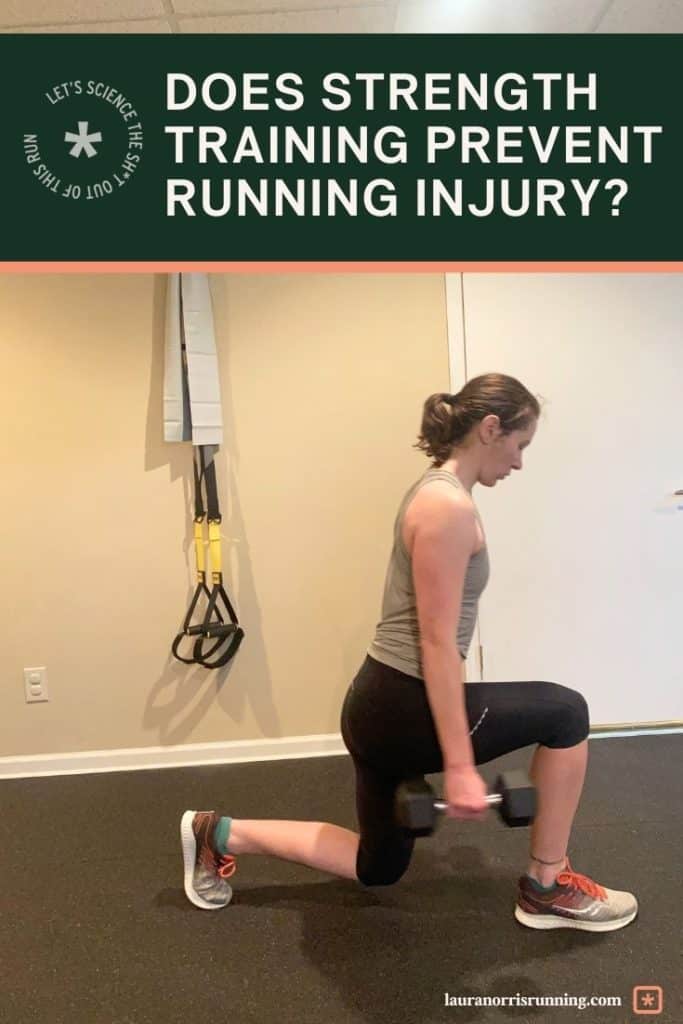
Ever wondered why some people seem to bounce back from physical activities without a scratch, while others are sidelined by injuries? The secret often lies in the strength of their muscles.
By focusing on building stronger muscles, you can drastically reduce your risk of injury. Imagine being able to enjoy your favorite activities without fear of hurting yourself. Sounds appealing, right? This article will reveal the science-backed reasons why muscle strength is your best ally against injuries.
Whether you’re an athlete, a weekend warrior, or someone who just wants to stay active, this information is crucial for maintaining your health. Ready to discover how you can protect your body and keep doing what you love? Keep reading to uncover the powerful connection between muscle strength and injury prevention. Your future self will thank you.
Benefits Of Strong Muscles
Building strong muscles helps in preventing injuries. Muscles support joints and absorb impacts, reducing strain during activities. Improved muscle strength enhances balance and stability, lowering the risk of falls.
The benefits of strong muscles extend far beyond aesthetics. Strengthening muscles plays a crucial role in injury prevention. It enhances stability, supports joints, and improves overall body function. Strong muscles act as a protective shield, absorbing impact and reducing strain. They help maintain balance, enabling smoother movements and reducing the risk of falls.Improved Stability And Balance
Strong muscles provide a solid foundation for the body. They aid in maintaining stability during activities. Better balance reduces the likelihood of slips and falls. This is crucial for those who engage in sports or physical activities. Enhanced stability means fewer injuries and a safer experience.Joint Support And Protection
Muscles support and protect joints from excessive stress. Strong muscles absorb shocks and reduce pressure on joints. This is vital for preventing wear and tear. Healthy joints ensure long-term mobility and comfort. Muscle strength can help avoid joint-related injuries.Enhanced Flexibility And Range Of Motion
Muscle strength contributes to better flexibility. Strong muscles allow a wider range of motion. This means movements become fluid and less restricted. Enhanced flexibility lowers the chance of strains or sprains. It also helps in performing daily tasks with ease.Reduced Muscle Fatigue
Strengthened muscles endure longer periods of activity. They resist fatigue, allowing sustained performance. Less fatigue means reduced risk of injury. It enhances the ability to recover quickly after exertion. This is important for maintaining an active lifestyle.Increased Bone Density
Muscle strengthening promotes healthy bones. It increases bone density, reducing fracture risk. Strong bones support the body effectively. They play a vital role in overall health and function. Strengthening muscles helps maintain robust bone structure.Improved Posture
Strong muscles support proper posture. They align the spine and reduce strain. Good posture prevents back and neck pain. It improves breathing and circulation. Maintaining posture reduces chances of chronic pain and discomfort.
Credit: www.instagram.com
Role Of Muscles In Injury Prevention
When you think about preventing injuries, what role do muscles play? Strong muscles act like a protective shield for your body. They provide stability, support, and control, reducing the risk of injuries from falls, slips, or sudden movements. By strengthening your muscles, you can create a robust defense system to keep injuries at bay.
Importance Of Muscle Strength
Muscles are the foundation of movement. They give you the power to walk, run, and lift. When muscles are weak, you are more prone to strains and sprains. Strong muscles absorb shock and reduce the strain on your joints. Consider how a well-strengthened core can stabilize your spine, making you less vulnerable to back injuries.
Building Muscle Balance
Balanced muscles are key in preventing injuries. Imbalances can lead to poor posture and improper movement patterns. Strengthening not only the major muscle groups but also the smaller ones ensures your body moves correctly. Imagine the difference in your knee health when the muscles surrounding it are equally strong and balanced.
Improved Flexibility And Range Of Motion
Strong muscles enhance flexibility and range of motion. This flexibility reduces the risk of tears and pulls. Think about how stretching and strengthening your leg muscles can help you avoid ankle injuries during a run. A wider range of motion means your body can handle unexpected twists and turns.
Muscle Recovery And Injury Prevention
Healthy muscles recover faster. When muscles are strong, they heal more efficiently, which means less downtime from activities. This quicker recovery process can prevent chronic injuries from developing. Have you noticed how regular exercise can make you bounce back quickly from minor strains?
Practical Tips For Muscle Strengthening
- Start with bodyweight exercises like squats and push-ups to build foundational strength.
- Incorporate resistance bands for added challenge and muscle engagement.
- Focus on consistency rather than intensity; regular workouts build lasting strength.
- Include flexibility exercises like yoga or Pilates to complement your strength training.
How often do you assess your muscle strength? It might be time to pay more attention to it. Strong muscles not only support your daily activities but also serve as a critical component in injury prevention. Prioritize muscle strengthening in your routine to enjoy a safer, more active lifestyle.
Core Stability And Balance
Strengthening muscles is crucial for preventing injuries. Core stability and balance play a key role. The core is the body’s center. It includes the abdomen, lower back, hips, and pelvis. A strong core supports the spine. It helps maintain balance in daily activities. Poor core strength can lead to falls and injuries. Improving core stability can enhance overall body function.
Core Muscles And Their Importance
Core muscles support the body’s frame. They help with posture and movement. Strong core muscles stabilize the body. This reduces the risk of falls. They also protect the spine during physical activities. Core muscles work together to provide balance. They ensure smooth and coordinated movements.
Exercises For Core Stability
Simple exercises can strengthen the core. Planks and bridges are effective. These exercises target key muscle groups. Consistent practice can improve core strength. Yoga and Pilates also enhance core stability. They focus on controlled movements and breathing. This helps in building core muscles gradually.
Balance And Its Role In Injury Prevention
Balance is vital in injury prevention. It helps maintain body control. Good balance reduces the risk of falling. It improves coordination in physical activities. Balance training can involve simple tasks. Standing on one leg is a basic exercise. Balance boards and stability balls are useful tools. They challenge the core and enhance balance skills.
Impact On Joint Health
Strong muscles support joints, reducing strain and preventing injury. Balanced muscle strength can enhance joint stability and function.
The impact on joint health is a crucial aspect of muscle strengthening that often goes unnoticed. Strong muscles support joints, providing stability and reducing the risk of injuries. When your muscles are well-conditioned, they act as shock absorbers during movement, protecting your joints from excessive wear and tear.Improved Stability And Support
Strengthening muscles around the joints enhances their stability. Imagine your knees during a long run; if your quadriceps and hamstrings are robust, they help keep your knee joint in alignment, reducing strain. This support minimizes the risk of common injuries like sprains and strains. Have you ever felt your ankle wobble during a hike? Strong calf muscles can prevent that instability, offering firm support.Reduced Wear And Tear
Strong muscles can significantly reduce wear and tear on your joints. When muscles absorb impact effectively, they protect the cartilage from damage. This is particularly important for weight-bearing joints like hips and knees. Are you someone who enjoys high-impact sports? Building muscle strength can be your key to longevity in those activities, keeping your joints healthy and functional.Enhanced Range Of Motion
Muscle strength contributes to a better range of motion. When muscles are flexible and strong, they allow joints to move freely without restriction. This flexibility reduces the risk of injury during everyday activities. Whether you’re reaching for something on a high shelf or bending down to tie your shoes, strong muscles make these movements smoother and safer.Balanced Muscle Force
Balanced muscle force around a joint is vital for preventing injury. When one muscle group overpowers another, it can lead to joint misalignment and increased injury risk. Think about your shoulders; balanced strength between your deltoids and rotator cuff muscles keeps the shoulder joint stable. Have you noticed discomfort when carrying heavy bags? Developing balanced shoulder muscles can alleviate that strain.Personal Experience With Joint Health
Years ago, I struggled with knee pain during my runs. A friend suggested focusing on strengthening my leg muscles. I incorporated exercises targeting my quads, hamstrings, and calves. The result? Not only did my knee pain diminish, but my overall running performance improved. This personal journey highlights the profound impact muscle strengthening can have on joint health. So, how can you integrate muscle strengthening into your routine for better joint health? Consider adding resistance training or bodyweight exercises to your weekly schedule. The benefits of muscle strengthening extend far beyond just building muscle; they are key to maintaining healthy, injury-free joints.Enhancing Flexibility
Strengthening muscles boosts flexibility, reducing injury risks. Strong muscles support joints and improve body balance. Enhanced flexibility helps movements become smoother and safer.
Enhancing flexibility is crucial in preventing injuries and boosting performance. Flexible muscles adapt better to stress, reducing strain during physical activities. They allow joints to move freely, which minimizes muscle tears and joint damage. Regular stretching and strength training can improve flexibility, making movements smoother and less painful.Why Flexibility Matters
Flexibility helps muscles and joints move efficiently. It reduces the risk of pulls and strains. When muscles are flexible, they absorb impact better. This helps avoid injury during sudden movements or falls.Stretching Techniques
Proper stretching increases flexibility over time. Dynamic stretches warm up muscles before exercise. Static stretches cool down muscles after workouts. Both types enhance muscle elasticity and range of motion.Strength And Flexibility Balance
Strengthening muscles supports flexible movements. Strong muscles protect joints during activities. They stabilize movements, preventing overextension and injury.Consistency Is Key
Regular practice ensures sustained flexibility. Daily stretching routines maintain muscle health. Consistent effort leads to long-term injury prevention.Common Mistakes
Avoid bouncing during stretches to prevent damage. Stretching cold muscles can cause injury. Warm up properly before stretching to ensure safety.Benefits Beyond Injury Prevention
Flexibility boosts overall physical performance. It enhances posture and balance, improving daily activities. Enhanced flexibility contributes to better athletic achievements.
Credit: www.instagram.com
Muscle Strengthening Exercises
Strengthening muscles helps prevent injuries by enhancing stability and balance. Strong muscles support joints, reducing strain during activities. Regular exercise builds resilience, making the body less prone to injury.
Muscle strengthening exercises are essential for injury prevention. They not only enhance physical performance but also improve overall health. By increasing muscle strength, you support your joints and reduce the risk of strains or injuries during activities. Imagine being able to lift heavier objects or run longer distances without the fear of getting hurt. Incorporating muscle strengthening exercises into your routine can make this a reality.Resistance Training
Resistance training involves using weights or resistance bands to build muscle strength. It’s a popular choice because it targets specific muscle groups effectively. Start with lighter weights and focus on your form. This ensures that you’re engaging the correct muscles and avoiding injury. Gradually increase the weight as your muscles adapt and strengthen.Bodyweight Exercises
Bodyweight exercises are a fantastic way to build strength without any equipment. Think of exercises like push-ups, squats, and lunges. They use your body’s weight as resistance. They’re convenient and can be done anywhere. Plus, they improve balance and coordination, which are crucial for preventing injuries.Functional Movements
Functional movements mimic everyday activities, making them highly practical. They enhance your ability to perform daily tasks safely and efficiently. Exercises like deadlifts and kettlebell swings improve strength in a way that translates directly into real-world actions. Ask yourself: how often do you bend over or lift objects? Training with functional movements prepares you for these actions, reducing the risk of injury in daily life.Incorporating Strength Training Into Routine
Strengthening muscles can help prevent injuries by improving stability and balance. Strong muscles support joints better, reducing strain. Regular strength training increases resilience, making everyday movements safer.
Incorporating strength training into your routine can be a game changer for preventing injuries and boosting overall health. It’s not just about lifting weights or building muscle mass. It’s about preparing your body to handle everyday activities with ease. Think of it as insurance for your body, allowing you to move confidently without fear of strains or sprains.Start Small And Build Up
Begin with simple exercises using your body weight. Focus on form and control. Gradually add resistance as you grow stronger.Mix It Up
Variety is key. Incorporate exercises targeting different muscle groups. This keeps workouts interesting and prevents overuse injuries.Consistency Is Crucial
Make strength training a regular part of your week. Consistency strengthens muscles and builds endurance, reducing injury risk.Listen To Your Body
Pay attention to how your body feels during and after workouts. Adjust exercises if something doesn’t feel right. Rest days are vital for recovery.Seek Professional Guidance
Consider working with a trainer to tailor a program to your needs. They can help you set realistic goals and ensure proper technique.
Credit: www.instagram.com
Common Myths About Muscle Strengthening
Muscle strengthening is essential for injury prevention. Yet, several myths cloud its understanding. These misconceptions can deter people from adopting effective routines. Let’s debunk these myths and shed light on the truth.
Myth 1: Muscle Strengthening Makes You Bulky
Many believe lifting weights leads to a bulky physique. This is not true for everyone. Bulking up requires specific training and diet. Regular strength training increases muscle tone and endurance. It doesn’t automatically result in bulky muscles.
Myth 2: You Only Need Cardio For Fitness
Cardio is crucial for heart health, but it’s not enough. Muscles need strength training to stay strong and flexible. Combining cardio with strength exercises offers a balanced fitness regime. It helps in maintaining overall health.
Myth 3: Older Adults Should Avoid Strength Training
Some think strength training is risky for older adults. On the contrary, it helps improve balance and reduce fall risk. It also enhances bone density and joint health. Older adults can benefit greatly from tailored strength exercises.
Myth 4: More Reps Are Better Than Heavy Weights
Another myth is that more reps equal better results. In reality, both reps and weight have their place. Lifting heavier weights with fewer reps builds strength effectively. It’s important to find the right balance for individual goals.
Myth 5: Strength Training Isn’t For Women
Many women avoid weights, fearing masculinity. This is a misconception. Strength training helps women build lean muscle mass. It enhances metabolism and supports weight management. Women can benefit immensely from regular muscle strengthening.
Expert Tips For Safe Strength Training
Strengthening muscles enhances joint stability, reducing the risk of injuries during physical activities. Consistent strength training builds resilience, allowing the body to handle stress better. Incorporating exercises that target various muscle groups can significantly improve overall body mechanics and prevent common injuries.
Strength training is key to preventing injuries. It makes muscles stronger. Strong muscles support joints better. This reduces the risk of strains and sprains. Safe strength training is crucial. It ensures proper form and prevents accidents. Here are expert tips to help you train safely.Warm Up Properly
Before lifting weights, start with a warm-up. It prepares your muscles for exercise. A good warm-up increases blood flow. It also improves flexibility. Spend at least five minutes warming up.Focus On Form
Correct form is vital in strength training. It prevents injuries and boosts effectiveness. Always align your body correctly. Use mirrors to check your posture. If unsure, ask a trainer for guidance. Proper form is better than lifting heavy weights.Start With Light Weights
Begin with lighter weights. This helps your body adjust to the new activity. Gradually increase the weight as you get stronger. This reduces the risk of injury. It also allows your muscles to develop properly.Listen To Your Body
Your body signals when something is wrong. If you feel pain, stop immediately. Rest and recover before continuing. Pushing through pain can lead to serious injuries. Always pay attention to how your body feels.Include Rest Days
Rest days are important. They allow your muscles to recover. Overtraining can lead to fatigue and injuries. Plan rest days in your routine. It keeps your body healthy and strong.Stay Hydrated
Hydration affects muscle performance. Drink water before and after workouts. Staying hydrated improves endurance. It also reduces the risk of cramps. Keep a water bottle handy during workouts.Tracking Progress And Adjusting Workouts
Strengthening muscles enhances stability and balance, reducing injury risk. Tracking progress helps tailor workouts effectively. Adjusting routines ensures continuous muscle development and injury prevention.
Tracking progress and adjusting workouts are crucial for muscle strength. Consistent monitoring helps in understanding how your body responds to exercises. It enables you to make informed changes to your routine. This approach not only prevents injuries but also enhances performance. You can optimize your workout plans by assessing your progress regularly.Setting Realistic Goals
Start with achievable goals. This keeps motivation high and reduces the risk of injury. Track small improvements like lifting more weight or doing more reps. Celebrate these milestones. It encourages consistency and dedication. Gradually increase the intensity of workouts. Your muscles adapt and grow stronger over time.Using Fitness Apps
Fitness apps are valuable tools for tracking progress. Many apps offer features to log workouts and monitor improvements. They provide insights into exercise trends. This helps in adjusting workouts effectively. Some apps even offer reminders and tips for recovery. Use them to stay organized and motivated.Listening To Your Body
Your body provides signals. Pay attention to them. Feeling pain or extreme fatigue? It’s a sign to adjust your workout. Rest is crucial for muscle recovery. Ignoring these signals can lead to injuries. Modify exercises if needed. Prioritize safety over intensity.Incorporating Variety
Variety prevents boredom and works different muscle groups. Mix cardio with strength training. Include flexibility exercises. This balanced approach reduces the risk of overuse injuries. It helps in maintaining overall physical health. Diverse workouts keep you engaged and motivated.Seeking Professional Guidance
Consulting a fitness expert can provide personalized advice. Trainers offer insights based on your specific needs. They help in setting realistic goals. Their guidance ensures that workouts are effective and safe. This professional touch enhances your fitness journey.Frequently Asked Questions
How Do Strong Muscles Prevent Injuries?
Strong muscles provide better support to joints, reducing the risk of injuries. They help absorb impact during physical activities, protecting bones and ligaments. Enhanced muscle strength improves stability and balance, preventing falls and strains. Building muscle strength through regular exercise is crucial for injury prevention.
Can Muscle Strengthening Improve Athletic Performance?
Yes, muscle strengthening boosts athletic performance by enhancing endurance and power. Strong muscles enable efficient movement and reduce fatigue, allowing athletes to perform better. Improved muscle strength also aids in faster recovery from injuries. Regular strength training can significantly enhance overall athletic capabilities and performance.
What Exercises Strengthen Muscles Effectively?
Exercises like weightlifting, squats, lunges, and resistance training effectively strengthen muscles. Incorporating exercises that target different muscle groups ensures balanced strength development. Consistency in training and gradually increasing intensity are key for effective muscle strengthening. Consult a fitness professional for personalized exercise routines.
Is Muscle Strengthening Necessary For All Ages?
Yes, muscle strengthening is beneficial for all ages. It helps maintain physical health, improves mobility, and prevents age-related muscle loss. For older adults, muscle strengthening enhances balance and reduces fall risks. Tailored exercises can accommodate various fitness levels and health conditions, promoting overall well-being.
Conclusion
Strengthening muscles plays a key role in injury prevention. Strong muscles support joints and absorb shock. They help maintain balance and stability. This reduces the risk of falls. Regular exercise boosts muscle strength. It also enhances flexibility. Stretching and strengthening exercises work together.
They keep the body agile and resilient. Consistency is important in building strength. Stay committed to your routine. Listen to your body. Rest when needed. Injury prevention requires patience and dedication. Start small and progress gradually. Strong muscles lead to a healthier, more active life.
Prioritize strength training for long-term benefits. Your body will thank you.