
Imagine the thrill of watching your favorite athlete push the limits of human ability. Now, picture if they had an unfair advantage, a secret weapon that made them faster, stronger, or more enduring than their competitors.
That’s where the controversy of performance enhancing drugs (PEDs) in sports comes into play. You might wonder, why are these substances banned if they can lead to such spectacular performances? The answer lies in the very essence of what makes sports captivating and fair.
You’ll uncover the critical reasons behind the prohibition of these drugs. You’ll discover how they impact the integrity of competitions, the health risks they pose to athletes, and the ethical dilemmas they introduce. By understanding these factors, you’ll gain a deeper appreciation for the purity and fairness of sports. Stay with us as we delve into why maintaining a level playing field is essential for both athletes and fans like you.
Historical Context
Understanding why performance-enhancing drugs are banned in sports requires a look into the historical context of competitive athletics. Throughout history, sports have been about fair play, skill, and determination. The integrity of sports hinges on the belief that athletes compete on equal footing, where victories are earned through hard work and dedication. As you unravel this story, consider how past events and decisions have shaped the current stance on performance-enhancing drugs.
The Birth Of Modern Sports Regulations
In the late 19th and early 20th centuries, organized sports began to flourish. Rules were established to ensure fairness and consistency in competitions. Early on, athletes used natural remedies and concoctions to boost their performance. However, as sports grew more competitive, the need for standardized regulations became evident.
Early Instances Of Doping
By the mid-20th century, instances of doping began to surface. Athletes experimented with substances like amphetamines and steroids to gain an edge. This sparked debates about the ethical implications and potential health risks involved. The question arose: should victories be attributed to talent or chemistry?
The Role Of Major Sporting Events
International competitions like the Olympics played a pivotal role in shaping anti-doping policies. The desire to maintain a level playing field and protect athletes’ health led to the establishment of regulatory bodies. These organizations began developing tests and sanctions to prevent drug abuse in sports.
Evolution Of Anti-doping Measures
Anti-doping measures have evolved significantly over the decades. From basic urine tests to sophisticated biological passports, sports authorities continually adapt to new challenges. This evolution reflects the ongoing commitment to ensuring fairness and health in sports.
Impact Of Historical Decisions
Historical decisions have had profound impacts on sports today. The bans on performance-enhancing drugs stem from a desire to preserve the essence of athletic competition. Reflect on how these decisions affect your perception of sports and athletes. Would you view a record-breaking feat the same way if it was drug-assisted?

Credit: journalofethics.ama-assn.org
Ethical Considerations
Performance-enhancing drugs (PEDs) are banned in sports not just because of the unfair advantages they offer, but due to the ethical considerations that surround their use. Sports are meant to be a reflection of human endeavor, skill, and perseverance. Introducing substances that artificially boost performance challenges the very essence of what sports stand for. But what exactly are the ethical implications of using PEDs? Let’s dive into some key aspects.
Fair Play
Fair play is the cornerstone of sporting ethics. When athletes use PEDs, they disrupt the level playing field, making it impossible for others to compete on equal terms. Imagine training tirelessly, only to be bested by someone who took a shortcut. How would you feel? The integrity of sports relies on the belief that everyone plays under the same rules. By using PEDs, athletes violate this trust, undermining the spirit of fair competition.
Integrity Of Competition
The integrity of competition is compromised when PEDs come into play. Sports are about testing human limits naturally. Adding artificial enhancers raises questions about the authenticity of achievements. Are records genuine if they were achieved under the influence of banned substances? The essence of competition is to celebrate genuine talent and hard work. When drugs enter the equation, it distorts the narrative, leaving fans and athletes questioning the legitimacy of the results.
In light of these ethical considerations, banning PEDs is not just about maintaining physical health or adhering to rules. It’s about preserving the core values that make sports meaningful and inspiring. What do you think about athletes who choose the path of performance-enhancing drugs? How does it impact your view of sportsmanship?
Health Risks
Performance enhancing drugs are banned in sports due to serious health risks. They can cause heart problems, hormonal imbalances, and mental health issues. Athletes face long-term health consequences, impacting their quality of life.
Performance-enhancing drugs are banned in sports for various reasons. A major concern is the health risks they pose to athletes. These substances can cause both physical and mental harm. Athletes might seek an edge, but the cost to their health is severe.Physical Consequences
Performance-enhancing drugs can damage vital organs. Heart problems are common among users. Steroids can increase blood pressure and risk of heart attack. Liver damage is another concern. These drugs strain the liver, leading to long-term issues. Bones can suffer too. Steroids weaken bones, increasing fracture risk. Athletes might face joint pain and injuries.Mental Health Impact
These drugs don’t just harm the body. They affect the mind too. Mood swings are a frequent side effect. Users may feel extreme highs and lows. Depression is a serious risk. Many athletes struggle with sadness and hopelessness. Anxiety can also increase. Users might feel constant stress or panic. Aggression is another issue. These drugs can make users more violent and irritable.Impact On Youth
The impact of performance-enhancing drugs (PEDs) on youth is a pressing concern for parents, coaches, and educators alike. Young athletes, brimming with potential and ambition, often look up to their sporting heroes for guidance. These athletes, when caught using banned substances, inadvertently send the wrong message to impressionable minds. This ripple effect can have long-lasting consequences on the youth, shaping their attitudes towards sports, ethics, and personal health.
Role Models
Young athletes idolize sports figures who demonstrate skill, dedication, and triumph against adversity. When these idols are found using PEDs, it tarnishes their image and sets a questionable precedent. Young fans might begin to associate success with drug use rather than hard work and perseverance.
Imagine a teenager who dreams of being the next big star in football. They follow every move of their favorite player, from diet to training routines. If that player is caught using PEDs, the teenager might be led to believe that such practices are necessary to reach the top.
Pressure To Perform
Sports are highly competitive, and this can lead to immense pressure on young athletes to excel. The drive to outperform can sometimes push them towards unethical shortcuts. PEDs promise quicker results, tempting those who might feel they’re lagging behind their peers.
Consider a high school track athlete who feels overshadowed by a rival consistently winning races. The thought of leveling the playing field through PEDs might seem appealing, especially if they perceive others doing the same. This raises a crucial question: Are sports fostering a healthy environment for youth?
Ultimately, the ban on PEDs is about protecting young athletes from physical harm and ethical dilemmas. As a community, we need to emphasize the values of integrity, hard work, and fair play to ensure the future of sports remains bright and inspiring for the youth.
Legal Implications
Banning performance enhancing drugs in sports ensures fair competition and protects athlete health. These substances can create unfair advantages, compromising integrity. Legal implications arise when athletes use banned substances, potentially leading to fines, suspensions, or bans.
The use of performance enhancing drugs (PEDs) in sports is a topic that carries significant legal implications. These substances are not just banned due to health risks; they also raise questions about fairness and integrity. When athletes use PEDs, they undermine the level playing field that sports aim to provide. This is why strict regulations and policies are in place globally to curb their use.International Regulations
On the international stage, organizations like the World Anti-Doping Agency (WADA) set the standard. WADA’s guidelines are adopted by many sports federations worldwide, ensuring consistency in anti-doping rules. Compliance with these regulations is mandatory for athletes competing internationally. Failure to adhere can result in bans, fines, and damage to an athlete’s reputation. The global nature of these regulations ensures that no athlete has an unfair advantage based on their country’s specific rules. It creates a unified front in the fight against doping.National Policies
Each country has its own set of national policies to combat the use of PEDs. These policies often align with international standards but can vary in enforcement and penalties. In some countries, the use of certain PEDs is not just a sports violation but a criminal offense. Athletes can face legal consequences beyond just sporting bans. National anti-doping agencies are responsible for implementing these policies. They conduct tests, handle violations, and promote awareness among athletes. Consider how these legal frameworks impact the choices athletes make. Would you risk your career and reputation for a temporary edge? The stakes are high, and the message is clear: integrity in sports is paramount.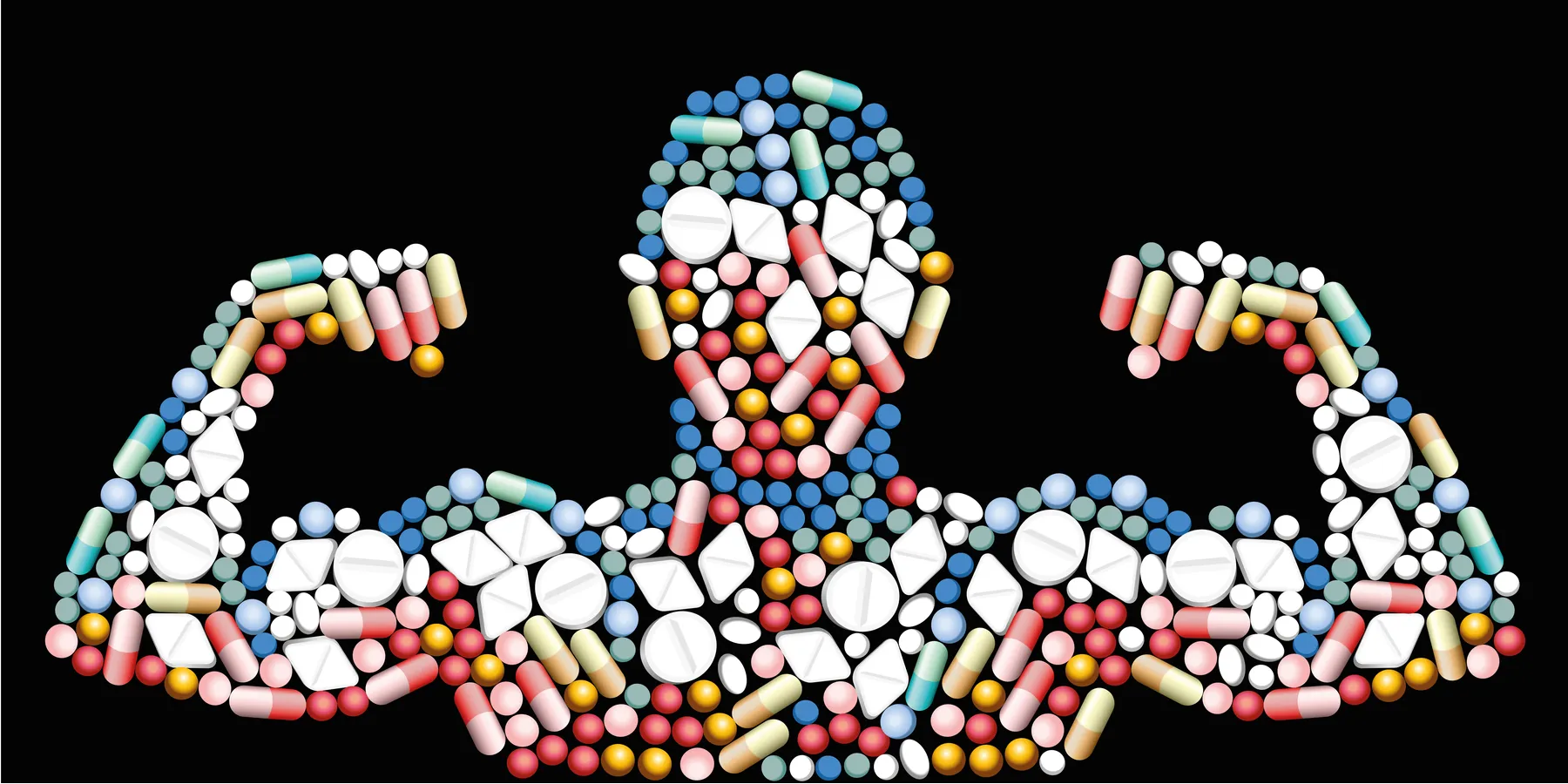
Credit: journalofethics.ama-assn.org
Technological Advancements
Performance enhancing drugs are banned in sports to ensure fair competition. They pose health risks to athletes and can lead to unethical advantages. These substances undermine the integrity of sports and the spirit of fair play.
Technological advancements have revolutionized the way sports are monitored for fairness and integrity. In recent years, the development of sophisticated tools and techniques has made it increasingly difficult for athletes to use performance-enhancing drugs (PEDs) without detection. These innovations are crucial in maintaining a level playing field and ensuring that talent and hard work, rather than chemical enhancement, determine victory.Detection Methods
The introduction of advanced detection methods has dramatically improved the ability to catch athletes who use banned substances. Modern laboratories employ cutting-edge technology that can detect even trace amounts of PEDs in an athlete’s system. Gas chromatography and mass spectrometry are just a couple of techniques that have transformed the testing landscape. Imagine training for years, putting in countless hours, only to compete against someone who has an unfair advantage. Detection methods are your ally in ensuring that your dedication is what counts. They act as a deterrent, reminding athletes that the risk of getting caught is high.Biological Passport
The Biological Passport is a game-changer in the fight against doping. Unlike traditional testing that looks for specific substances, the Biological Passport monitors an athlete’s biological markers over time. This means any unusual changes can raise red flags, indicating possible doping. The real magic of the Biological Passport is its ability to track the natural fluctuations in your body. It creates a personalized profile, making it nearly impossible to cheat the system without detection. It’s like having a digital fingerprint that ensures your achievements are truly yours. As you strive for excellence in your sport, these technological advancements provide a safety net. They offer reassurance that the competition you face is honest and genuine. Could you imagine a fairer way to celebrate your hard-earned success?Public Opinion
Performance enhancing drugs are banned in sports to ensure fair play and athlete safety. These substances give users an unfair advantage, compromising the integrity of competition. Banning them protects athletes’ health from harmful side effects and maintains the spirit of sportsmanship.
Public opinion plays a critical role in the ban on performance-enhancing drugs in sports. People have strong feelings about fairness and integrity in sports. Athletes are seen as role models, and their actions influence society. The use of performance-enhancing drugs raises ethical concerns. It challenges the spirit of fair competition. Many people believe sports should be about natural talent and hard work.Perception Of Athletes
The public views athletes as heroes. They inspire with their dedication and skill. Using drugs can tarnish this perception. Fans admire athletes for their natural abilities. When athletes use drugs, it feels like cheating. It breaks the trust between fans and athletes. People want to believe in the authenticity of sports achievements.Media Influence
Media plays a powerful role in shaping opinions. Stories of drug use in sports often make headlines. This increases awareness and shapes public attitudes. Media coverage can stir emotions and sway public opinion. It often highlights the negative impacts of drug use. This reinforces the belief that drugs should be banned in sports. The media can create a strong narrative against performance-enhancing drugs.
Credit: cen.acs.org
Alternatives To Bans
Performance enhancing drugs are banned in sports. This is to ensure fair play and athlete safety. But are bans the only solution? Alternatives can help address the issue. They offer support without punishment. Let’s explore these options.
Educational Programs
Education can be a powerful tool. Athletes need to understand the risks of drugs. Educational programs can teach them about health dangers. They also highlight ethical concerns. Workshops and seminars can be effective. Coaches and mentors should lead these sessions. Engaging content keeps athletes interested. Real-life stories make lessons stick. This approach promotes clean sports.
Rehabilitation And Support
Athletes need help to overcome drug use. Rehabilitation programs offer support. They focus on recovery and well-being. These programs provide counseling and therapy. Athletes learn to manage stress and pressure. Support groups are also important. They create a sense of community. Sharing experiences helps athletes heal. This approach builds a healthier sports culture.
Frequently Asked Questions
What Are Performance Enhancing Drugs In Sports?
Performance enhancing drugs (PEDs) are substances used to improve athletic performance. They include steroids, stimulants, and hormone treatments. PEDs can boost strength, endurance, and recovery. However, they pose significant health risks and ethical concerns. This is why they are banned in most sports.
Why Are Peds Considered Unethical In Sports?
PEDs are seen as unethical because they provide unfair advantages. They undermine the integrity of sports and create an uneven playing field. Additionally, using PEDs can harm athletes’ health. By banning them, sports organizations aim to ensure fair competition and prioritize athletes’ well-being.
How Do Peds Affect Athlete Health?
PEDs can severely impact athletes’ health, causing heart issues, liver damage, and psychological effects. Long-term use may lead to addiction and severe health complications. These risks make PEDs dangerous and contribute to their prohibition in sports.
What Is The Role Of Anti-doping Agencies?
Anti-doping agencies work to eliminate PED use in sports. They conduct drug testing, promote education, and enforce penalties. By ensuring fair play, they maintain the integrity of competitions. Their efforts help protect athletes’ health and uphold sportsmanship values.
Conclusion
Performance-enhancing drugs harm fair competition in sports. They offer unfair advantages. This destroys the spirit of hard work and dedication. Athletes risk their health and careers by using them. Rules exist to keep sports fair and safe. Everyone deserves a level playing field.
Fans want to see true skill and effort. Honest competition inspires and unites people worldwide. Banning these drugs protects athletes’ health and integrity. Sports should showcase natural talent and determination. Keeping drugs out ensures sports remain thrilling and honorable.