Picture this: you’re on a serene mountain trail, breathing in the crisp, fresh air. The world feels perfect until a misstep sends a sharp pain shooting through your ankle.
Ouch! If you’ve ever wondered whether hiking boots could be your trusty shield against such painful surprises, you’re not alone. Many outdoor enthusiasts like you seek the perfect balance between adventure and safety. Did you know that the right pair of hiking boots might just be your best ally in preventing ankle injuries?
Before you head out on your next adventure, it’s crucial to consider what your footwear is doing for your safety. This article will uncover the truth about hiking boots and their role in protecting your ankles. Ready to discover if your boots are living up to their promise? Stick around, because the answer might just surprise you!
Ankle Injuries In Hiking
Hiking offers a thrilling escape into nature, but it’s not without risks. Ankle injuries are common among hikers, often due to uneven terrain and physical strain. Understanding these injuries is key to prevention and enjoying a safe hike.
Common Types Of Ankle Injuries
Hiking can lead to several ankle injuries. Sprains occur when ligaments stretch or tear. Strains affect muscles and tendons, causing pain and swelling. Fractures are more serious, involving breaks in the bone. Each type requires different care.
Causes And Risk Factors
Uneven surfaces challenge stability, increasing injury risk. Lack of proper footwear support can lead to missteps. Fatigue weakens muscles, making ankles more vulnerable. Overweight packs strain ankles, affecting balance and movement.
Role Of Hiking Boots
Hiking boots play a crucial role in ensuring your feet and ankles remain safe during your outdoor adventures. While some might argue that any sturdy shoe can suffice, the real question is whether these specialized boots actually prevent ankle injuries. Let’s dive into the specifics.
Features Designed For Ankle Support
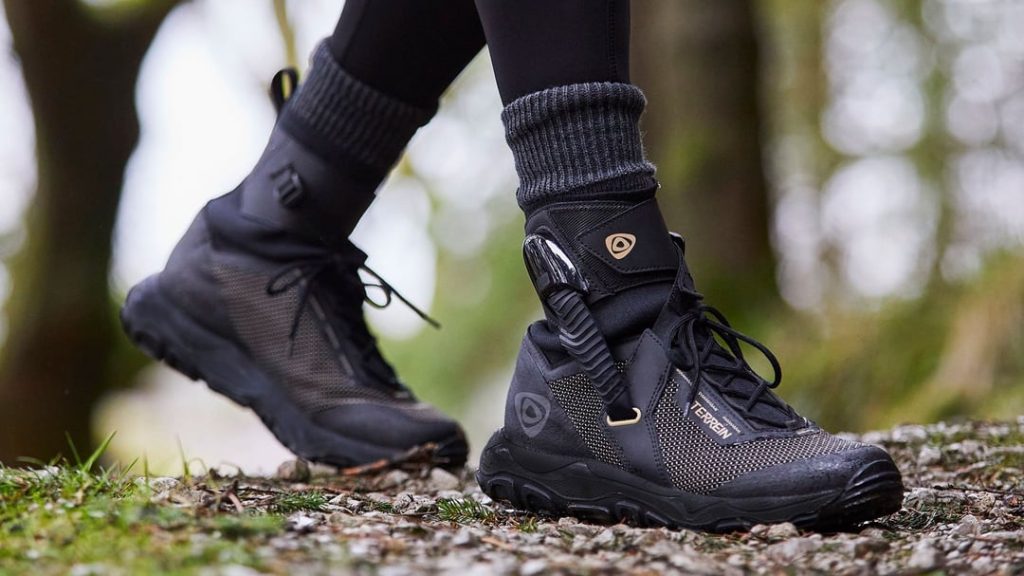
Hiking boots are crafted with ankle support as a top priority. Most models boast high collars that wrap snugly around your ankle, offering stability on uneven terrains. These collars often come with padding to increase comfort and reduce the risk of rubbing or blisters.
Additionally, the lacing systems in hiking boots are engineered to allow for customizable tightness, ensuring that your ankle is securely held in place. When you’re trekking through rocky paths or steep slopes, this support can be the difference between a secure stride and a potential sprain.
Materials And Construction
The materials used in hiking boots are pivotal in providing both support and durability. Typically, you’ll find a combination of leather and synthetic fabrics, chosen for their strength and resilience. Leather, for example, is known for its ability to mold to your foot, offering personalized support over time.
Moreover, the construction of these boots often includes reinforced shanks and midsoles. These components are designed to absorb impact and offer added support, especially when carrying heavy backpacks. Imagine the peace of mind knowing each step is cushioned and your ankles are protected from sudden twists.
So, do hiking boots prevent ankle injuries? The answer lies in their thoughtful design and construction. Have you ever had an ankle mishap while hiking? Share your experiences and insights in the comments below!
Comparing Boots And Other Footwear
When hitting the trail, choosing the right footwear is crucial for both comfort and safety. Whether you’re a seasoned hiker or a weekend warrior, you’ve likely debated the merits of different types of shoes. Does the choice of footwear really impact the risk of ankle injuries? Let’s delve into how hiking boots compare to other popular options.
Hiking Boots Vs. Trail Runners
Hiking boots offer sturdy ankle support, which can be a lifesaver on uneven terrain. Their robust design helps to stabilize the foot, reducing the risk of sprains. If you’ve ever twisted your ankle on a rocky path, you know how valuable this can be.
Trail runners, on the other hand, are designed for speed and agility. They are lightweight and flexible, making them ideal for faster-paced hikes or runs. While they may not offer the same level of ankle protection as hiking boots, their adaptability can be beneficial for those with strong ankles who prioritize mobility.
So, which is better for you? Consider your hiking style and the terrain. If you’re tackling steep, rocky trails, boots might be your best bet. But if you prefer a brisk pace on well-maintained paths, trail runners could be the ideal choice.
Boots Vs. Minimalist Shoes
Minimalist shoes have gained popularity for their natural feel. They allow your feet to move freely, promoting better balance and foot strength. However, they lack substantial ankle support, which can be a downside on unpredictable surfaces.
Hiking boots, with their reinforced structure, provide a reliable guard against twisting ankles. They might feel heavier, but the trade-off is enhanced protection and durability. If you’ve ever experienced the sharp pain of a rolled ankle, you might appreciate this extra security.
Think about your needs. If you’re exploring trails with challenging terrain, the safety of boots might outweigh the minimalist appeal. But if you enjoy the sensation of natural movement and are confident in your ankle strength, minimalist shoes could offer a refreshing experience.
Ultimately, the choice of footwear hinges on your personal preferences and the demands of your hiking adventure. What do you prioritize on your outdoor journeys? Comfort, speed, or protection? The answer might guide you to your perfect pair.
Scientific Studies And Findings
When you lace up your hiking boots, you might wonder whether they truly protect your ankles from injuries. Scientific studies have explored this question, offering insights into the effectiveness of ankle support in hiking footwear. Delving into research findings and expert opinions can help you make informed choices for your outdoor adventures.
Research On Ankle Support
Several studies have investigated the role of hiking boots in preventing ankle injuries. Researchers have examined the impact of boot design, including the height of the boot collar and the stiffness of the sole. Findings suggest that higher boots can offer better support, reducing the risk of sprains during uneven trails.
However, some studies argue that excessive support might limit natural ankle movement, potentially causing more harm than good. The key is finding a balance between support and flexibility. Consider your hiking terrain and personal comfort when selecting boots.
Expert Opinions
Outdoor experts offer valuable insights into the debate on ankle support. Many agree that while boots provide a level of protection, they’re not a guarantee against injuries. Skill and experience play significant roles in preventing mishaps.
Experts recommend strengthening exercises for your ankles and learning proper hiking techniques. They emphasize that prevention goes beyond footwear choice. Are you focusing enough on building strength and technique?
Ultimately, the right pair of boots can enhance your hiking experience, but they’re just one piece of the puzzle. Have you considered all factors in your injury prevention strategy?
User Experiences And Testimonials
When it comes to choosing the right hiking gear, personal stories and testimonials can offer invaluable insights. Many hikers have shared their experiences with hiking boots, particularly regarding ankle injuries. These narratives and reviews provide a wealth of information, helping you make informed decisions about your hiking gear.
Hikers’ Personal Stories
Imagine setting out on a challenging trail, feeling the ground’s unevenness beneath your feet. A hiker named Sarah recounts how her trusty hiking boots prevented a potential ankle injury on a rocky mountain path. She emphasizes the importance of the boots’ sturdy ankle support, which kept her safe during unexpected slips.
Another adventurer, Tom, shares his tale of trekking through muddy terrains. His boots provided the grip needed to avoid twisting his ankle in slippery conditions. These personal stories highlight how proper footwear can make all the difference in ensuring safety on unpredictable trails.
Online Reviews And Ratings
Online platforms are brimming with reviews from hikers worldwide, sharing their thoughts on various hiking boots. A common theme emerges: the value of ankle support in preventing injuries. Many users praise specific brands for their comfort and durability, citing fewer incidents of sprains.
Ratings often indicate user satisfaction, with higher scores typically reflecting effective ankle protection. Some reviews even provide detailed comparisons, helping you discern which boots offer the best support for challenging hikes. As you read these testimonials, consider how they align with your hiking needs and experiences.

Credit: gokyo.in
Factors To Consider When Choosing Boots
Selecting the right hiking boots can reduce ankle injuries. Look for boots with good ankle support and sturdy construction. Proper fit is crucial to ensure comfort and safety on trails.
Choosing the right hiking boots is crucial to prevent ankle injuries on your adventure. With the vast array of options available, it’s essential to consider several factors to ensure you pick boots that offer the best protection and comfort. The right pair not only guards against slips and twists but also enhances your hiking experience. So, what should you look for?Fit And Comfort
A well-fitting boot is your first line of defense against ankle injuries. Poorly fitting boots can lead to blisters, discomfort, and even falls. Aim for a snug fit around the ankle and heel, but ensure there’s enough room for your toes to wiggle. Try on boots in the afternoon when your feet are naturally swollen. This gives you a better sense of how they’ll feel during a hike. Remember, comfort should never be compromised for style or price.Terrain And Environment
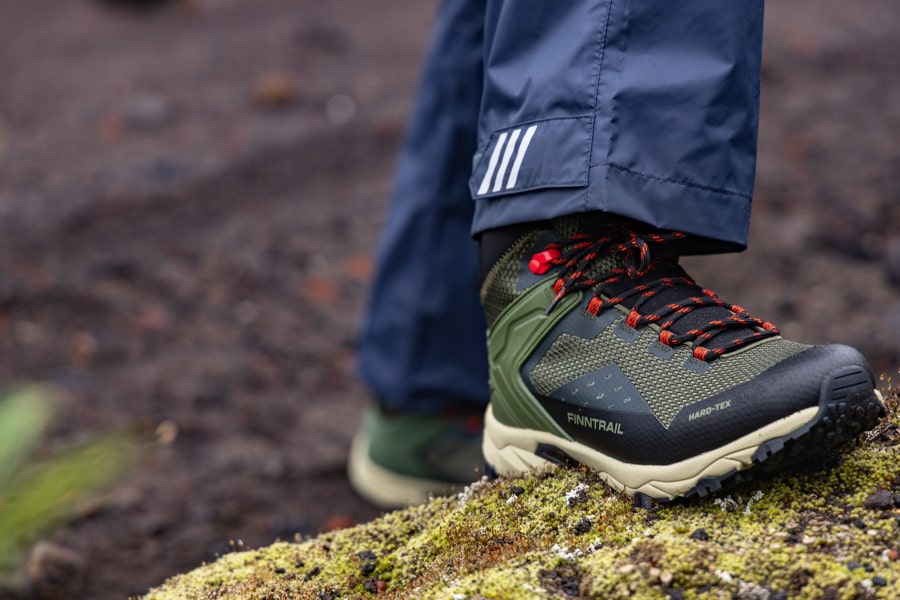
The terrain you’ll be hiking affects the type of boots you need. Consider the trails you frequent most. Are they rocky, muddy, or snow-covered? Each environment demands specific features like traction, waterproofing, or insulation. For rocky terrains, opt for boots with durable soles and strong ankle support. If you’re venturing into wet or snowy areas, prioritize waterproof materials and insulation to keep your feet dry and warm. Ultimately, understanding the terrain helps you make an informed choice, ensuring your boots provide the right support and protection. Have you ever faced a situation where the terrain caught you off guard? With the right boots, you won’t have to worry about unexpected challenges.Tips For Preventing Ankle Injuries
Hiking boots provide support, but preventing ankle injuries requires more. Knowing how to strengthen your ankles and use proper techniques is key. Let’s explore some effective tips for keeping your ankles safe on the trail.
Strengthening Exercises
Strong ankles can reduce the risk of injury. Include ankle exercises in your routine. Try calf raises. Stand on a step, rise onto your toes, then lower down. Repeat for better balance. Ankle circles also help. Sit and rotate each foot in a circle. Do both directions. This boosts flexibility and strength.
Proper Hiking Techniques
Using the right hiking techniques matters. Always watch where you step. Uneven surfaces can be tricky. Walk with a steady pace. Avoid rushing to prevent stumbles. Keep your weight centered over your feet. This helps maintain balance. Use trekking poles for extra support on steep paths. They take pressure off your ankles. Practice these techniques to hike safely.
Credit: finntrail.com
Alternatives To Boots For Ankle Support
Hiking boots are known for their sturdy design and ankle support. Yet, they aren’t the only solution for preventing ankle injuries. There are several alternatives that provide excellent support and flexibility. These options cater to diverse hiking needs and preferences. Let’s explore some effective alternatives to boots for ankle support.
Ankle Braces
Ankle braces offer excellent support and stability. They are lightweight and easy to wear. Many hikers prefer braces for their flexibility. Unlike boots, they allow for more natural movement. Adjustable straps ensure a snug fit for varied ankle sizes. Braces are available in different materials, catering to comfort and breathability needs. They are a great choice for those needing focused ankle support.
Taping And Other Supports
Taping is another effective method for ankle support. It involves wrapping the ankle with special tape. This technique provides stability and prevents rolling. Many athletes use taping for its customizable support level. Taping is also affordable and accessible. Other supports like compression sleeves offer added benefits. They enhance blood circulation and reduce swelling. These supports can be worn with regular hiking shoes, offering flexibility and comfort.
Future Innovations In Hiking Footwear
Exploring future innovations in hiking footwear reveals advanced designs aimed at reducing ankle injuries. New materials and smart technology enhance stability and support. These features may offer better protection for outdoor enthusiasts.
The future of hiking footwear is brimming with exciting possibilities. As technology evolves, so does the potential for hiking boots that not only enhance your performance but also protect your ankles more effectively. Imagine stepping onto a trail with boots designed to adapt to every terrain, offering personalized support based on your unique stride. This is not just a dream but an imminent reality, thanks to groundbreaking innovations in the industry.Technological Advancements
Innovative technologies are reshaping the landscape of hiking footwear. Smart boots equipped with sensors can now monitor your movements and provide real-time feedback to prevent injuries. These devices can alert you if you’re moving in a way that might lead to an ankle sprain. Picture having a virtual guide that watches over your steps, keeping your ankles safe from harm. Another exciting development is the use of 3D printing to create custom-fit boots. This technology allows for precise tailoring to your foot’s shape, offering unmatched comfort and support. No more generic sizes that leave your ankles at risk; these boots will fit like a glove, enhancing stability on uneven surfaces.Sustainable Materials
In addition to technological advancements, the industry is moving towards sustainability. Eco-friendly materials are becoming a staple in the production of hiking boots. Recycled plastics and biodegradable fabrics are being used to reduce environmental impact. Not only do these materials protect the planet, but they also contribute to lighter, more breathable boots that keep your feet fresh during long hikes. Natural rubber soles are another eco-friendly option being explored. These provide excellent grip while minimizing the carbon footprint. You can feel good about your purchase, knowing your boots are part of a bigger effort to preserve the great outdoors you’re exploring. Future innovations in hiking footwear promise to change the way you experience the wilderness. Are you ready to embrace these advancements and take your hiking adventures to new heights?
Credit: gokyo.in
Frequently Asked Questions
Do Hiking Boots Really Prevent Ankle Injuries?
Hiking boots provide ankle support, reducing the risk of injuries. Their sturdy design stabilizes feet on uneven terrain. However, no footwear can guarantee complete prevention. Proper fit and lacing are crucial for optimal protection.
Are High-cut Boots Better For Ankle Support?
High-cut boots offer more ankle support than low-cut ones. They wrap around the ankle, providing stability on rough paths. Ideal for challenging terrains, they help prevent twists and sprains.
Can Lightweight Boots Protect Ankles Effectively?
Lightweight boots can offer decent ankle support if designed well. Look for models with firm soles and supportive collars. They provide comfort and mobility without compromising protection.
Should I Wear Ankle Braces With Hiking Boots?
Ankle braces can offer extra support when worn with hiking boots. They’re beneficial for those with prior injuries. Ensure the boots fit well over the braces for maximum comfort and effectiveness.
Conclusion
Hiking boots can help protect your ankles. They offer support and stability. This reduces the risk of twists and sprains. Choose boots with good ankle support. Ensure they fit well and feel comfortable. Not too tight or too loose. Remember, no boot can prevent all injuries.
Always hike carefully and know your limits. Choose trails that match your skill level. Hiking safely is key. Boots are just one part of staying safe on the trail. Enjoy your adventures and stay aware. Your ankles will thank you.