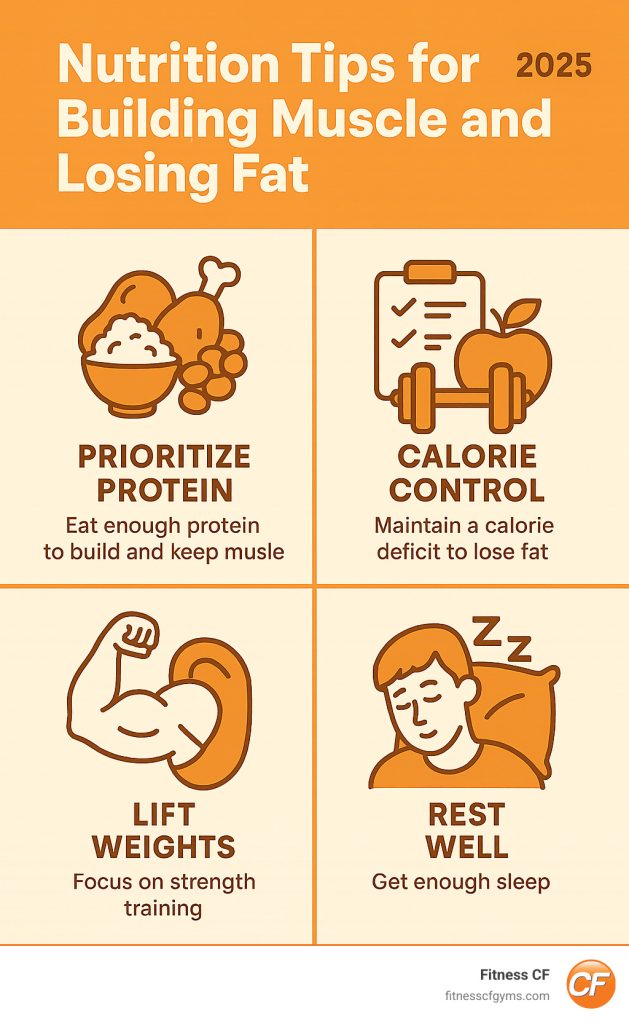
Are you striving to build muscle but feeling overwhelmed by conflicting nutrition advice? You’re not alone.
With so much focus on protein, you might wonder where carbohydrates fit into your muscle-building plan. The answer might surprise you. Carbs could be the missing piece in your fitness puzzle, offering more than just energy. Imagine harnessing the power of carbs to fuel your workouts and accelerate muscle growth.
This isn’t just another diet fad—it’s a science-backed strategy that could transform your results. Curious about how carbs can be your muscle-building ally? Keep reading to uncover the role they play in optimizing your gains, and discover how to incorporate them effectively into your routine for maximum benefit. Your path to better muscle growth could be just a few carbs away!

Credit: www.instagram.com
Role Of Carbohydrates In Muscle Growth
Carbohydrates have long been misunderstood in the fitness world. Often seen as the enemy in weight loss, their role in muscle growth is invaluable. If you’re aiming to build muscle, understanding how carbs contribute to this process can transform your workout routine and results. Let’s dive into the pivotal role of carbohydrates in muscle growth.
Energy Source For Workouts
Imagine hitting the gym with low energy levels. Your performance would suffer, right? Carbs are your body’s primary energy source during intense workouts. They provide the fuel needed to lift heavier and train longer. Ever noticed how your energy dips when you cut down carbs? It’s because your muscles lack their preferred energy source. By eating carbs before your workout, you ensure that your muscles are charged and ready for action. This means better performance and more gains.
Supporting Protein Synthesis
Protein synthesis is crucial for muscle repair and growth. But did you know carbs play a role in this process too? After a workout, consuming carbs helps to increase insulin levels, which aids in protein synthesis. This means your muscles can recover faster and grow stronger. Consider pairing your post-workout protein shake with a source of carbs, like a banana or oats. This combination can amplify the muscle-building benefits of your protein intake.

Credit: www.instagram.com
Carbs Vs. Other Nutrients
When striving to build muscle, many focus solely on protein intake, often overlooking the essential role carbohydrates play. Carbs aren’t just about energy; they can significantly impact muscle growth when balanced with other nutrients. Understanding how carbs stack up against proteins and fats can help you optimize your muscle-building strategy.
Comparing Carbs And Proteins
Proteins are the building blocks of muscle, but they need carbs to fuel the process. Imagine trying to build a house without the energy to lift the bricks. Carbs provide that energy, ensuring your body uses proteins effectively.
During workouts, muscles require quick energy. Carbs deliver this faster than proteins, allowing you to push harder and recover quicker. Have you ever felt drained mid-workout? A carb-rich snack could be the secret weapon you need.
Proteins repair and grow muscles, but without carbs, your body might use proteins for energy instead. This can slow down muscle growth. Balancing carbs and proteins means you’re not just building muscle but doing so efficiently.
Carbs And Fats: Balancing Act
Carbs and fats are often seen as rivals in the diet world, but they can complement each other in muscle building. Fats are essential for hormone production, including those crucial for muscle growth. Carbs, on the other hand, offer immediate energy.
Think of carbs and fats as teammates. Carbs get you through intense workouts, while fats support recovery and growth. Are you getting enough of both to fuel your muscle-building journey?
It’s not about choosing carbs over fats or vice versa; it’s about finding the right balance. Experiment with your diet to see how different carb and fat combinations impact your energy levels and muscle growth.
Types Of Carbs For Muscle Building
When you’re aiming to build muscle, understanding the types of carbs to include in your diet can be a game changer. Carbs aren’t just a source of energy; they play a crucial role in muscle recovery and growth. But not all carbs are created equal. Let’s delve into the different types of carbs that can support your muscle-building goals.
Complex Carbs For Sustained Energy
Complex carbs are your go-to for long-lasting energy. They slowly release glucose into your bloodstream, ensuring you have the stamina for those intense workout sessions. Foods like brown rice, quinoa, and sweet potatoes are excellent choices. Imagine having a workout where your energy levels remain steady, allowing you to push through that last set effortlessly. That’s the power of complex carbs.
Simple Carbs For Quick Recovery
After a tough workout, your muscles need immediate replenishment. Simple carbs can be your best friend here. They break down quickly, providing your muscles with the necessary sugars to recover and rebuild. Think of fruits like bananas or a glass of orange juice post-workout. These options can help you bounce back faster and get ready for your next training session.
Have you ever felt exhausted after a workout and wondered how to recover faster? Incorporating the right carbs at the right time can make all the difference. Choose wisely, and watch your muscle gains improve.

Credit: www.facebook.com
Timing Carb Intake For Optimal Results
Eating carbs at the right time can help build muscle. Consuming them after workouts aids recovery and boosts energy. This timing can support muscle growth and improve performance.
Timing Carb Intake for Optimal Results When it comes to building muscle, the timing of your carbohydrate intake can be just as crucial as the quantity. Carbs play a vital role in fueling workouts and aiding recovery, but when you consume them can make a significant difference. Let’s explore how to strategically time your carb intake for muscle growth.Pre-workout Carb Consumption
Fueling your body with carbohydrates before a workout can enhance your performance. Eating carbs about 30 to 60 minutes before exercising provides your muscles with an immediate energy source. This can lead to more effective workouts, allowing you to lift heavier and train longer. Consider a light snack like a banana or a small bowl of oatmeal. These options are easily digestible and can provide quick energy. The key is to avoid feeling heavy or sluggish, so keep it simple and balanced.Post-workout Carb Strategies
After your workout, your muscles are like sponges, ready to soak up nutrients. Consuming carbohydrates post-exercise helps replenish glycogen stores that have been depleted during your workout. Pairing carbs with protein can maximize muscle repair and growth. A recovery meal could include a chicken wrap with whole-grain tortilla or a smoothie with fruits and a scoop of protein powder. Aim to consume this meal within 30 minutes to two hours after your session for best results. Have you ever noticed how a good post-workout meal can speed up recovery? Try experimenting with different carb sources to find what works best for your body.Carb Cycling For Muscle Growth
Carb cycling can support muscle growth by providing the energy needed for intense workouts. This method involves varying your carb intake to optimize muscle recovery and performance. Balancing carbs effectively can enhance muscle protein synthesis, aiding in muscle building.
Carb cycling is a strategic approach to eating that can help optimize muscle growth. By alternating between high and low carb days, you provide your body with the necessary fuel for training while also encouraging fat loss. This method can be particularly effective for athletes or anyone looking to maximize their muscle-building potential.High Carb Days Explained
On high carb days, you significantly increase your carbohydrate intake. This helps replenish glycogen stores, which are essential for powering through intense workouts. Think of high carb days as a chance to fuel your body for peak performance. You might notice more energy, better endurance, and a quicker recovery. Consider timing these days around your most challenging workouts for maximum effect.Low Carb Days And Recovery
Low carb days focus on reducing carbohydrate consumption to encourage fat burning. This can be particularly beneficial on rest days when your energy demands are lower. By lowering carbs, your body learns to utilize fat more efficiently as a fuel source. However, it’s crucial to ensure you’re still getting enough nutrients to support muscle recovery and overall health. Balance your meals with adequate protein and healthy fats to maintain muscle mass and support recovery. Carb cycling can be a powerful tool, but it requires careful planning and attention. How will you tailor carb cycling to fit your fitness goals?Common Myths About Carbs
Carbohydrates often get a bad reputation in fitness circles. Many myths surround them, creating confusion. People often think carbs are the enemy of fitness. Let’s clear up some common misconceptions about carbs and their role in building muscle.
Carbs And Weight Gain
Many believe eating carbs leads to weight gain. This is a misunderstanding. Weight gain occurs when calorie intake exceeds what the body burns. Carbs themselves aren’t the sole reason for added pounds. Choosing healthy carbs can actually support fitness goals.
Whole grains, fruits, and vegetables provide essential nutrients. These are not empty calories. They help fuel workouts and aid in recovery. Overeating any macronutrient can lead to weight gain, not just carbs.
Carbs And Performance
Some think carbs lower athletic performance. This is not accurate. Carbs are the body’s main energy source. They provide the fuel needed for high-intensity exercise. Without enough carbs, energy levels dip. This can lead to fatigue during workouts.
Consuming carbs before and after workouts can enhance performance. They help replenish glycogen stores. This leads to better muscle recovery and growth. A balanced intake of carbs supports overall athletic performance.
Personalizing Your Carb Strategy
Personalizing your carb strategy can be the key to maximizing muscle growth and overall fitness. Not all carbs are created equal, and neither are the bodies they fuel. Understanding how to tailor your carb intake to fit your unique needs and goals can make a significant difference in your muscle-building journey.
Adjusting Based On Fitness Goals
Your fitness goals should dictate your carb intake. If you’re aiming to bulk up, you might need a higher carb intake to fuel intense workouts and recovery. On the other hand, if you’re focusing on leaning out while maintaining muscle, you may need to adjust your carbs to avoid excess caloric intake.
Consider using a food diary to track your progress and make adjustments. This can help you identify which carb sources give you the best results. For instance, complex carbs like sweet potatoes and brown rice might work better for energy stability compared to simple sugars.
Listening To Your Body’s Needs
Your body is an excellent guide for determining your carb needs. Pay attention to how your energy levels fluctuate throughout the day. If you feel sluggish during workouts, it might be a sign to increase your carb intake.
Conversely, if you notice bloating or sluggishness after meals, you might need to adjust the type or timing of your carbs. Experiment with different carb sources and meal timings to see what your body responds to best.
Are you in tune with your body’s signals? Understanding these cues can help you optimize your diet for muscle gain. It’s about finding that sweet spot where you feel energized and ready to tackle your fitness goals head-on.
Frequently Asked Questions
Do Carbs Contribute To Muscle Growth?
Yes, carbs provide energy for workouts and help in muscle recovery. They replenish glycogen stores, allowing better performance. Consuming carbs post-exercise aids in muscle protein synthesis. This promotes muscle growth and repair. Balanced carb intake supports overall muscle development.
How Do Carbs Support Workout Performance?
Carbs are the primary energy source for high-intensity exercises. They fuel muscles, enhancing endurance and strength. Adequate carbs prevent fatigue during workouts, enabling longer and more effective sessions. This ultimately aids in better muscle development. Incorporating carbs into your diet boosts workout performance significantly.
What Are The Best Carbs For Muscle Gain?
Complex carbs like whole grains, sweet potatoes, and oats are ideal. They provide sustained energy and essential nutrients. These carbs have a low glycemic index, ensuring stable blood sugar levels. Including them in your diet supports muscle growth and recovery.
Prioritize complex carbs for optimal muscle gain.
Should I Eat Carbs Before Or After Exercise?
Consuming carbs both before and after exercise is beneficial. Pre-workout carbs provide energy, enhancing performance. Post-workout carbs replenish glycogen stores, aiding in recovery. This combination supports muscle growth and repair effectively. Timing your carb intake around workouts optimizes your muscle-building efforts.
Conclusion
Carbs play a vital role in muscle growth. They provide energy for workouts. This helps in better performance and recovery. Muscles need fuel to repair and grow. Carbs supply this necessary fuel. Balance is key for effective results. Choose healthy carbs like whole grains and fruits.
These options offer both energy and nutrients. Timing is also important. Eating carbs before and after workouts boosts benefits. Consider your body’s needs and adjust intake accordingly. Proper carb consumption aids muscle building efficiently. Remember, carbs are friends, not foes, in your fitness journey.