
Imagine watching a sports event where athletes perform seemingly superhuman feats. You might wonder, “How do they do that?”
While hard work and dedication are key, some athletes turn to performance-enhancing drugs to gain an edge. But what exactly are these substances, and how do they work? Understanding this can be crucial, especially if you’re involved in sports or simply a fan.
You’ll discover the risks, the ethics, and what lies behind the headlines. Grasping this knowledge could change the way you view sports, athletes, and even your own health decisions. Dive into the world of performance-enhancing drugs, and uncover the truths that could reshape your perspective.
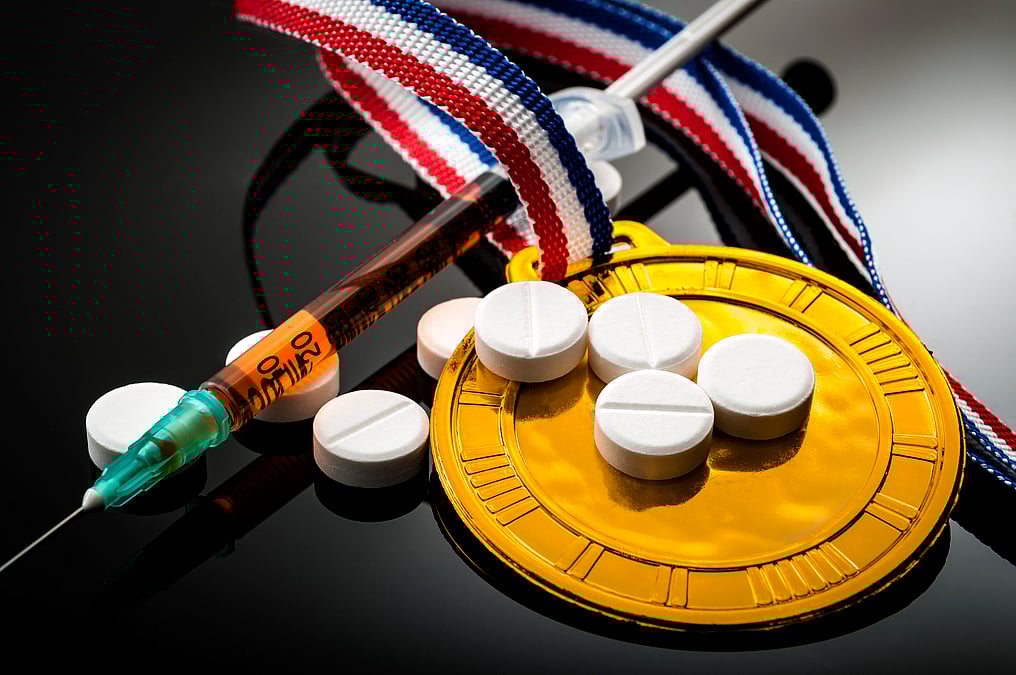
Credit: www.downtoearth.org.in
Types Of Performance-enhancing Drugs
Performance-enhancing drugs (PEDs) have been a controversial topic in the world of sports for decades. While they promise enhanced abilities and competitive edges, they also come with ethical and health concerns. Understanding the types of PEDs can help you appreciate their impact on athletes’ bodies and the sporting world. Let’s dive into the different types of performance-enhancing drugs and how they function.
Anabolic Steroids
Anabolic steroids are perhaps the most notorious PEDs. They mimic testosterone, promoting muscle growth and recovery. Imagine gaining muscle mass rapidly; these drugs make it possible. However, they can also lead to severe health issues like liver damage and mood swings. Are the temporary gains worth the long-term consequences?
Stimulants
Stimulants are known for boosting alertness and reducing fatigue. Think of them as supercharged caffeine. Athletes may use stimulants to keep their energy levels high during competition. Yet, they come with risks like increased heart rate and addiction. Would you risk your heart health for a burst of energy?
Erythropoietin
Erythropoietin (EPO) is famous in endurance sports. It increases red blood cell production, enhancing oxygen delivery to muscles. Imagine running longer and faster without tiring. But misuse can lead to dangerous blood clots. Is pushing your limits worth the gamble?
Human Growth Hormone
Human Growth Hormone (HGH) helps with recovery and muscle growth. It’s like a fountain of youth for athletes. However, it can cause joint pain and abnormal growth. Would you trade natural aging for potential health hazards?
Beta-blockers
Beta-blockers are unique; they calm nerves and reduce shaking. Often used in precision sports like shooting, they offer steadiness under pressure. Yet, they can lower blood pressure excessively. Is it worth risking dizziness for a steady hand?
These drugs offer tempting benefits but come with hefty risks. As you consider the impact of PEDs, ask yourself: Is the pursuit of victory worth sacrificing your health and integrity?

Credit: www.yahoo.com
Benefits And Risks
Drugs that enhance sports performance can increase strength, speed, and endurance. Yet, they carry risks like addiction, health issues, and unfair advantages. Balancing benefits and risks is crucial for athletes.
Sports performance enhancement is a topic filled with potential and pitfalls. Athletes often seek advantages to push their physical limits. Drugs can offer benefits, but they come with risks. Understanding both sides is crucial.Physical Benefits
Some drugs improve strength and endurance. Athletes may gain muscle mass quickly. Enhanced recovery times allow for more intense training. Increased oxygen delivery boosts stamina during competitions. Faster reflexes and better focus are possible.Health Risks
The risks are significant. Heart issues can arise from drug use. Liver damage is a common concern. Hormonal imbalances lead to long-term health problems. Dependency on drugs can develop. Immune system may weaken, making athletes prone to infections.Psychological Effects
Mental health can be affected. Mood swings and aggression are possible outcomes. Anxiety and depression may increase. Some athletes experience paranoia. Loss of motivation is a potential consequence. Decision-making abilities can become impaired.Detection And Testing
Understanding how drugs enhance sports performance involves recognizing substances like steroids and stimulants. These drugs can increase strength, endurance, and speed, giving athletes a competitive edge. Testing and detection methods are crucial in ensuring fair play and maintaining athletes’ health.
Detection and testing of performance-enhancing drugs are crucial in sports. These processes ensure fair play and protect athletes’ health. Over the years, testing methods have advanced significantly. They help identify athletes using banned substances. Despite advancements, challenges in detection remain. Let’s explore how testing works and the difficulties faced.Drug Testing Methods
Sports organizations use various methods to detect drug use. Blood and urine tests are common. They provide accurate results. Urine tests can identify many substances. Blood tests detect substances not found in urine. Hair samples are sometimes used. They reveal drug use over a longer period. Testing labs employ sophisticated equipment. These tools ensure reliable results.Challenges In Detection
Detecting performance-enhancing drugs is challenging. New drugs are constantly developed. Some substances are difficult to detect. They may leave the body quickly. Athletes may use masking agents. These hide the presence of drugs. Testing labs must stay ahead of these methods. Another challenge is the cost of testing. Comprehensive testing can be expensive. This limits the number of tests conducted. Despite these issues, testing is vital for fair competition.
Credit: www.usada.org
Ethical And Legal Considerations
In the world of sports, performance-enhancing drugs can offer a tempting shortcut to success. However, their use is fraught with ethical and legal challenges. As athletes seek to gain a competitive edge, they must navigate a complex landscape of regulations and moral dilemmas. Understanding these considerations is crucial for anyone involved in sports, whether you’re an athlete, coach, or fan.
Sports Regulations
Various sports organizations have strict rules regarding the use of performance-enhancing drugs. Governing bodies like the World Anti-Doping Agency (WADA) enforce these regulations to ensure fair play and athlete safety. Have you ever considered how these rules impact the integrity of competitions? Athletes caught using banned substances face severe penalties, including suspensions and loss of titles. This creates a level playing field, where natural talent and hard work are the keys to success.
Ethical Implications
The ethical debate surrounding performance-enhancing drugs is complex. On one hand, there’s the argument for personal freedom and choice. On the other, the responsibility to uphold fairness and health is paramount. If given the chance, would you compromise your integrity for short-term gains? The use of drugs not only undermines the spirit of competition but also poses significant health risks. Athletes must weigh these risks against their desire to win, considering the long-term impact on their careers and lives.
Impact On Sports Culture
Drugs that enhance sports performance can deeply influence sports culture. They often create unfair advantages, altering competition dynamics. This can lead to ethical dilemmas, affecting the integrity of sports and athlete health.
The use of drugs to enhance sports performance has reshaped sports culture. Athletes search for ways to boost their abilities and gain an edge. This practice has sparked debates and raised ethical questions. As a result, it has influenced how society views athletes and their achievements.Public Perception
Sports fans are passionate about their favorite athletes and teams. They expect fair play and genuine effort from players. The use of drugs can tarnish an athlete’s reputation. It creates doubt about their skills and achievements. Many fans feel betrayed when they learn about drug use. Trust can be hard to rebuild once broken. Media plays a significant role in shaping public perception. News outlets cover doping scandals extensively. This coverage increases awareness but also fuels skepticism. Fans may begin to question the integrity of sports in general. The spotlight on these issues can lead to stricter regulations.Influence On Young Athletes
Young athletes often idolize professional players. They dream of reaching similar heights in their careers. Seeing their heroes involved in doping can be confusing. It might lead them to believe drugs are necessary for success. This perception can have harmful effects on their health and future. Coaches and mentors have a duty to guide young athletes. They should emphasize the importance of hard work and dedication. Encouraging ethical behavior is crucial. Promoting healthy ways to improve performance can protect young athletes. Education about the risks of drugs is essential. Athletic organizations aim to create clean sports environments. They implement programs to educate young athletes. These efforts focus on instilling values of honesty and fair play. By doing so, they hope to change the narrative around performance enhancement.Alternatives To Enhance Performance
Athletes seek drugs to boost performance, including steroids, stimulants, and hormone enhancers. These substances promise better strength and endurance. Yet, their use carries significant health risks and ethical concerns in sports.
Enhancing sports performance doesn’t always require turning to drugs. There are effective and healthy alternatives that can boost your abilities naturally. These alternatives focus on optimizing what your body and mind can already do. Let’s dive into some practical strategies that can make a noticeable difference.Training And Nutrition
A well-structured training regimen is crucial to achieving peak performance. Consistency is key. Set achievable goals and gradually increase the intensity and complexity of your workouts. Nutrition plays an equally important role. Eating a balanced diet rich in proteins, carbs, and healthy fats fuels your body for optimal performance. Consider consulting a nutritionist to tailor a meal plan that suits your specific needs. Staying hydrated is equally important. Water helps in maintaining energy levels and improving concentration. Always keep a water bottle handy during training sessions.Mental Conditioning
Your mental state can greatly impact your performance. Developing a strong mental game involves building focus and resilience. Techniques like visualization can help you picture success and prepare mentally for competitions. Mindfulness and meditation are powerful tools for managing stress and improving concentration. Even just a few minutes a day can make a significant difference in your mental clarity and performance under pressure. Seeking the guidance of a sports psychologist can provide personalized strategies for overcoming mental barriers. Remember, mental strength is just as important as physical strength in sports.Frequently Asked Questions
What Are Common Performance-enhancing Drugs In Sports?
Performance-enhancing drugs include steroids, stimulants, and hormone boosters. These substances can increase strength, endurance, and muscle mass. However, they pose health risks and ethical concerns. Athletes often misuse these drugs to gain competitive advantages, despite strict regulations. Awareness and education are crucial to combat their use.
Why Do Athletes Use Performance-enhancing Drugs?
Athletes use these drugs to boost strength, stamina, and recovery times. They aim to outperform competitors and achieve new records. However, this practice risks health and violates sports ethics. Long-term effects include heart issues and hormonal imbalances. Education about these risks is vital for athletes.
Are Performance-enhancing Drugs Legal In Sports?
Most performance-enhancing drugs are banned in professional sports. Organizations like WADA enforce strict anti-doping regulations. Violations can lead to suspensions, fines, and career damage. Legal consequences vary by country and sport. Athletes must adhere to guidelines to maintain fair competition and integrity.
What Are The Side Effects Of These Drugs?
Side effects include heart problems, hormonal imbalance, and psychological issues. Long-term use can cause irreversible damage to organs. Athletes might experience mood swings, aggression, and depression. Awareness of these risks is essential for informed decisions. Regular health checks can mitigate some side effects.
Conclusion
Understanding drugs in sports is crucial for athletes. These substances can enhance performance, but they carry risks. Health problems and unfair advantages are common concerns. Athletes should prioritize safety and fairness. A healthy lifestyle and training can boost performance naturally.
It’s essential to stay informed and make wise decisions. Sports should be about skill and dedication, not shortcuts. Fair play is the true spirit of competition. Athletes must respect rules and protect their health. Always consult professionals before using any substance.
Good choices lead to long-term success and well-being.