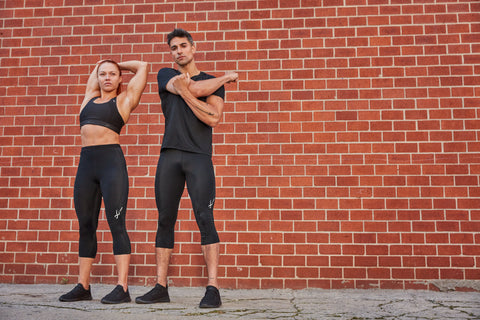
Are you looking to enhance your workout while keeping injuries at bay? You’ve probably heard about compression tights and their promises to keep you safe and sound during your fitness routine.
But do they really live up to the hype? Understanding how compression tights work can be the game-changer you’ve been searching for. This article dives into the science behind these popular fitness garments and explores whether they can truly protect you from those pesky strains and sprains.
Keep reading to discover how compression tights might be your next secret weapon in injury prevention.
Benefits Of Compression Tights
Compression tights enhance blood circulation, aiding muscle recovery and reducing fatigue during workouts. They provide support to key muscle groups, potentially lowering the risk of strains and injuries. Regular use may improve overall athletic performance by offering stability and reducing muscle oscillation.
Compression tights are more than just a trend in athletic wear. They offer several benefits that help athletes and fitness enthusiasts. These benefits not only improve performance but also aid in preventing injuries.Improved Blood Circulation
Compression tights enhance blood flow throughout the legs. They apply pressure to the muscles and veins. This pressure helps blood return to the heart more efficiently. Better circulation means more oxygen reaches the muscles. This reduces fatigue and enhances endurance during workouts.Muscle Support And Stability
These tights provide excellent support to muscles. They reduce vibration during physical activities. Less muscle vibration leads to decreased muscle damage. This results in fewer injuries over time. Compression also aids in maintaining body alignment and posture.Enhanced Recovery
Recovery time is crucial for athletes. Compression tights help speed up this process. They reduce soreness and swelling after intense workouts. Wearing them after exercising can help muscles recover faster. This allows athletes to return to training sooner and maintain their fitness levels.Mechanics Of Injury Prevention
Compression tights are popular among athletes seeking to prevent injuries. Their design aids the body in various ways. Understanding how they help is crucial. The mechanics behind injury prevention involve several factors.
Reducing Muscle Vibration
During intense activity, muscles vibrate. This can lead to soreness or injury. Compression tights stabilize muscles. Less vibration means reduced strain. This helps in maintaining muscle health.
Minimizing Fatigue
Fatigue is a common enemy for athletes. It impacts performance and increases injury risk. Compression garments enhance blood flow. Better circulation reduces fatigue. Athletes can perform longer without tiring.
Supporting Joint Health
Joints are critical for movement and stability. They often bear the brunt of physical activity. Compression tights offer support to these areas. This support minimizes stress on joints. It helps in maintaining joint integrity.
Scientific Studies And Findings
The debate around whether compression tights prevent injuries has been ongoing, with various studies attempting to shed light on the matter. Understanding the scientific findings can help you make informed decisions about your athletic gear. Let’s dive into what research says about compression tights and their impact on injury prevention.
Research On Athletic Performance
Several studies have explored how compression tights affect athletic performance. Many athletes report feeling more supported and less fatigued during workouts. Some research indicates that compression gear can enhance blood flow, potentially improving endurance.
However, not all studies agree on performance benefits. While some athletes experience increased efficiency, others notice no change. This inconsistency suggests that compression tights may benefit some individuals more than others.
Evidence Of Injury Reduction
Research on injury prevention is varied. Some studies show a reduction in muscle soreness and quicker recovery times. This can be particularly beneficial for athletes engaging in high-impact sports.
Other findings suggest a decrease in the risk of certain injuries, like strains and sprains. Compression tights may provide stability to muscles and joints, reducing the likelihood of injury.
Limitations In Current Studies
It’s important to note the limitations in existing research. Many studies have small sample sizes, which can affect the reliability of results. Additionally, the placebo effect—where athletes believe they perform better just by wearing compression gear—can skew outcomes.
Another limitation is the varied design of compression tights across brands. Not all tights offer the same level of compression or support, making it challenging to draw universal conclusions.
Have you ever tried compression tights and noticed any differences in your performance or recovery? Your personal experiences can also be a valuable part of this ongoing conversation. Consider experimenting with different brands and types to see what works best for you.

Credit: cw-x.com
Compression Tights In Different Sports
Compression tights offer support in various sports, potentially reducing muscle soreness and fatigue. Athletes often wear them to stabilize muscles, which might help in preventing injuries during intense activities.
Compression tights are popular among athletes across different sports. They offer various potential benefits, including injury prevention. Athletes in running, team sports, and weightlifting wear them for support. Let’s explore how these tights play a role in different sports.Running And Endurance Sports
Compression tights are common among runners. They help reduce muscle fatigue. Tights support leg muscles during long runs. This support may lower the risk of injuries. Runners feel less soreness after wearing them. The snug fit aids in faster recovery. Many marathon runners choose compression gear.Team Sports And Dynamic Activities
Athletes in soccer and basketball wear compression tights. These sports involve quick movements. Tights provide stability to muscles during sudden stops. Players may experience fewer cramps and strains. The tights help with maintaining optimal body temperature. This is crucial during intense matches. They also improve blood circulation.Weightlifting And Resistance Training
Weightlifters benefit from compression tights. They offer joint support during lifts. This reduces the risk of strains. Tights maintain muscle alignment. This helps in executing exercises correctly. They also decrease muscle oscillation. Lifters report feeling more confident in their movements. Compression gear aids in post-workout recovery too.Factors Influencing Effectiveness
Compression tights are popular among athletes for their potential to prevent injury, but their effectiveness can vary based on several factors. Understanding these factors can help you make informed decisions about whether these tights are right for your workout routine. Let’s explore some key elements that influence their effectiveness.
Proper Fit And Material
The fit of compression tights is crucial. If they’re too tight, they can restrict movement and cause discomfort. If they’re too loose, they won’t provide the intended support. Look for a snug fit that supports without constricting.
Material matters too. High-quality fabrics like nylon and spandex offer durability and elasticity. These materials wick away moisture, keeping you dry and comfortable during intense workouts.
Duration Of Wear
How long you wear compression tights can impact their effectiveness. Wearing them during workouts can enhance circulation and reduce muscle fatigue. Some athletes find benefits in wearing them post-exercise to aid recovery.
Consider your activity level and recovery needs when deciding on duration. Try wearing them during different phases of your training to see what works best for you.
Individual Physiological Differences
Your body responds uniquely to compression wear. Some people experience noticeable benefits, while others may not feel much difference. Factors like muscle composition and circulation patterns play a role.
Are you aware of how your body reacts to compression? Pay attention to any changes in your performance or recovery. It might be worth experimenting to find what suits your physiological needs.
Choosing The Right Compression Tights
Choosing the right compression tights can enhance your performance and aid recovery. The perfect pair depends on various factors. You’ll need to consider material, compression level, and brand reputation. Each aspect plays a crucial role in ensuring you get the best support during physical activities. Let’s explore these factors in detail.
Material Considerations
Material choice affects comfort and breathability. Look for moisture-wicking fabrics. These materials keep sweat away from your skin. Nylon and spandex blends are popular options. They offer stretch and durability. Make sure the fabric is soft to prevent irritation.
Compression Levels
Compression levels determine the tights’ effectiveness. Levels range from mild to high. Mild compression suits everyday wear. Moderate compression supports athletic activities. High compression is for medical use. Choose a level that matches your activity needs.
Brand And Product Reviews
Check reviews before purchasing. Feedback from other users can guide your decision. Popular brands often have better quality control. Look for consistent positive comments on durability and comfort. Avoid brands with frequent negative reviews. Trustworthy reviews provide insights into product performance.
Expert Opinions And Recommendations
Experts suggest compression tights might reduce muscle soreness and improve blood flow. Some studies indicate potential injury prevention benefits. Opinions vary, and more research is needed.
In the world of athletics, injury prevention is crucial. Compression tights have gained attention for this purpose. Experts offer varying opinions and recommendations. Understanding their views can help in making informed decisions.Insights From Sports Physiotherapists
Sports physiotherapists often see the benefits of compression gear. They believe it supports muscles during activity. This support can reduce the risk of strains. Compression also helps in better blood flow. Improved circulation aids in quicker recovery. Physiotherapists recommend tights for post-exercise recovery. They suggest wearing them for extended periods after workouts.Athlete Testimonials
Athletes frequently share their experiences with compression tights. Many report a sense of stability. This feeling boosts their confidence during intense activities. Some athletes notice less muscle soreness. They believe tights help in reducing fatigue. Testimonials often mention enhanced performance. Athletes appreciate the comfort and fit of the tights.Guidelines For Use
Using compression tights correctly is important. Experts advise selecting the right size. Tights should be snug but not too tight. Wearing them during and after exercise is beneficial. Start with short periods to let your body adjust. Clean tights regularly to maintain their elasticity. Always follow the care instructions on the label.
Credit: newdimensionsactive.ie

Credit: cw-x.com
Frequently Asked Questions
Do Compression Tights Really Prevent Injury?
Compression tights can help reduce muscle fatigue and improve circulation. They may not directly prevent injuries, but they can support recovery. By stabilizing muscles, they may lower the risk of strains and enhance overall performance. Consult a healthcare professional for personalized advice.
How Do Compression Tights Work For Athletes?
Compression tights apply gentle pressure to muscles, enhancing blood flow and oxygen delivery. This can reduce muscle soreness and fatigue. Improved circulation may support faster recovery and performance. However, they should complement other injury prevention strategies, like proper warm-ups and stretching.
Can Compression Tights Aid In Muscle Recovery?
Yes, compression tights can aid muscle recovery by improving circulation. They help flush out lactic acid, reducing soreness and swelling. This can speed up the recovery process post-exercise. However, they should be used alongside other recovery methods like hydration and rest.
Are Compression Tights Suitable For Daily Wear?
Compression tights can be worn daily, especially for those with active lifestyles. They offer muscle support and may reduce fatigue. Ensure they fit well and are comfortable for extended use. It’s best to consult a healthcare professional if you have specific health concerns.
Conclusion
Compression tights offer several benefits for athletes. They improve blood flow and reduce muscle soreness. Many believe they help prevent injuries. Studies, however, show mixed results. Some suggest benefits, while others find little impact. Personal preference plays a big role.
Listen to your body. If you feel better with them, keep using them. They might boost confidence and performance. Always combine with proper training and rest. Remember, no gear can replace good habits. Stay informed and make choices that fit you.