Skateboarding is an adrenaline rush that you crave. The thrill of the ride, the wind in your hair, and the victory of landing that perfect trick are unmatched.
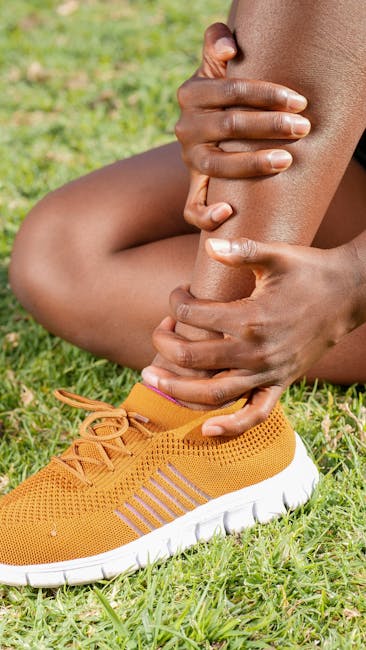
But there’s one thing that can put a sudden stop to your fun: an ankle injury. You know how painful and frustrating it can be. What if you could learn how to prevent these injuries effectively? Imagine skating without fear, fully confident in your safety.
In this guide, you’ll discover practical tips to protect your ankles and keep you rolling. Stay on your board, stay safe, and unlock the secrets to injury-free skating. Are you ready to learn how to protect yourself and enhance your skateboarding experience? Let’s dive in.
Choosing The Right Gear
Skateboarding is thrilling but comes with risks, especially to ankles. Choosing the right gear is crucial for preventing injuries. Proper gear enhances performance and safety on the board. Let’s explore essential gear choices to keep your ankles protected.
Selecting Proper Footwear
Footwear is vital for ankle protection. Skate shoes should have a snug fit. They must provide good grip and cushioning. Avoid shoes with heavy soles. Lightweight soles offer better board feel. Look for shoes with reinforced toes. They help in absorbing impacts. Breathable materials prevent moisture buildup.
Importance Of Ankle Support
Ankle support is essential for preventing injuries. High-top shoes offer more support than low-tops. They reduce ankle movement during tricks. Consider shoes with padded collars. Padding adds comfort and stability. Look for shoes with stiff heel counters. They help keep ankles aligned. Ankle braces can provide extra support.
Protective Gear Essentials
Protective gear is crucial for safety. Wear knee and elbow pads. They protect against falls and impacts. Wrist guards prevent sprains. Helmets are a must for head protection. Choose gear that fits well and is comfortable. Quality gear lasts longer and offers better protection.

Credit: www.facebook.com
Learning Proper Techniques
Proper skateboarding techniques help prevent ankle injuries. Focus on balance, correct foot placement, and controlled movements. Regular practice builds strength and enhances stability, reducing the risk of sprains.
Learning proper techniques is crucial to prevent ankle injuries while skateboarding. Developing these skills not only keeps you safe but also enhances your overall performance. By focusing on mastering basic moves, practicing safe landings, and improving your balance and coordination, you can minimize the risk of injuries and enjoy skateboarding to its fullest.Mastering Basic Moves
Understanding the basics is the foundation of safe skateboarding. Start with simple moves like the ollie and kickflip. These moves require controlled foot placement and precise timing. When I first learned the ollie, I spent hours perfecting the motion. I realized that by focusing on the small adjustments in my foot position, I could prevent awkward landings that might twist my ankle. What basic move do you find challenging? Sometimes mastering a simple move can prevent a painful mistake.Practicing Safe Landings
Landing safely is essential to avoid ankle injuries. Always aim to land with your feet centered over the board. This distributes your weight evenly and reduces the risk of rolling your ankle. One time, I landed unevenly during a trick and felt a sharp pain in my ankle. Since then, I’ve practiced landing by bending my knees to absorb the impact, which has saved me from many potential injuries. Are you landing your tricks safely? Checking your landing technique can make a huge difference in injury prevention.Balancing And Coordination
Good balance and coordination are key to preventing injuries. Use exercises like balance board training or yoga to improve these skills. They help you maintain control over your movements, especially during complex tricks. Once, while practicing a new trick, I noticed my balance was off. By dedicating time to balance drills, I found I had better control and fewer falls. It’s amazing how much a little practice can improve your skateboarding experience. How’s your balance on the board? Try dedicating a few minutes each day to balance exercises—you might be surprised at the results.Strengthening Exercises
Strengthening exercises help prevent ankle injuries in skateboarding. Focus on balance and flexibility to enhance stability. Regular practice of these exercises can reduce injury risk and improve performance.
Skateboarding is thrilling, but it comes with its fair share of risks, especially to your ankles. One smart way to prevent ankle injuries is through strengthening exercises. Not only do these exercises help build resilience, but they also enhance your overall skateboarding performance. Imagine confidently landing tricks without worrying about a painful twist. Let’s dive into how you can effectively strengthen your ankles and skateboard without fear.Ankle Strengthening Workouts
Strengthening your ankles requires a focused approach. Begin with basic exercises such as calf raises. Stand on the edge of a step with your heels hanging off. Raise your heels as high as you can, then slowly lower them. Aim for 15 repetitions. Another effective workout is using resistance bands. Secure a band around a sturdy object and loop it around your foot. Flex your foot against the band’s resistance to strengthen your ankle muscles. Consistency is key. These exercises should become part of your daily routine. Consider working out with a friend to stay motivated and make it more enjoyable.Flexibility And Stretching
Flexibility is just as crucial as strength. Incorporate ankle circles into your routine. Sit down and extend your leg, then rotate your foot in circles. Aim for 10 rotations in each direction. Stretching your Achilles tendon can also prevent injuries. Stand facing a wall, place your hands on it, and step one foot back. Keep your heel on the ground and feel the stretch in your calf. Always warm up before skateboarding. A few minutes of stretching can save you from weeks of recovery. How often do you prioritize flexibility in your routine?Balance Training
Balance is essential for every skateboarder. Start with simple exercises like standing on one leg. Try to hold the position for 30 seconds and switch legs. Use a balance board for more advanced training. It mimics the instability you feel on a skateboard, enhancing your ability to recover from slips. Balance exercises also improve your mental focus. You become more aware of your body’s movements, leading to better control on the board. By integrating these strengthening exercises into your lifestyle, you’ll not only prevent ankle injuries but also elevate your skateboarding skills. Imagine the possibilities when you can ride with confidence and finesse.Understanding Skateboarding Surfaces
Selecting the right skateboarding surface can reduce ankle injury risks. Smooth concrete offers stability and control. Uneven terrains require cautious navigation to prevent accidents.
Understanding the surfaces you skateboard on is crucial. It impacts your safety and performance. Different surfaces pose unique challenges and risks. Recognizing these can help prevent ankle injuries.Choosing Safe Locations
Select places with smooth, even surfaces. Skateparks often provide ideal conditions. They are designed for skateboarding, minimizing unexpected obstacles. Public sidewalks might seem convenient. Yet, they often have cracks and uneven sections. These increase the risk of falls and injuries. Parking lots are another option but check for traffic and debris.Identifying Hazardous Spots
Watch out for loose gravel and sand. They can make your board slip suddenly. Wet surfaces are also dangerous. They reduce grip and control. Avoid areas with too many pedestrians. Unexpected collisions can lead to injuries. Pay attention to changes in surface texture. Even small bumps can cause a fall.Adapting To Different Terrains
Skateboarding on hills requires extra caution. Steep slopes increase speed quickly. Practice braking techniques to stay safe. Grass and dirt can be unpredictable. They hide obstacles and reduce maneuverability. Adjust your stance to maintain balance. On rough surfaces, use boards with larger wheels. They handle bumps and cracks better.Recognizing Early Warning Signs
Spotting early warning signs can help prevent ankle injuries while skateboarding. Pay attention to unusual pain, swelling, or stiffness. Address these signs promptly to stay safe and maintain your skateboarding performance.
Recognizing early warning signs of ankle injuries can save you from prolonged discomfort and downtime from skateboarding. Understanding these signs not only helps in prevention but also allows you to continue skating with confidence. It’s crucial to pay attention to what your body is telling you, especially in the fast-paced world of skateboarding where agility and balance are key.Identifying Ankle Pain
Ankle pain is often the first sign that something might be wrong. You might feel a sharp pain after landing awkwardly from a trick or a dull ache after a long session. Listen to your body; pain is its way of signaling distress. Keep an eye out for persistent pain that doesn’t seem to improve with rest. This could mean you need more than just a break. Adjust your technique if necessary, and consider protective gear like ankle braces.Responding To Swelling
Swelling is your body’s natural response to injury. It can be a warning that your ankle needs attention before things get worse. If you notice puffiness or tenderness, it’s time to act. Elevate your foot to reduce swelling and apply ice to soothe inflammation. These simple steps can make a big difference in recovery time. But don’t ignore swelling that persists or worsens; it might require professional care.When To Seek Medical Advice
Knowing when to seek medical advice is crucial. If pain and swelling do not improve or if you experience severe discomfort, it might be time to consult a healthcare professional. Don’t wait until the problem escalates. A timely diagnosis can prevent long-term issues and ensure you get back to skateboarding safely. Always prioritize your health; it’s better to be cautious than to risk prolonged injury.
Credit: www.instagram.com
Injury Prevention Strategies
Proper warm-up and stretching prepare muscles for skateboarding. Choosing supportive footwear reduces ankle strain and enhances stability. Practicing safe landing techniques minimizes impact on ankles, preventing injuries.
Injury Prevention Strategies Skateboarding is thrilling, but it comes with risks, especially to your ankles. While mastering tricks and cruising through the park, it’s crucial to implement strategies to prevent injuries. Protecting your ankles starts with understanding and adopting smart practices.Routine Warm-ups
Before jumping onto your board, warming up is essential. It prepares your muscles and joints for the activity ahead. Begin with gentle stretches focusing on your calves and ankles. Follow this with dynamic movements like ankle circles or toe raises. These exercises increase blood flow, enhancing flexibility and reducing the risk of strains.Cooling Down Techniques
After a skate session, cooling down is just as important as warming up. It helps your body transition to rest and aids in recovery. Slow down with some light jogging or brisk walking. Conclude with static stretches to ease muscle tension. Cooling down can prevent soreness and keep your ankles in top shape.Rest And Recovery
Skateboarding puts stress on your ankles, and they need time to heal. Prioritize rest days to allow your body to recover. Incorporate activities like swimming or cycling to maintain fitness without straining your ankles. Pay attention to discomfort; it might be your body’s signal for more rest. Are you giving your ankles enough downtime? Balancing skateboarding with recovery is key to lasting ankle health.Consulting With Experts
Consulting with experts can provide valuable insights into preventing ankle injuries while skateboarding. Learn techniques for proper foot placement and balance. Expert advice helps you understand the importance of protective gear and conditioning exercises.
Consulting with experts can greatly reduce the risk of ankle injuries while skateboarding. Understanding the insights and techniques shared by professionals can enhance your skills and safety.Seeking Professional Guidance
Consulting a skateboarding coach can offer invaluable tips and techniques. Coaches teach proper foot positioning and safe landing techniques. These skills can significantly lower the chance of ankle injuries. A coach can also assess your current skills and suggest improvements. This personalized advice can refine your style and boost your confidence.Joining Skateboarding Workshops
Workshops provide hands-on learning in a controlled environment. They are led by experienced skaters who share their knowledge. You can learn new tricks and techniques safely. Workshops also offer the opportunity to meet other skaters and share experiences. This community learning approach can enhance your skills and enjoyment.Regular Check-ups With A Physiotherapist
A physiotherapist can help monitor your ankle health. Regular check-ups can identify any issues before they become serious. They offer exercises to strengthen the ankles and improve flexibility. This proactive approach can prevent injuries and promote long-term health. Regular visits ensure your body is always in peak condition for skateboarding.
Credit: www.instagram.com
Frequently Asked Questions
How Can I Strengthen My Ankles For Skateboarding?
Strengthening your ankles involves targeted exercises like calf raises and ankle circles. These improve balance and stability. Incorporate resistance bands for increased strength. Regular practice helps prevent injuries. Consult a professional for personalized routines. Always warm-up before skateboarding to enhance flexibility and reduce strain.
What Should I Wear To Protect My Ankles?
Wear high-top skate shoes for ankle support. Consider using ankle braces for additional protection. Choose shoes with a sturdy sole and padded interior. Proper footwear reduces impact stress and prevents sprains. Always ensure a snug fit for optimal safety. Avoid loose shoes to minimize injury risks.
Are Warm-up Exercises Necessary Before Skating?
Warm-up exercises are crucial for injury prevention. They increase blood flow and prepare muscles for activity. Include dynamic stretches like leg swings and lunges. Focus on ankle mobility exercises for enhanced flexibility. Warm-ups reduce the risk of strains and sprains.
Spend at least 10 minutes warming up before skating.
How Do I Safely Land A Skateboard Trick?
To safely land, focus on your stance and balance. Bend your knees to absorb impact and maintain control. Use your core for stability during landing. Practice on flat surfaces to build confidence. Gradually progress to complex tricks. Always wear protective gear to minimize injury risks.
Conclusion
Skateboarding safely requires care and attention. Protect your ankles with proper gear. Wear supportive shoes and use ankle braces if needed. Practice balancing techniques to strengthen your ankles. Warm up before each skate session. Stretch your muscles to prevent strains.
Always check your skateboard for any issues. Be mindful of your surroundings and potential hazards. Taking these steps reduces the risk of injuries. Enjoy the thrill of skateboarding while staying safe. Remember, safety comes first. Keep skating, stay cautious, and have fun.
Your ankles will thank you.