
Imagine this: you’ve just had a minor accident, perhaps a slip on a wet surface or a tumble during your morning jog. Your leg feels sore, and while it seems like just a typical bruise or sprain, there’s something you might not be considering—the risk of blood clots.
Yes, even a seemingly harmless leg injury can lead to serious complications if not properly managed. But don’t worry, because understanding how to prevent blood clots after a leg injury is simpler than you might think. Blood clots can be dangerous, but with the right knowledge, you can take control of your recovery process and ensure your leg heals safely.
This article is here to guide you through effective strategies to minimize your risk. From simple exercises to dietary tips, you’ll discover practical steps you can implement today. Don’t let fear or uncertainty hold you back. Empower yourself with the right information and safeguard your health. Keep reading to find out how you can take charge of your well-being and prevent blood clots before they become a problem.
Recognizing Blood Clot Symptoms
Leg injuries can lead to blood clots. Recognize symptoms like swelling, pain, or warmth in the leg. Regular movement and hydration help in prevention.
Recognizing blood clot symptoms early can save lives. A blood clot in the leg might start small but grow dangerously. Knowing what to watch for helps prevent severe complications.Swelling In The Leg
Swelling is a common sign of a blood clot. It often occurs in one leg. This swelling can be painful and noticeable. The skin might feel tight or hard.Pain Or Tenderness
Pain can be sharp or a dull ache. It typically worsens when walking or standing. Tenderness can make wearing shoes uncomfortable.Red Or Discolored Skin
Look for redness on the leg. The skin might change color, appearing bluish or pale. This discoloration indicates poor blood flow.Warmth In The Affected Area
The skin over the clot may feel warm to touch. This warmth can spread over a larger area. It’s often a sign of inflammation.Leg Cramps
Cramps can suddenly appear in the calf or thigh. These cramps may resemble a charley horse. They often occur at night or after exercise.Difficulty Breathing
Breathing trouble is serious. A clot may travel to the lungs. This causes sudden shortness of breath or chest pain.Fast Heart Rate
A rapid heartbeat can accompany breathing difficulty. The heart works harder to pump blood. This can feel like heart palpitations.
Credit: coastalvascular.net
Promoting Circulation
Promoting circulation is crucial after a leg injury to prevent blood clots. Healthy blood flow reduces clot risks and aids recovery. Various strategies can boost circulation effectively. Let’s explore some practical methods.
Leg Elevation Techniques
Elevating the injured leg is a simple yet effective method. It helps blood flow back to the heart and reduces swelling. Keep your leg raised above heart level. Use pillows or a recliner to maintain elevation comfortably. This position supports circulation and decreases clot risks. Elevate your leg several times a day for the best results.
Regular Movement And Exercise
Movement is vital for maintaining healthy circulation. Gentle exercises encourage blood flow and strengthen muscles. Start with light activities like toe wiggles and ankle rotations. Gradually increase to more challenging exercises as healing progresses. Walking short distances can also help, but consult a doctor before starting. Regular movement keeps blood flowing and combats clot formation.
Compression Garments
Compression garments can help prevent blood clots after a leg injury. These garments improve circulation by applying gentle pressure, reducing the risk of clot formation. Wearing them regularly aids recovery and promotes healthy blood flow.
Compression garments play a vital role in preventing blood clots after a leg injury. They apply gentle pressure to the legs, improving circulation and reducing swelling. This pressure helps blood vessels work efficiently, minimizing the risk of clot formation. Compression garments come in various styles, including stockings, sleeves, and socks. Each type offers specific benefits, catering to individual needs and preferences.Types Of Compression Stockings
Compression stockings are the most common choice. They come in different lengths, such as knee-high or thigh-high. Knee-high stockings support the lower legs, while thigh-high stockings offer extended coverage. Graduated compression stockings provide varying pressure levels, with maximum compression at the ankles, gradually decreasing up the leg. This design enhances blood flow, making them ideal for post-injury recovery.Proper Usage And Fit
Proper usage is crucial for effectiveness. Wear compression garments daily, starting from the morning. They should fit snugly but not be too tight. Choosing the right size ensures maximum benefits. Measure your leg circumference and consult size charts for accuracy. Replace them every six months for optimal performance. Regular washing keeps them clean and functional. Always follow manufacturer instructions for care and maintenance.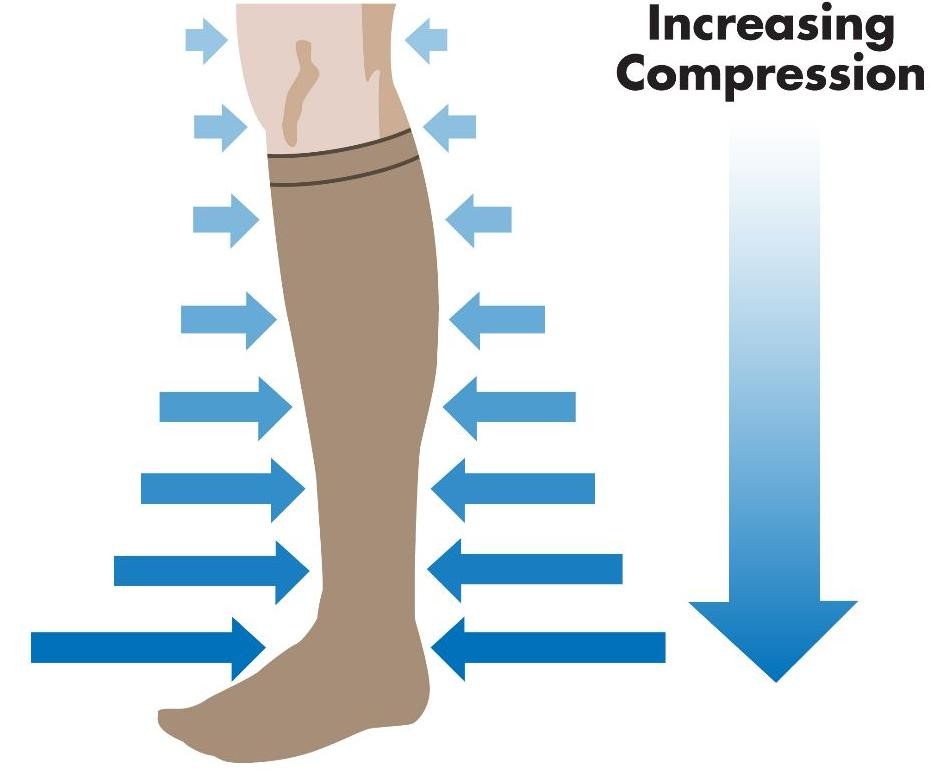
Credit: thrombosis.org
Hydration Importance
Hydration plays a crucial role in preventing blood clots after a leg injury. Proper hydration helps maintain healthy blood circulation, reducing the risk of clot formation. Staying hydrated supports your body’s healing process and can be a simple yet effective strategy in your recovery journey.
Daily Water Intake
Ensuring you consume enough water daily is essential. Aim for at least 8-10 glasses of water each day. This helps keep your blood flowing smoothly and reduces the chance of clotting.
Consider carrying a water bottle with you as a reminder to drink regularly. You might find it helpful to set hourly reminders on your phone to sip water, especially if you’re busy or tend to forget.
Avoiding Dehydration Triggers
Certain habits can lead to dehydration, increasing the risk of blood clots. Watch out for excessive caffeine or alcohol consumption, as these can dehydrate your body.
If you enjoy coffee or alcohol, balance it with extra water intake. Think about how these habits affect your hydration levels and adjust accordingly to maintain balance.
Additionally, be mindful of physical activities or hot weather conditions that may cause excessive sweating. Replenishing lost fluids is crucial to keep your body’s hydration levels in check.
Dietary Considerations
After a leg injury, preventing blood clots is crucial. Dietary choices can significantly influence circulation and vascular health. Consuming the right foods and nutrients can support your body’s healing process. Let’s explore the dietary considerations essential for promoting circulation and maintaining vascular health.
Foods That Promote Circulation
Certain foods can help improve blood circulation. Include these in your diet:
- Fatty Fish:Rich in omega-3 fatty acids, they help reduce clot risks.
- Garlic:Known for its blood-thinning properties, it supports better flow.
- Berries:High in antioxidants, they enhance blood vessel function.
- Dark Chocolate:Contains flavonoids that improve circulation.
- Oranges:Vitamin C boosts blood vessel health and elasticity.
Nutrients For Vascular Health
Nutrients play a key role in maintaining vascular health. Focus on these:
- Vitamin E:Found in nuts and seeds, it prevents blood platelets from clumping.
- Magnesium:Present in leafy greens, it helps in relaxing blood vessels.
- Fiber:Found in whole grains, it lowers cholesterol and improves circulation.
- Folate:Present in beans, it helps in forming healthy red blood cells.
- Potassium:Found in bananas, it helps regulate blood pressure.
These foods and nutrients can aid in preventing blood clots after a leg injury. Focus on a balanced diet to support your recovery. Consistency in dietary habits can make a difference.
Medication And Supplements
Preventing blood clots after a leg injury involves using medications and supplements wisely. Doctors may prescribe blood thinners for safety. Consider supplements like fish oil, which help reduce clot risks.
Preventing blood clots after a leg injury is crucial for recovery. Medications and supplements play a significant role in this process. They help ensure the blood flows smoothly and reduce clot risks. Understanding the options available can empower you to make informed decisions.Blood Thinners
Blood thinners are commonly prescribed to prevent clots. They work by reducing the blood’s ability to clot. Doctors often recommend these after serious leg injuries. Common blood thinners include warfarin and aspirin. Regular monitoring is essential while on these medications. This ensures effectiveness and safety. Always follow the doctor’s instructions carefully.Natural Supplements
Some people explore natural supplements to support blood health. Supplements like fish oil and garlic may have blood-thinning properties. They are considered by some as natural alternatives. However, their effectiveness can vary. Always consult with a healthcare provider before starting supplements. They can interact with other medications. Safety should always be the top priority.Monitoring And Follow-up
Monitoring and follow-up are crucial steps in preventing blood clots after a leg injury. Consistent vigilance and proactive measures ensure that any potential complications are caught early. This involves regular check-ups and knowing when to seek medical advice.
Regular Check-ups
Regular visits to your healthcare provider help in tracking your recovery progress. They can assess whether the healing is proceeding as expected and make necessary adjustments to your treatment plan.
Imagine discussing your concerns and improvements with a doctor who knows your case history well. This personalized approach makes a significant difference in preventing complications like blood clots.
During these check-ups, ask detailed questions about your condition. Understanding your health better empowers you to take charge of your recovery process.
When To Seek Medical Advice
How do you know it’s time to seek medical advice? Look for signs like unusual swelling, persistent pain, or changes in skin color. These could indicate a blood clot.
If you experience sudden breathlessness or chest pain, it’s essential to get medical help immediately. These symptoms could be linked to serious complications that require prompt attention.
Remember, there’s no harm in being cautious. It’s better to consult a healthcare professional even if you suspect something minor. Peace of mind is invaluable in recovery.

Credit: drkunalarora.com
Frequently Asked Questions
What Can Increase Blood Clot Risk After Injury?
Several factors can heighten blood clot risk after a leg injury. Immobility is a major contributor, as it slows blood flow. Dehydration can thicken blood, increasing clot risk. Additionally, smoking and obesity may exacerbate the condition. Consult a healthcare professional to understand personal risk factors and take appropriate preventive measures.
How Does Hydration Prevent Blood Clots?
Hydration plays a crucial role in preventing blood clots. Proper hydration ensures optimal blood flow and prevents blood thickening. Drinking enough water reduces clot risk by maintaining balanced fluid levels in the body. Aim for eight glasses of water daily, but adjust based on activity level and climate conditions.
Why Is Leg Elevation Helpful?
Elevating the injured leg can reduce blood clot risk by promoting circulation. Keeping the leg above heart level aids in proper blood flow and reduces swelling. Utilize pillows or cushions for support, and ensure comfortable positioning. Combine elevation with regular movement for optimal results in preventing clots.
Can Exercise Reduce Blood Clot Risk?
Yes, exercise can significantly lower blood clot risk after leg injury. Movement enhances circulation, preventing blood from pooling in the veins. Gentle exercises like walking or stretching are beneficial. Consult a healthcare provider for tailored advice on suitable activities, ensuring safe and effective clot prevention.
Conclusion
Caring for your legs after an injury is vital. Blood clots can be serious. Follow the steps discussed to stay safe. Move around often and don’t sit still for long. Drink plenty of water to stay hydrated. Consult your doctor for personalized advice.
Compression stockings can help improve blood flow. Eating healthy foods supports recovery. Regular check-ups ensure you’re on the right track. Stay informed and proactive. Your health depends on it. Prioritizing these tips can prevent issues. Stay mindful and keep your legs healthy.
Your recovery is important. Stay committed and take care.