Do you ever find yourself hesitating before picking up a heavy object, worried about the toll it might take on your back? You’re not alone.
Back injuries from lifting are more common than you might think, and they can disrupt your life in ways you never imagined. The good news is, there are simple techniques you can use to protect your back and prevent these painful injuries.
Imagine being able to lift with confidence, free from the fear of hurting yourself. In this guide, we’ll explore practical tips that will empower you to lift safely and keep your back strong. Keep reading to discover how small changes in your lifting habits can lead to a healthier, pain-free life.

Credit: www.linkedin.com
Proper Lifting Techniques
Lift with your legs, not your back, to avoid injury. Keep the load close to your body. Bend your knees and maintain a straight back for safe lifting.
Proper lifting techniques are essential for preventing back injuries. Lifting with the right approach can protect your spine and muscles. This section explores key methods for safe lifting. Follow these guidelines to keep your back healthy.Assessing The Load
Before lifting, check the weight and stability of the load. Estimate if it’s manageable by you alone. If it feels heavy, get help or use equipment. Knowing the weight prevents overexertion. Ensure that the load is balanced and secure. This reduces the risk of sudden shifts that can strain your back.Using Your Legs
Your legs are stronger than your back. Bend at your knees, not your waist. Keep your feet shoulder-width apart for balance. As you lift, use your legs to push up. This technique minimizes stress on your spine. Your back stays straight, reducing the risk of injury. Strong legs are your best support during lifting.Keeping The Load Close
Hold the load close to your body. It reduces strain on your back. When the weight is close, your muscles work more efficiently. Keep your elbows tight to your sides. This helps maintain control of the load. Avoid reaching out or twisting your body. Stability is crucial for safe lifting.
Credit: www.facebook.com
Wearing Supportive Gear
Wearing supportive gear can greatly reduce the risk of back injuries. Back braces provide extra support when lifting heavy objects. This gear helps maintain proper posture and alignment, minimizing strain on the spine.
Wearing supportive gear can be a game-changer in preventing back injuries when lifting. It’s not just about lifting with your legs; it’s about equipping yourself with tools that enhance your body’s natural support systems. Think of supportive gear as a friend that provides extra strength and stability when you need it most.Back Braces
Back braces are like a security blanket for your spine. They offer firm support, reducing strain on your lower back during heavy lifting. Personally, I felt a significant difference the first time I used a back brace at the gym. It allowed me to focus on my form without worrying about injuring my back. A good back brace should fit snugly, but not too tight. Remember, it’s not a substitute for proper lifting techniques. How do you know if you need one? If you often experience back pain after lifting, it might be worth considering.Proper Footwear
Proper footwear is often overlooked but is crucial for stability and balance. Shoes with good arch support can prevent you from slipping and provide a solid foundation, especially if you’re lifting on slippery surfaces. Think about the last time you wore shoes with poor grip; did you feel confident about your footing? Wearing appropriate footwear can prevent unnecessary stress on your back and legs. Look for shoes designed for lifting or those with non-slip soles. A small investment in the right pair can pay off in terms of safety and comfort.Strengthening Core Muscles
Strengthening core muscles plays a vital role in preventing back injuries during lifting. A strong core supports the spine, reducing the risk of strain. Incorporating exercises like planks and bridges can enhance stability and protect your back effectively.
Strengthening your core muscles is crucial for preventing back injuries. A strong core provides stability during lifting tasks. It helps distribute weight evenly, reducing strain on the back. Engaging these muscles enhances posture, balance, and overall body strength. This not only minimizes injury risk but also boosts performance in daily activities. Core training is essential for anyone lifting heavy objects regularly.Core Exercises
Incorporate exercises that target your core muscles. Planks are effective and simple. Hold a plank position for 30 seconds, gradually increasing time. Crunches are great for strengthening abdominal muscles. Perform controlled movements for maximum impact. Bicycle exercises engage multiple core muscles. Lie on your back, alternate bringing elbows to opposite knees. Leg raises strengthen lower abdominal muscles. Lie flat, lift legs straight up, and lower slowly.Importance Of Flexibility
Flexibility complements core strength in preventing injuries. It allows muscles to stretch and adapt. Tight muscles increase injury risks. Stretch regularly to improve flexibility. Focus on hamstrings, hip flexors, and lower back. Gentle stretching before and after lifting is beneficial. Yoga enhances flexibility and reduces muscle tension. Incorporate it into your routine for balanced muscle conditioning. Flexible muscles work efficiently, reducing strain on the back.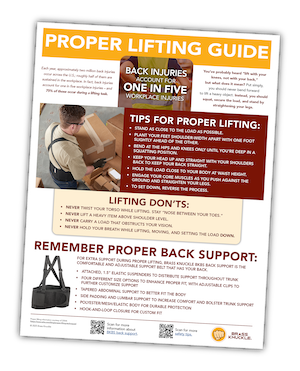
Credit: industrialsupplymagazine.com
Creating A Safe Environment
Creating a safe lifting environment minimizes back injury risks. Use proper posture and avoid twisting your body. Always lift with your legs, not your back, to maintain spine alignment.
Creating a safe environment is crucial to prevent back injuries when lifting. Your surroundings can either support your lifting efforts or hinder them, increasing the risk of injury. By ensuring your environment is conducive to safe lifting practices, you can significantly reduce the chances of straining your back.Clear Pathways
Before you lift anything, ensure the path is clear. Obstacles can disrupt your focus and balance, leading to accidents. Imagine trying to lift a heavy box only to trip over a stray toy or cord. It’s not only about the immediate lifting area but also the space you’ll move through. Keep walkways free from clutter and ensure there’s enough room to maneuver safely.Ergonomic Adjustments
Ergonomics isn’t just a buzzword; it’s a practical approach to preventing injuries. Adjust your environment to suit your lifting needs. Use adjustable shelves to keep frequently lifted items at waist height. This minimizes bending and reaching, which can strain your back. Consider the tools and equipment you use. Are they designed to reduce strain? For instance, using a dolly for heavy items can make a significant difference. Think about your workspace layout. Is it organized in a way that supports safe lifting techniques? Simple changes can have a profound impact.Using Assistive Devices
Preventing back injuries during lifting tasks is crucial, and assistive devices can be your best allies. They reduce strain on your body and make lifting safer and more efficient. How often do you think about using a dolly or cart instead of just relying on your back muscles? It’s time to explore these options to protect yourself and enhance your lifting technique.
Dollies And Carts
Dollies and carts can be lifesavers when moving heavy items. They take the weight off your back and distribute it evenly, allowing you to move objects without bending or lifting improperly. Imagine moving a stack of boxes across the room without straining a muscle. A dolly makes this a reality. Ensure you choose the right type based on the weight and size of the items.
Consider investing in a sturdy cart with wheels designed for different terrains. This can be a game-changer if you often move things over rough surfaces. Think about how much easier it is to push a loaded cart compared to carrying those same items by hand. What tasks could you streamline with a simple cart or dolly?
Lifting Straps
Lifting straps offer another layer of support when handling heavy or awkward items. They work by creating handles that make lifting easier and safer. These straps can help you lift with your legs rather than your back, reducing the risk of injury significantly. Picture yourself lifting a cumbersome piece of furniture with a friend using straps—it’s not only easier but also much safer.
Choose straps with adjustable lengths to suit different objects and lifting scenarios. This flexibility ensures that you can handle various items without compromising your safety. How much more efficient could your lifting tasks become with the right pair of straps?
Incorporating these assistive devices into your routine can drastically improve your lifting technique and safeguard your health. Next time you’re faced with a lifting task, consider these options to protect your back. What difference will these tools make in your daily activities?
Recognizing Personal Limits
Understanding personal limits is key to avoiding back injuries while lifting. Focus on technique and listen to your body. Use your legs to lift, not your back, and avoid twisting.
Recognizing personal limits is crucial to preventing back injuries during lifting. Many people push beyond their capabilities, risking harm. It’s important to know your strengths and weaknesses. Understanding your limits can keep you safe.Knowing When To Ask For Help
Many tasks require more than one person. Recognizing this can prevent injuries. If a load seems too heavy, seek assistance. Asking for help is smart, not a sign of weakness. Safety should always come first.Understanding Fatigue Signs
Fatigue can lead to poor lifting form. This increases injury risk. Learn to recognize signs of tiredness. Listen to your body. Take breaks when needed. Resting is vital for maintaining strength and focus.Educating And Training
Proper lifting techniques are crucial to prevent back injuries. Keep your back straight and bend at the knees. Hold the object close to your body to reduce strain on your spine.
Educating and Training Preventing back injuries while lifting isn’t just about knowing the right techniques—it’s also crucial to educate and train effectively. Providing the right knowledge and skills ensures that everyone in the workplace is equipped to handle lifting tasks safely. Let’s explore some actionable strategies to foster a culture of safety and awareness.Workplace Training Programs
Effective workplace training programs are essential in reducing back injuries. These programs should be comprehensive, covering everything from basic lifting techniques to advanced ergonomic practices. Incorporating hands-on sessions can enhance understanding, allowing employees to practice safe lifting in a controlled environment. A personal experience taught me the value of such training. I once attended a session where we used real-life scenarios to learn proper lifting techniques. It was eye-opening to see how small adjustments could make a big difference in safety. Are your training programs engaging and interactive? Consider using multimedia tools like videos and animations to demonstrate lifting methods. This can cater to different learning styles and increase retention.Regular Safety Drills
Regular safety drills are a practical way to reinforce lifting techniques. By practicing regularly, employees can develop muscle memory for safe practices. This proactive approach keeps safety at the forefront of everyone’s mind. Imagine a workplace where safety drills are as common as fire drills. Such consistency not only prevents injuries but also builds a culture of safety. Are your drills frequent enough to make a real impact? Encourage feedback during these drills. Ask employees what challenges they face and adjust training accordingly. This two-way communication ensures that the training remains relevant and effective.Frequently Asked Questions
What Are Safe Lifting Techniques?
Safe lifting techniques involve bending your knees and keeping your back straight. Hold the object close to your body and avoid twisting while lifting. Use your legs to lift, not your back, to prevent injury. Always assess the weight before lifting to ensure it’s manageable.
Why Is Back Injury Common When Lifting?
Back injury is common when lifting due to improper techniques. Lifting with your back instead of your legs can strain muscles. Heavy or awkward objects can exacerbate the risk. Always use correct methods and consider using assistance for heavy items to prevent injuries.
How Can I Strengthen My Back?
Strengthening your back involves regular exercise targeting core and back muscles. Incorporate activities like yoga, Pilates, and strength training into your routine. These exercises help improve flexibility and endurance, reducing the risk of injury during lifting.
What Should I Do If I Injure My Back?
If you injure your back, rest and apply ice to reduce swelling. Consult a healthcare professional for advice and avoid lifting heavy objects. Gentle stretching and physical therapy can aid recovery. Follow medical guidance to prevent further injury and ensure proper healing.
Conclusion
Protecting your back during lifting is vital for long-term health. Always use proper techniques. Bend your knees, not your waist. Keep the object close to your body. Engage your core muscles for support. Avoid twisting your spine while lifting. Use tools or seek help for heavy items.
Regular exercise strengthens your back and core. Stretching improves flexibility and reduces injury risk. Stay aware of your limits to prevent strain. Practicing these habits daily ensures your back remains strong and healthy. Stay safe, lift smart, and keep your back injury-free.