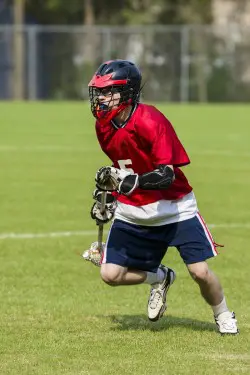
Imagine walking confidently down the street, participating in your favorite sport, or simply enjoying a day out, without the looming worry of facial injuries. How often do you consider the steps you can take to protect your face from unexpected harm?
Whether you’re an athlete, a parent, or just someone who values their well-being, understanding how to prevent facial injuries is crucial. You’ll discover simple yet effective strategies to safeguard your face, ensuring peace of mind in your daily activities. Ready to learn how you can protect yourself and maintain your confidence?
Dive in and empower yourself with the knowledge to prevent facial injuries before they happen.
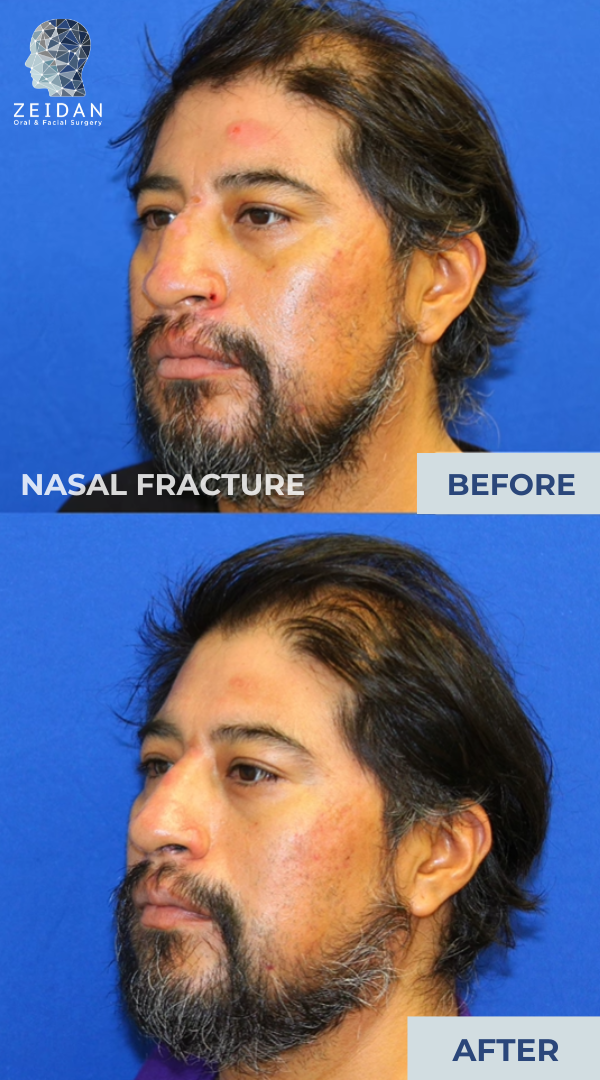
Credit: www.zeidanofs.com
Common Causes Of Facial Injuries
Sports accidents, falls, and vehicle collisions often lead to facial injuries. Wearing helmets and seat belts can reduce risks.
Facial injuries can be both painful and distressing, often leaving behind physical and emotional scars. Understanding the common causes of facial injuries is crucial for prevention. By being aware of these everyday hazards, you can take proactive steps to protect yourself and maintain your well-being.Sports And Recreational Activities
Engaging in sports can be exhilarating, but it often comes with risks. Contact sports like football, boxing, or even basketball can result in accidental blows to the face. Consider wearing protective gear such as helmets and mouthguards. They might seem cumbersome, but they are vital in shielding your face from unexpected impacts.Workplace Hazards
Your workplace might harbor hidden dangers. Construction sites and factories are particularly prone to accidents involving heavy machinery or falling objects. Do you wear safety goggles or face shields? These protective measures can significantly reduce the risk of facial injuries. Prioritize safety protocols and be aware of your surroundings to avoid preventable mishaps.Road Accidents
Vehicles can be unpredictable, and road accidents are a leading cause of facial injuries. Wearing your seatbelt is a simple yet effective way to minimize damage during collisions. Think about how a moment’s distraction can lead to lifelong consequences. Stay attentive and drive defensively to protect not only your face but your entire well-being.Home Accidents
Home might seem safe, but it’s where many facial injuries occur. Slips, trips, and falls can happen when you least expect them. Is your floor clutter-free? Ensure proper lighting and remove hazards like loose rugs or wet surfaces. These small adjustments can prevent accidents and keep your home a safe haven. Taking a few moments to assess these common causes can make a world of difference. Which preventive steps will you adopt today to safeguard your face? The choice is yours, and it’s a crucial one for your health.Protective Gear And Equipment
Wearing protective gear like helmets and face shields can greatly reduce facial injuries. Properly fitting equipment provides crucial safety in risky environments.
Facial injuries can lead to serious consequences. Protecting your face is crucial in many activities. Using the right gear reduces the risk of injury.Helmets And Face Shields
Helmets protect the head and face. They absorb impact during falls or collisions. Face shields offer extra protection. They guard against debris and flying objects. Sports and construction sites often require helmets. Choose helmets with proper fit and certification.Mouthguards
Mouthguards prevent dental injuries. They cushion blows to the mouth. Sports like boxing and hockey often use them. Custom-fit mouthguards provide the best protection. They are comfortable and stay in place during activity.Safety Goggles
Safety goggles shield the eyes. They prevent injuries from chemicals, dust, and sharp objects. Laboratories and workshops mandate goggles. Ensure goggles fit well and offer clear vision. Anti-fog and scratch-resistant features enhance usability.Safe Practices In Sports
Wearing protective gear like face guards and helmets can prevent facial injuries in sports. Educating athletes about safe play techniques helps reduce risks. Regular inspections of equipment ensure reliability and safety during games.
Participating in sports is a fantastic way to stay fit and have fun. However, it’s essential to practice safe methods to prevent facial injuries. From professional athletes to weekend warriors, everyone can benefit from taking precautions. Imagine avoiding a painful injury simply by being aware and prepared. Let’s explore how you can enjoy sports while keeping your face safe.Proper Training Techniques
Proper training is crucial to prevent injuries. Learning the correct techniques can help you perform better and stay safe. Coaches and trainers play a vital role in teaching these techniques. They ensure that athletes understand the importance of form and movement. Investing time in training can reduce the risk of accidents. Whether it’s learning how to tackle in football or perfecting your swing in baseball, mastering the basics is key. Have you ever seen an athlete practice tirelessly? That’s dedication to safety.Importance Of Supervision
Supervision is often underestimated in sports. Having a knowledgeable coach or mentor nearby can make a significant difference. They can spot errors and correct them before they lead to injuries. Supervision also provides an added layer of security and confidence. Knowing someone is watching over you allows you to focus on your game. Consider how much safer you feel when someone has your back.Choosing The Right Sport For Age And Skill Level
Selecting the right sport is crucial for safety. Younger athletes should engage in sports appropriate for their age and skill level. This reduces the risk of injuries and ensures they enjoy the activity. Parents and guardians should carefully evaluate sports options. For instance, non-contact sports might be better for younger children. Matching skill level and sport can prevent unnecessary harm and enhance enjoyment. Taking these steps can not only enhance your performance but also keep you injury-free. Embrace these practices to enjoy sports safely and confidently. Are you ready to take your game to the next level while protecting yourself?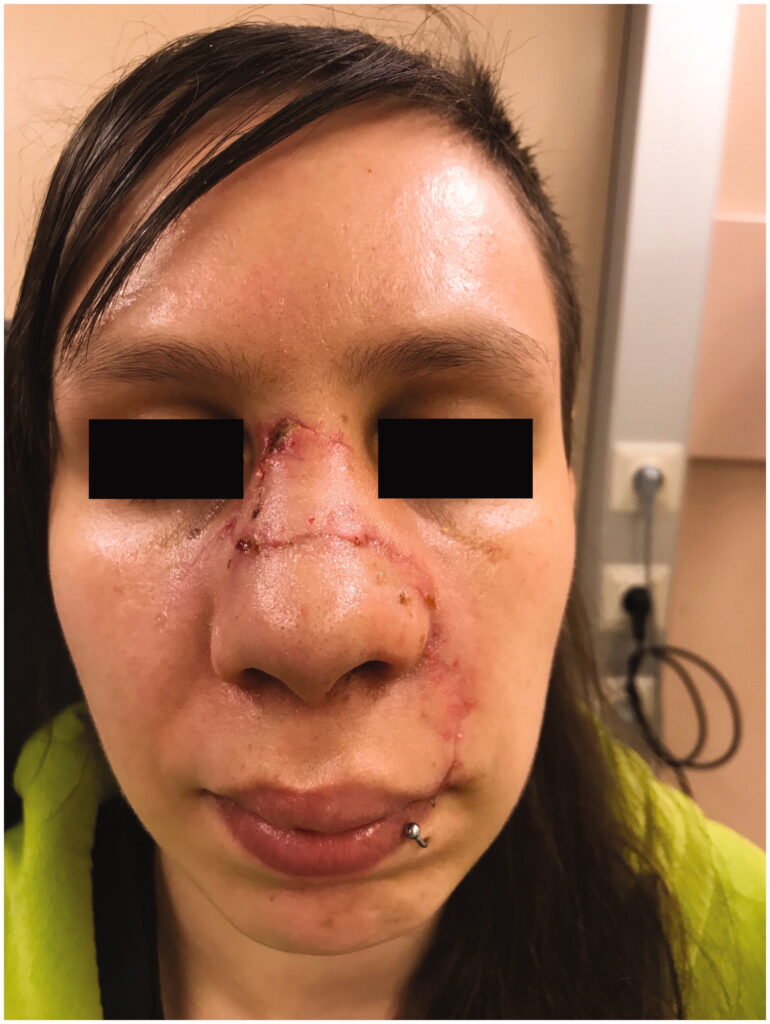
Credit: pigeon605.com
Workplace Safety Measures
Proper protective gear, such as face shields and goggles, can prevent facial injuries at work. Regular safety training and awareness help in identifying hazards and reducing risks. Implementing strict adherence to safety protocols ensures a safer working environment for everyone.
Workplace safety measures play a crucial role in preventing facial injuries. They ensure that employees remain protected and can work in a secure environment. Implementing these measures not only safeguards health but also boosts productivity. Here are some effective workplace safety measures to prevent facial injuries.Implementing Safety Protocols
Safety protocols are essential in any workplace. They provide guidelines for safe working practices. Clear instructions help reduce the risk of accidents. All employees should know these protocols well. Regular updates keep the protocols effective.Regular Safety Drills
Safety drills prepare employees for unexpected situations. These drills simulate real emergency scenarios. They help employees react quickly and safely. Conduct drills at least once every quarter. Make participation mandatory for all staff.Use Of Protective Equipment
Protective equipment is crucial for facial safety. Helmets, face shields, and goggles protect against hazards. Ensure all workers have access to these. Regularly check equipment for any damage. Replace faulty gear immediately to ensure maximum safety. Implementing these measures can significantly reduce workplace injuries. A safe workplace is a productive workplace.Road Safety Precautions
Facial injuries from road accidents can be severe and life-changing. Taking road safety precautions is essential to protect yourself and others. Let’s explore some key measures that can help prevent these injuries.
Wearing Seatbelts
Wearing seatbelts is crucial for all vehicle occupants. Seatbelts hold you in place during sudden stops or crashes. This reduces the risk of hitting the dashboard or windshield. Always ensure everyone in the vehicle is buckled up. It’s a simple step that saves lives.
Avoiding Distracted Driving
Distracted driving is a major cause of accidents. Keep your focus on the road. Avoid using phones or adjusting the radio while driving. Distractions reduce reaction time and increase crash risk. Keep your hands on the wheel and eyes on the road.
Cyclist And Pedestrian Safety
Drivers must stay alert for cyclists and pedestrians. They are more vulnerable in traffic. Always check mirrors and blind spots before turning. Use indicators to signal your intentions. Cyclists should wear helmets and bright clothing for visibility. Pedestrians should use crosswalks and stay alert. Safety is a shared responsibility.
Home Safety Tips
Creating a safe home environment is crucial in preventing facial injuries. Simple changes can significantly reduce risks, especially in homes with children and active families. From securing furniture to careful tool handling, these tips can help keep everyone safe.
Childproofing The Home
Children are naturally curious, making childproofing a necessity. Secure heavy furniture like bookshelves and TVs to the wall to prevent tipping. Install safety gates at staircases and cover sharp edges on tables with protective pads.
Use cabinet locks to keep hazardous items out of reach. Store small objects that pose choking hazards in high places. Consider placing decals on large glass doors to prevent accidental collisions.
Safe Handling Of Tools And Appliances
Using tools and appliances safely can prevent facial injuries. Always read and follow the manufacturer’s instructions. Wear protective gear, such as safety goggles, when using power tools.
Keep tools and appliances well-maintained to avoid malfunctions. Unplug appliances like blenders and toasters when not in use. Store sharp objects, such as knives and scissors, in secure places away from children.
Preventing Slips And Falls
Slips and falls are common causes of facial injuries at home. Use non-slip mats in the bathroom and kitchen. Ensure that all rugs have non-skid backings or are secured to the floor.
Keep walkways clear of clutter and promptly clean up any spills. Install handrails on staircases and adequate lighting in hallways. Regularly check for and repair loose tiles or floorboards.
Have you checked your home for these safety measures recently? Simple actions today can prevent serious injuries tomorrow. Stay proactive and keep your loved ones safe.
Emergency Response And First Aid
Facial injuries can happen in the blink of an eye, leaving us startled and unsure of what to do next. Knowing how to respond effectively in emergencies can make a world of difference in recovery and reduce the risk of complications. Immediate response and first aid are crucial, offering not just relief but also a bridge to professional medical care when needed. Let’s explore the essential steps you can take to handle facial injuries with confidence.
Immediate Steps After An Injury
Your first reaction might be panic, but staying calm is your best friend in an emergency. Begin by assessing the injury for bleeding, swelling, or signs of trauma.
Applying gentle pressure with a clean cloth can help control bleeding. If the injured person is conscious, reassure them and ask them to sit or lie down comfortably.
Removing any jewelry or tight clothing around the neck can prevent further discomfort or complications. Remember, your calm presence is as crucial as your actions.
When To Seek Medical Attention
Not all injuries require a hospital visit, but knowing when to seek help is vital. If you notice severe bleeding that doesn’t stop, it’s time to call for professional assistance.
Look out for symptoms like dizziness, confusion, or difficulty breathing. These could indicate a more serious condition requiring immediate medical attention.
If in doubt, it’s always safer to consult a healthcare professional. Your intuition often knows when something feels off—trust it.
Basic First Aid Techniques
Having a few first aid tricks up your sleeve can be incredibly empowering. Start by cleaning the wound gently with water, avoiding harsh chemicals that might irritate.
Apply an antibiotic ointment to prevent infection and cover the wound with a sterile bandage. Keeping the area clean and protected is key.
- Ice packs can reduce swelling and provide pain relief. Wrap them in a cloth to avoid direct contact with the skin.
- Stay attentive to changes. If redness or swelling increases, it could be a sign of infection.
Ask yourself: Are you prepared for an unexpected injury? Having a well-stocked first aid kit can be a lifesaver. Equip yourself with the basics, and you’ll be ready to handle emergencies with grace.
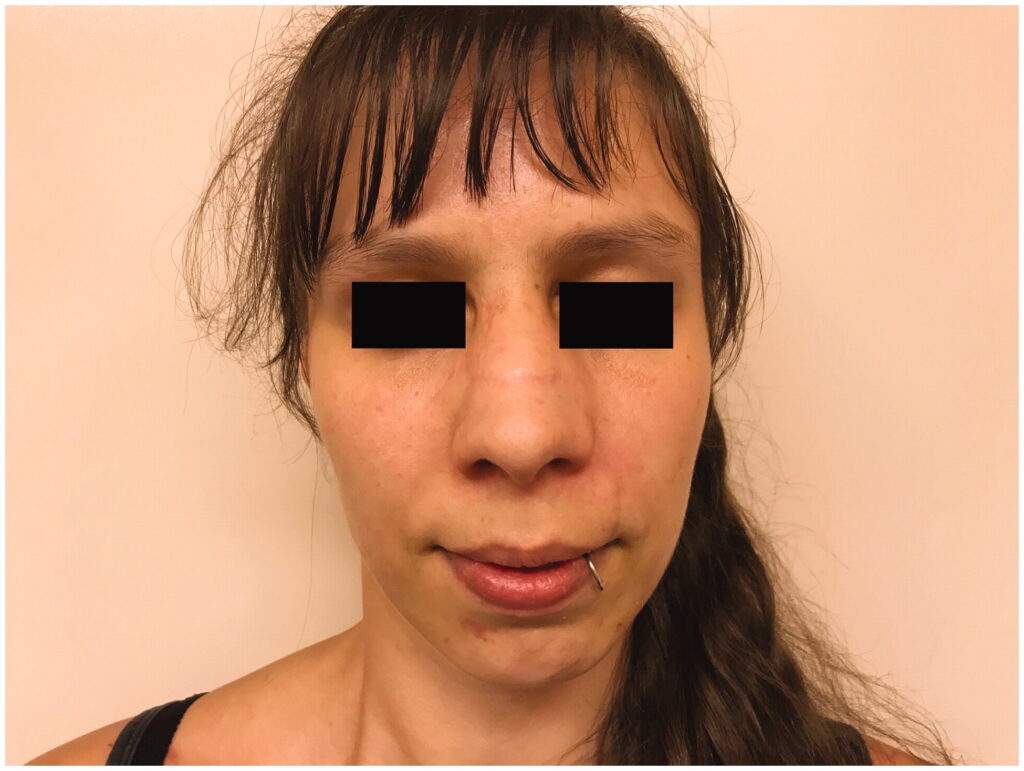
Credit: pigeon605.com
Frequently Asked Questions
How To Prevent Facial Injuries In Sports?
Wearing proper protective gear like helmets and face guards can minimize risks. Ensure equipment fits well and is in good condition. Training in proper techniques and maintaining awareness during play also help in preventing injuries.
Are Mouthguards Effective For Preventing Facial Injuries?
Yes, mouthguards are highly effective in protecting teeth and preventing oral injuries. They cushion impacts to the face, reducing the risk of fractures. Custom-fitted mouthguards offer the best protection during sports and physical activities.
Can Facial Exercises Prevent Injuries?
Facial exercises strengthen muscles and improve flexibility, potentially reducing injury risk. They enhance blood circulation, aiding in quicker recovery from strains. Regular practice helps maintain muscle tone and resilience against impacts.
Is Proper Technique Crucial In Preventing Facial Injuries?
Absolutely, proper technique is essential to avoid facial injuries. Understanding correct form minimizes the risk of accidents. Coaches and trainers should emphasize technique training to ensure safety during activities.
Conclusion
Preventing facial injuries is crucial for maintaining good health. Use helmets and protective gear during sports. Be cautious in risky environments. Ensure children play safely. Teach them about potential dangers. Regular dental check-ups help prevent oral injuries. Stay alert while walking or driving.
Proper lighting at home reduces fall risks. Awareness and simple precautions go a long way. Protecting your face is essential. It keeps you looking and feeling your best. Make safety a priority every day. Small efforts lead to big benefits.
Stay safe, stay healthy.