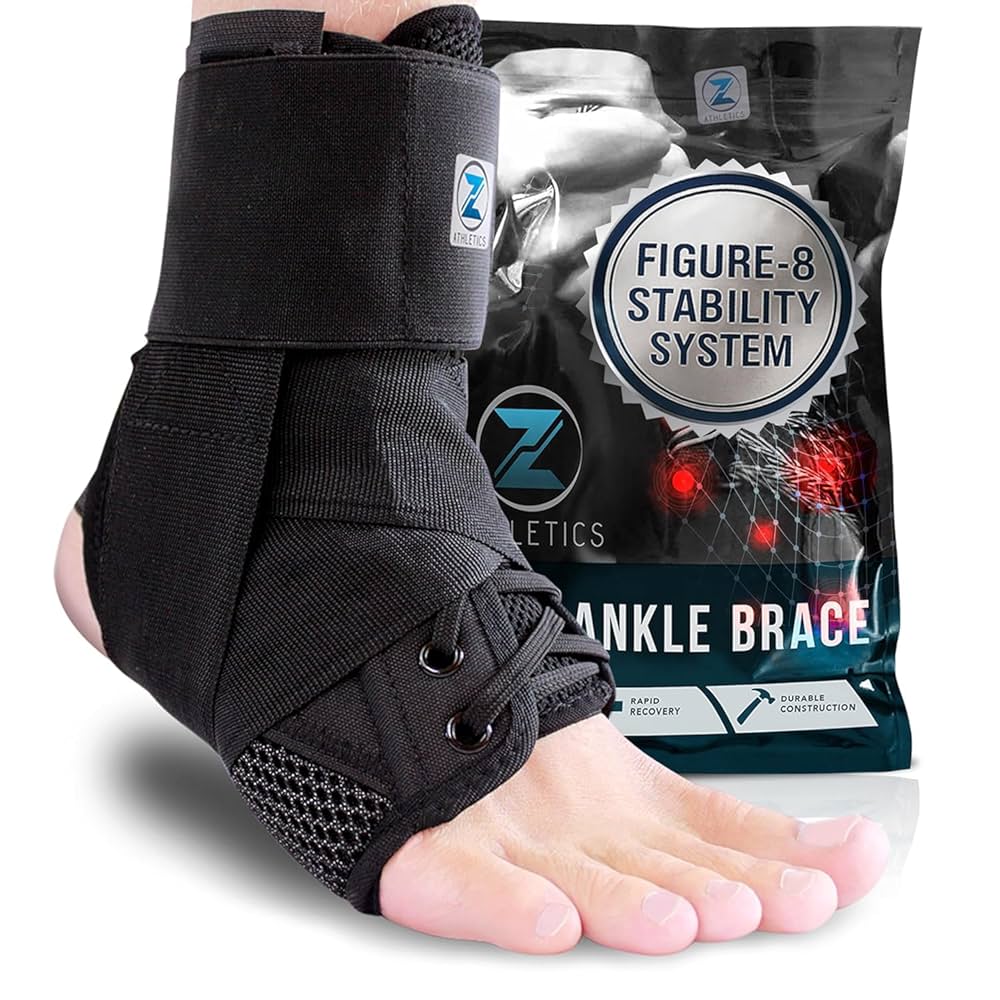
Do you ever pause to think about how much you rely on your feet and ankles every day? From the moment you step out of bed until you return at night, these unsung heroes bear your weight, support your movements, and keep you grounded.
Yet, it’s easy to overlook them until something goes wrong. Imagine how limiting and frustrating it would be to suddenly face a foot or ankle injury. The good news? You have the power to prevent these common injuries and maintain your mobility without interruption.
In this guide, you’ll discover simple, effective strategies to keep your feet and ankles strong and injury-free. These tips are not just for athletes or fitness enthusiasts; they’re for anyone who values their active lifestyle and wants to stay on their feet without pain. Are you ready to take steps toward a healthier, more secure foundation? Let’s dive in and ensure your feet and ankles get the care they deserve.
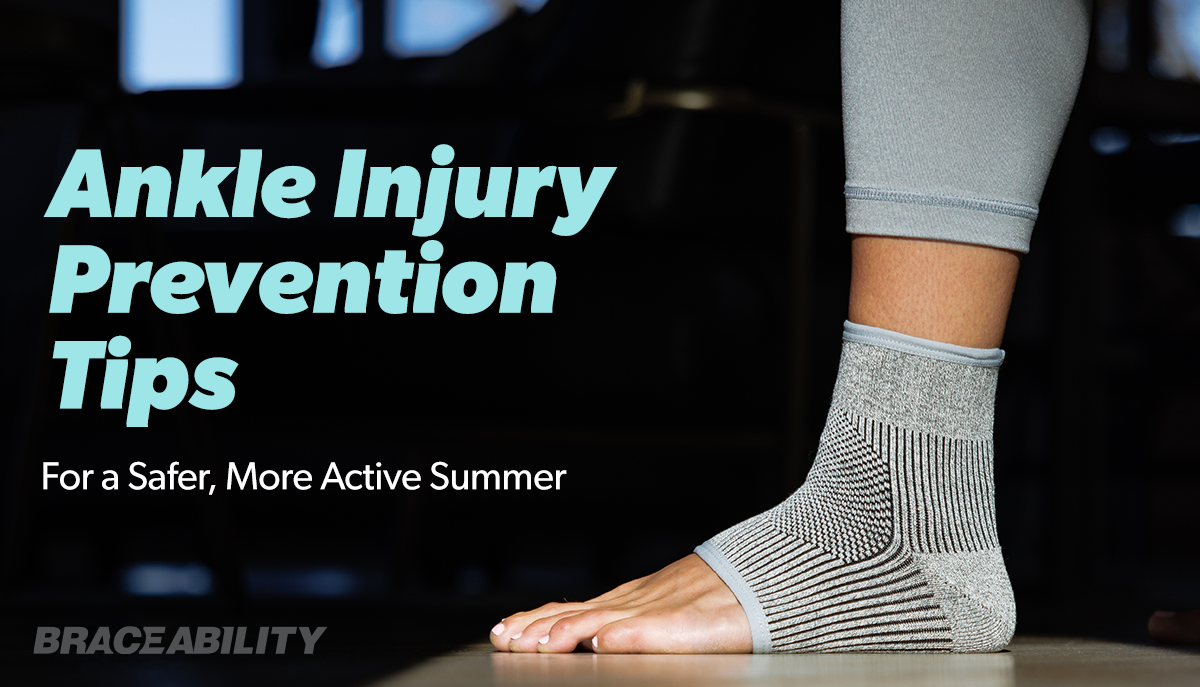
Credit: www.braceability.com
Common Causes Of Foot And Ankle Injuries
Wearing improper footwear and overuse during physical activities often lead to foot and ankle injuries. Strengthening exercises and proper stretching can help prevent these common issues.
Common Causes of Foot and Ankle Injuries Foot and ankle injuries are common. They happen to athletes and everyday people alike. Understanding the causes helps in prevention. Poor footwear, uneven surfaces, and overuse are frequent culprits. Knowing these can help you take steps to protect your feet. Let’s explore some common causes.Improper Footwear
Wearing the wrong shoes often leads to injuries. High heels and flat shoes lack support. They can strain your feet and ankles. Shoes should be comfortable and supportive. Choose footwear that fits well and suits your activity.Overuse
Using your feet too much causes stress. Running or walking long distances without breaks can hurt. Muscles and tendons get tired and may tear. Rest is vital to prevent overuse injuries. Balance activity with recovery time.Uneven Surfaces
Walking on uneven ground can be risky. Uneven surfaces make you lose balance easily. This can twist or sprain your ankle. Be cautious on rough terrains. Look where you step to avoid unexpected falls.Poor Flexibility
Lack of flexibility can cause injuries. Stiff muscles and tendons are more prone to damage. Stretching regularly can improve flexibility. It helps prepare your feet for movement. Flexible feet are less likely to get hurt.Weak Muscles
Weak muscles can’t support your feet well. They lead to instability and falls. Strengthening exercises can help. Focus on building muscle strength in your legs. Strong muscles protect your feet from injuries. Understanding these causes can guide you in preventing injuries. Taking preventive measures is crucial. It ensures your feet and ankles stay healthy and strong.Importance Of Proper Footwear
Foot and ankle injuries can be a real setback, affecting your mobility and daily activities. One simple yet effective way to prevent these injuries is by wearing proper footwear. Shoes are more than just a fashion statement; they are essential for maintaining the health of your feet and ankles. Imagine the discomfort of a twisted ankle simply because your shoes didn’t provide the right support. You wouldn’t want that, right?
Choosing The Right Shoes
Picking the perfect pair of shoes starts with understanding your foot type. Are you flat-footed or do you have a high arch? Each requires different support. Consider shoes with adequate cushioning and arch support. Don’t just follow trends; opt for functionality. Try walking or jogging in them before making a purchase. This ensures they are comfortable and fit well. Your feet should feel snug, not tight.
Replacing Worn Out Footwear
Worn-out shoes can silently sabotage your foot health. Look out for signs of wear such as thinning soles or frayed edges. How often do you check your shoes for wear and tear? If you notice discomfort or reduced grip, it might be time for an upgrade. Replace your shoes regularly, especially if you use them for sports or heavy walking. Keeping track of shoe mileage can help you decide when it’s time to say goodbye to old pairs.
Strengthening Exercises
Strengthening exercises build resilience in foot and ankle muscles, reducing injury risks. Focus on balancing, stretching, and stability workouts for optimal foot health. Regular practice ensures stronger support and flexibility, promoting safety during physical activities.
To maintain your mobility and avoid foot and ankle injuries, strengthening exercises are essential. These exercises not only enhance your balance and stability but also prepare your body to handle daily activities with ease. You might find that dedicating a little time each day to these exercises could save you a lot of pain and inconvenience down the road. Have you ever considered how strong your ankles or feet really are? Let’s dive into some techniques that can make a significant difference.Ankle Strengthening Techniques
Strong ankles can prevent twists and sprains. A simple yet effective exercise is the ankle alphabet. Sit comfortably and extend one leg. Use your foot to draw letters in the air. It’s fun, almost like a game, and works your muscles thoroughly. Another technique is calf raises. Stand on the edge of a step with your heels hanging off. Slowly rise on your toes and lower back down. This exercise targets the muscles around your ankles, improving both strength and flexibility. Balance exercises using a wobble board can also be beneficial. They mimic uneven surfaces and help train your ankles to stabilize better. It’s like preparing your body for unexpected terrain, ensuring you’re always one step ahead.Foot Muscle Conditioning
Your feet are the foundation of your movement. Strengthening them can prevent common injuries. Toe curls are a simple exercise that can be done while watching TV. Place a towel on the floor and use your toes to scrunch it up. This action strengthens the small muscles in your feet. Marble pickups are another engaging exercise. Scatter a few marbles on the floor and try to pick them up using only your toes. It might feel strange at first, but it’s a great workout for your foot muscles. Incorporating these exercises into your routine can transform your foot health. You might be surprised by the newfound agility and strength. Are your feet ready for the challenge?
Credit: www.smjrscorp.com
Flexibility And Stretching
Flexibility and stretching play a vital role in preventing foot and ankle injuries. These practices enhance your muscle elasticity and prepare your joints for various activities. Regular stretching keeps your body limber and reduces the risk of strains and sprains. Incorporating flexibility exercises into your routine is essential for maintaining healthy feet and ankles.
Effective Stretching Routines
Start with gentle stretches targeting your calves and ankles. Use a towel or band to assist in stretching your Achilles tendon. Perform calf raises to strengthen and stretch your lower leg muscles. Incorporate toe touches to engage the entire foot.
Hold each stretch for 15-30 seconds. Repeat them two to three times daily. Consistency is key to enhancing flexibility and reducing injury risks.
Improving Range Of Motion
Improving range of motion involves exercises that promote joint mobility. Rotate your ankles in circular motions. Point and flex your toes to activate the muscles. Balance exercises enhance stability and coordination.
Use a balance board or stand on one foot. This improves proprioception and strengthens your ankles. Regular practice boosts overall foot health and mobility.
Balancing And Stability
Strengthening exercises enhance foot and ankle stability. Stretching prevents muscle tightness, reducing injury risk. Wearing supportive footwear boosts balance during activities.
Balancing and stability are crucial for preventing foot and ankle injuries. Whether you’re an athlete or someone who enjoys casual walks, maintaining good balance can significantly reduce your risk of injury. It’s not just about standing on one leg; it’s about engaging your whole body to support and stabilize each movement.Balance Training Exercises
Improving balance starts with exercises that challenge your body’s stability.- Single-Leg Stands:Stand on one leg for 30 seconds, then switch. Try closing your eyes to increase difficulty.
- Bosu Ball Squats:Use a Bosu ball to perform squats. This introduces instability, forcing your muscles to work harder.
- Tightrope Walk:Imagine walking on a tightrope, placing one foot directly in front of the other. This helps refine your balance and coordination.
Stability Enhancement Practices
Stability goes hand in hand with balance, and enhancing it involves strengthening the muscles around your ankles and feet.- Calf Raises:Stand with your feet hip-width apart and slowly rise onto your toes. This strengthens your calves and improves ankle stability.
- Toe Curls:Place a towel on the floor and use your toes to scrunch it up. This exercise targets the small muscles in your feet.
- Ankle Circles:While seated, lift one foot off the ground and draw circles with your toes. This increases flexibility and strengthens your ankle joints.
Safe Sports Practices
Wear well-fitting shoes with good support to minimize injury risks. Strengthen foot and ankle muscles through regular exercises. Use proper techniques and warm-up before sports activities for safety.
Safe Sports Practices Engaging in sports is a fantastic way to stay fit and have fun, but it comes with the risk of foot and ankle injuries. With the right practices, you can minimize these risks and enjoy your favorite activities safely. Let’s explore some essential steps to keep your feet and ankles safe during sports.Warm-up And Cool-down Importance
Warming up is the first step to safeguard your feet and ankles. A good warm-up increases blood flow, preparing your muscles and joints for more intense activity. Think about starting with light jogging or dynamic stretches to get your body ready. After your workout, cool down with gentle stretching to help prevent stiffness and enhance recovery. Skipping these steps can lead to tight muscles and increased injury risk. Are you giving your body the preparation it truly needs?Injury Prevention Techniques
Preventing injuries requires attention to form and technique. Always focus on using proper footwear—shoes that provide adequate support and fit well are crucial. Consider exercises that strengthen your feet and ankles, like calf raises or balance drills. These exercises build resilience, helping your body cope with the demands of your sport. Moreover, stay aware of your limits; pushing beyond them can lead to overuse injuries. Are you balancing ambition with safety in your sports routine? Embracing these practices can keep your feet and ankles injury-free, allowing you to enjoy sports to the fullest.Listening To Your Body
Listening to your body helps prevent foot and ankle injuries. Notice any discomfort or strain during activities. Rest and adjust as needed to keep your feet healthy.
Listening to your body is essential for preventing foot and ankle injuries. Our bodies send signals when something is wrong. Ignoring these signals can lead to further damage. Paying attention to discomfort or pain helps catch issues early. This proactive approach keeps your feet and ankles healthy.Recognizing Early Signs Of Injury
Early signs of injury include swelling, redness, or persistent pain. You might feel a dull ache or sharp pain during activities. Reduced range of motion is another warning sign. If any of these occur, take a break. Resting can prevent minor issues from becoming serious.When To Seek Professional Help
Some symptoms require professional help. Severe pain or swelling that doesn’t improve is concerning. Inability to bear weight on the foot is a red flag. Seek medical advice if symptoms persist for more than a few days. A healthcare provider can diagnose and treat potential injuries.Role Of Nutrition And Hydration
The health of your feet and ankles relies on various factors. Nutrition and hydration play a significant role in preventing injuries. Proper nutrients strengthen joints, while hydration ensures flexibility. This combination supports active lifestyles and reduces the risk of strains or sprains. Let’s explore how these elements contribute to joint health.
Essential Nutrients For Joint Health
Certain nutrients are crucial for maintaining healthy joints. Omega-3 fatty acids reduce inflammation and promote joint flexibility. They are found in fish like salmon and mackerel. Vitamin D enhances calcium absorption, strengthening bones. You can get Vitamin D from sunlight and fortified foods.
Collagen is a protein that supports joint structure. Foods rich in collagen include bone broth and citrus fruits. Antioxidants like Vitamin C and E protect joints from damage. They are abundant in fruits and vegetables like oranges and spinach. Incorporating these nutrients into your diet can make a big difference.
Importance Of Staying Hydrated
Hydration is key to joint health. Water lubricates joints, making movement smoother and reducing injury risk. Dehydration can lead to stiffness and pain. It is important to drink water throughout the day.
Hydration also helps in nutrient transport. It ensures that vitamins and minerals reach your joints effectively. This supports joint repair and growth. Aim for eight glasses of water daily for optimal health.
Incorporate hydrating foods like cucumbers and watermelons. They provide water and essential nutrients. Staying hydrated keeps your joints flexible and reduces injury risks.
Use Of Supportive Gear
Using supportive gear can significantly reduce foot and ankle injuries. Proper equipment provides stability and comfort during activities. It helps distribute pressure evenly, minimizing strain on your feet and ankles.
Orthotics And Inserts
Orthotics are custom-made shoe inserts. They offer additional support and cushioning. These inserts can correct foot alignment, reducing stress on the ankle. Many people find relief from pain using orthotics. It’s vital to choose inserts that fit well in your shoes.
Inserts can be purchased over the counter. They are less expensive but still effective. Ensure they match your foot type and activity level. Proper fit is key to preventing injuries. Consult a specialist for advice on the best options.
Braces And Supports
Braces provide extra support to weak or injured ankles. They stabilize the joint and prevent excessive movement. This reduces the risk of sprains and other injuries. Different types of braces offer varying levels of support.
Elastic ankle supports are ideal for mild support. They are comfortable and allow some movement. For more serious conditions, rigid braces offer greater stability. They limit movement and protect the ankle from further injury.
Always choose the right brace for your activity. Comfort and fit are crucial. Ensure it does not restrict blood flow or cause discomfort. A well-chosen brace can be an effective tool in injury prevention.
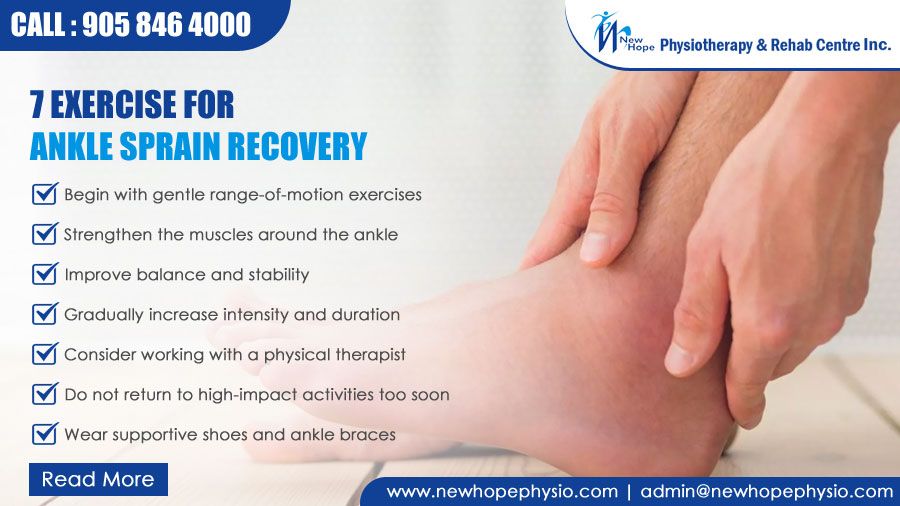
Credit: www.newhopephysio.com
Frequently Asked Questions
How Can Footwear Prevent Ankle Injuries?
Choosing the right footwear is crucial. Supportive shoes with good cushioning and ankle support can reduce injury risk. Avoid heels and overly worn-out shoes. Proper fit and stability are essential for maintaining balance and preventing twists or sprains during physical activities.
What Exercises Strengthen Foot And Ankle Muscles?
Regular exercises like toe raises and ankle circles strengthen these muscles. Stretching and resistance exercises improve flexibility and stability. Balance exercises, such as standing on one foot, enhance coordination. These activities help in reducing injury risk by preparing muscles for various movements.
Are Warm-ups Necessary Before Physical Activities?
Yes, warm-ups are vital before any physical activity. They increase blood flow to muscles and enhance flexibility. Dynamic stretches and light aerobic exercises prepare your body for movement. Warm-ups reduce the risk of strains and sprains by loosening muscles and joints.
How Can I Treat A Minor Ankle Sprain?
Rest and elevate the injured ankle. Apply ice to reduce swelling and pain. Use compression bandages to support the ankle. Avoid putting weight on it until healing progresses. If pain persists, consult a healthcare professional for proper evaluation and treatment.
Conclusion
Taking care of your feet and ankles is essential. Simple exercises can help. Wearing proper shoes adds protection. Listen to your body and rest when needed. Stay active but avoid overdoing it. Stretch before and after activities to keep muscles flexible.
Seek professional advice if pain persists. These steps reduce injury risk. Healthy feet and ankles support your daily life. Keep them strong and pain-free. Your body will thank you for it. So, start today. Make foot care a priority. Enjoy a more active lifestyle with confidence.