Imagine waking up one morning and not being able to move your arm properly. It’s a scary thought, isn’t it?
A brachial plexus injury can make that a reality, affecting your ability to perform even the simplest daily tasks. But what if you could prevent this from happening to you or your loved ones? In this guide, you’ll discover practical and effective strategies to protect yourself from a brachial plexus injury.
These injuries can occur suddenly, often without warning, and can lead to discomfort and long-lasting complications. By understanding how to avoid them, you can maintain your mobility and enjoy life without the fear of unexpected setbacks. Dive into the following tips and insights, designed to empower you with the knowledge you need to stay safe and healthy. Let’s take control of your well-being together.
Understanding Brachial Plexus Injury
Understanding brachial plexus injury is crucial for preventing it effectively. The brachial plexus is a network of nerves that sends signals from your spine to your shoulder, arm, and hand. An injury here can lead to debilitating pain and loss of function in these areas.
What Causes Brachial Plexus Injury?
Brachial plexus injuries often occur due to trauma. Car accidents, falls, and sports injuries are common causes. But did you know that even sleeping in an awkward position can lead to nerve compression?
Symptoms To Watch Out For
How do you know if you have a brachial plexus injury? Look for symptoms like weakness in your arm, numbness, or a burning sensation. Sometimes, you may experience difficulty in controlling your hand movements.
Importance Of Early Detection
Detecting an injury early can prevent long-term damage. If you notice persistent symptoms, consulting a healthcare professional can be a game-changer. Don’t wait for the pain to worsen before seeking help.
Personal Experience: A Wake-up Call
I once ignored a persistent tingling in my arm, dismissing it as a minor issue. It took a severe pain episode for me to realize it was a brachial plexus injury. Early intervention saved me from permanent damage.
Can Lifestyle Changes Help?
Absolutely! Simple changes like maintaining good posture and avoiding repetitive strain on your shoulder can make a difference. Think about your daily activities—are there ways to reduce unnecessary stress on your arms?
Consulting A Specialist
If lifestyle adjustments don’t alleviate your symptoms, consulting a specialist can provide clarity. They can offer tailored advice and treatment plans that address your specific needs. Why gamble with your health?
Common Causes
Sports injuries, car accidents, and childbirth complications are common causes of brachial plexus injuries. Protect yourself by practicing safe techniques, wearing proper gear, and ensuring professional guidance during physical activities.
Understanding the common causes of brachial plexus injuries can help you take proactive measures to prevent them. Often, these injuries are associated with physical activities or accidents that put undue strain on the shoulder or arm. Recognizing these triggers is the first step towards safeguarding yourself or your loved ones from this painful condition.Sports And Physical Activities
Sports like football, wrestling, or gymnastics can increase the risk of brachial plexus injuries. These activities often involve sudden, forceful movements that can stretch or compress the nerves. Wearing proper protective gear and ensuring you use the correct technique can reduce the risk.Motor Vehicle Accidents
Car or motorcycle accidents are a leading cause of brachial plexus injuries. A sudden impact can jolt your shoulder, causing nerve damage. Always wear your seatbelt and consider defensive driving courses to enhance your safety.Falls
Slips or falls, especially from a height, can result in stretching or tearing of the brachial plexus nerves. Use handrails when available, and ensure your home is free of tripping hazards to minimize this risk.Birth Injuries
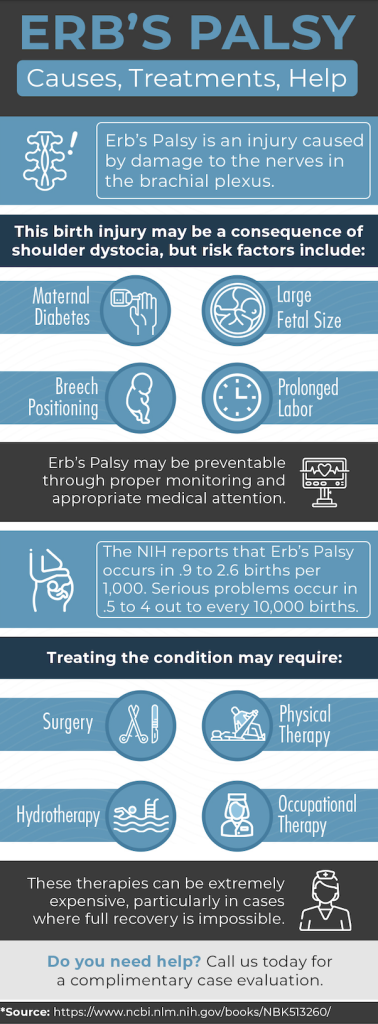
Sometimes, brachial plexus injuries occur during childbirth. This is more common in difficult deliveries or when using forceps. Discuss delivery options with your healthcare provider to understand how to minimize risks during childbirth.Repetitive Stress
Repeated overhead motions, common in jobs or activities like painting or swimming, can lead to nerve injuries over time. Take regular breaks and practice exercises that strengthen shoulder muscles to prevent strain. Preventing brachial plexus injuries requires awareness and action. Are there changes you can make in your daily routine to protect your shoulders and arms? By understanding these common causes, you’re better equipped to make informed decisions about your activities and lifestyle.Early Warning Signs
Brachial plexus injuries can affect the arm and hand. Identifying early warning signs is crucial. Early detection can prevent severe damage and aid recovery. Understanding these signs helps take quick action and seek medical advice.
Weakness In The Arm
Feeling weakness in the arm is a common sign. This might affect your ability to lift objects. It may feel like your arm is not strong enough. Pay attention if daily tasks become difficult.
Numbness Or Tingling
Numbness or tingling in the arm or hand is concerning. It can feel like pins and needles. This sensation may spread across the arm. It can be persistent or intermittent.
Pain In Shoulder Or Arm
Pain in the shoulder or arm often indicates issues. This pain might be sharp or dull. It can occur during movement or while resting. Monitoring pain levels is important.
Loss Of Motion
Difficulty moving the arm freely is a red flag. Limited motion can impact daily activities. You may struggle with tasks that require arm movement. This could be a sign of nerve damage.
Muscle Atrophy
Muscle atrophy means shrinking of muscles. It happens due to nerve injury. Notice if muscles in the arm appear smaller. This could signal ongoing issues.

Credit: www.slideteam.net
Risk Factors
Proper stretching before activities helps to prevent brachial plexus injuries. Wearing protective gear during sports reduces risk. Avoid heavy lifting to lessen strain on the shoulder.
Understanding the risk factors for brachial plexus injury is crucial. This knowledge helps in adopting preventive measures. Not everyone has the same level of risk. Certain conditions and actions increase the likelihood of injury. By identifying these risk factors, you can take proactive steps to protect yourself.Genetic Predisposition
Family history plays a role in risk levels. Some families have a higher occurrence of such injuries. If your family has a history, be extra cautious.Physical Activities
Engaging in contact sports increases risk. Sports like football or wrestling often involve physical collisions. These can lead to brachial plexus injuries. Always use protective gear when participating.Work Environment
Jobs involving heavy lifting pose risks. Repeatedly lifting heavy objects strains muscles and nerves. Ensure you follow safety protocols at work.Previous Injuries
A prior injury to the shoulder or neck increases vulnerability. The area may not have healed fully, making it prone to new injuries. Strengthening exercises can help reduce this risk.Age And Development
Infants and young children are at risk during childbirth. Difficult deliveries or large birth weights are contributing factors. Proper medical care and monitoring are essential to minimize risks.Lifestyle Choices
Maintaining a healthy lifestyle reduces risk. Smoking and poor diet weaken the body’s ability to recover. Exercise regularly and eat balanced meals to stay healthy.Preventive Exercises
Strengthening shoulder muscles can help prevent brachial plexus injuries. Regular stretching improves flexibility and reduces risk. Focused exercises enhance stability and support.
Preventive exercises can help reduce the risk of brachial plexus injuries. These exercises focus on stretching and strengthening the muscles around the shoulder and neck. Regular practice can improve flexibility and support the nerves. It’s important to perform these exercises with care to avoid strain. Let’s explore some effective techniques.Stretching Techniques
Stretching helps maintain flexibility and reduces tension. Here are some simple stretches:- Neck Tilt: Sit or stand straight. Slowly tilt your head to one side. Hold for 15 seconds. Switch sides.
- Shoulder Rolls: Roll your shoulders forward in a circular motion. Repeat 10 times. Then roll them backward.
- Arm Across Chest: Extend one arm across your chest. Use the other arm to gently pull it closer. Hold for 15 seconds. Switch arms.
Strengthening Workouts
Strengthening exercises build muscle support around the shoulder. Here are some easy workouts:- Shoulder Press: Use light weights or resistance bands. Press them overhead. Repeat 10 times.
- Wall Push-Ups: Stand facing a wall. Place your palms on the wall. Push against it. Repeat 10 times.
- Scapular Squeeze: Sit or stand with your arms at your sides. Squeeze your shoulder blades together. Hold for 5 seconds. Repeat 10 times.
Posture And Ergonomics
Maintaining good posture and ergonomics is crucial for preventing brachial plexus injuries. These injuries often result from strain or pressure on the nerves. Proper body alignment can help reduce this risk. Focusing on posture and ergonomic adjustments is essential in both work and daily activities.
Proper Sitting Posture
Sitting correctly supports your spine and shoulders. Keep your back straight and shoulders relaxed. Your feet should rest flat on the floor. Ensure your knees are level with your hips. This alignment reduces tension on your neck and shoulders.
Avoid slouching or leaning forward. Use a chair with good lumbar support. If needed, place a cushion behind your lower back. This helps maintain the natural curve of your spine.
Workstation Adjustments
Adjust your workstation to fit your body. Your computer screen should be at eye level. This prevents neck strain. Keep your keyboard and mouse close. Your elbows should be at a 90-degree angle.
Use a chair that supports your posture. An adjustable chair can help you find the right height. Ensure your feet are flat on the ground. Consider a footrest if needed.
Organize your workspace to minimize reaching. Place frequently used items within easy reach. This reduces unnecessary strain on your arm and shoulder muscles.
Safety Measures In Sports
Participating in sports is a fantastic way to stay fit and enjoy yourself, but it also carries the risk of injuries. Brachial plexus injuries, which affect the network of nerves that send signals from your spine to your shoulder, arm, and hand, are common in contact sports. By implementing certain safety measures, you can significantly reduce the risk of such injuries.
Protective Gear
Investing in the right protective gear is crucial. Helmets, shoulder pads, and specially designed braces can provide essential protection during high-impact activities. Make sure your gear fits well; loose equipment can do more harm than good.
Consider using custom-fitted gear if you’re serious about a particular sport. This can offer personalized protection that off-the-shelf options can’t match. Have you ever felt a helmet wobble during a game? That’s a sign it’s not doing its job.
Safe Training Practices
Proper training is just as important as wearing the right gear. Focus on exercises that strengthen your shoulders and neck, which can help protect the brachial plexus. Incorporate flexibility exercises to improve your range of motion and decrease the chance of injury.
Learn and practice the correct techniques for your sport. Incorrect form not only affects performance but also increases injury risk. Have you been skipping warm-ups? They are crucial for preparing your muscles and nerves for activity.
Regular breaks and hydration are also key components of safe training. Exhaustion and dehydration can lead to mistakes and injuries. Listen to your body; if you feel pain, it’s time to stop and assess the situation.

Credit: drchandrilchugh.com
Guidance For New Parents
Becoming a parent brings joy and new responsibilities. Ensuring your baby’s safety is crucial. Brachial plexus injury can occur during birth or mishandling. Preventing this injury requires awareness and careful techniques.
Safe Handling Techniques
Always support your baby’s head and neck. Use both hands when lifting. Hold your baby close to your body. Avoid pulling or jerking movements. Use gentle and smooth motions. Ensure your baby is well-positioned during sleep. Use firm mattresses for proper support.
Infant Physical Therapy
Consult a pediatric physical therapist. They can assess muscle strength and movement. Therapists provide exercises to improve mobility. Practice gentle range-of-motion exercises. Regular therapy sessions enhance recovery. Follow therapist guidance for home exercises. Monitor progress and adjust routines as needed.
Importance Of Professional Consultation
Consulting a professional helps identify risks and offers personalized strategies. This guidance significantly reduces the chance of brachial plexus injury.
The Importance of Professional Consultation in preventing brachial plexus injury cannot be overstated. Consulting with a healthcare professional provides you with personalized advice tailored to your specific needs. They can help identify risk factors, suggest preventive measures, and provide support throughout your journey.Understanding The Risk Factors
Knowing the risk factors is essential in preventing injuries. A professional can help assess your lifestyle and activities that might put you at risk. With this knowledge, you can make informed decisions to protect yourself.Personalized Exercise Plans
A healthcare provider can design a customized exercise plan to strengthen muscles and improve flexibility. This plan can help reduce the likelihood of injury. You’ll gain confidence knowing that every movement is tailored to your body’s unique requirements.Regular Check-ups And Monitoring
Frequent check-ups with a professional ensure that you are on the right track. They can monitor your progress and make necessary adjustments to your plan. Regular visits also provide the opportunity to address any concerns or new symptoms immediately.Learning Proper Techniques
Whether it’s lifting weights or engaging in sports, using the right techniques is crucial. A professional can teach you how to perform activities safely. This knowledge can prevent unnecessary strain on your brachial plexus.Access To Advanced Resources
Consulting with a professional opens the door to advanced resources and treatments. You’ll have access to the latest research and rehabilitation techniques. This can be a game-changer in effectively preventing injuries. Are you ready to take the next step in your health journey? Partnering with a professional can make all the difference. Why risk it when expert guidance is just a consultation away?Role Of Physical Therapy
Physical therapy plays a vital role in preventing brachial plexus injuries. It strengthens muscles and improves flexibility, reducing strain on nerves. Regular exercises tailored by therapists can help in maintaining proper posture and body mechanics.
Physical therapy plays a crucial role in preventing brachial plexus injuries. It’s not just about recovery; it’s about strengthening and preparing your body to avoid injury altogether. You might wonder how stretching and exercises can be so powerful. They enhance your muscle strength and improve flexibility, reducing the chances of nerve damage.Regular Stretching And Flexibility Exercises
Regular stretching keeps your muscles and nerves in optimal condition. It’s not just for athletes; everyone can benefit. Imagine waking up each morning feeling less tension in your shoulders and neck. By dedicating a few minutes to stretch, you increase blood flow and loosen tight muscles. Consider simple exercises like arm circles or neck stretches. They’re easy to do at home and can make a significant difference.Strengthening The Shoulder Muscles
Strong shoulder muscles provide better support and stability. This is essential in preventing strain or injury. Think of your shoulders as the anchor of your arm movements. When they’re strong, they can handle sudden movements or weight without faltering. You can incorporate exercises like wall push-ups or resistance band pulls into your routine. These not only build strength but also enhance your posture.Posture Correction Techniques
Good posture is more than standing straight; it’s about balance. Poor posture can lead to unnecessary pressure on your brachial plexus. Have you ever noticed how slouching makes your shoulders ache? Correcting your posture alleviates this pressure. Simple techniques like keeping your ears aligned with your shoulders and sitting with your back straight can be effective.Consistent Physical Therapy Sessions
Consistency is key. Regular sessions with a physical therapist ensure you’re on the right track. They provide personalized exercises tailored to your needs. Ever felt unsure if you’re doing an exercise correctly? A therapist guides you and offers modifications if necessary. This personalized attention can prevent injury before it even starts.Monitoring Pain And Discomfort
Listen to your body. Pain is often a warning sign. It’s easy to dismiss minor discomfort, but it can indicate potential issues. Have you ever pushed through pain only to find it worsened? By addressing these signals early, you can prevent serious injury. Communicate with your therapist about any discomfort during exercises. They can adjust your routine accordingly. Physical therapy isn’t just a remedy; it’s a proactive approach to health. Are you ready to give your brachial plexus the protection it deserves?
Credit: www.instagram.com
Frequently Asked Questions
What Is Brachial Plexus Injury?
A brachial plexus injury occurs when the network of nerves controlling arm and hand movement is damaged. This can result from trauma or overstretching. Symptoms may include weakness, numbness, or even paralysis in the affected area. Understanding the cause helps in preventing and managing the injury effectively.
How Can Physical Therapy Help Prevent Injury?
Physical therapy strengthens muscles and improves flexibility, reducing the risk of injury. It focuses on exercises tailored to individual needs and conditions. Therapists guide patients through movements that protect the brachial plexus. Regular sessions are crucial for maintaining arm function and preventing long-term complications.
Are There Exercises To Strengthen Brachial Plexus?
Yes, specific exercises target the brachial plexus to improve strength and flexibility. These include shoulder stretches, gentle arm rotations, and resistance exercises. Regular practice helps reinforce the nerve pathways and prevents injury. Consulting a physical therapist ensures exercises are done correctly and safely.
Can Lifestyle Changes Prevent Brachial Plexus Injury?
Adopting a healthy lifestyle can significantly reduce injury risk. Proper posture, regular exercise, and avoiding repetitive strain are crucial. Staying informed about ergonomics and making necessary adjustments can prevent nerve damage. Prioritizing muscle health and flexibility enhances protection against brachial plexus injuries.
Conclusion
Preventing brachial plexus injury requires simple steps. Practice good posture daily. Use ergonomic tools at work. Avoid lifting heavy objects improperly. Stretch and strengthen your shoulder muscles regularly. Stay aware of your body movements. Consistent care can greatly reduce injury risk.
Consult a doctor for persistent pain or discomfort. Early intervention helps recovery. Educate yourself about potential risks. Knowledge is your best defense. Prioritize your health and safety always. Your body deserves care and attention.