
Imagine being able to enjoy peace of mind knowing you’ve done everything possible to protect yourself and your loved ones from firearm injuries. It’s a comforting thought, isn’t it?
In a world where safety is paramount, understanding how to prevent firearm injuries is not just beneficial—it’s essential. You might think it’s complicated, but with the right knowledge, you can make your environment significantly safer. This guide will show you practical steps to reduce risks and enhance safety, ensuring you’re equipped with the tools you need to protect what matters most.
Dive in, and discover how you can be proactive in safeguarding your home and community from potential dangers.

Credit: www.facebook.com
Firearm Safety Basics
Understanding the basics of firearm safety is crucial for preventing injuries. Whether you’re a seasoned gun owner or a beginner, knowing the essential safety rules can keep you and others safe. Let’s explore some fundamental aspects that ensure responsible firearm usage.
Understanding Firearm Mechanisms
Do you know how your firearm works? Understanding the mechanisms is the first step towards safety. Each type of firearm operates differently, so knowing the specifics can prevent mishaps.
Learn about the safety features built into your firearm. These might include safety catches, trigger locks, and manual safeties. Familiarizing yourself with these can be lifesaving.
Consider reading the manual that comes with your firearm. It contains detailed instructions on operation and maintenance. This is your go-to guide for understanding your firearm completely.
Proper Handling Techniques
How you handle your firearm can make a huge difference in safety. Always point the firearm in a safe direction, and never towards someone, even if you believe it’s unloaded.
Keep your finger off the trigger until you’re ready to shoot. This prevents accidental discharge, which is a common cause of injuries.
Make sure the firearm is unloaded when not in use. Double-check this by looking and feeling for ammunition. This simple habit can avert potential accidents.
Store firearms securely when not in use. Consider a locked cabinet or safe that is inaccessible to children and unauthorized users.
Lastly, think about this: Are you aware of your surroundings when handling a firearm? Being mindful of your environment can prevent unforeseen accidents.
Safe Storage Solutions
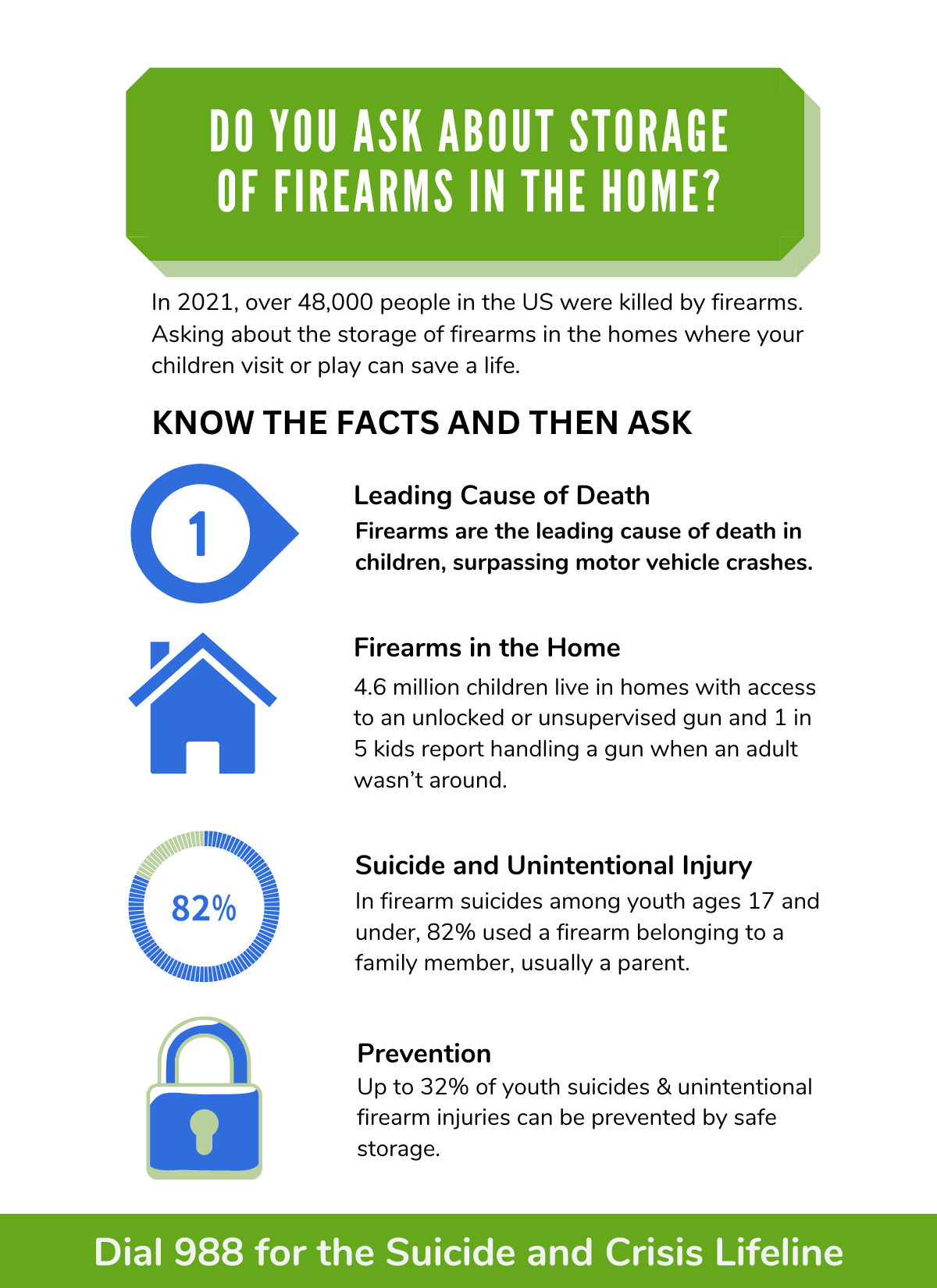
Safe storage solutions play a crucial role in preventing firearm injuries. Proper storage keeps firearms away from unauthorized users. This includes children and intruders. It also helps in reducing accidental discharges. Safe storage involves more than just hiding a gun. It requires thoughtful planning and reliable equipment.
Choosing The Right Gun Safe
Choosing a gun safe depends on several factors. Assess the available space in your home. Measure the area where you plan to place the safe. Consider the number of firearms you own. A larger collection needs a bigger safe. Look for safes with thick steel walls. Thicker walls provide better security.
Ensure the safe has a reliable lock system. Biometric locks offer quick access. Keypad locks are also popular. Select a safe with fire protection features. A fire-resistant safe protects your firearms from fire damage. Check the safe’s weight. A heavier safe is harder to steal.
Safe Storage For Families With Children
Children are naturally curious. Keeping firearms out of their reach is essential. Use a gun safe with a childproof lock. Store ammunition separately from the firearms. This adds an extra layer of security. Educate children about the dangers of firearms. Teach them that guns are not toys.
Install additional security measures. Consider using trigger locks. These prevent the gun from firing. Regularly check that all storage devices are functioning. Ensure safes and locks are in good condition. Reinforce the importance of safety rules with all family members.
Education And Training
Education and training play a crucial role in preventing firearm injuries. Learning how to handle firearms safely is essential. It reduces risks significantly. Through structured courses and community workshops, individuals gain necessary skills. This knowledge empowers them to act responsibly.
Importance Of Firearm Safety Courses
Firearm safety courses teach vital skills. They cover handling, storage, and maintenance. Participants learn safety protocols thoroughly. Certified instructors lead these courses. Their expertise ensures accurate information delivery. Such training boosts confidence. It also instills a sense of responsibility.
Community Workshops And Programs
Community workshops promote firearm safety education. They offer hands-on experiences. Participants engage in interactive sessions. This practical approach enhances understanding. Workshops often include demonstrations. They address real-life scenarios. Programs are accessible to all. They encourage community participation.
Credit: dconc.gov
Responsible Ownership Practices
Responsible Ownership Practices focus on securely storing firearms and using safety devices. Educating family members about gun safety reduces risks. Regular training and awareness help prevent firearm injuries effectively.
Responsible ownership practices are essential for preventing firearm injuries and ensuring safety for everyone. As a gun owner, the responsibility extends beyond personal safety to include the safety of family, friends, and the community. Implementing responsible practices can create a safer environment and prevent accidents.Legal Responsibilities Of Gun Owners
Being a responsible gun owner means understanding and adhering to legal obligations. These laws are in place to protect everyone, including you. Are you familiar with the local and federal laws regarding firearm storage and use? Keeping firearms locked and unloaded when not in use is a legal requirement in many areas. Ensuring your guns are safely stored can prevent unauthorized access and potential injuries. Regularly review your state’s regulations to stay compliant and informed.Regular Maintenance And Inspection
Regular maintenance and inspection of your firearms are crucial for safe operation. Just like any other tool, guns require upkeep to function properly. When was the last time you cleaned and inspected your firearm? Set a schedule for regular cleaning and inspection. Check for any wear or damage that might affect performance. A well-maintained gun is a safer gun, reducing the risk of malfunctions and accidents. Encourage family members or friends who own firearms to adopt these practices. Sharing knowledge and experiences can strengthen the community’s overall safety. Wouldn’t you want your loved ones to be as safe and responsible as you are?Emergency Preparedness
Understanding gun safety is crucial to prevent firearm injuries. Store firearms securely and use safety devices. Educate family members about safe handling practices to minimize risks.
Emergency preparedness is crucial in preventing firearm injuries. Having a clear plan ensures swift action during emergencies. It reduces panic and increases safety. Preparedness involves knowing what to do before, during, and after an incident. This proactive approach can save lives and minimize harm.Creating A Firearm Emergency Plan
A detailed plan is essential for safety. Start by identifying potential risks in your environment. Discuss these risks with family members. Everyone should understand the plan and their role in it. Practice the plan regularly to ensure everyone knows what to do. Keep emergency contacts readily accessible. Make sure to include local emergency services in your contact list. Designate safe areas away from potential threats. Ensure these areas are easily accessible. Teach family members to recognize the sound of gunfire. Understanding this sound can help them react quickly. It’s vital to have a plan for different scenarios.First Aid And Emergency Response
First aid knowledge is a lifesaver in emergencies. Basic skills can prevent severe injuries. Attend classes to learn essential first aid techniques. Familiarize yourself with treating gunshot wounds. Keep a well-stocked first aid kit in your home. Include items like bandages, gauze, and antiseptic wipes. Knowing CPR can be crucial in saving lives. Practice regularly to stay proficient. Encourage family members to learn first aid skills. Quick response can reduce injury severity. Always call emergency services immediately after an incident. Timing is critical in emergency situations.Promoting A Safety Culture
Creating a safety culture is key to preventing firearm injuries. A safety culture encourages responsible behavior around firearms. It fosters awareness and understanding of potential risks. Everyone plays a role in promoting safety.
Engaging With Local Advocacy Groups
Local advocacy groups are valuable allies in safety efforts. They provide resources and training to promote safe firearm use. Joining these groups strengthens community safety networks. Many groups offer workshops and seminars on firearm safety. These events educate and empower individuals with crucial knowledge.
Participating in advocacy efforts also builds a sense of community. People learn from each other and share best practices. This collective wisdom helps prevent firearm injuries. Local groups often collaborate with law enforcement and schools. These partnerships enhance community-wide safety initiatives.
Encouraging Open Conversations About Safety
Open conversations are vital in promoting a safety culture. Discussing safety concerns helps clear misconceptions about firearms. These discussions create an environment of trust and understanding. Encourage family and friends to talk openly about firearm safety.
Schools can facilitate conversations through safety education programs. These programs teach children about the importance of firearm safety. Parents should also engage their children in safety talks at home. Honest dialogues can prevent accidents and save lives.
Social media platforms can also be used to share safety tips. Sharing experiences and insights online reaches a broader audience. This can lead to a more informed and safety-conscious community.

Credit: www.instagram.com
Frequently Asked Questions
What Are Common Firearm Injury Causes?
Firearm injuries often result from accidental discharges, improper handling, or lack of supervision. Other causes include using defective firearms and ignoring safety protocols. Awareness and education about firearm safety can significantly reduce the risk of injuries.
How Can Firearm Injuries Be Prevented?
Preventing firearm injuries involves proper education, secure storage, and regular maintenance. Always handle firearms responsibly and ensure they are unloaded when not in use. Use safety devices like gun locks and safes to restrict unauthorized access.
Why Is Firearm Safety Training Important?
Firearm safety training is crucial for understanding safe handling and storage practices. It teaches responsible usage and highlights potential risks. Training helps prevent accidents, ensuring users are knowledgeable about safety protocols and emergency procedures.
Are Gun Safes Effective For Injury Prevention?
Yes, gun safes are vital for preventing unauthorized access to firearms. They securely store weapons, reducing the risk of accidental use. Safes ensure firearms are kept away from children and untrained individuals, significantly lowering injury risk.
Conclusion
Preventing firearm injuries is crucial for safety. Start with proper storage. Lock firearms away. Use gun safes or locks. Educate everyone in the household. Knowledge reduces risks. Always handle firearms with care. Never point at people. Keep fingers off triggers.
Practice these habits regularly. Training is essential. Attend safety courses. Learn from professionals. Stay informed about local laws. Laws help in responsible ownership. Encourage discussions on safety. Open conversations promote awareness. Lastly, prioritize safety over convenience. A safe environment saves lives.
Protect your family and community by staying vigilant and responsible.