
Imagine waking up one morning, gearing up for your favorite workout, only to be sidelined by a sudden sharp pain in your shoulder. It’s frustrating, isn’t it?
That’s what an acromioclavicular (AC) joint injury can do. But here’s some good news: you can take steps to prevent it. By understanding the right techniques and strategies, you can safeguard your shoulders and keep them in top shape. This article is your go-to guide for protecting your AC joint from injury.
Let’s ensure you stay active and pain-free, so you can focus on what you love most. Ready to learn how? Dive in, and discover the keys to maintaining strong, healthy shoulders.
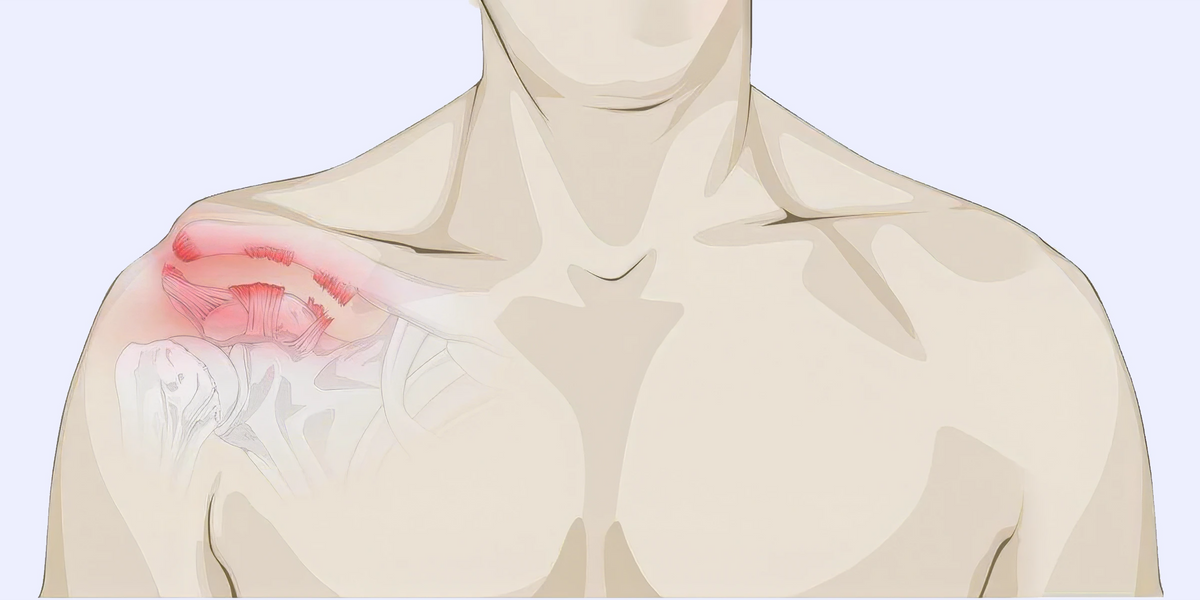
Credit: www.vivehealth.com
Understanding The Ac Joint
Understanding the AC joint helps in preventing injuries. Strengthen shoulder muscles with exercises to improve stability. Avoid repetitive overhead activities to reduce strain on the joint.
Understanding the AC Joint The acromioclavicular (AC) joint is a crucial part of shoulder anatomy. It’s the point where the clavicle meets the acromion of the scapula. This joint allows your shoulder to move freely. It plays a significant role in arm movement. Protecting this joint is vital for maintaining shoulder health.Anatomy Of The Ac Joint
The AC joint is a small, yet essential connection. It comprises the acromion and the clavicle. Ligaments hold these bones together. These ligaments provide stability and support. The joint enables a wide range of shoulder motions. It helps in lifting, reaching, and throwing. Cartilage cushions the joint, reducing friction during movement.Common Causes Of Injury
AC joint injuries happen due to various reasons. Direct impact is a common cause. Falling on the shoulder can harm the joint. Sports injuries often affect the AC joint. Activities like rugby or football pose a risk. Overuse can lead to gradual damage. Repeated stress weakens the ligaments. Poor posture may also contribute to joint strain.Risk Factors For Ac Joint Injury
Poor posture and weak shoulder muscles increase the risk of AC joint injuries. Regular strength training and proper body mechanics can help prevent them.
Understanding the risk factors for AC joint injury is crucial for anyone looking to protect themselves from this painful condition. An AC joint injury can significantly impact your ability to perform daily tasks or enjoy your favorite activities. By recognizing these risks, you can take proactive steps to minimize your chances of injury.Lifestyle And Occupational Risks
Your daily habits and occupation can play a significant role in the health of your AC joint. If your job requires repetitive overhead lifting or strenuous physical labor, you might be at higher risk. Think about construction workers or movers; their work inherently involves stress on the shoulder joints. Even if your job isn’t physically demanding, poor posture from sitting at a desk all day can also contribute. Consider making small adjustments, like regular breaks and ergonomic seating. These changes can help reduce strain and promote joint health.Sports And Physical Activities
Sports enthusiasts, take note: certain physical activities can increase your risk of AC joint injuries. Contact sports like football or rugby are common culprits due to the high-impact nature of the games. But even non-contact sports can pose risks if they involve repetitive overhead movements. Have you ever thought about your workout routine? Exercises like weightlifting can strain your shoulders if not done correctly. Focusing on proper technique and gradually increasing weights can help protect your joints. Are you warming up adequately before engaging in sports or exercise? Skipping this crucial step can make your joints more susceptible to injury. Incorporate a dynamic warm-up to prepare your muscles and joints for the activity ahead. By being aware of these risk factors, you can make informed choices to safeguard your AC joint health. What changes can you implement today to reduce your risk?Preventive Measures
Strengthening shoulder muscles can help prevent AC joint injuries. Proper warm-ups and stretching improve flexibility and reduce risk. Always use protective gear during contact sports for added safety.
Preventing an Acromioclavicular (AC) joint injury is crucial for maintaining shoulder health and overall physical performance. Prioritizing preventive measures can significantly reduce your risk of injury, whether you’re an athlete or someone who enjoys recreational activities. Let’s dive into effective strategies that you can incorporate into your routine to protect your AC joint.Strengthening Exercises
Building strength in your shoulder muscles can provide the necessary support to your AC joint. Focus on exercises that target the deltoids, rotator cuff, and trapezius muscles. Consider incorporating shoulder presses and lateral raises using dumbbells. These exercises help in enhancing the stability and strength of your shoulder. Don’t forget the importance of rotator cuff exercises like internal and external rotations with resistance bands. Consistent practice can make a substantial difference in preventing injuries.Proper Techniques In Physical Activities
Using the correct techniques in sports and physical activities is essential in avoiding unnecessary stress on your AC joint. Always warm up before engaging in any strenuous activity. A proper warm-up increases blood flow and prepares your muscles for action. If you’re involved in sports like basketball or tennis, pay attention to your arm movements. Ensure that you use the correct form to avoid putting too much pressure on your shoulders. You might want to consider consulting with a coach or a physical therapist to assess your technique. They can provide personalized advice to improve your form, reducing the risk of injury. By focusing on these preventive measures, you enhance your physical resilience and enjoy activities without the fear of an AC joint injury. Are you ready to take proactive steps to safeguard your shoulder health?Role Of Nutrition And Hydration
The connection between diet and joint health is crucial. Proper nutrition and hydration play a significant role in preventing ac joint injuries. They help maintain muscle strength, reduce inflammation, and support recovery. Understanding how food and water impact your body can make a difference.
Importance Of A Balanced Diet
A balanced diet provides essential nutrients for joint health. Proteins help build and repair tissues. Omega-3 fatty acids reduce inflammation. Fruits and vegetables supply vitamins and antioxidants. Calcium and vitamin D strengthen bones. Whole grains offer energy and support overall wellness. Each component contributes to joint stability and health.
Hydration Tips For Joint Health
Proper hydration is vital for joint function. Water lubricates joints and helps them move smoothly. Drink water regularly throughout the day. Aim for at least eight glasses. Avoid excessive caffeine and sugary drinks, which can dehydrate. Include hydrating foods like cucumbers and watermelon. These can help maintain fluid balance.
Protective Gear And Equipment
Preventing AC joint injuries often relies on using proper protective gear. The right equipment shields the shoulder from excessive force. This can reduce the risk of injury. Whether you’re an athlete or a fitness enthusiast, gear plays a crucial role. Let’s explore how to choose and maintain the right equipment.
Choosing The Right Gear
Always select gear that fits well and provides adequate support. Shoulder pads are essential for contact sports. They help absorb impact and protect the AC joint. Look for pads with adjustable straps. This ensures they stay in place during movement. Helmets also play a part in preventing injuries. Ensure they fit snugly and cover the head properly. A good helmet can prevent falls that might impact the shoulder.
Maintenance And Regular Checks
Regularly inspect your gear for wear and tear. Cracks or frayed straps reduce protection. Replace any damaged equipment immediately. Clean your gear after each use. Sweat and dirt can weaken materials over time. Proper storage is also important. Keep equipment in a cool, dry place. This prevents damage and extends its lifespan.

Credit: www.facebook.com
Lifestyle Modifications
Preventing AC joint injuries requires making some lifestyle changes. These changes can help keep your shoulder strong and healthy. By adopting a balanced routine and managing stress, you can lower the risk of injury. Let’s explore some effective lifestyle modifications.
Adopting A Healthy Routine
A healthy routine can support shoulder health. Start with regular physical activity. Simple exercises like stretching and strengthening help. Focus on exercises that target the shoulder muscles. This builds stability and reduces injury chances. Consider activities like swimming or yoga. They are gentle on the joints and boost flexibility.
Maintain a balanced diet to support muscle repair. Include foods rich in vitamins and minerals. These nutrients are vital for joint health. Stay hydrated to keep muscles and joints functioning well. Adequate sleep is also crucial. It allows the body to recover and prevent overuse injuries.
Stress Management Techniques
Stress affects the body in many ways. It can lead to muscle tension. Tension increases the risk of injuries, including the AC joint. Incorporate stress management techniques into your routine. Deep breathing exercises can help relax the muscles. Practice mindfulness or meditation to reduce stress levels.
Physical activities like walking or cycling can relieve stress. They also improve overall fitness. Engage in hobbies that relax you. Whether reading or gardening, find what calms you. Prioritize activities that bring joy and relaxation. This reduces stress and supports shoulder health.
Seeking Professional Guidance
Seeking professional guidance is key to preventing AC joint injuries. Expert advice ensures proper care and recovery. Understanding when to seek medical help is crucial. Physical therapy plays a vital role in prevention and healing.
When To Consult A Physician
Consult a physician if shoulder pain persists beyond a few days. Swelling or bruising around the joint indicates a need for professional evaluation. A sudden decrease in shoulder movement also warrants medical attention. Early intervention prevents further damage and aids recovery. Physicians provide accurate diagnosis and create tailored treatment plans.
Role Of Physical Therapy
Physical therapy strengthens shoulder muscles, reducing injury risk. Therapists design exercises to improve flexibility and stability. They teach proper body mechanics to avoid strain. Regular sessions help in maintaining joint health and function. Therapists guide patients through safe recovery processes. Physical therapy ensures a balanced approach to shoulder care.
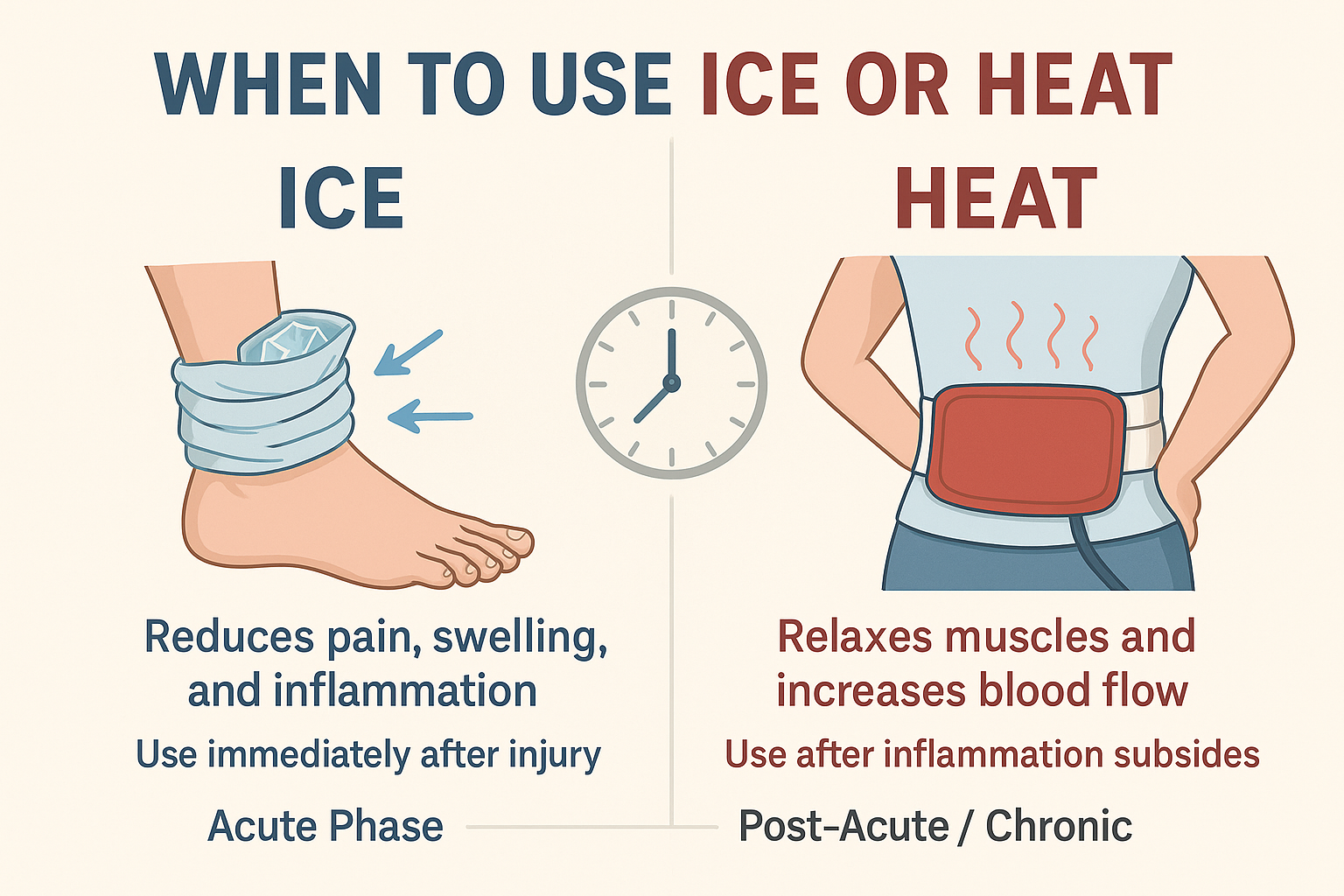
Credit: www.orthopedicshoulder.com
Frequently Asked Questions
What Are Common Causes Of Ac Joint Injury?
AC joint injuries often result from direct trauma or overuse. Activities like weightlifting or contact sports increase risk. Repetitive movements can strain the joint, leading to damage. Proper technique and protective gear help reduce risk.
How Can I Strengthen My Shoulder To Prevent Injury?
Regular exercises targeting shoulder muscles can strengthen the joint. Focus on rotator cuff and deltoid workouts. Incorporate resistance bands and light weights into routines. Gradually increase intensity to build endurance. Always warm up before exercising.
Are There Specific Exercises To Avoid?
Avoid exercises that place excessive strain on the shoulder. Heavy overhead lifts and high-impact activities can increase injury risk. Focus on controlled movements and maintain proper form. Consult a professional for tailored exercise plans.
Can Physical Therapy Help Prevent Ac Joint Injuries?
Yes, physical therapy can be beneficial. Therapists design customized programs to strengthen and stabilize the shoulder. They teach proper techniques and monitor progress. Regular sessions reduce the risk of future injuries.
Conclusion
Preventing AC joint injuries requires care and awareness. Always warm up before activities. Proper technique helps reduce strain on your shoulder. Use protective gear when necessary. Listen to your body and rest if needed. Consistent strength training can support shoulder health.
Focus on exercises that build shoulder stability. Stay hydrated to maintain muscle function. Stretch regularly to keep joints flexible. Avoid overexertion to minimize injury risk. Remember, prevention is better than cure. Following these tips can help you stay injury-free. Take these steps seriously for a healthier, stronger shoulder.
Stay active, but smartly.