
Are you tired of the constant worry about hip injuries disrupting your daily routine? Imagine moving freely without the nagging fear of sudden pain or discomfort.
Hip injuries can sideline you from the activities you love, whether it’s a morning jog, a casual stroll, or simply bending down to pick something up. But what if you could take control and prevent these injuries before they even start?
You have the power to protect your hips, keeping them strong and healthy for years to come. You’ll discover simple yet effective strategies to safeguard your hips, enhancing your mobility and boosting your confidence. Don’t let hip injuries hold you back – read on to learn how you can take charge of your hip health today.
Common Causes Of Hip Injuries
Preventing hip injuries involves understanding their common causes. Poor posture, overuse, and falls often lead to hip issues. Strengthening exercises and maintaining flexibility can help reduce risk.
Hip injuries can be a real setback, impacting your mobility and overall quality of life. Understanding their common causes is crucial in taking proactive steps to prevent them. Many people find themselves sidelined due to hip issues without realizing that simple lifestyle changes could make a significant difference. Let’s explore what typically leads to hip injuries and how you can avoid them.Overuse And Repetitive Movements
Continuous strain on the hip joints from repetitive movements can lead to wear and tear. Activities like running long distances or engaging in sports without proper rest can accumulate stress in your hips. It’s essential to balance exercise with recovery. Incorporating rest days and varying your workouts can help maintain hip health.Poor Posture
Slouching and sitting improperly can gradually impact your hip alignment. You might not notice the immediate effects, but over time, poor posture can lead to discomfort or injury. Consider investing in ergonomic furniture or practicing good posture habits. A simple reminder to sit up straight can prevent long-term issues.Weak Muscles
Weak muscles around the hip joints can increase the risk of injury. Strengthening exercises can help support your hips and reduce the chance of injury. Adding squats or lunges to your routine can be beneficial. You don’t need to become a bodybuilder, but a little strength training goes a long way.Traumatic Events
Accidents or falls are common causes of hip injuries. While you can’t always avoid these incidents, you can take precautions. Wearing appropriate footwear and being mindful of your surroundings can lessen the risk. Think about the last time you slipped—were you wearing the right shoes?Aging
As you age, your joints naturally wear down, making hip injuries more common. Staying active and maintaining a healthy diet can help keep your hips in good condition. Regular check-ups with your doctor can also ensure you’re on top of your hip health. Are you prioritizing your hip health as you get older? Understanding these causes empowers you to make informed decisions about your lifestyle. How can you adjust your daily habits to protect your hips? Taking small steps today can lead to a healthier tomorrow.Importance Of Hip Health
The hips are crucial to your everyday movement, whether you’re walking, running, or simply standing. Maintaining hip health is key to a vibrant and active lifestyle. Neglecting it can lead to discomfort, limited mobility, and even severe injuries.
Why Hip Health Matters
Think of your hips as the foundation of your body’s movement. They support your weight and allow for a wide range of motion. Healthy hips mean fewer aches, better posture, and enhanced overall well-being.
Signs Your Hips Need Attention
Are you experiencing stiffness or discomfort after sitting for long periods? This could be your body’s way of signaling hip issues. Pay attention to these signs to prevent further complications.
Daily Habits To Support Hip Health
- Stretch Regularly:Gentle stretches can maintain flexibility and reduce tension.
- Stay Active:Engage in activities like walking, swimming, or cycling.
- Mind Your Posture:Proper alignment can alleviate unnecessary stress on your hips.
Exercises To Strengthen Your Hips
Simple exercises can fortify your hip muscles. Try incorporating squats and lunges into your routine. These exercises not only strengthen but also improve your balance.
The Role Of Nutrition In Hip Health
Your diet plays a significant role in maintaining strong bones and joints. Calcium-rich foods like dairy and leafy greens can bolster your hips. Consider adding vitamin D supplements if necessary to support bone health.
What’s Your Hip Health Plan?
Have you thought about creating a hip health plan? Consider setting aside time each week to focus on hip-friendly activities. Engaging consistently can prevent injuries and promote a lifelong active lifestyle.
Strengthening Exercises
Strengthening exercises play a crucial role in preventing hip injuries. Focus on building muscle around the hip joint through targeted workouts. Incorporate exercises like lunges, squats, and leg raises to enhance stability and flexibility.
Strengthening exercises play a vital role in preventing hip injuries. They help build muscle support, improve flexibility, and enhance balance. A strong hip foundation reduces the risk of strains or sprains. Let’s delve into some effective exercises for hip strength and stability.Core Stability Workouts
A strong core is essential for hip stability. Engage in plank exercises to strengthen your abdominal muscles. Lie on your stomach, then lift your body with forearms and toes. Hold this position for 30 seconds to a minute. This workout enhances balance and reduces hip stress. Another effective workout is the bridge exercise. Lie on your back with knees bent. Lift your hips towards the ceiling, squeezing your glutes. Hold the position for a few seconds before lowering. This targets both your core and hip muscles.Hip Flexor Strengthening
Tight hip flexors can lead to discomfort and injuries. Perform lunges to stretch and strengthen these muscles. Step forward with one leg, keeping your knee above your ankle. Lower your back knee towards the ground. Alternate legs to balance the workout. Leg raises also help in strengthening hip flexors. Lie on your back, keeping one leg straight. Lift it towards the ceiling without bending the knee. Repeat with the other leg. This exercise enhances flexibility and muscle support.Glute Activation Techniques
Strong glutes support hip function and prevent injuries. Squats are an excellent exercise for glute activation. Stand with feet shoulder-width apart. Lower your body as if sitting on a chair, keeping knees aligned with toes. This strengthens glutes and stabilizes hips. Another technique is the clam shell exercise. Lie on your side with knees bent. Lift your top knee while keeping feet together. This targets the glute medius, essential for hip stability. Repeat on both sides for balanced muscle development.
Credit: www.telegraph.co.uk
Flexibility And Stretching
Regular flexibility exercises help keep hips strong and healthy. Stretching muscles around the hip can improve mobility. This reduces the risk of injuries and discomfort.
Flexibility and stretching play a vital role in preventing hip injuries. They enhance muscle elasticity and joint mobility. Regular stretching maintains hip health, reducing injury risk. It also improves balance and coordination.Dynamic Stretching Routines
Dynamic stretches warm up your muscles. They prepare your hips for movement. Engage in leg swings and hip circles. These exercises increase blood flow. They also improve joint range. Perform them before workouts.Yoga Poses For Hip Flexibility
Yoga stretches the hip muscles deeply. Try poses like Pigeon and Butterfly. They open up hip joints. Regular practice increases flexibility. It also relieves tension. Start with gentle stretches. Gradually increase intensity.Foam Rolling For Muscle Release
Foam rolling targets tight muscles. It reduces soreness and stiffness. Roll over your hip muscles gently. Focus on tender spots. This increases circulation. It also aids recovery. Use foam rolling after exercise sessions.Proper Footwear Choices
Choosing the right footwear can help prevent hip injuries. Supportive shoes align the body and reduce stress on hips. Avoid high heels and opt for cushioned soles for better comfort and stability.
Choosing the right footwear can help prevent hip injuries. Shoes affect your posture and balance. Both are vital for hip health. Wearing the wrong shoes can strain your hips. The right pair supports your body, reducing stress on your joints. Let’s explore how proper footwear can make a difference.Understanding Your Foot Type
Knowing your foot type is crucial. There are three main types: flat, neutral, and high-arched. Each type requires different support. Flat feet need stability shoes. High arches benefit from cushioned shoes. Neutral feet have more flexibility in choices. Identifying your foot type helps in selecting the right shoes.Importance Of Arch Support
Arch support is key to preventing injuries. Proper arch support distributes weight evenly. It reduces pressure on your hips and knees. Lack of support can lead to discomfort and injuries. Ensure your shoes have good arch support. Consider insoles if your shoes lack adequate support.Choosing The Right Shoe Size
Shoe size impacts comfort and support. Ill-fitting shoes cause blisters and pain. Always measure your feet before buying new shoes. Sizes can vary between brands. Try on shoes at the end of the day when feet are largest. A well-fitting shoe should have a thumb’s width of space at the toe.Material And Cushioning
Material affects shoe comfort and durability. Breathable materials keep feet cool and dry. Look for shoes with adequate cushioning. Cushioning absorbs shock, reducing impact on hips. Lightweight materials can also reduce fatigue. Choose shoes that combine comfort and function.Replacing Worn-out Shoes
Worn-out shoes lose support and cushioning. They can increase the risk of hip injuries. Inspect your shoes regularly for wear and tear. Look at the sole and insole for signs of damage. Replace shoes every 300-500 miles for optimal support. Keeping shoes in good condition ensures they protect your hips effectively.Posture And Body Mechanics
Proper posture and body mechanics can help prevent hip injuries. Stand tall, keep your feet aligned, and distribute weight evenly. Regularly practicing these habits reduces strain and supports joint health.
Preventing hip injuries starts with paying attention to your posture and body mechanics. How you sit, lift, and adjust your surroundings can significantly impact your hip health. By making small adjustments in these areas, you can reduce the risk of injury and enhance your overall well-being. Let’s dive into practical ways to improve your posture and body mechanics for healthier hips.Correct Sitting Posture
How often do you find yourself slouching while sitting? A proper sitting posture can make a world of difference in preventing hip injuries. Ensure your back is straight with your shoulders relaxed. Your feet should rest flat on the ground, and your knees should be at a right angle. Consider using a small cushion to support your lower back, offering additional comfort and alignment.Lifting Techniques
Lifting objects incorrectly can strain your hips. Use your legs to lift, not your back. Bend at your knees and keep the object close to your body. This technique minimizes the stress on your hips. It’s also wise to avoid twisting your body while carrying heavy items; instead, pivot your feet to turn.Ergonomic Adjustments
Take a moment to assess your work environment. Are your desk and chair height suitable for your body? Ergonomic adjustments can ease stress on your hips. Opt for chairs with good lumbar support and adjustable features. If you spend a lot of time on your feet, consider using anti-fatigue mats to reduce hip strain. By making these simple changes, you can significantly lower the risk of hip injuries. Do you have any tips or experiences to share about improving posture and body mechanics? Your insights could help others in their journey to healthier hips.Weight Management Strategies
Preventing hip injuries involves effective weight management strategies. Balanced nutrition and regular exercise help maintain a healthy weight. Strong muscles and flexibility further protect hips from strain and injury.
Maintaining a healthy weight plays a crucial role in preventing hip injuries. Your hips support your body’s weight, and excess pounds can put undue stress on these vital joints. By adopting effective weight management strategies, you can significantly reduce the risk of hip-related problems.Adopt A Balanced Diet
Eating a balanced diet is key to maintaining a healthy weight. Focus on consuming a variety of fruits, vegetables, lean proteins, and whole grains. Avoid processed foods and sugary snacks that can lead to weight gain.Regular Physical Activity
Engaging in regular exercise helps you manage weight and strengthen muscles around the hips. Aim for a mix of cardio, strength training, and flexibility exercises. Activities like swimming and cycling are excellent for reducing joint stress.Monitor Portion Sizes
Pay attention to portion sizes to prevent overeating. Using smaller plates can help you control portions more effectively. Remember, it’s not just what you eat, but how much you eat that impacts your weight.Stay Hydrated
Drinking enough water supports your metabolism and helps control hunger. Sometimes thirst is mistaken for hunger, leading to unnecessary calorie intake. Keep a water bottle handy to remind yourself to stay hydrated throughout the day.Mindful Eating Practices
Practicing mindful eating can prevent overeating. Focus on your meal without distractions and savor each bite. This approach helps you recognize when you’re full, preventing unnecessary extra calories.Track Your Progress
Keeping track of your weight management journey can motivate you. Use apps or journals to log your meals and physical activity. Reflecting on your progress helps you identify successful habits and areas for improvement. Staying proactive with these weight management strategies can significantly reduce the risk of hip injuries. Are you ready to take control of your weight for healthier hips?
Credit: www.telegraph.co.uk
Role Of Nutrition In Joint Health
Proper nutrition supports joint health and helps prevent hip injuries. Consuming foods rich in vitamins and minerals strengthens bones and reduces inflammation. A balanced diet with sufficient protein, calcium, and omega-3 fatty acids aids in maintaining joint flexibility and resilience.
The role of nutrition in joint health is often underestimated, yet it plays a critical part in maintaining strong and flexible joints. A nutrient-rich diet can help prevent hip injuries and keep your joints healthy. By focusing on what you eat, you can support your joints and reduce inflammation, which is crucial for preventing injuries.Anti-inflammatory Foods
Eating foods that fight inflammation can make a big difference in how your joints feel. Incorporate more fruits and vegetables, especially berries, oranges, and leafy greens, which are packed with antioxidants. Omega-3 fatty acids, found in fish like salmon and mackerel, are known to reduce joint stiffness and pain. Whole grains and nuts, such as almonds and walnuts, can also help lower inflammation. How often do you think about the impact of your daily meals on your joint health? By choosing anti-inflammatory foods regularly, you can support your body’s natural defenses against joint damage.Supplements For Joint Support
Supplements can be a beneficial addition to your diet for joint health. Glucosamine and chondroitin are popular supplements that support cartilage health. They may help reduce the symptoms of joint problems and improve mobility. Vitamin D and calcium are essential for bone health, which directly impacts the joints. Ensuring you have adequate levels of these nutrients can aid in preventing joint-related issues. Before you start any supplement regimen, consider consulting with a healthcare professional. Have you considered how supplements might fill in the gaps of your nutritional intake? Balancing your diet with the right supplements could be the key to maintaining healthy joints and preventing hip injuries.When To Seek Professional Help
Persistent hip pain signals the need for professional help. Swelling, bruising, or difficulty moving also require medical attention. Early intervention prevents serious injuries and aids recovery.
Preventing hip injuries is crucial for maintaining mobility and enjoying a pain-free lifestyle. However, knowing when to seek professional help can make all the difference in your recovery journey. Timely intervention can prevent minor issues from escalating into major problems. Understanding the signs that warrant expert attention can ensure you get the help you need when you need it.Persistent Pain That Doesn’t Improve
If you experience hip pain that lingers for more than a few days, it’s time to consult a professional. Temporary discomfort might be normal, especially after physical activity, but persistent pain is a red flag. Ignoring it could lead to more severe issues, so it’s better to address it sooner rather than later.Limited Range Of Motion
Notice any stiffness or difficulty moving your hip? This could be a sign of an underlying problem. A professional can assess your range of motion and identify any restrictions. Early intervention can restore your mobility and prevent further complications.Swelling Or Bruising
Swelling or bruising around the hip area is not something to ignore. It indicates that something is not right, possibly even a fracture or a severe strain. A healthcare provider can perform the necessary tests to determine the cause and recommend appropriate treatment.Instability Or Weakness
Feeling unsteady or weak in your hip can be alarming. It may suggest a structural issue or muscle weakness that needs professional attention. By seeking help, you can avoid potential falls or further damage to the joint.Audible Sounds Or Sensations
Hearing a popping sound or feeling a grinding sensation in your hip is not normal. These symptoms may point to cartilage damage or other joint issues. A professional evaluation can help pinpoint the cause and offer solutions to prevent further injury. Engage with these signs proactively. Have you experienced any of these symptoms before? Seeking professional help at the right time can be the key to preserving your hip health and overall quality of life.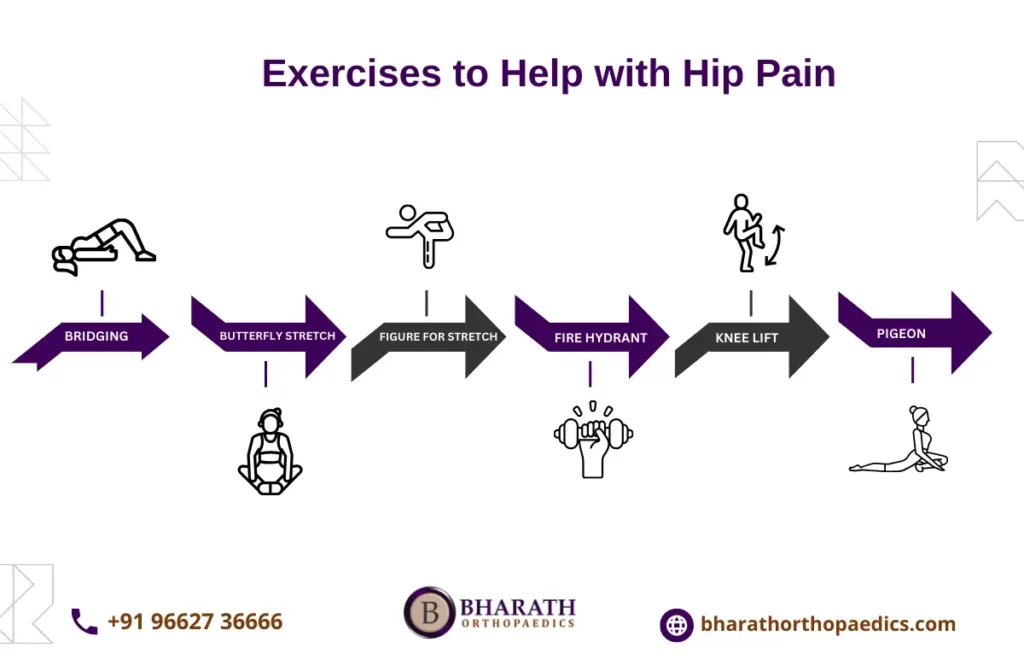
Credit: bharathorthopaedics.com
Frequently Asked Questions
What Exercises Prevent Hip Injuries?
Strengthening exercises like squats and lunges help prevent hip injuries. Stretching routines also improve flexibility and balance. Consult a physical therapist for personalized guidance. Regular exercise keeps muscles strong, reducing injury risk.
How Can I Improve Hip Flexibility?
Yoga and pilates are excellent for improving hip flexibility. Focus on stretches targeting hip muscles. Consistent practice enhances range of motion and reduces stiffness. Always warm up before stretching for best results.
Are Certain Sports Risky For Hips?
High-impact sports like football and basketball can stress hips. Proper technique and conditioning reduce injury risk. Wearing appropriate gear also helps. Consult a coach or trainer for advice on safe practices.
Can Diet Affect Hip Health?
Yes, a balanced diet supports bone and joint health. Calcium and vitamin D are crucial for hip strength. Omega-3 fatty acids reduce inflammation. Include leafy greens, fish, and nuts in your meals.
Conclusion
Preventing hip injuries is vital for maintaining mobility and comfort. Prioritize regular exercise to strengthen your hip muscles. Stretch daily to enhance flexibility. Always warm up before engaging in physical activities. Wearing proper shoes offers additional support. Listen to your body and rest when needed.
Seek professional advice if pain persists. A proactive approach ensures healthier hips. Small steps lead to big benefits. Remember, healthy hips contribute to an active lifestyle. Stay consistent in your efforts. Keep your hips strong and injury-free. Your future self will thank you.