
Needlestick injuries are more common than you might think, especially if you work in healthcare or any environment involving sharp tools. These tiny accidents can lead to significant health risks, including infections that could change your life forever.
But what if you could easily reduce these risks and keep yourself safe? Imagine going to work each day, confident that you’re protected from these hidden dangers. Understanding how to prevent needlestick injuries is not just about safety; it’s about empowering yourself with the knowledge to make your work environment secure.
Stay with us as we uncover simple yet effective ways to safeguard your well-being and peace of mind. Your health is worth it.
Credit: journalofethics.ama-assn.org
Understanding Needlestick Injuries
Understanding needlestick injuries is crucial for anyone working in healthcare or environments where needles are frequently used. These injuries occur when a needle accidentally punctures the skin, leading to potential exposure to bloodborne pathogens. It’s vital to grasp the causes and risks associated with needlestick injuries to effectively prevent them.
Common Causes
Needlestick injuries often result from inadequate handling and disposal of needles. Imagine trying to quickly recap a needle after use—this can be a recipe for disaster. Improper disposal methods, like leaving needles in unmarked containers, increase the risk significantly. Lack of training on safe needle handling is another common culprit.
Consider the hectic pace in a hospital setting. Rushing through tasks can lead to mistakes, such as accidentally pricking your finger with a needle while distracted. It’s essential to prioritize safety even when you’re under pressure.
Associated Risks
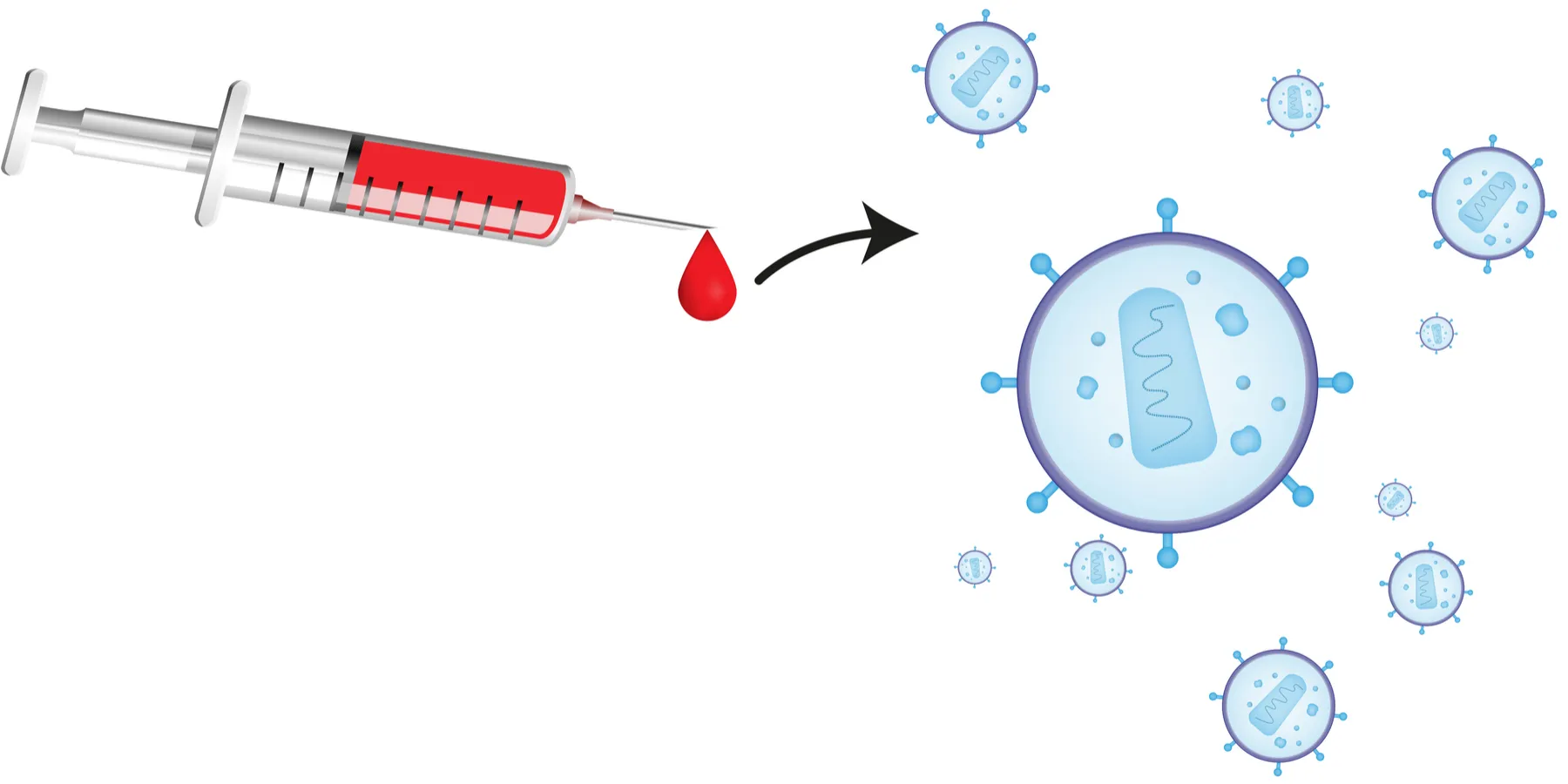
The risks associated with needlestick injuries are not to be taken lightly. Exposure to infectious diseases such as HIV, hepatitis B, and hepatitis C can occur if the needle is contaminated. Even a single puncture can have severe health implications.
Beyond physical health, think about the emotional toll. Anxiety and stress can mount as you wait for test results after a needlestick injury. Do you have protocols in place to manage these risks effectively?

Credit: www.safetyandhealthmagazine.com
Importance Of Prevention
Preventing needlestick injuries is crucial for maintaining a safe healthcare environment. These injuries not only pose serious health risks but also have a significant impact on the lives of healthcare workers. By taking proactive steps to prevent these incidents, we can protect those who dedicate their lives to caring for others.
Impact On Healthcare Workers
Needlestick injuries can lead to severe health consequences, including the transmission of bloodborne pathogens like HIV, hepatitis B, and hepatitis C. Imagine a nurse worrying constantly about their health after an accidental prick—it’s a haunting reality for many. This fear can affect their mental well-being and job performance. How can you provide the best care when you’re consumed by worry?
A single needlestick injury can change a healthcare worker’s life forever. It’s not just about the physical harm; it’s the emotional toll and anxiety that follows. What can be done to ensure healthcare workers feel safe and secure in their workplace?
Legal And Ethical Considerations
From a legal standpoint, organizations are obligated to provide a safe working environment. Failing to implement preventive measures can lead to lawsuits and hefty fines. Isn’t it better to invest in prevention than pay the price of neglect?
Ethically, healthcare institutions have a duty to protect their staff. It’s about respecting and valuing those who work tirelessly to save lives. Would you want to work somewhere that disregards your safety?
Ensuring a safe environment isn’t just a legal requirement; it’s a moral responsibility. How can healthcare facilities balance legal obligations with ethical duties to create a safer workplace?
Safe Handling Practices
Understanding safe handling practices is crucial to prevent needlestick injuries. Regular training on proper disposal techniques and using safety-engineered devices can minimize risks. Stay vigilant and always follow established protocols to ensure a safer workplace environment.
Preventing needlestick injuries is crucial for anyone working with needles, whether in healthcare, labs, or even at home. Safe handling practices are essential in minimizing risks and ensuring the safety of everyone involved. This involves being vigilant and adopting strategies that can drastically reduce the chances of accidents.Proper Disposal Methods
Proper disposal of needles is key to preventing injuries. Always use designated sharps containers for disposing of used needles. These containers are designed to be puncture-resistant, ensuring that needles cannot pierce through and cause harm. Ensure that these containers are easily accessible in all areas where needles are used. This encourages immediate disposal and reduces the temptation to leave needles unattended. Regularly check the fill level of the containers and replace them before they become overfilled to avoid needles sticking out.Use Of Safety Devices
Safety devices, such as needle guards and retractable needles, are invaluable tools in preventing needlestick injuries. These devices are designed to protect you from accidental pricks by covering or retracting the needle after use. Make it a habit to utilize these devices whenever they are available. You may need to advocate for their use in your workplace if they are not already standard practice. Remember, investing in safety devices not only protects you but also your colleagues and anyone who might handle waste.
Credit: www.facebook.com
Personal Protective Equipment
Proper use of personal protective equipment is vital to prevent needlestick injuries. Gloves act as a barrier, reducing the risk of direct contact with sharp objects. Training in safe needle handling techniques further enhances protection and ensures safety in healthcare settings.
Personal protective equipment (PPE) is an essential barrier between you and potential hazards, especially in healthcare settings where needlestick injuries are prevalent. It’s more than just a uniform; it’s your first line of defense against accidental exposure to bloodborne pathogens. But are you using your PPE effectively?Gloves And Gowns
Gloves are a crucial component of PPE. They provide a physical barrier between your skin and any infectious material. Choose gloves that fit well and are appropriate for the task at hand. Latex, nitrile, or vinyl? Each material offers different protection levels. Gowns add another layer of protection. They shield your clothing and skin from splashes and spills. Ensure that the gown covers you adequately and is fastened securely. Remember, a loose gown can be as ineffective as no gown at all.Face Shields And Masks
Face shields are designed to protect your eyes and face from splashes and sprays of bodily fluids. They offer broader coverage than goggles and can be comfortably worn with masks. It’s crucial to ensure that the shield is clean and free of scratches that can impair visibility. Masks, on the other hand, are vital for protecting your respiratory system. They prevent inhalation of airborne particles and droplets. Make sure your mask fits snugly around your nose and mouth without leaving gaps. A mask that doesn’t fit well can compromise your safety. Have you ever been in a situation where you felt your PPE wasn’t sufficient? Reflecting on past experiences can help you make better choices in the future. Are you ready to upgrade your protective gear to safeguard your health and well-being?Training And Education
Needlestick injuries are a significant concern in healthcare settings, yet they are preventable with the right approach. The cornerstone of prevention lies in training and education. By equipping healthcare professionals with the necessary skills and knowledge, we can reduce the risk of these injuries. But how can this be effectively achieved? Let’s explore some practical ways to enhance training and education in your facility.
Regular Workshops
Regular workshops offer a dynamic environment for learning and skill enhancement. In these interactive sessions, participants can engage with experts who share the latest safety protocols and techniques.
- Invite experienced speakers who can provide real-world insights on handling needles safely.
- Make workshops hands-on with practical demonstrations that allow participants to practice techniques.
- Encourage open dialogue and question-and-answer sessions to address specific concerns.
These workshops can be an excellent opportunity for staff to share personal experiences. Perhaps you’ve witnessed a colleague handle needles with exceptional care—what made their approach effective? Sharing these stories can inspire others to adopt better practices.
Simulation Exercises
Simulation exercises are invaluable for preparing staff to deal with real-life situations. By creating a controlled environment, healthcare workers can practice needle handling without risk.
- Set up realistic scenarios that mimic typical procedures in your facility.
- Use props and tools that closely resemble actual medical equipment.
- Provide immediate feedback to participants to reinforce correct techniques and address mistakes.
These exercises can build confidence and reduce anxiety among staff. Imagine stepping into a procedure room knowing you’ve already practiced the task countless times—how much more assured would you feel? This practical approach ensures that when the time comes, you’re ready to handle needles safely and efficiently.
Post-exposure Protocols
Preventing needlestick injuries involves proper training and safe handling practices. Utilize protective equipment and dispose of needles promptly. Implementing post-exposure protocols minimizes risks, ensuring safety and health for all involved.
Experiencing a needlestick injury can be alarming and stressful. Knowing the right steps to take immediately after such an incident is crucial. Post-exposure protocols are designed to minimize the risk of infection and ensure proper medical attention. These protocols are not just guidelines but a lifeline that can make a significant difference in your health outcome.Immediate Actions
After a needlestick injury, acting quickly is your best defense. Immediately wash the affected area with soap and water. Avoid using harsh chemicals or antiseptics that could irritate the skin further. Bleeding the wound slightly by gently squeezing it can help remove any contaminants. Next, you should report the incident to your supervisor or the appropriate department within your organization. This documentation is essential for both your safety and any potential follow-up care.Follow-up Procedures
Once initial actions are taken, follow-up procedures are the next critical step. Seek medical evaluation as soon as possible. A healthcare professional will assess the need for further testing and possible treatments. You might be advised to get baseline blood tests done to check for any existing infections. Keep a close watch on the injury site and report any unusual changes or symptoms to your doctor. Follow the healthcare provider’s recommendations regarding vaccinations, such as hepatitis B, if needed. Staying proactive about your health after an injury can significantly reduce potential risks. Did you know that maintaining a detailed record of the incident can aid in your medical care? It not only helps healthcare providers but also ensures you receive the necessary support from your workplace.Promoting A Safety Culture
Preventing needlestick injuries involves proper training and awareness. Use safety-engineered devices to minimize risks. Ensure immediate disposal of needles in sharps containers to promote a safe environment.
Promoting a safety culture in healthcare settings is crucial. It helps prevent needlestick injuries. A strong safety culture fosters awareness and responsibility. It encourages every staff member to prioritize safety. This approach reduces risks and enhances overall workplace well-being.Encouraging Reporting
Encouraging open reporting of incidents is vital. Staff should feel safe to report without fear. Create an environment that supports transparency. Regularly review reports to identify patterns. Implement corrective actions promptly. This proactive approach ensures continuous improvement.Involving All Staff
Involve all staff in safety discussions. Everyone plays a role in prevention. Conduct regular training sessions. Offer hands-on workshops to practice safe techniques. Foster communication between departments. Share best practices and successful strategies. Engage staff in decision-making processes. Their input can lead to effective solutions.Leveraging Technology
Leveraging technology enhances safety measures to prevent needlestick injuries. Smart devices offer safer disposal and tracking systems. Innovative needle designs reduce risk during medical procedures.
Leveraging technology in healthcare settings can dramatically reduce the risk of needlestick injuries. By integrating smart solutions, healthcare facilities can create safer environments for their staff. The advancements in digital tools provide innovative methods to monitor, alert, and safeguard against potential hazards.Digital Monitoring Systems
Digital monitoring systems offer real-time tracking and analysis of needle usage and disposal. Imagine having a system that automatically logs every needle used, ensuring accountability and traceability. These systems can help identify patterns that may lead to injuries, allowing you to take proactive measures. Additionally, digital systems can integrate with existing medical records, providing a comprehensive view of needle usage. This integration facilitates better decision-making, as you can easily analyze data to improve practices and ensure compliance with safety standards.Automated Safety Alerts
Automated safety alerts act as your vigilant digital assistant, promptly notifying staff of potential hazards. Picture an alert system that warns you when a needle is improperly disposed of or used repeatedly beyond its safe threshold. Such alerts can significantly reduce human error, which is often a leading cause of needlestick injuries. These alerts not only serve as reminders but also empower healthcare workers to prioritize safety. By having an automated system in place, you can focus more on patient care and less on the meticulous tracking of needle safety. Are you leveraging technology effectively to protect your staff? Employing these tools can be the difference between a safe work environment and an unexpected injury.Frequently Asked Questions
What Are Needlestick Injuries?
Needlestick injuries occur when a needle punctures the skin accidentally. They pose risks for healthcare workers. These injuries can transmit infectious diseases. Proper handling and disposal of needles reduce these risks significantly. Awareness and training are crucial in preventing these incidents.
How Can I Prevent Needlestick Injuries?
To prevent needlestick injuries, use needleless systems whenever possible. Always dispose of needles in sharps containers. Employ safety-engineered devices to minimize risks. Ensure proper training for all healthcare staff. Regularly review safety protocols to enhance compliance.
Why Are Needlestick Injuries Dangerous?
Needlestick injuries are dangerous because they can transmit bloodborne pathogens. HIV, hepatitis B, and hepatitis C are common concerns. Immediate medical evaluation is crucial after an incident. Vaccination and post-exposure prophylaxis reduce infection risks. Awareness and prevention strategies are essential.
Who Is At Risk Of Needlestick Injuries?
Healthcare professionals face the highest risk of needlestick injuries. This includes nurses, doctors, and lab technicians. Janitorial staff handling medical waste are also at risk. Training and protective measures can significantly reduce these risks. Proper disposal and handling are key prevention strategies.
Conclusion
Preventing needlestick injuries is crucial for health and safety. Always use safety devices. Dispose of needles properly. Wear protective gear. Stay focused during procedures. Educate yourself and others. Regular training helps reduce risks. Encourage open communication about safety. Report all incidents immediately.
Follow guidelines and protocols strictly. Protect yourself and your colleagues. Prioritize safety in every task. A few precautions can save lives and prevent injuries. Stay informed and proactive in your approach. Together, we can create a safer environment for everyone.