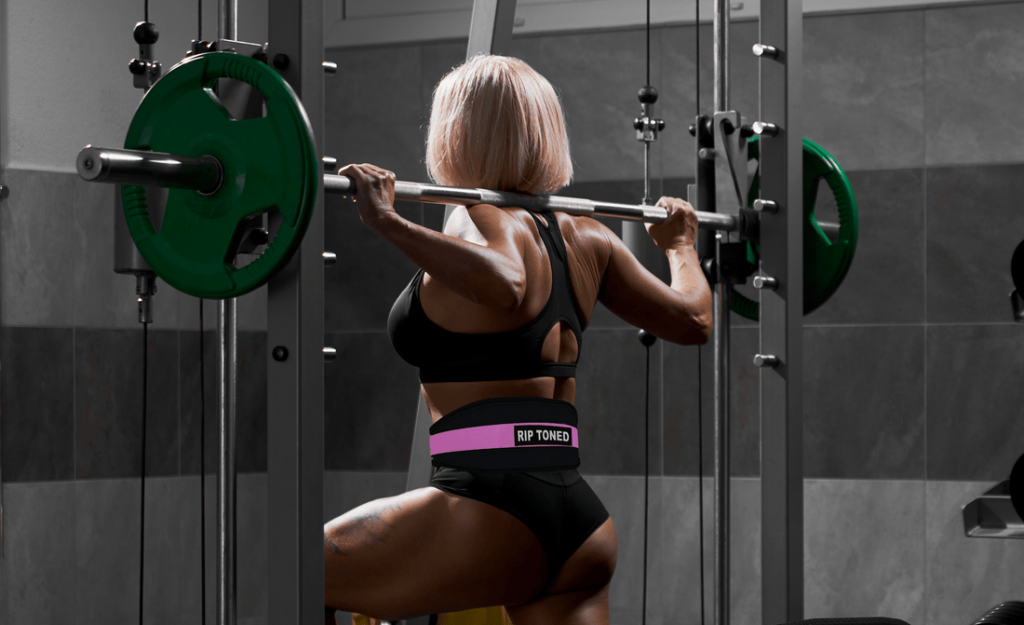
Imagine stepping into the gym, eager to push your limits and achieve those fitness goals. You’ve probably seen many fellow lifters strapping on weight lifting belts before they tackle a heavy set.
You might wonder, do these belts really help prevent back injury, or are they just a trendy accessory? It’s a question worth exploring, especially if you’re serious about your health and performance. Your safety in the gym is paramount, and understanding how to protect your back can make a world of difference in your workout routine.
Let’s delve into the science and myths surrounding weight lifting belts. By the end of this article, you’ll know whether adding a belt to your gym bag is a smart move for you. Stay with us as we uncover the truth behind these popular gym staples, and discover how they could impact your strength training journey.
Role Of Weight Lifting Belts
Weight lifting belts can support the lower back during heavy lifts. They help stabilize the spine, reducing the risk of injury. Proper use enhances core engagement while lifting.
The role of weight lifting belts is often debated among fitness enthusiasts. Are they essential for preventing back injuries, or merely a tool for boosting confidence? Understanding their purpose and functionality can help you make an informed decision about incorporating them into your workout routine.Purpose And Functionality
Weight lifting belts primarily serve as a support system for your core and lower back during heavy lifts. They help stabilize your spine and minimize the risk of injury by increasing intra-abdominal pressure. This pressure acts like a natural brace, supporting your spine as you lift. Have you ever felt your back strain under the weight during a squat or deadlift? A belt can provide that extra layer of security, allowing you to focus on your form. By supporting your core, a belt can help you lift heavier weights safely.Design And Materials
The design of weight lifting belts can vary, but most have a wide back with a narrower front. This design provides maximum support where it’s needed while allowing for mobility. Materials used in belts range from leather to nylon. Leather belts are popular for their durability and firm support, while nylon belts offer more flexibility and comfort. Which is best for you? Consider your lifting style and personal comfort. Leather belts offer robust support but can feel rigid. Nylon belts are more adaptable but might not provide the same level of support. Choosing the right belt means assessing your needs and preferences. Think about the types of lifts you perform and your comfort level with different materials. Remember, the right belt can be a valuable ally in your quest for strength and safety.
Credit: www.facebook.com
Types Of Weight Lifting Belts
Weight lifting belts come in different types, like leather and nylon. They offer support to the lower back, potentially reducing injury risk. Proper use and fitting are key to maximizing their protective benefits during heavy lifts.
Weight lifting belts are a staple in the gym for many athletes and fitness enthusiasts aiming to protect their back during heavy lifts. But with several types available, choosing the right belt can be confusing. Each style offers distinct benefits tailored to specific lifting needs. Understanding these differences can ensure you make the best choice for your workout routine and safety.Powerlifting Belts
Powerlifting belts are designed for serious lifters who prioritize maximum support during squats, deadlifts, and other compound movements. These belts are typically thicker and wider, providing an equal balance of support around the entire torso. Imagine having a sturdy brace that stabilizes your core, allowing you to lift heavier with confidence. You might have seen these belts used in competitions or by lifters pushing their limits. Their robust construction ensures that your spine remains aligned, minimizing the risk of injury.Bodybuilding Belts
Bodybuilding belts are more versatile and often used for a variety of exercises beyond just the heavy lifts. While they offer support, they are generally more flexible than powerlifting belts, making them suitable for movements that require more dynamic motion. If you’re focusing on building muscle with controlled form, these belts can be a great choice. They provide enough stability to protect your back without restricting your movement, making them ideal for a comprehensive workout session.Velcro Belts
Velcro belts are favored for their convenience and ease of use. They are lightweight and adjustable, allowing for quick changes in fit and comfort during workouts. These belts are perfect for those who value speed and flexibility in their training routine. Consider them as a practical option for gym-goers who shift between different exercises rapidly. However, while they are less bulky, they may not offer the same level of support as the thicker leather belts, so they might be better suited for lighter lifts. Choosing the right weight lifting belt can be a game-changer in your fitness journey. Which type do you think aligns best with your lifting style and goals?Mechanics Of Back Support
Weight lifting belts offer support by stabilizing the spine during heavy lifts. They help increase intra-abdominal pressure, which can reduce the risk of back injury. Proper usage is key for effective protection and support.
Understanding the mechanics of back support is crucial for anyone serious about lifting. Weight lifting belts are a popular accessory, but how exactly do they help prevent back injuries? Let’s break down the science behind their use and effectiveness.Intra-abdominal Pressure
When you wear a weight lifting belt, it increases intra-abdominal pressure. This pressure acts like an internal brace that supports your spine during heavy lifts. Think of it as a natural shield that helps stabilize your core. This stabilization minimizes the load on your lower back, reducing the risk of injury. Ever notice how professional lifters seem to breathe differently with a belt on? That’s because they’re taking advantage of this pressure. By pushing against the belt, they maximize support and maintain strength throughout the lift.Spinal Alignment
A weight lifting belt also aids in maintaining proper spinal alignment. It provides a tactile cue that reminds you to keep your back straight. This physical reminder is vital, especially when fatigue sets in and form starts to slip. A well-aligned spine distributes weight more evenly, preventing undue stress on any single area. Consider your own lifting routine. Are you consistently mindful of your back’s position? Using a belt can enhance awareness and discipline, ultimately safeguarding your back from potential harm. So, do weight lifting belts prevent back injuries? The answer isn’t a simple yes or no. It’s about using them correctly, with an understanding of how they support your body. Are you ready to lift smartly and safely?Benefits Of Using Belts
Weight lifting belts offer crucial support for the lower back during heavy lifts. They stabilize the spine and increase abdominal pressure, reducing the risk of injury. Proper usage ensures safety and enhances performance.
Weight lifting belts have become a staple in gyms. They offer support and protection for lifters. But their benefits extend beyond just preventing injuries. Belts can enhance performance and ensure safer lifting experiences. Let’s explore these benefits further.Performance Enhancement
Belts stabilize the core. This allows lifters to exert more force. When lifting heavier weights, this stability is crucial. The belt provides a firm foundation. This helps lifters maintain proper form. Better form leads to efficient lifts. Lifters can break through plateaus with added confidence. Some lifters see improved personal records. The belt acts as a tool for progress.Injury Prevention
Belts reduce the risk of back injury. They support the spine during lifts. When lifting heavy, the back is vulnerable. A belt adds an extra layer of protection. It encourages proper lifting technique. This reduces strain on the lower back. Lifters experience fewer injuries over time. Safety is crucial in weight training. Using a belt can make a big difference.Limitations And Risks
Weight lifting belts are often seen as essential gear for serious lifters. They promise support and protection, but it’s crucial to understand their limitations and risks. While they can enhance performance, they are not a magic solution for preventing back injuries.
Over-reliance
Using a weight lifting belt can create a false sense of security. You might think you’re invincible with it on, potentially leading you to lift weights you’re not ready for. This over-reliance can actually increase your risk of injury.
Instead of strengthening your core and back muscles, you might bypass necessary muscle development. This can lead to imbalances and weaknesses, making you more prone to injuries when not wearing the belt.
Have you ever found yourself avoiding core exercises because you always have your belt on? It’s vital to strike a balance. Use the belt when necessary but don’t skip on building foundational strength.
Improper Usage
Improper use of a weight lifting belt can do more harm than good. Wearing it too loosely renders it ineffective, while a belt that’s too tight can restrict your movement and breathing. This can compromise your lifting form and lead to other injuries.
It’s essential to learn the correct way to use the belt. Make sure it’s positioned correctly around your core and adjusted to provide the right level of support without hindering your performance.
Have you ever watched someone struggle to adjust their belt right before a lift? That struggle might indicate improper usage, which can lead to unnecessary risks. Educate yourself on proper techniques to maximize the benefits of using a weight lifting belt.

Credit: www.tuffwraps.com
When To Use A Weight Lifting Belt
Weight lifting belts can be a crucial tool for protecting your back during intense weightlifting sessions. However, knowing when to use them is essential for maximizing their benefits. While some lifters swear by them for every workout, others argue they should be reserved for specific situations. So, when should you buckle up?
Heavy Lifting Scenarios
Weight lifting belts are particularly beneficial during heavy lifting scenarios. If you’re attempting to lift at or near your maximum capacity, a belt can provide the extra support you need. This is especially true for compound movements like squats and deadlifts, where stabilizing your core is critical.
Consider a time when you pushed your limits during a deadlift. Did you feel your back straining more than usual? A belt can help reduce this strain, enhancing your form and reducing the risk of injury.
Specific Exercises
Certain exercises naturally put more stress on your back, making a belt useful. Movements that heavily involve the lower back, such as bent-over rows or overhead presses, can benefit from the additional support a belt provides.
Think about how you engage your core during these exercises. A belt can act as a physical reminder to brace your core, enhancing stability and control. Next time you feel a wobble during an overhead press, see if a belt makes a difference.
Ultimately, the decision to use a weight lifting belt is personal and should be based on your individual needs and goals. Are you lifting heavy enough to require extra support? Are your workouts focused on exercises that significantly engage the lower back? Answering these questions can help you decide when to strap on a belt for optimal safety and performance.
Alternatives To Weight Lifting Belts
Weight lifting belts have been a staple in gyms for years, but are they really the best solution for preventing back injury? While belts provide support, they can also limit your body’s natural ability to strengthen key muscles. Exploring alternatives can offer not just safety, but also enhance your lifting performance. Let’s dive into some effective strategies that can help you lift safely without relying on a belt.
Core Strengthening Exercises
Building a strong core is like setting a solid foundation for your lifting routine. A powerful core stabilizes your spine and helps distribute the weight evenly across your body. Exercises such as planks, dead bugs, and Russian twists are excellent for enhancing core strength. Try incorporating them into your workout regime.
Imagine the freedom of lifting without the need for external support because your body is naturally equipped to handle the stress. Consistent core workouts will prepare you for heavier lifts and reduce the risk of injury.
Proper Lifting Techniques
Technique is king when it comes to lifting safely. Improper form can lead to strains and injuries, even if you’re using a belt. Focus on perfecting your form by engaging the right muscles and maintaining a neutral spine.
Consider attending a workshop or watching instructional videos to grasp the nuances of proper lifting. Small adjustments like keeping your feet hip-width apart or maintaining an upright chest can make a huge difference.
How often do you think about your technique during a lift? Next time, pause and evaluate your form, ensuring you’re using your muscles correctly. This proactive approach will foster a safer lifting environment and boost your confidence in the gym.

Credit: ca.gymreapers.com
Expert Opinions And Studies
Expert opinions and studies suggest weight lifting belts may help reduce back strain during heavy lifting. They provide extra support and stability, potentially lowering the risk of injury.
When considering the use of weight lifting belts, many people wonder if these tools truly prevent back injuries. While some swear by their effectiveness, others remain skeptical. Understanding the expert opinions and studies surrounding weight lifting belts can guide your decisions in the gym and help ensure safety and performance.Research Findings
Scientific studies offer mixed results on the efficacy of weight lifting belts in preventing back injuries. Research indicates that belts can provide increased intra-abdominal pressure, which may stabilize the spine during heavy lifts. However, some studies suggest that dependency on belts might hinder the development of natural core strength. As a lifter, balancing the benefits and drawbacks requires careful consideration of your personal fitness goals.Professional Advice
Fitness professionals often recommend belts for specific lifts, like squats or deadlifts, especially at higher weights. They argue that belts can help maintain proper form and reduce injury risk. However, many experts advise against using belts for lighter weights or routine workouts. Developing strong core muscles without reliance on belts can be more beneficial in the long run. Do you rely on a belt, or do you focus on building core strength naturally? Your approach could influence your overall fitness progress.Choosing The Right Belt
Weight lifting belts offer extra support during heavy lifts. They stabilize the spine and core, reducing strain on the back. Proper use can help prevent injuries, but they’re not a substitute for good lifting technique.
Choosing the right weight lifting belt is crucial for preventing back injuries. A well-selected belt offers support and increases confidence during heavy lifts. It’s important to ensure the belt is suited to your individual needs.Fit And Comfort
The belt must fit snugly around your waist. It should not be too tight or too loose. A proper fit enhances support and prevents unnecessary movement. When trying a belt, consider wearing it during different exercises. Ensure it does not pinch or cause discomfort. Comfort is key for long-term use and effectiveness.Material Considerations
Weight lifting belts come in various materials. Leather belts are durable and offer strong support. They are ideal for heavy lifting. Nylon belts are lighter and more flexible. They suit those who prefer less rigidity. Choose a material that matches your lifting style and comfort preference. Durability and ease of maintenance are also important factors.Frequently Asked Questions
Do Weight Lifting Belts Really Prevent Injuries?
Weight lifting belts can help prevent injuries by stabilizing the spine. They provide additional support during heavy lifts, reducing strain on the back. However, proper technique and training are crucial for injury prevention. Belts are not a substitute for good form and strength conditioning.
Should Beginners Use Weight Lifting Belts?
Beginners should focus on developing proper lifting techniques before using belts. Belts can be beneficial for heavy lifts, but foundational strength is key. Relying on belts too early may hinder natural core development. Consider using belts when lifting maximal weights after mastering basic form.
How Do Weight Lifting Belts Work?
Weight lifting belts work by increasing intra-abdominal pressure. This pressure supports the spine, reducing the risk of injury during heavy lifting. Belts help stabilize the core, allowing lifters to lift heavier weights safely. They provide a physical cue for maintaining a strong posture.
Are Weight Lifting Belts Necessary For All Exercises?
Weight lifting belts are not necessary for all exercises. They’re most beneficial for heavy compound lifts like squats and deadlifts. For lighter exercises or those focusing on core strength, belts may not be needed. Relying on them too often can inhibit natural core development.
Conclusion
Weight lifting belts offer support during heavy lifts. They help stabilize the spine. This support can reduce the risk of back injuries. But, they should not replace proper form and technique. Relying only on belts might lead to overconfidence. It’s essential to strengthen core muscles too.
Strong core muscles can better protect your back. Remember, balance is key. Use belts wisely as part of a broader training plan. Listen to your body and seek expert advice if unsure. This approach ensures you lift safely and effectively.