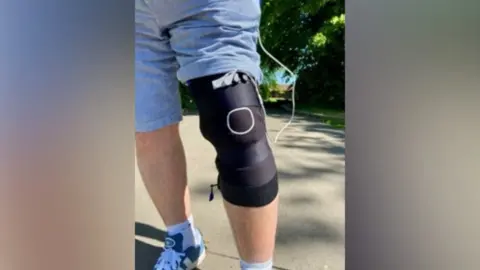
Have you ever wondered if knee sleeves could be the secret weapon in your fitness arsenal to prevent injuries? You’re not alone.
Whether you’re an avid runner, a dedicated weightlifter, or someone who just loves staying active, the fear of knee injuries can be a constant nag in the back of your mind. Imagine being able to push your limits without the worry of pain holding you back.
Knee sleeves promise support and stability, but do they really protect you from injury, or are they just another accessory? As you read on, you’ll discover the truth behind knee sleeves and their role in injury prevention. This knowledge could be the key to taking your fitness journey to the next level. Don’t miss out on finding out how something as simple as a knee sleeve might just be the game changer you’ve been looking for.

Credit: www.cnn.com
Knee Sleeves: Purpose And Function
Knee sleeves offer support and warmth to joints during physical activities. They help improve blood flow and reduce pain. While they can offer stability, knee sleeves do not directly prevent injuries.
Knee sleeves are popular among athletes and fitness enthusiasts. They offer support and protection during physical activities. Many wonder about their actual purpose and function. Do they prevent injuries? Understanding their design and benefits helps answer this question.Material And Design
Knee sleeves are made from neoprene or similar fabrics. These materials are flexible and durable. They fit snugly around the knee, providing warmth and support. The design varies to suit different needs. Some are thicker for extra protection. Others are thinner for more freedom of movement. Choose based on your activity level and comfort preference.Compression Benefits
Compression is a key feature of knee sleeves. It improves blood flow to the knee area. This reduces swelling and helps in recovery. Compression also provides stability to the joint. It prevents excessive movement that can lead to injury. Athletes find this support crucial during intense workouts. It helps them perform better and feel safer.Common Knee Injuries
Knee injuries are common among athletes and active individuals. They can result from accidents, repetitive stress, or sudden impacts. Understanding these injuries helps in prevention and management.
Types Of Knee Injuries
Knee injuries vary in type and severity. Here are some common types:
- Sprains:Ligament damage often due to twisting or overstretching.
- Strains:Muscle or tendon injuries from overuse or sudden movements.
- Tendonitis:Inflammation of tendons from repetitive activities.
- Meniscus Tears:Cartilage damage from forceful twisting.
- Fractures:Bone breaks from high-impact trauma.
Causes And Risk Factors
Several factors contribute to knee injuries. Poor technique, lack of conditioning, and improper equipment increase risk. Sudden changes in activity level can also lead to injuries.
Age and previous injuries make knees more vulnerable. Genetic factors and structural abnormalities may predispose individuals to knee problems. Ensuring proper form and strength can mitigate these risks.
Scientific Studies On Knee Sleeves
Knee sleeves have become increasingly popular among athletes and fitness enthusiasts. The question on many minds is whether these stretchy supports truly prevent injury. Diving into scientific studies on knee sleeves can offer some clarity, shedding light on their effectiveness and possible benefits.
Research Findings
Recent studies have explored the biomechanics of knee sleeves, examining how they influence joint stability and movement. Researchers have found that knee sleeves can enhance proprioception, which is your body’s ability to sense movement and position. This improvement may help you maintain better control during physical activities, potentially reducing the risk of injury.
One study revealed that knee sleeves might decrease the risk of minor injuries by providing additional warmth and compression. This is particularly beneficial during high-intensity workouts or sports, where the knees undergo significant stress. However, it’s important to note that while knee sleeves can support, they aren’t a magical shield against all injuries.
Expert Opinions
Experts in sports medicine and orthopedics often emphasize the importance of using knee sleeves as part of a broader injury prevention strategy. Dr. Smith, a renowned sports physiologist, suggests that knee sleeves can be an excellent tool for individuals with previous knee injuries. They offer psychological comfort, allowing athletes to perform with confidence.
However, not all experts agree on the effectiveness of knee sleeves in preventing serious injuries. Some argue that they should not replace proper training and conditioning. It’s crucial to consider the specific demands of your sport or workout regimen. So, do knee sleeves work for everyone? The answer might depend on your unique needs and goals.
Have you ever worn knee sleeves during your workout? Did you notice any difference in performance or comfort? Share your experiences and insights, contributing to this ongoing discussion on injury prevention and fitness optimization.

Credit: www.cnn.com
Knee Sleeves In Sports
Knee sleeves have become a staple in sports, offering athletes both support and confidence. While they are not a magic solution, their benefits are widely recognized across various disciplines. From weightlifting to running, knee sleeves have found their place in many athletes’ gear bags.
Athletes’ Experiences
Athletes across the globe swear by the comfort and stability knee sleeves offer. Take, for example, Sarah, a seasoned marathon runner who once faced recurring knee pain. She discovered that wearing knee sleeves reduced discomfort and allowed her to train longer without the usual strain.
But, it’s not just anecdotal evidence. Many athletes report a psychological boost when they wear knee sleeves. They feel more prepared and less anxious about potential injuries, which can often be half the battle in competitive sports.
Performance Enhancement
Knee sleeves are also touted for their role in performance enhancement. By maintaining warmth in the knee joint, they help keep muscles ready for action. This can be particularly beneficial in colder climates or during long-duration sports events.
Moreover, knee sleeves provide compression, which may aid in faster recovery. This means you might find yourself less sore and more ready to tackle your next workout. However, it’s crucial to remember that while knee sleeves offer support, they should complement a robust training and recovery plan.
So, should you incorporate knee sleeves into your sports routine? Consider your specific needs and goals. Have you experienced any knee discomfort in the past? Are you looking for that extra bit of confidence during your performance? These questions can guide your decision.
Comparing Knee Sleeves To Other Supports
Knee sleeves offer compression to improve blood flow and reduce swelling, aiding in injury prevention. Unlike braces, they provide support without restricting movement, making them ideal for active individuals seeking comfort and protection during exercise.
When considering injury prevention, particularly for your knees, you’ll often find yourself faced with a variety of support options. Knee sleeves are a popular choice, but how do they stack up against other types of supports? Understanding the differences can help you make an informed decision that best suits your needs and lifestyle.Braces Vs. Sleeves
Knee braces and sleeves serve different purposes, though they might seem similar at first glance. Braces are typically more rigid and offer a higher level of support. They’re often prescribed for existing injuries or post-surgery recovery to limit movement and allow healing. On the other hand, knee sleeves are more flexible and are designed to provide compression. This can enhance blood flow and reduce swelling during physical activity. If you’re looking for something to support your knee during workouts or to prevent potential injuries, sleeves might be a more comfortable and convenient option.Tape And Other Alternatives
Kinesiology tape is another alternative that some athletes swear by for its ability to support muscles and joints. While it’s versatile and can be applied in various ways to target specific areas, it requires some skill to apply correctly. Misapplication can lead to ineffective support or even exacerbate issues. Other alternatives include knee pads, which offer cushioning and protection against impact. They’re particularly useful in sports like volleyball or basketball where falls and knocks are common. However, knee pads don’t provide the compression benefits that sleeves do, which can be crucial for maintaining muscle warmth and circulation. When choosing a support option, consider your activity level, the nature of your sport, and any existing knee issues. What do you prioritize more—support, flexibility, or impact protection? Each option has its strengths, and understanding these can guide you to the right choice for your unique situation.
Credit: www.cnn.com
Proper Usage Of Knee Sleeves
Knee sleeves provide support and stability to the knee joint. They are popular among athletes and fitness enthusiasts. Wearing knee sleeves correctly can help reduce the risk of injury. Understanding their proper usage is essential for maximizing benefits.
When To Wear Knee Sleeves
Knee sleeves are ideal during activities that put stress on the knees. Weightlifting, running, and jumping can benefit from their support. People recovering from minor injuries also use them for added protection. Wearing them during workouts can improve performance and comfort.
Correct Fit And Maintenance
Knee sleeves must fit snugly but not restrict movement. A tight fit ensures adequate compression and support. Checking the size guide before purchasing is crucial. Regular washing keeps them clean and odor-free. Follow manufacturer instructions to maintain their elasticity and effectiveness. Proper care extends their lifespan and maintains performance.
Limitations Of Knee Sleeves
Knee sleeves are popular in sports for added support. Athletes use them to enhance performance and reduce discomfort. Yet, they have limitations that users should know. Understanding these can help make better choices about their use.
Potential Drawbacks
Knee sleeves can give a false sense of security. They may not offer protection against severe injuries. Over-reliance might lead to neglecting proper techniques. Incorrect use can result in more harm than good. Some experience discomfort from tight compression.
Misconceptions
Many believe knee sleeves prevent all injuries. This is not true. They do not replace proper training and warm-ups. Users might think they can lift heavier weights without risk. This misconception can lead to overexertion. Knee sleeves are not a cure-all solution. They assist but do not eliminate injury risks.
Choosing The Right Knee Sleeve
Choosing the right knee sleeve is crucial for both comfort and protection. With a myriad of options available, it’s easy to feel overwhelmed. Understanding the key features and popular brands will guide you towards the perfect fit for your needs.
Features To Consider
- Material:Look for breathable fabrics that wick away moisture to keep your knees dry and comfortable.
- Compression Level:Decide if you need mild, moderate, or firm compression based on your activity level and injury prevention needs.
- Size and Fit:Measure your knee circumference accurately and consult sizing charts to ensure a snug yet comfortable fit.
- Durability:Opt for high-quality materials that withstand wear and tear, especially if you plan on using them frequently.
- Design:Consider whether you need a sleeve with additional support features, such as straps or padding.
Popular Brands And Models
Several brands have built a reputation for manufacturing reliable knee sleeves. Some of the top contenders include:
- Rehband:Known for their durable and versatile sleeves, popular among athletes for providing excellent support during weightlifting.
- McDavid:Offers a range of sleeves with varying compression levels, catering to different sports and activities.
- SBD:A favorite among powerlifters for their firm compression and robust design, perfect for heavy lifting.
- Tommy Kono:These sleeves are favored for their neoprene construction, providing warmth and flexibility during movement.
Is it worth investing in a premium brand, or can you find a budget-friendly option that meets your needs? Weighing the pros and cons of these popular brands can help you make an informed decision. Remember, the right knee sleeve can be an invaluable part of your injury prevention strategy.
Frequently Asked Questions
Do Knee Sleeves Actually Prevent Injuries?
Knee sleeves provide compression and support, which can enhance stability during activities. They may help reduce the risk of injury by maintaining proper joint alignment and warmth. However, they cannot guarantee injury prevention, especially if used improperly or without addressing underlying issues like poor form or muscle imbalances.
Are Knee Sleeves Suitable For All Sports?
Knee sleeves are versatile and can be used in various sports, including weightlifting, running, and basketball. They offer joint support and improve proprioception. While beneficial, their effectiveness depends on the type of sport and individual needs, so consulting a professional for guidance is advisable.
How Do Knee Sleeves Enhance Performance?
Knee sleeves enhance performance by improving circulation and reducing muscle vibrations. This leads to better proprioception and joint stability. By providing warmth and compression, they can help athletes maintain focus and confidence, potentially leading to improved performance in activities requiring knee movement.
Can Knee Sleeves Help With Recovery?
Knee sleeves can aid recovery by providing compression, which reduces swelling and promotes blood flow. This enhances healing and minimizes soreness. While they support recovery, they should be complemented with proper rest and rehabilitation exercises for optimal results.
Conclusion
Knee sleeves offer support and warmth to the knees. They enhance blood flow, aiding recovery. While they can’t fully prevent injuries, they reduce strain. Athletes find them helpful during workouts and sports. Choosing the right size is crucial for effectiveness.
Combine them with proper exercise techniques for best results. Listen to your body and avoid pushing limits. Always consult a professional for persistent pain. Knee sleeves are a valuable tool, but not a complete solution. Stay informed and make smart decisions for your knee health.
Your knees will thank you.