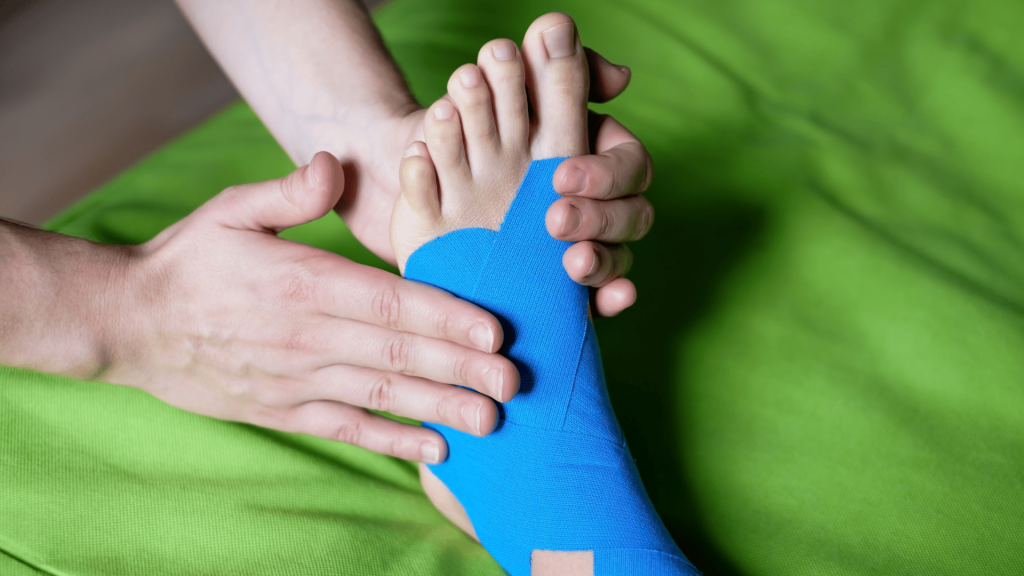
Have you ever wondered why athletes often have colorful strips of tape adorning their bodies? It’s not just a fashion statement—taping is a powerful tool in injury prevention.
If you’ve experienced the frustration of an injury sidelining your progress, understanding how taping works could be your game-changer. Imagine being able to move with confidence, knowing you have that extra layer of protection. This article is your ticket to unlocking the secrets behind taping and how it can keep you active, healthy, and injury-free.
Dive in to discover how those simple strips can make a world of difference for your body and your performance.
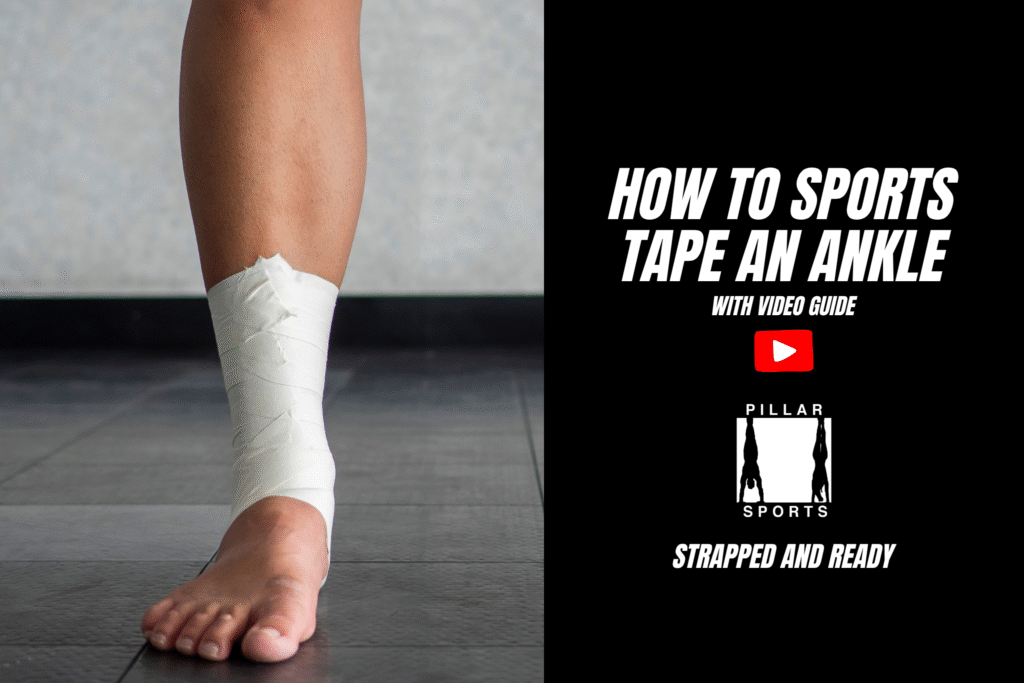
Credit: pillarsports.com
Role Of Taping In Injury Prevention
Taping plays a significant role in preventing injuries. It offers support and stability to muscles and joints during physical activities. Athletes and sports enthusiasts rely on taping to minimize the risk of strains and sprains. This simple technique can be a crucial part of an injury prevention strategy.
Understanding The Basics Of Taping
Taping involves applying adhesive strips to the skin. These strips help stabilize affected areas. They can limit excessive movement. This reduces the chances of injury. The technique requires some skill but is easy to learn.
Types Of Tapes Used
There are different types of tapes available. Elastic tapes provide flexibility and support. Rigid tapes offer firm restraint. Choosing the right tape depends on the injury risk. Each tape serves a unique purpose in injury prevention.
Benefits Of Taping
Taping can improve proprioception, which is the body’s sense of movement and position. It helps in maintaining balance during activities. Tapes can also reduce muscle fatigue. They provide compression, improving blood circulation.
Proper Application Techniques
Correct application is essential for effective taping. Clean and dry the skin before applying. Start with a base layer for comfort. Ensure the tape is snug but not too tight. Seek guidance from professionals for complex taping needs.
Taping For Specific Sports
Different sports have unique taping requirements. Basketball players might tape ankles for support. Gymnasts may tape wrists for stability. Tailoring the taping technique to the sport can enhance safety.
Types Of Taping Techniques
Elastic taping supports muscles, reducing strain during movement. Rigid taping stabilizes joints, preventing excess motion. Both techniques enhance proprioception, alerting the body to potential risks.
Taping techniques are essential tools in the prevention of injuries for athletes and fitness enthusiasts alike. These methods not only offer support and stability to vulnerable joints and muscles but also aid in enhancing performance and speeding up recovery. Have you ever wondered how different taping techniques can be used effectively? Let’s dive into three popular types that you might consider for your next workout or sporting event.Athletic Taping
Athletic taping is one of the most traditional methods, commonly seen in sports like football, basketball, and soccer. It involves using rigid tape to support joints and muscles, preventing excessive movement that could lead to injury. Imagine the confidence boost knowing your ankle is securely strapped before a big game. The key is to apply the tape in a way that mimics the natural movement of the joint. Do you remember that time when a simple tape job helped you finish that marathon without a hitch? That’s the power of athletic taping. It’s all about the balance between support and mobility, allowing you to perform at your best while minimizing the risk of strains or sprains.Kinesiology Taping
Kinesiology taping has gained popularity for its unique approach to injury prevention and recovery. Unlike athletic taping, kinesiology tape is elastic and can stretch with the skin and muscles. This flexibility offers support without restricting movement, making it ideal for dynamic activities. Imagine wearing a tape that feels like a second skin, providing gentle support while you tackle those challenging yoga poses or high-intensity interval training. It’s not just about physical support; kinesiology taping can also enhance proprioception, helping you become more aware of your body’s movement patterns. Have you ever tried kinesiology taping during a workout and noticed a difference in how your muscles felt? This technique is often used to alleviate pain and improve circulation, making it a versatile choice for both injury prevention and recovery.Rigid Strapping
Rigid strapping is the go-to technique for immobilizing a joint or muscle group to prevent further injury or promote healing. It’s commonly used in sports medicine to stabilize areas like the knee or shoulder after an injury. Imagine having the peace of mind that comes with knowing your injured knee is securely strapped, allowing you to focus on recovery. This technique limits movement, providing a protective barrier against further damage. Have you ever wondered if rigid strapping could be the solution to managing that recurring injury? It’s all about giving your body the time it needs to heal while maintaining some level of activity. It’s a practical choice for those needing extra support during rehabilitation. By understanding these taping techniques, you can make informed decisions about which method might suit your needs best. Whether you’re gearing up for a competition or recovering from an injury, taping offers a versatile approach to staying active and healthy. Which technique will you try next to enhance your athletic performance?Mechanisms Of Action
Taping supports muscles and joints, reducing strain during movement. It improves body awareness, helping prevent injuries. Enhanced circulation from taping aids in quicker recovery and better performance.
Injury prevention is crucial for athletes and fitness enthusiasts alike. Taping is a popular technique used to prevent injuries, but how exactly does it work? The mechanisms of action behind taping are fascinating and offer practical benefits. From providing support and stability to enhancing circulation, taping can be an effective tool in your injury prevention arsenal. Let’s delve into these mechanisms to understand how taping could be beneficial for you.Support And Stability
Taping offers support and stability to joints and muscles that are prone to injury. It acts like a brace, keeping everything in the right position while you move. This is especially helpful when engaging in high-impact sports or activities. Imagine running a marathon with your ankle feeling secure and supported. You’re likely to perform better and with more confidence.Proprioceptive Feedback
One of the lesser-known benefits of taping is the proprioceptive feedback it provides. This is the body’s way of understanding where it is in space. When you tape a joint, your brain receives constant feedback about its position. This makes you more aware of your movements, helping you correct your form and reduce the likelihood of injury.Circulation Enhancement
Did you know taping can improve circulation? By applying gentle pressure, taping can enhance blood flow to the taped area. This increased circulation helps reduce swelling and promotes faster recovery. If you’ve ever sprained an ankle, you know how crucial quick recovery can be. Taping can be your ally in getting back on your feet sooner. Have you considered trying taping to prevent injuries? Understanding these mechanisms can empower you to make informed decisions about your health. Give it a shot, and you might find it’s the missing piece in your fitness puzzle.Common Areas For Taping
Taping is a technique used to support muscles and joints. It helps prevent injuries and provides stability during physical activities. Taping is popular among athletes and those recovering from injuries. It is a simple yet effective method to protect vulnerable areas of the body. This section explores common areas where taping is applied for injury prevention.
Ankles And Feet
The ankles and feet are prone to sprains and strains. Taping provides support and reduces movement. This can prevent further injury during sports. It also helps stabilize the foot in its natural position. Proper taping can aid in faster recovery and reduce pain.
Knees And Thighs
Knees and thighs endure a lot of stress during exercise. Taping offers extra support to these muscles and joints. It helps in reducing muscle fatigue. Taping can also assist in proper alignment. This reduces the risk of injuries like strains or tears.
Shoulders And Wrists
Shoulders and wrists are essential for many activities. Taping them can prevent overuse injuries. It provides stability and support for these joints. This is especially useful for athletes involved in throwing or lifting. Taping can help maintain correct posture and reduce pain.
Benefits For Athletes
Taping supports muscles and joints, reducing strain during movement. It enhances proprioception, helping athletes sense their body’s position. This prevents injuries by stabilizing weak areas and guiding proper motion.
The benefits of taping for athletes extend beyond just a temporary fix. It serves as a proactive approach to maintaining peak physical condition while minimizing the risk of injury. This simple yet effective method of support can be a game-changer in an athlete’s routine, offering multiple advantages that cater to both physical and mental aspects of performance.Injury Prevention
Taping acts as a stabilizer, providing crucial support to muscles and joints. This helps in minimizing the chances of sprains, strains, and other common sports injuries. For athletes, especially those participating in high-impact sports, this added layer of protection can make a significant difference in avoiding setbacks. When I started taping my ankles during basketball games, I noticed fewer incidents of twisting or rolling. This simple adjustment allowed me to focus more on my game rather than worrying about potential injuries.Performance Enhancement
Athletes often find that taping offers more than just physical support—it enhances their overall performance. It can improve proprioception, which is your body’s ability to sense movement and position. This heightened awareness can lead to better coordination and agility on the field or court. Imagine running a marathon with the confidence that your knees have the extra support they need to endure the long miles. Taping can provide that assurance, allowing you to push your limits safely.Recovery Support
Taping is not only for preventing injuries but also plays a vital role in the recovery process. It can help reduce swelling and pain by improving blood circulation to the affected area. This can speed up healing, allowing athletes to return to their sport sooner. After a knee injury, I incorporated taping into my recovery routine. The support helped manage discomfort and swelling, making physical therapy sessions more effective. Have you considered how taping might enhance your athletic journey? Whether you’re aiming for peak performance or a swift recovery, taping could be the simple yet powerful tool you’ve been missing.
Credit: kinesiologysportstape.com
Expert Opinions
Taping stabilizes joints, offering support to muscles and reducing strain. Experts suggest it limits excessive movement, helping prevent sprains and tears. Its application is crucial in sports, enhancing performance while minimizing injury risks.
Understanding how taping can prevent injuries is a fascinating topic that draws insights from various experts in the field. Each professional brings a unique perspective on the effectiveness of taping, making it an essential tool for athletes and individuals alike. Let’s dive into the insights shared by physiotherapists, athletic trainers, and sports scientists.Insights From Physiotherapists
Physiotherapists often highlight the role of taping in providing support and stability to injured areas. They emphasize how taping can restrict harmful movements while allowing safe mobility. A physiotherapist might recount a patient who experienced reduced pain and swelling due to proper taping techniques. They often suggest that beyond just physical support, taping can offer psychological reassurance, boosting confidence to engage in activities.Athletic Trainers’ Perspectives
Athletic trainers frequently discuss taping as a proactive measure to prevent injuries. They focus on how taping can prepare an athlete’s body for the stresses of intense physical activity. Consider a scenario where an athlete credits taping for their ability to perform without fear of aggravating an old injury. Trainers often use taping as part of a comprehensive injury prevention strategy, which includes strength training and flexibility exercises.Sports Scientists’ Views
Sports scientists provide a research-based perspective on taping, analyzing its biomechanical impact. They delve into how taping can alter movement patterns to reduce strain on vulnerable areas. In their studies, you might find data showing a reduction in injury rates among athletes who consistently use taping. They often raise questions about optimizing taping techniques for different sports, encouraging ongoing research and innovation. Engaging with these expert opinions highlights the multifaceted approach to using taping as a preventive measure. How might you integrate these insights into your routine or training? Each perspective offers actionable advice, empowering you to make informed decisions about injury prevention.Limitations And Considerations
Taping offers support but can’t prevent all injuries. It may limit movement and cause skin irritation. Proper technique and understanding are crucial for effectiveness.
Taping is a popular technique used to prevent injuries, offering support and stability to joints and muscles. However, it’s essential to acknowledge its limitations and considerations. Taping is not a one-size-fits-all solution, and understanding its potential risks and proper application techniques can make all the difference in its effectiveness.Potential Risks
While taping can be beneficial, it may pose risks if not used correctly. Over-reliance on taping might weaken muscles, as they become dependent on external support. Have you ever felt your muscles losing strength after prolonged use of tape? This can happen when tape restricts your natural range of motion too much. Another risk involves skin irritation. Some individuals might experience allergic reactions to the adhesive used in tapes. It’s crucial to test a small patch before full application. Imagine you’re all set for a game, only to find your skin red and itchy—definitely not ideal!Situational Effectiveness
Taping’s effectiveness can vary depending on the situation. It might be highly effective for acute injuries, providing immediate support. But is it equally effective for chronic conditions? Not always. Chronic conditions might require comprehensive treatment plans beyond taping. Consider the sport you’re engaged in. Taping can be a game-changer in sports requiring quick movements, like basketball or tennis. But for activities demanding flexibility, like yoga, it might restrict your flow more than help.Proper Application Techniques
Proper application is key to maximizing the benefits of taping. How do you ensure the tape provides the right amount of support? Start with clean, dry skin to help the tape adhere better. Applying the tape too tightly can hinder circulation, so find a balance that offers support without cutting off blood flow. Have you ever tried taping yourself only to realize it’s not as straightforward as it looks? Consider seeking guidance from a professional. Physical therapists can offer insights on taping techniques tailored to your specific needs. This ensures you’re not just applying tape but doing so in a way that optimizes your performance and protection. Taping can be a valuable tool in injury prevention, but it’s essential to recognize its limitations and consider these factors for effective use. What other methods have you found effective in preventing injuries? Share your experiences and let’s learn together.
Credit: kinesiologysportstape.com
Frequently Asked Questions
How Does Taping Support Joints?
Taping supports joints by providing stability and reducing movement. It helps prevent excessive motion that could lead to injury. Proper application of tape can decrease strain on ligaments, reducing the risk of sprains. By supporting the joint, taping enhances proprioception, improving balance and coordination during physical activities.
Can Taping Reduce Swelling?
Yes, taping can help reduce swelling by applying gentle compression. This compression aids in decreasing fluid accumulation in the injured area. By improving circulation, taping facilitates faster recovery. Additionally, taping can help minimize bruising and promote better healing by stabilizing the affected area and reducing inflammation.
Is Taping Effective For Muscle Pain?
Taping can be effective for muscle pain by providing support to affected areas. It helps reduce tension and improve alignment, easing discomfort. By enhancing blood flow, taping can aid in muscle recovery. It also offers psychological reassurance, allowing athletes to perform with confidence despite minor aches.
What Types Of Injuries Can Taping Prevent?
Taping can prevent various injuries, including sprains, strains, and tendonitis. It stabilizes joints and muscles, reducing the risk of overstretching. By providing targeted support, taping can help avoid repetitive stress injuries. It is especially beneficial for athletes and active individuals prone to these types of injuries.
Conclusion
Taping plays a key role in injury prevention. It provides support and stability. This helps reduce strain on muscles and joints. Athletes can move more confidently and safely. Proper taping techniques can prevent minor injuries from worsening. It’s important for both professionals and beginners.
Taping should complement other safety measures. Always consult with a professional for correct application. This ensures maximum benefit and protection. Remember, prevention is better than cure. Stay safe, stay active.