Cycling is a fantastic way to stay fit, explore new places, and enjoy the great outdoors. However, the thrill of the ride can quickly turn into a painful experience if you’re not careful.
Injuries can happen in the blink of an eye, and they can keep you off your bike for weeks or even months. But don’t worry—there are simple steps you can take to protect yourself and keep the fun rolling. Imagine feeling confident and secure every time you hop on your bike.
Picture yourself avoiding those painful spills and setbacks that can ruin your cycling adventures. By understanding how to prevent injuries, you can ride longer, stronger, and with more peace of mind. This article will guide you through the essential tips and tricks to ensure you’re safe every time you hit the road. Keep reading to discover how you can transform your cycling experience and enjoy every ride without the worry of injury.

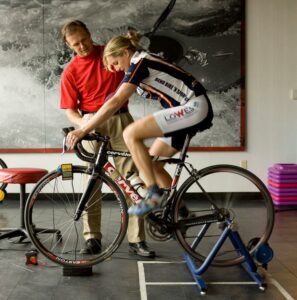
Credit: neuromuscularstrategies.com
Choose The Right Bike
Selecting a bike with proper fit is essential for injury prevention. Ensure handlebars and seat are adjusted correctly. Wearing protective gear like helmets and padded gloves adds safety on your cycling journey.
Cycling is an exhilarating activity that keeps you fit and connects you with nature. But choosing the right bike can significantly impact your safety and enjoyment. Whether you’re a seasoned cyclist or a beginner, selecting the perfect bike is essential to prevent injuries and ensure a comfortable ride.Fit And Size
Picking a bike that fits your body size is crucial. A mismatch can lead to discomfort and potential injuries. Ensure the bike’s frame suits your height and inseam. Consider the seat height—your legs should be slightly bent when pedaling. This setup can prevent knee strain and enhance pedaling efficiency. Don’t forget about the handlebars; they should allow a comfortable grip without straining your back. Proper fit ensures you ride longer without fatigue.Type Of Terrain
Your choice of bike should align with the terrain you plan to conquer. Are you hitting the mountain trails or cruising through city streets? Mountain bikes are great for rugged terrains, offering stability and control. Road bikes, on the other hand, are optimized for speed on smooth surfaces. Assessing your riding environment helps you select a bike that can handle the challenges, keeping you safe from unexpected tumbles.Essential Accessories
Accessories can make or break your cycling experience. Start with a sturdy helmet to protect your head in case of falls. Consider gloves to cushion your hands and enhance grip. Padded shorts can reduce saddle soreness, allowing you to ride longer comfortably. A water bottle holder and lights are also critical, ensuring hydration and visibility on long rides. What accessories have made your cycling safer and more enjoyable?
Credit: x.com
Wear Proper Gear
Wearing proper gear is crucial for cycling safety. Helmets protect your head from impacts. Gloves enhance grip and reduce hand strain.
Cycling can be a thrilling and healthy activity. But safety should always come first. Wearing proper gear is crucial to prevent injuries. This includes selecting the right helmet, protective clothing, gloves, and footwear. Each piece of gear serves a specific purpose in keeping you safe.Helmet Selection
A helmet is your best defense against head injuries. Choose a helmet that fits snugly yet comfortably. Look for one that meets safety standards. Check for certification labels inside the helmet. Ensure it has adjustable straps for a secure fit. A well-fitted helmet should sit level on your head. It should not tilt forward or backward. Replace your helmet if it’s damaged or after a crash.Protective Clothing
Wearing the right clothing can reduce road rash and bruises. Opt for bright, reflective clothing to increase visibility. Consider padded shorts for comfort on long rides. Breathable fabrics keep you cool and dry. In cooler weather, layer with moisture-wicking materials. Avoid loose clothing that can get caught in chains. Arm and knee pads provide extra protection.Gloves And Footwear
Gloves protect your hands from blisters and falls. Choose gloves with padding for added comfort. Full-finger gloves offer better protection than fingerless ones. Footwear is equally important for cycling safety. Wear shoes with stiff soles for efficient pedaling. Avoid sandals or shoes with open toes. Clipless shoes can improve control and power. Make sure your shoes fit well and feel comfortable.Warm-up And Stretch
Prevent cycling injuries by warming up and stretching. Prepare muscles with gentle movements before riding. Stretch major muscle groups, focusing on flexibility and balance.
Cycling is an exhilarating activity that offers both physical and mental benefits. However, without proper preparation, it can lead to unwanted injuries. One crucial aspect of injury prevention is the warm-up and stretch routine. By investing a few minutes before and after your ride, you can enhance your performance and safeguard your body.Pre-ride Warm-up
Before you hit the road, it’s essential to get your blood flowing and muscles activated. Start with gentle movements that mimic cycling, like arm circles and leg swings. This primes your body for the activity ahead, reducing the risk of strain. Incorporate dynamic stretches, like lunges and torso twists, to improve flexibility and balance. These movements not only prepare your muscles but also boost your confidence and readiness for the ride.Stretching Exercises
Once you’re warmed up, focus on stretching key muscle groups. Target areas like your calves, hamstrings, and quadriceps, which play a significant role in cycling. Holding each stretch for 15-30 seconds can enhance muscle elasticity and prevent stiffness. Think about incorporating stretches for your back and shoulders too. These areas often bear tension during rides, and stretching them can improve posture and comfort.Cool Down Routine
After your cycling session, a cool down routine is essential to gradually bring your heart rate back to normal. Begin with a few minutes of easy pedaling or walking. This helps in flushing out lactic acid buildup, easing muscle soreness. Follow this with static stretches to lengthen muscles and maintain flexibility. Reflect on your ride, appreciating the effort your body has made, and plan for your next adventure with renewed vigor. By dedicating time to warm-up and stretch, you not only prevent injuries but also elevate your cycling experience. How much more enjoyable would your rides be if you felt strong and limber from start to finish?
Credit: www.instagram.com
Mastering Riding Techniques
Proper gear choice is essential for injury prevention in cycling. Ensure your bike fits well to maintain control. Regularly maintain your bike to avoid unexpected issues.
Cycling can be an exhilarating experience, but mastering riding techniques is crucial to prevent injuries and enhance your performance. Understanding and implementing proper riding techniques can make your cycling sessions safer and more enjoyable. Let’s delve into some key skills you need to develop for a smooth and injury-free ride.Proper Posture
Maintaining the right posture on your bike is essential for both comfort and safety. Ensure your back is straight and your elbows are slightly bent. This position helps absorb shocks and reduces strain on your lower back. Adjust your saddle height so your knees are slightly bent when the pedal is at the lowest point. This not only maximizes your power but also prevents knee injuries. Remember, a relaxed grip on the handlebars can help you maneuver better and avoid wrist pain.Braking Techniques
Effective braking can be the difference between a smooth stop and a risky skid. Practice using both brakes simultaneously, with slightly more pressure on the front brake. This helps distribute the stopping force evenly and prevents your rear wheel from skidding. Anticipate your stops by braking early and smoothly, especially in wet conditions. Sudden braking can lead to loss of control, so ease into it. Do you recall a time when a sudden stop almost caused a fall? Learning to brake effectively can prevent such close calls.Cornering Skills
Cornering requires a blend of balance, speed, and intuition. Approach corners with a reduced speed to maintain control. Lean your body slightly into the turn while keeping your inside pedal up to avoid scraping the ground. Focus your eyes on where you want to go, not on obstacles. This helps your body instinctively follow the desired path. Practicing cornering in a safe environment can boost your confidence and skill. Have you ever felt the thrill of mastering a tight corner without wobbling? It’s not just about speed; it’s about control and precision. By focusing on these riding techniques, you can enhance your cycling experience, minimize the risk of injury, and enjoy the ride to its fullest.Stay Visible And Alert
Wearing bright clothing can enhance visibility, helping drivers spot you easily. Staying alert keeps you aware of road conditions, reducing the risk of unexpected accidents.
Cycling is thrilling and healthy, but safety is crucial. Staying visible and alert while riding helps prevent accidents. Cyclists must take steps to ensure they are seen by others and aware of their surroundings. This involves using lights, understanding traffic, and interacting with fellow riders.Use Of Lights And Reflectors
Cycling at night or in low-light conditions is risky without proper lighting. Use a bright front light to illuminate your path. Install a red rear light to alert drivers behind you. Reflectors on your bike and clothing increase visibility. Choose reflective tape or stickers for added safety. These simple tools make you noticeable to others, reducing the risk of collisions.Awareness Of Surroundings
Stay alert and scan your environment constantly. Watch for cars, pedestrians, and other cyclists. Listen for traffic sounds and signals. Avoid distractions like phones or music players. Anticipate the actions of others and prepare to react quickly. This vigilance keeps you safe and helps avoid unexpected obstacles.Communicating With Other Cyclists
Communication is key in group rides. Use hand signals to indicate turns or stops. Vocal warnings alert others to hazards. Keep a safe distance to prevent accidents. Make eye contact to ensure understanding. This cooperation enhances safety and creates a smooth riding experience for everyone.Regular Bike Maintenance
Regular bike maintenance is crucial for preventing injuries while cycling. Check brakes, tires, and chains regularly to ensure safety. Keeping your bike in top condition reduces the risk of accidents and injuries.
Regular bike maintenance is crucial for preventing injuries while cycling. It keeps your bike in optimal condition, ensuring a safe and smooth ride. By dedicating a little time to regular checks, you can avoid potential hazards on the road.Checking Tire Pressure
Maintaining the correct tire pressure is vital. Under-inflated tires can lead to poor handling and increased risk of flats. Over-inflated tires, on the other hand, can cause a bumpy ride and reduce traction. Use a tire pressure gauge to check your tire pressure before each ride. Refer to the sidewall of your tires for the recommended PSI range. Regularly maintaining the right pressure ensures better performance and reduces the likelihood of accidents.Brake Inspection
Your brakes are your primary safety feature. Faulty brakes can lead to serious accidents, especially in emergency situations. Regularly inspect your brake pads for wear and ensure they have enough padding left to function effectively. Test your brakes before every ride. Squeeze the brake levers and make sure they engage smoothly. If you notice any squeaking or reduced braking power, it might be time for an adjustment or replacement.Chain And Gear Maintenance
A well-maintained chain and gear system ensures efficient power transfer and a smooth ride. A dry or rusty chain can snap, causing accidents. Regularly clean and lubricate your chain to keep it in good condition. Check for any signs of wear or damage. Make sure your gears shift smoothly without skipping. A properly maintained drivetrain not only enhances performance but also prolongs the life of your bike. By taking these simple steps, you can significantly reduce the risk of injury while cycling. Your bike will not only perform better but also provide a safer riding experience. What part of your bike maintenance routine could use more attention?Nutrition And Hydration
Proper nutrition and hydration play a key role in preventing cycling injuries. Fuel your body with balanced meals and stay hydrated to maintain energy levels. This helps muscles recover faster and reduces the risk of cramps or fatigue.
Proper nutrition and hydration are the unsung heroes in preventing cycling injuries. They play a crucial role in keeping your energy levels high and muscles functioning optimally. Without the right fuel and fluid intake, your body can become fatigued, increasing the risk of injury.Pre-ride Nutrition
Eating the right foods before a ride is like filling your car with premium fuel. Aim for a balanced meal rich in carbohydrates and protein about 2 to 3 hours before hitting the road. A bowl of oatmeal with a banana or a turkey sandwich can provide the sustained energy you’ll need. If you’re short on time, a quick snack like a granola bar or yogurt 30 minutes before riding can give you a quick energy boost. Remember, what you eat directly impacts your performance and safety. Are you mindful of how your meal choices affect your cycling?Hydration Strategies
Hydration is more than just drinking water; it’s about timing and quantity. Start hydrating the day before your ride to ensure your body is well-prepared. During the ride, aim to drink about one bottle of water per hour. Consider adding electrolytes to your water to replenish the salts you lose through sweat. This can prevent muscle cramps and fatigue, helping you stay focused on the road. How often do you pause to check your hydration levels?Post-ride Recovery
Post-ride nutrition is essential for muscle recovery and injury prevention. Within 30 minutes of finishing your ride, consume a mix of carbohydrates and protein to repair muscles and restore glycogen levels. A protein shake or a chicken wrap can work wonders. Don’t forget to rehydrate with water or an electrolyte drink to replace lost fluids. Your body needs this recovery period to strengthen and prepare for your next cycling adventure. What’s your go-to recovery meal after a long ride? By focusing on what you eat and drink before, during, and after cycling, you can significantly reduce the risk of injury.Recognizing And Managing Fatigue
Recognizing and managing fatigue is essential to prevent cycling injuries. Regular breaks and hydration help maintain energy levels. Listen to your body and adjust your pace to avoid overexertion.
Cycling is a great way to stay fit and enjoy the outdoors. Yet, fatigue can lead to injuries, disrupting your cycling journey. Recognizing and managing fatigue is crucial for safety and performance. Understanding the balance between effort and rest keeps you on the road longer.Signs Of Overexertion
Recognizing overexertion early can prevent serious injuries. Look for signs like heavy breathing and dizziness. Muscle cramps and excessive sweating indicate strain. Feeling lightheaded or having blurred vision is a warning. These symptoms suggest your body needs a break. Ignoring them can lead to accidents or long-term damage.Rest And Recovery Tips
Adequate rest is vital for recovery. Ensure you get enough sleep every night. Short naps can refresh your body during the day. Hydration is essential; drink plenty of water. Stretching helps relax tense muscles. Incorporate protein-rich foods into your diet for muscle repair. Take rest days to allow full recovery.Listening To Your Body
Your body sends signals when it needs rest. Pay attention to aches and pains. Slow down if your muscles feel sore. Take breaks if you feel exhausted. Adjust your training intensity based on your energy levels. Trust your instincts and avoid pushing too hard. Cycling should be enjoyable, not painful.Frequently Asked Questions
What Gear Is Essential For Safe Cycling?
Wearing a helmet is crucial for head protection. Use padded gloves for grip and comfort. Reflective clothing enhances visibility, especially at night. Properly fitted shoes improve pedaling efficiency. Always carry a repair kit for emergencies.
How Can Stretching Prevent Cycling Injuries?
Stretching enhances flexibility and reduces muscle stiffness. It prepares muscles for physical activity, preventing strains and sprains. Regular stretching improves blood circulation and promotes faster recovery. A dynamic warm-up before cycling is recommended for optimal performance.
Why Is Bike Fitting Important For Injury Prevention?
Proper bike fitting ensures ergonomic posture and reduces strain on joints. A well-fitted bike enhances comfort and performance. It prevents common issues like back pain and numbness. Regular adjustments are necessary as your riding style evolves.
How Do Breaks Impact Cycling Safety?
Taking breaks prevents fatigue and improves concentration. Resting allows muscles to recover and reduces the risk of overuse injuries. Hydrate and refuel during breaks for sustained energy. Regular intervals maintain alertness and enhance overall safety.
Conclusion
Cycling safely requires care and attention. Always wear a well-fitted helmet. Check your bike regularly for any issues. Use reflective gear for better visibility. Stay aware of your surroundings. Keep a safe distance from other vehicles. Learn and follow traffic rules.
Stay hydrated to keep energy levels up. Warm up before cycling to prevent muscle strain. Listen to your body. Rest when you need to. By taking these steps, you can enjoy cycling and stay safe. Remember, safety first ensures a joyful ride every time.
Happy cycling!