Imagine you’re on the court, the sound of sneakers squeaking and the ball bouncing echoing around you. You’re ready to make that winning shot, but suddenly, a sharp pain shoots through your finger, and you’re sidelined.
Finger injuries in basketball are all too common, but they don’t have to be inevitable. Do you want to keep your fingers safe and stay in the game? You can. With the right techniques, you can prevent those painful injuries and keep playing at your best.
Dive into this guide and discover practical tips that will protect your fingers and enhance your performance. Keep reading, because your next game could be your best yet—pain-free!
Common Causes Of Finger Injuries
Finger injuries are a common concern for basketball players, often resulting from the intense and dynamic nature of the game. Understanding the common causes can empower you to take proactive measures in safeguarding your fingers. Let’s dive into the key movements and situations that pose a risk.
Frequent Basketball Movements
Basketball involves rapid dribbling, passing, and shooting, all of which can strain your fingers. The repetitive action of catching and handling the ball increases the likelihood of jamming or spraining. Think about the number of times you reach for a fast-moving ball during a game. Each attempt is a potential risk if your fingers aren’t positioned correctly. Consider how a slight miscalculation can result in a painful injury.
The aggressive nature of blocking shots and defending can also lead to finger injuries. When you stretch out to intercept a pass or block a shot, your fingers are often the first point of contact. This can lead to sprains or fractures if the impact is too forceful. Have you ever felt that sharp pain when your fingers collided with an opponent’s arm or the ball? It’s a situation many players face.
High-risk Situations
Jump balls and rebounds are notoriously risky moments in basketball. During these, multiple players reach for the ball simultaneously, leading to finger collisions. This chaotic scramble can easily result in fingers being bent or twisted awkwardly. Next time you’re in a game, notice how many players dive in for the ball during these plays.
Another risky scenario is when players dive for loose balls. The urgency and momentum can cause your fingers to hit the ground or another player’s body hard. This not only exposes your fingers to potential sprains but also abrasions and cuts. Have you ever found yourself diving with full force, only to end up nursing a sore finger?
Consider how these situations can be minimized. Would altering your technique or wearing protective gear reduce your risk? Understanding these high-risk movements and scenarios is crucial in developing a strategy to protect your fingers effectively.
Credit: www.temu.com
Proper Warm-up Techniques
Proper warm-up techniques are essential for preventing finger injuries in basketball. Without a warm-up, your fingers are more susceptible to strains and sprains. It’s not just about stretching; it’s about preparing your hands and fingers for the intense action they are about to encounter.
Effective Stretching Exercises
Stretching your fingers can significantly reduce injury risk. Begin with finger extensions by gently pulling each finger back. Hold for a few seconds. Repeat three times.
Follow this with finger flexion exercises. Curl your fingers into a fist and hold. Release and extend them fully. These simple routines can improve flexibility and strength.
Incorporate wrist stretches as well. Rotate your wrists in circles to loosen them up. This aids in maintaining mobility and can prevent strains during a game.
Ball Handling Drills
Ball handling drills are not just for improving your game skills; they also help in warming up your fingers and hands effectively. Start with simple dribbling, using fingertips to control the ball. It enhances finger agility.
Try figure-eight dribbling to challenge your coordination. This drill requires you to move the ball in a figure-eight pattern between your legs, using quick finger movements.
Consider partner passing drills. Work with a teammate to pass the ball back and forth quickly. This keeps your fingers active and engaged, preparing them for the game.
Strengthening Finger Muscles
Strengthening finger muscles helps prevent injuries in basketball by enhancing grip and flexibility. Simple exercises like squeezing a stress ball or using resistance bands can build finger strength and improve performance on the court. Regular practice reduces the risk of sprains and strains during games.
Strengthening Finger Muscles To prevent finger injuries in basketball, it’s crucial to focus on strengthening your finger muscles. Strong finger muscles not only improve grip but also enhance control over the ball, reducing the risk of sprains and fractures. As a basketball enthusiast, you might have experienced the frustration of a finger injury that kept you off the court. Imagine how different your game could be with fingers that are not just agile but robust.Resistance Band Exercises
Resistance bands are excellent tools for finger strengthening. They’re portable and versatile, making them perfect for both home workouts and pre-game warm-ups. Try wrapping a band around your fingers and gently stretching them outward. This simple exercise enhances your finger extensors and flexors. Another effective exercise involves placing the band between your fingers and pulling them apart. This movement targets individual finger muscles, increasing their strength and flexibility. Consider incorporating these exercises into your daily routine for noticeable improvements in your finger stability.Grip Strength Workouts
Grip strength is vital for controlling the basketball during dribbling and shooting. Strengthen your grip by using hand grippers, which provide resistance and can be adjusted to match your level. Squeeze the gripper and hold for a few seconds, then release. Another practical approach is the use of stress balls or tennis balls. Squeeze and release these balls frequently to build endurance in your finger muscles. These exercises are simple yet effective, and you can even do them while watching your favorite game or during breaks. Have you ever considered how the strength of your fingers impacts your overall performance on the court? Strong fingers not only help in handling the ball but also give you confidence in every pass and shot. By dedicating time to finger muscle strengthening, you’re investing in your game and your safety.Protective Gear And Equipment
Wearing padded basketball gloves helps prevent finger injuries by absorbing shock and reducing impact during play. Secure finger sleeves offer additional support, minimizing the risk of sprains and jams. Always choose gear that fits well to ensure maximum protection and comfort on the court.
Playing basketball is thrilling, but it can also lead to finger injuries if you’re not careful. One of the best ways to prevent these injuries is by using protective gear and equipment. This doesn’t just mean donning the usual basketball attire; it involves being strategic about how you safeguard your fingers. Let’s dive into some practical tips that can make a real difference.Choosing The Right Tape
Proper taping is crucial for finger protection. When you select tape, look for one that’s flexible yet strong. You want it to be able to hold your finger securely without restricting movement. Consider using athletic tape, as it’s designed for sports and provides excellent support. If you’ve ever felt the sting of a jammed finger, you know how important it is to reinforce those joints. Practice taping techniques until you find a comfortable fit that works for you.Finger Sleeves And Guards
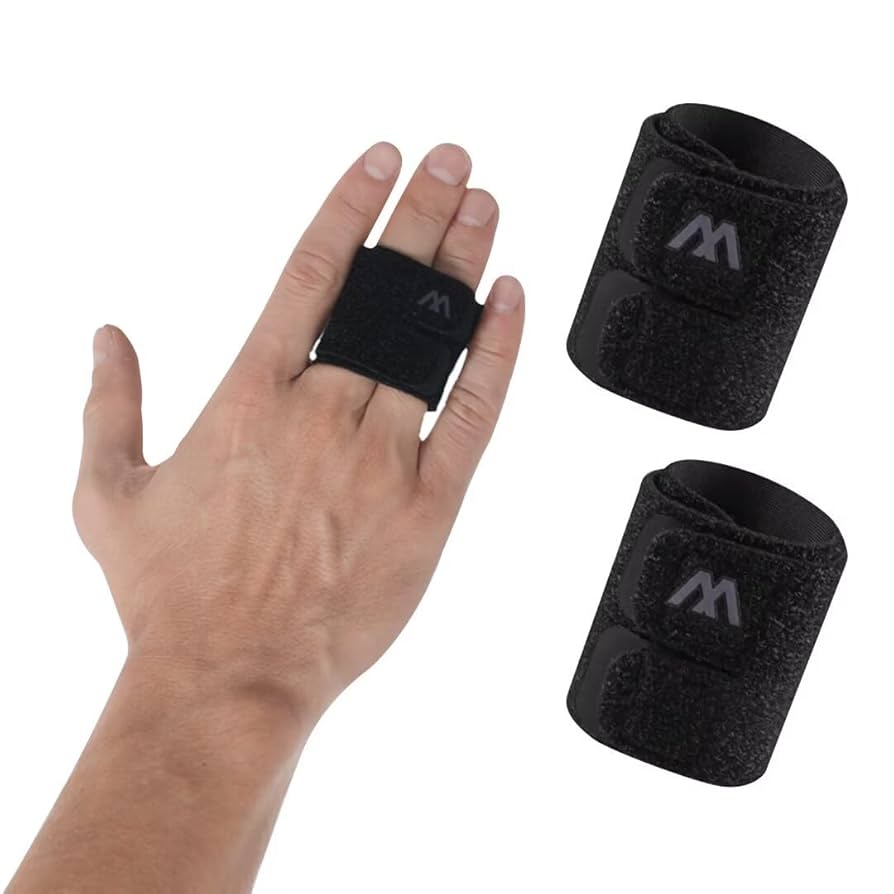
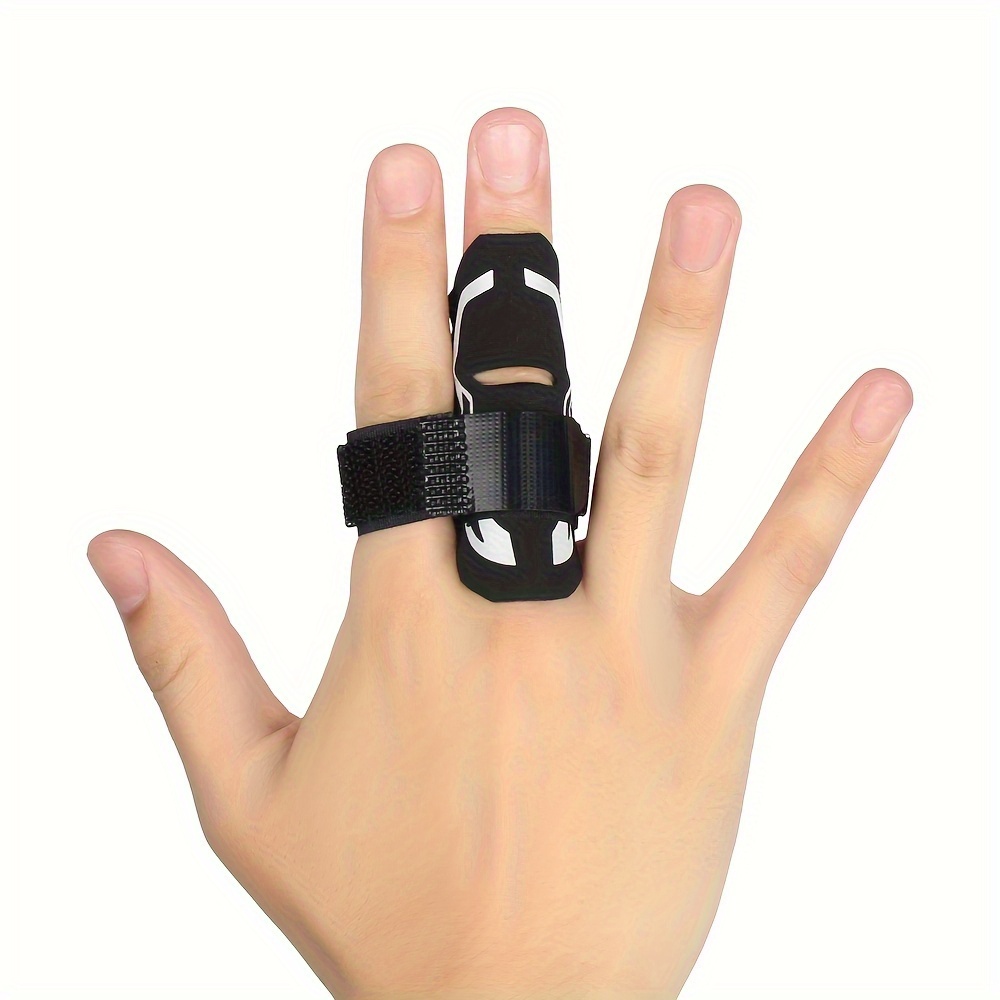
Finger sleeves and guards are excellent for absorbing impact. They come in various materials, including neoprene and gel, each offering different levels of protection and comfort. If you’re someone who frequently finds themselves diving for the ball or blocking shots, these can be a game changer. Think about your playing style. Are you aggressive on the court? If so, investing in durable sleeves can prevent painful bruises and sprains. They’re not just for injuries; they can enhance your grip on the ball too, providing a dual benefit. Protective gear doesn’t just save you from injuries—it allows you to play with confidence. What are you doing to keep your fingers safe during the game?Correct Ball Handling Techniques
Basketball is an exhilarating sport, but it comes with its risks, especially finger injuries. Correct ball handling techniques are crucial to prevent these injuries. By focusing on proper methods, you can enjoy the game while keeping your fingers safe.
Passing And Catching Tips
Passing and catching are fundamental aspects of basketball that require precision. Ensure your hands are ready and slightly cupped when receiving a pass. This reduces the impact and distributes the force evenly across your fingers.
Practice chest passes where the ball travels in a straight line. This reduces unexpected movements that can catch your fingers off guard. When passing, focus on using your fingertips for better control, which minimizes strain.
- Keep your eyes on the ball at all times to anticipate its trajectory.
- Communicate with your teammates to avoid surprise passes.
- Warm up your fingers with stretches before playing to enhance flexibility.
Dribbling Safety Practices
Dribbling is an essential skill, but incorrect techniques can lead to injuries. Use your fingertips rather than your palm to maintain control and reduce pressure on your fingers. Keep your dribbles low and close to your body to prevent mishaps.
Maintain a relaxed wrist to absorb the ball’s impact effectively. By avoiding stiff wrists, you decrease the risk of jamming your fingers. Regular practice with both hands can enhance your dribbling skills and reduce the likelihood of injury.
- Be aware of your surroundings to avoid collisions while dribbling.
- Practice dribbling in different directions to improve agility and control.
- Incorporate dribbling drills into your routine to build muscle memory.
Have you ever had a near-miss with a finger injury during a game? Reflecting on these experiences can help you identify areas for improvement. Remember, the key to enjoying basketball safely lies in mastering these handling techniques.

Credit: www.amazon.com
Training And Conditioning Programs
Prevent finger injuries in basketball with targeted training and conditioning programs. Focus on flexibility, strength, and proper technique. Regular exercises and warm-ups reduce the risk of injuries.
Training and conditioning programs play a crucial role in basketball. They help athletes build strength and prevent injuries. Finger injuries are common in basketball due to quick movements and ball handling. Implementing tailored workouts and routines can reduce these risks. Let’s explore effective ways to strengthen and protect your fingers.Customizing Workouts
Tailor workouts to your specific needs. Focus on finger strength and flexibility. Use resistance bands to improve grip strength. Simple exercises like squeezing a stress ball can be effective. Practice finger stretches before and after workouts. Incorporate these exercises regularly for best results.Injury Prevention Routines
Create a routine to prevent injuries. Start with a proper warm-up. Warm muscles are less prone to injury. Include finger-specific exercises in your regimen. Finger push-ups and wall presses can help. Wear protective gear like finger sleeves during practice. Always listen to your body and rest when needed.Immediate Response To Injuries
Proper warm-up and hand exercises can strengthen finger muscles. Protective gear like finger sleeves reduces the risk of injury during play.
Immediate finger injuries in basketball need quick attention. This ensures minimal damage and faster recovery. Acting promptly can prevent complications and reduce pain. Let’s explore the steps to handle these injuries effectively.Initial Treatment Steps
Begin by stopping play immediately. This prevents further injury. Assess the finger’s condition. Is it bent or swollen? If so, immobilize it. Use a splint or tape. This helps maintain proper alignment. Apply ice to reduce swelling. Wrap ice in a cloth to protect skin. Elevate the hand above heart level. This also reduces swelling. Use compression if needed. Wrap a bandage around the finger gently. Avoid wrapping too tightly. Provide rest to the injured finger. Avoid using it for any activity. If pain persists, take over-the-counter pain relief. Always follow the dosage instructions.When To Seek Medical Attention
Some injuries need professional care. Seek help if the finger looks deformed. Severe swelling or bruising are signs too. If there is numbness, consult a doctor. Persistent pain after initial treatment is another sign. Difficulty moving the finger also requires attention. A healthcare professional can provide a detailed diagnosis. They may use X-rays for a closer look. Follow all medical advice for a full recovery. It’s crucial for preventing long-term issues.
Credit: www.walmart.com
Recovery And Rehabilitation
Strengthening finger muscles through regular exercises helps prevent injuries in basketball. Proper warm-ups and cool-downs enhance flexibility and reduce strain. Using protective gear like finger sleeves can offer additional support during intense plays.
Recovery and Rehabilitation Finger injuries can be frustrating and may keep you off the court. But with a proactive approach, recovery can be smooth and effective. By focusing on structured rehabilitation and consistent monitoring, you’ll regain strength and flexibility in no time. Don’t let the injury hold you back; embrace a routine that promotes healing and growth.Post-injury Exercises
Engage in exercises that enhance finger mobility and strength. Start with gentle stretches like finger extensions and flexions. These movements are simple yet powerful in restoring function. Gradually introduce resistance exercises using putty or bands. This builds resilience and prepares your fingers for the demands of basketball. Regular practice not only speeds up recovery but also prevents future injuries.Monitoring Progress
Keep track of your recovery journey. Make notes about your improvements and setbacks. This helps in understanding what works best for your fingers. Consider using a progress chart. Seeing your progress visually can be motivating and insightful. If you notice persistent pain or swelling, consult a professional. Timely intervention can prevent complications. Does your finger feel stronger today than it did last week?Frequently Asked Questions
How Can I Protect My Fingers While Playing Basketball?
Wearing finger sleeves or tape can provide support and protection. Practice proper dribbling and passing techniques to minimize strain. Regularly strengthen finger muscles through specific exercises and stretches. Using quality basketballs with good grip can reduce the risk of slipping and potential injury.
What Exercises Help Prevent Finger Injuries?
Finger exercises like squeezing stress balls or using resistance bands can strengthen muscles. Stretching fingers before and after play enhances flexibility. Performing grip-strengthening activities regularly helps maintain finger health. These exercises collectively reduce the risk of injury during basketball games.
Are Finger Injuries Common In Basketball?
Finger injuries are quite common in basketball due to the sport’s fast-paced nature. Players often experience jammed, sprained, or fractured fingers. Proper techniques and protective gear can help reduce these occurrences. Awareness and preventative measures are crucial for maintaining healthy fingers.
Can Taping Fingers Prevent Injuries?
Yes, taping fingers can provide stability and support, reducing injury risk. It helps secure joints and offers protection during intense play. Correct taping techniques are essential for effectiveness. Ensure that tape doesn’t restrict movement or circulation for optimal performance and safety.
Conclusion
Basketball finger injuries can be avoided with care and practice. Focus on proper techniques. Always warm up and stretch. Use protective gear to stay safe. Regular hand exercises strengthen fingers. Stay alert during play to avoid accidents. Practice teamwork to reduce risk.
With these tips, you can enjoy the game safely. Remember, prevention is key. Play smart and keep your fingers safe. Enjoy basketball with confidence. Stay injury-free and have fun on the court. Your hands will thank you!