Are you passionate about Brazilian Jiu-Jitsu, but worried about getting injured? You’re not alone.
Many practitioners, regardless of experience, share this concern. The key to enjoying BJJ safely lies in understanding how to prevent injuries before they happen. Imagine rolling on the mat with confidence, knowing you’re doing everything you can to protect your body.
This article is your guide to achieving that peace of mind. By following a few essential strategies, you can improve your performance and ensure your training is as safe as it is rewarding. Let’s explore how you can safeguard your BJJ journey and keep doing what you love without the fear of injury holding you back.

Credit: www.youtube.com
Proper Warm-up Techniques
Proper warm-up techniques are key to preventing injuries in Brazilian Jiu-Jitsu (BJJ). Begin with dynamic stretches to increase blood flow. Follow with joint mobility exercises to prepare muscles for intense movements.
Proper warm-up techniques are crucial for preventing injuries in Brazilian Jiu-Jitsu (BJJ). A good warm-up prepares the body for the intense physical activity ahead. It increases blood flow to muscles, reduces stiffness, and enhances joint flexibility.Dynamic Stretching
Dynamic stretching is an effective warm-up method. It involves active movements that mimic the exercises you will perform. These stretches increase heart rate and muscle temperature. They improve range of motion without straining muscles.
Cardiovascular Warm-up
A short cardio session before training is vital. Jogging or jumping jacks are excellent choices. They elevate heart rate and boost circulation. This prepares your body for demanding BJJ techniques.
Joint Mobilization
Joint mobilization exercises are essential. Focus on wrists, shoulders, and hips. These exercises improve joint flexibility. They help in reducing the risk of strains and sprains.
Core Activation
Activating the core is crucial for stability. Perform exercises like planks or bridges. A strong core supports your movements. It prevents injuries during grappling and rolling.
Breathing Techniques
Proper breathing is often overlooked. Deep breathing enhances oxygen intake. It calms the mind and prepares the body. This helps maintain focus and energy during training.
Credit: medium.com
Importance Of Flexibility
Flexibility plays a vital role in preventing injuries in Brazilian Jiu-Jitsu (BJJ). It enhances range of motion, allowing smoother transitions between moves. Flexible muscles adapt better to various positions, reducing strain and risk of injury. It also aids in faster recovery after intense training sessions. Incorporating flexibility exercises into your routine is essential.
Stretching Exercises
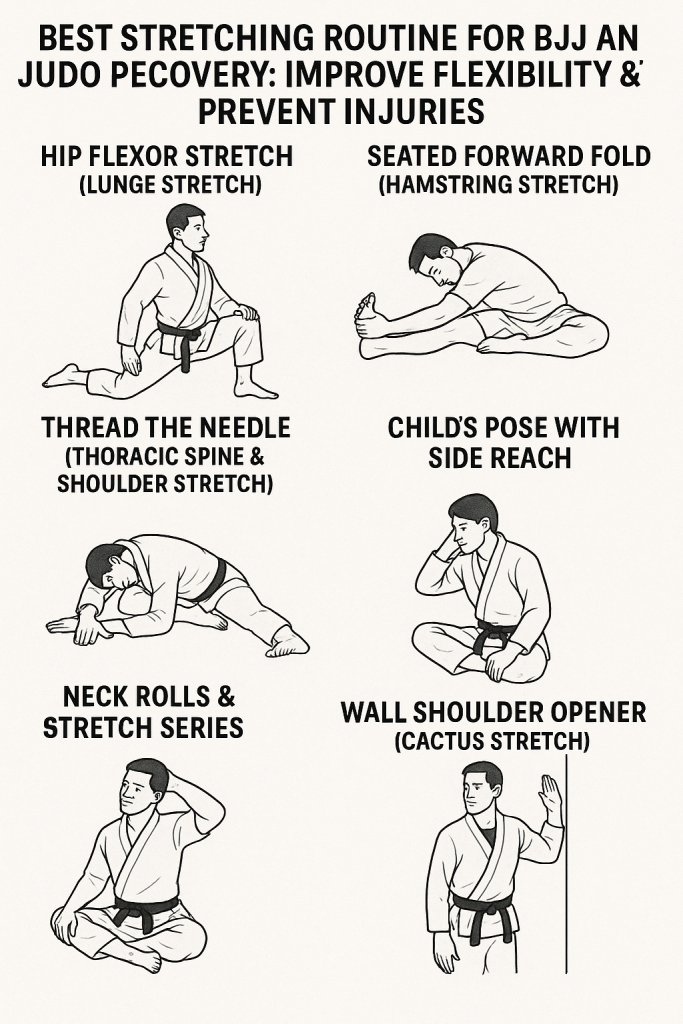
Stretching is crucial for improving flexibility in BJJ. It helps muscles lengthen and relax. Consider including these stretches in your routine:
- Hamstring Stretch:Sit on the floor, extend one leg, and reach towards your toes.
- Hip Flexor Stretch:Kneel on one knee, push hips forward, and stretch the hip flexor.
- Shoulder Stretch:Cross one arm over your chest, holding it with the other arm.
These exercises help maintain muscle elasticity. Perform them regularly for best results.
Yoga For Bjj Practitioners
Yoga complements BJJ by enhancing flexibility and balance. It focuses on controlled breathing and precise movements. Here are some yoga poses that benefit BJJ practitioners:
- Downward Dog:Stretches the entire body, especially the hamstrings and calves.
- Cobra Pose:Opens the chest and stretches the spine.
- Pigeon Pose:Targets hip flexibility, crucial for ground movements.
Regular yoga practice can significantly reduce the risk of injuries. It also promotes mental calmness and focus.
Strength And Conditioning
Strength and conditioning in BJJ focuses on building resilience to prevent injuries. Consistent training improves flexibility and muscle balance. Proper technique combined with body conditioning enhances safety and performance.
Strength and conditioning play a crucial role in preventing injuries in Brazilian Jiu-Jitsu (BJJ). By building a strong foundation, practitioners can enhance their performance and reduce the risk of injury. Regular training with a focus on strength and conditioning ensures that the body can endure the physical demands of BJJ. Strength and conditioning improve endurance, power, and flexibility. These components are vital for maintaining a healthy training routine. Let’s explore some key areas to focus on.Core Strength
A strong core is essential in BJJ. It helps maintain balance and stability. Core strength supports almost every movement on the mat. Exercises like planks and Russian twists are effective. They target the muscles needed for a powerful core. Engaging in these exercises regularly will enhance your grappling skills. A strong core can also protect the spine and prevent back injuries.Functional Movements
Functional movements mimic actions performed in BJJ. They help improve agility and coordination. Squats, lunges, and deadlifts are great examples. These exercises strengthen muscles used in grappling. They also increase flexibility and joint stability. This reduces the chance of strains and sprains. Regular practice of functional movements builds resilience. It prepares the body for the dynamic nature of BJJ.
Credit: medium.com
Safe Sparring Practices
Ensure proper warm-up to prepare muscles and joints before sparring. Use controlled techniques and communicate with your partner. Always wear protective gear to minimize injury risks during practice.
Safe sparring practices in Brazilian Jiu-Jitsu are crucial for minimizing injuries. Sparring allows practitioners to apply techniques in a realistic setting. Yet, safety must always remain a priority. Implementing safe sparring practices ensures a positive and injury-free training experience.Controlled Intensity
Controlled intensity helps prevent unnecessary injuries. Sparring should not feel like a fight. Focus on technique rather than strength. Keep the pace steady and manageable. This approach allows for better learning. It also reduces the risk of sudden accidents. Communicate with your partner about the intensity level. Both should agree to keep it controlled.Choosing The Right Training Partners
Select training partners who respect safety. A good partner listens and communicates well. They should not be overly aggressive. Trust between partners is essential. It ensures a safe and productive training session. Choose partners who share your goals for learning. Avoid those who prioritize winning over safety. Training with the right partners fosters a supportive environment. This leads to improved skills and fewer injuries.Effective Recovery Strategies
Brazilian Jiu-Jitsu (BJJ) is a physically demanding sport that challenges your body in unique ways. Preventing injuries is crucial, and effective recovery strategies play a vital role in maintaining your performance and longevity in the sport. By focusing on proper rest, sleep, and nutrition, you can enhance your recovery and minimize the risk of injuries.
Rest And Sleep
Rest is not just about taking a break from training; it’s about allowing your body to repair and strengthen itself. Have you ever noticed how a good night’s sleep can make your muscles feel rejuvenated? Aim for 7-9 hours of quality sleep each night to support muscle recovery and mental sharpness.
Consider creating a bedtime routine that helps you wind down. Lower the lights, read a book, or listen to calming music. These habits signal your body that it’s time to rest, helping you fall asleep faster and improving sleep quality.
Don’t underestimate the power of naps! A short nap can boost your energy levels and aid in recovery. Even 20 minutes of shut-eye during a busy day can make a significant difference.
Nutrition For Recovery
What you eat directly impacts how well your body recovers. Your diet should be balanced and rich in nutrients that support muscle repair. Proteins are essential for recovery, so make sure to include lean meats, eggs, or plant-based alternatives in your meals.
Hydration is equally important. Drink plenty of water throughout the day. Proper hydration aids in nutrient transport and waste removal from your body.
Consider incorporating foods rich in antioxidants, like berries and leafy greens, to combat inflammation. These foods can help reduce soreness and improve recovery time.
Gear And Equipment
Proper gear in BJJ helps prevent injuries. Use a well-fitting gi and protective equipment like mouthguards. Choose mats with good cushioning and grip for safer practice.
Brazilian Jiu-Jitsu (BJJ) is a physically demanding sport. Protecting yourself from injuries is crucial. Having the right gear and equipment makes a big difference. Proper attire and protective gear are key components. They help keep you safe on the mat.Proper Attire
Wearing appropriate clothing is essential in BJJ. Choose a gi that fits well. It should be neither too tight nor too loose. A snug fit prevents accidental tripping. Breathable fabric keeps you comfortable during intense sessions. Rash guards are also vital. They protect your skin from mat burns and friction. Good quality attire enhances mobility and reduces the risk of injury.Protective Gear
Protective gear plays a significant role in BJJ safety. Mouthguards are a must-have. They shield your teeth from accidental impacts. Knee pads offer protection during grappling and rolling. Ear guards prevent cauliflower ear, a common injury in BJJ. Investing in high-quality gear is wise. Durable equipment lasts longer and provides better protection. Consider ankle supports if you have weak joints. They offer additional stability during training.Listening To Your Body
Listening to your body helps prevent injuries in BJJ. Recognize signals like pain or fatigue and rest accordingly. Adjusting your training intensity can maintain health and improve performance.
Listening to your body is crucial in Brazilian Jiu-Jitsu (BJJ) to prevent injuries. It’s about tuning into what your body is telling you before something goes wrong. The key is to be proactive rather than reactive.Recognizing Pain Signals
Understanding pain signals can be your best defense against injury. If you feel sharp, sudden pain, it might be a sign to stop immediately. Differentiating between the discomfort of a good workout and the pain of a potential injury can save you from sitting out for weeks. Consider keeping a journal of your pain patterns. Note what movements trigger pain and when it happens. This can help you identify what to avoid in future training sessions.When To Seek Medical Advice
Sometimes, listening to your body means knowing when to get professional help. If pain persists for more than a few days or worsens, it’s time to consult a doctor. Ignoring chronic pain can lead to severe injuries that might require lengthy recovery. Think about the long-term impact on your BJJ journey. Would you rather miss a week of training or be sidelined for months due to a preventable injury? Prioritizing your health ensures you can continue practicing BJJ safely and effectively.Frequently Asked Questions
What Are Common Bjj Injuries?
Common BJJ injuries include joint sprains, muscle strains, and bruises. Fingers, shoulders, and knees are particularly vulnerable. Regular stretching and proper technique can help minimize these injuries. Always listen to your body and take breaks when necessary.
How Can I Improve Bjj Flexibility?
Improving BJJ flexibility involves regular stretching and yoga. Focus on dynamic stretches before training and static stretches afterward. Consistent practice enhances flexibility over time, reducing injury risk. Incorporate exercises targeting major muscle groups used in BJJ.
Why Is Warm-up Important In Bjj?
Warm-up is crucial to prepare muscles for intense activity. It increases blood flow, enhancing flexibility and reducing injury risk. A good warm-up includes light cardio and dynamic stretches. Never skip it to ensure safe and effective training sessions.
How Do I Choose Protective Gear For Bjj?
Choose protective gear that fits well and provides adequate support. Mouthguards, rash guards, and knee pads are essential. Ensure quality and durability. Proper gear minimizes injury risk and enhances performance. Always invest in reputable brands for safety.
Conclusion
Staying injury-free in BJJ requires attention and care. Always prioritize proper warm-ups. Listen to your body and rest when needed. Use the right gear for protection. Train with focus and avoid risky moves. Communicate with your training partner to ensure safety.
Consistent stretching and strengthening exercises help a lot. Remember, progress takes time, so be patient. Healthy habits build a strong foundation. By following these tips, you enjoy a safer BJJ journey. Keep learning and stay safe on the mats. Your BJJ experience will be more rewarding and fun.