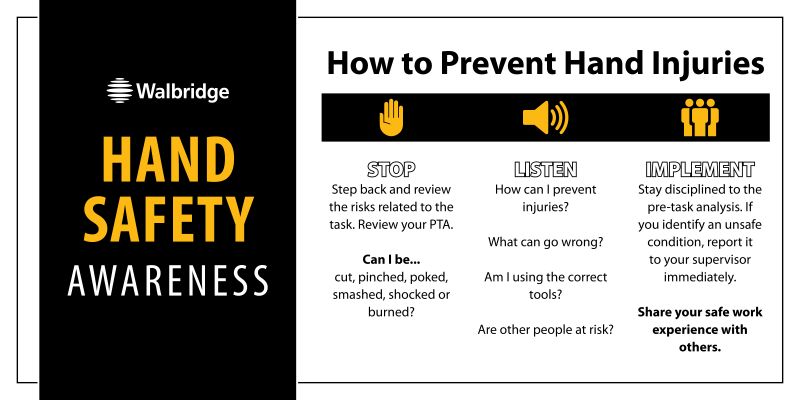
Imagine the constant need to use your hands throughout the day. From typing on your computer to cooking dinner, your hands are your ultimate tools.
But what if one day you couldn’t use them? Hand injuries can happen to anyone and they can seriously disrupt your daily life. You might think you’re careful enough, but are you really doing everything you can to protect your hands?
This guide will open your eyes to simple, yet effective ways to safeguard your hands from injuries. Stay with us and discover practical tips that could save you from unnecessary pain and inconvenience. After all, your hands deserve the best care you can give them.

Credit: www.linkedin.com
Common Causes Of Hand Injuries
Hand injuries are surprisingly common and can have a significant impact on daily life. Understanding their causes is essential in preventing them. Whether you’re at work, home, or enjoying sports, being aware of the risks can help you safeguard your hands. Let’s dive into some of the frequent scenarios where hand injuries occur and how you can avoid them.
Workplace Hazards
Many hand injuries happen at work due to exposure to machinery, sharp tools, and hazardous materials. Jobs in construction, manufacturing, or food service often see higher rates of these injuries.
- Ensure you’re using protective gear like gloves, which can prevent cuts and abrasions.
- Stay vigilant about safety protocols and never take shortcuts when handling tools.
- Regular maintenance of equipment can help reduce risks associated with malfunctioning machinery.
Have you ever noticed how some colleagues handle tools without proper care? Your proactive approach can set a positive example and foster a safer environment for everyone.
Home Accidents
Surprisingly, your own home can be a hotspot for hand injuries. Everyday activities like cooking or DIY projects can lead to cuts, burns, or strains.
- Use tools designed for the task at hand and ensure they’re in good condition.
- Organize your workspace to avoid clutter, which can lead to accidental slips and falls.
- Consider child-proofing areas if you have little ones around, as curious hands often lead to accidents.
Remember that time you tried to fix a leaking faucet without proper tools? Reflecting on such experiences can help you prioritize safety in future tasks.
Sports And Recreational Activities
Engaging in sports and recreational activities offers great fun but also poses risks to your hands. From fractures in contact sports to strains in activities like rock climbing, the possibilities are broad.
- Invest in appropriate sports gear to protect your hands during play.
- Warm up properly to avoid strains and sprains, which can be common in vigorous activities.
- Stay alert and follow rules, as improper techniques can lead to unforeseen injuries.
Have you ever thought about how a small injury could affect your favorite hobby? Prioritizing safety ensures you can keep enjoying your activities without interruption.
By understanding these common causes of hand injuries, you’re better equipped to protect yourself. What steps will you take today to safeguard your hands?
Protective Gear And Equipment
Preventing hand injuries is crucial for anyone working with their hands. Protective gear and equipment play a vital role in ensuring safety. They help shield your hands from potential hazards and reduce the risk of injury. Investing in the right gear can make a significant difference in maintaining healthy hands.
Gloves And Handguards
Gloves offer essential protection. They are designed to guard against cuts, abrasions, and chemical exposure. Choose gloves that suit your specific tasks. Leather gloves are great for heavy-duty work. Latex gloves work well for handling chemicals. Handguards provide added protection for risky tasks. They help shield your fingers and palms.
Proper Footwear
Proper footwear is crucial for overall safety. It supports your entire body, including your hands. Ensure your shoes have a firm grip. This prevents slips and falls, reducing hand injuries. Steel-toed boots offer extra protection for your feet. They also enhance stability, safeguarding your hands during tasks.
Use Of Tools With Safety Features
Tools with safety features minimize risks. They are designed to prevent accidents. Safety locks and guards are common features. They help secure tools and protect your hands. Choose tools that enhance your safety. Opt for ones with ergonomic designs. These reduce strain and improve control.
Safe Practices At Work
Prevent hand injuries at work by wearing protective gloves. Use the right tools for tasks to avoid strain. Stay focused and avoid distractions to ensure safety.
Safe practices at work can significantly reduce the risk of hand injuries. Implementing proper techniques ensures your hands remain safe and healthy. Let’s explore some essential practices to safeguard your hands at work.Ergonomics And Hand Positioning
Ergonomics focuses on designing workplaces that fit the worker. Adjust your workstation to prevent strain on your hands. Maintain a neutral hand position. Keep wrists straight, not bent. Use tools that fit your hand comfortably. Avoid excessive force when using equipment.Regular Breaks And Exercises
Frequent breaks are crucial to prevent hand fatigue. Short breaks every hour can help. Stretch your fingers and wrists during breaks. Simple exercises improve circulation. Open and close your hand gently. Rotate wrists to relax muscles. These small actions can prevent long-term issues.Proper Machine Handling
Machines can be dangerous if mishandled. Understand how each machine works before use. Follow all safety instructions precisely. Keep hands away from moving parts. Use safety guards whenever available. Ensure machines are well-maintained. Regular checks prevent malfunction and accidents.
Credit: www.ishn.com
Safety Measures At Home
Wear gloves while handling sharp objects to protect your hands. Keep tools organized and in good condition. Use safety guards on machinery and be cautious when using knives in the kitchen.
Safety at home is vital for preventing hand injuries. Simple precautions can save you from painful accidents. Follow these steps to protect your hands and ensure a safe environment.Organizing And Decluttering
A cluttered home increases the risk of hand injuries. Keep your living space organized. Store items in designated areas to avoid accidental cuts or bruises. Regularly declutter shelves and countertops to prevent tripping hazards. Use storage solutions like boxes and baskets to keep things tidy. An organized home is a safer home.Safe Use Of Kitchen Tools
Kitchen tools can be dangerous if not used properly. Use sharp knives with care. Always cut away from your body. Invest in quality tools that offer better grip and control. Keep your knives sharp to avoid slipping accidents. Use protective gloves when handling hot pots and pans. Safety in the kitchen starts with careful tool use.Handling Chemicals And Cleaning Agents
Chemicals can cause severe hand injuries. Wear gloves when cleaning with strong agents. Store chemicals securely and out of reach of children. Read labels carefully to understand risks. Ventilate the area well to avoid toxic fumes. Handling chemicals safely protects your hands and health.Precautions During Sports
Engaging in sports can be thrilling and rewarding. Yet, it poses risks for hand injuries. Taking precautions is crucial for safety. Simple measures can prevent mishaps and ensure a safe sporting experience.
Using Appropriate Equipment
Always choose the right gear for your sport. Quality gloves can shield hands from impact. Check that equipment fits properly. Ill-fitting gear can cause slips and accidents. Invest in equipment designed for your specific sport.
Warm-up And Stretching
Never skip a warm-up session. It prepares your muscles and joints. Stretching improves flexibility and reduces injury risk. Focus on hands and fingers during warm-ups. Gentle stretches can make a big difference.
Avoiding High-risk Activities
Identify activities with a high injury risk. Try to avoid them if possible. If an activity seems too risky, reconsider participating. Always prioritize safety over thrill. Follow rules and guidelines to minimize risks.

Credit: www.safetyandhealthmagazine.com
Emergency Response For Hand Injuries
Protect hands by wearing gloves and using tools correctly. Keep workspaces tidy to prevent accidents. Stay alert and focused during tasks.
Hand injuries can occur unexpectedly, leaving you in a moment of panic and uncertainty. Knowing how to respond effectively is crucial to minimizing damage and ensuring a swift recovery. Whether you’re cooking in the kitchen, doing some DIY repairs, or simply enjoying a day out, hand injuries can strike without warning. But if you have a solid emergency response plan, you can tackle these situations with confidence. Let’s dive into the essential steps you need to take when faced with hand injuries.First Aid Kits
A well-stocked first aid kit is your first line of defense in an emergency. Ensure yours contains essentials like bandages, antiseptic wipes, and sterile gauze. Keep your kit easily accessible, whether at home, in the car, or at work. Regularly check and replenish supplies to avoid running short during a crisis. Consider adding a basic first aid guide to your kit—it’s a handy reference when adrenaline clouds your thinking.Steps For Immediate Treatment
Start by cleaning the wound gently with clean water to remove any debris. Avoid using harsh chemicals that can irritate the injury. Apply pressure with a clean cloth or bandage to stop any bleeding. Keep your hand elevated to reduce blood flow and swelling. Wrap the wound securely, but not too tightly, with sterile gauze or a bandage. This helps protect the area and supports healing.When To Seek Medical Attention
Not all injuries can be treated at home. Deep cuts, fractures, or injuries that cause severe pain warrant professional care. If you notice signs of infection like redness, swelling, or pus, it’s time to visit a healthcare provider. Delay can worsen the condition. Trust your instincts—if you’re uncertain or the injury doesn’t improve, seeking medical advice is always a wise choice.Education And Training
Protecting hands from injuries involves using proper tools and techniques. Regular breaks and stretches help avoid strain. Wearing gloves provides an extra layer of safety during tasks.
Education and Training Preventing hand injuries starts with knowledge. Educating yourself and others on proper techniques and safety protocols can make a significant difference. It’s not just about learning the basics; it’s about creating an environment where safety becomes second nature.Safety Workshops
Safety workshops are a cornerstone for preventing hand injuries. They offer hands-on experience, allowing you to practice safe techniques in a controlled environment. These workshops often bring real-world scenarios to life, ensuring that you’re prepared for unexpected situations. Attending a safety workshop can also foster a community of safety-minded individuals. Sharing experiences and tips with others can be invaluable. Have you ever learned a safety tip that changed your approach to handling tools?Skill Development
Developing your skills is crucial in minimizing hand injuries. Whether it’s learning the correct way to use a tool or understanding the mechanics of a machine, skill development is essential. It’s not just about speed; it’s about precision and control. Invest in courses or certifications that focus on enhancing your abilities. These opportunities can boost your confidence and reduce the likelihood of accidents. Imagine the relief of knowing you can handle any task with expertise.Awareness Programs
Awareness programs play a vital role in injury prevention. They keep safety at the forefront of your mind, reminding you of the risks and the importance of caution. These programs often highlight the latest safety standards and innovations. Participating in awareness programs can also help you stay updated on the newest safety gear and technologies. Being informed empowers you to make better choices. What new safety gear have you discovered that you wouldn’t have known about otherwise? Education and training are not just a one-time effort but a continuous journey. Each workshop, skill development session, and awareness program adds a layer of protection, ensuring your hands remain safe and sound.Frequently Asked Questions
How Can I Prevent Hand Injuries At Work?
To prevent hand injuries at work, use proper protective gear and follow safety protocols. Regular breaks and ergonomic tools can reduce strain. Keep workspaces organized to avoid accidents, and always be aware of your surroundings.
What Exercises Strengthen Hand Muscles?
Hand exercises like squeezing a stress ball or using resistance bands can strengthen muscles. Finger stretches and wrist rotations improve flexibility. Regular practice enhances grip strength and reduces injury risk.
Are There Tools To Avoid Hand Strain?
Ergonomic tools like cushioned grips and adjustable keyboards can minimize hand strain. Use anti-fatigue mats in standing workstations. Proper tool selection reduces repetitive stress injuries.
How Do Gloves Prevent Hand Injuries?
Gloves protect against cuts, abrasions, and chemical exposure. Choose the right gloves for specific tasks. They provide grip enhancement and reduce the risk of accidents.
Conclusion
Preventing hand injuries requires awareness and simple precautions. Always wear proper protective gear. Use tools and equipment correctly. Keep workspaces tidy to avoid accidents. Regular breaks prevent strain and fatigue. Stretch your hands often to maintain flexibility. Educate yourself and others about safety practices.
Stay alert and focused at all times. With these steps, you can reduce the risk of injuries. Prioritize hand safety in daily routines. Your hands are valuable, treat them with care. By being proactive, you protect your hands. Stay safe and injury-free.