Imagine a world where you move freely, unburdened by the constant fear of injuries. Whether you’re a weekend warrior or someone just trying to get through the daily grind, injuries are the last thing you want to deal with.
But what if there was a simple, effective way to safeguard your body from harm? Enter yoga. This ancient practice isn’t just about flexibility and tranquility; it’s a powerful tool for injury prevention. You might wonder, how does yoga prevent injuries?
Well, that’s what we’re about to uncover. You’ll discover the secrets of how yoga fortifies your body, enhances your resilience, and keeps you moving effortlessly. Stay with us, and you’ll learn how to integrate these techniques into your routine, ensuring you stay strong, stable, and injury-free.

Credit: www.facebook.com
Benefits Of Yoga For Injury Prevention
Yoga strengthens muscles, improves flexibility, and enhances balance. These elements reduce the risk of injuries. Regular practice helps maintain body alignment, preventing strain and overuse injuries.
Yoga has long been celebrated for its myriad benefits, but one of its most remarkable advantages is its ability to prevent injuries. Many people think of yoga as a gentle practice, but its benefits go far beyond relaxation and flexibility. By integrating yoga into your routine, you can enhance your body’s resilience, improve balance, and strengthen muscles, making you less prone to injury during other activities.Improved Flexibility And Range Of Motion
Yoga encourages stretching and lengthening of muscles, which enhances flexibility and increases your range of motion. When your body moves freely without stiffness, you’re less likely to strain a muscle or suffer from joint injuries. Regular practice helps keep your muscles and joints nimble, reducing the risk of tears and sprains.Strengthening Muscles
Many yoga poses require holding positions that engage and strengthen various muscle groups. Strong muscles provide better support and stability for joints, which is crucial in preventing injuries. For example, engaging your core during poses like the plank or downward dog strengthens your abdominal and back muscles, offering better support to your spine.Enhancing Balance And Coordination
Yoga often involves balancing poses that challenge your coordination. Improved balance means you’re less likely to fall or stumble, which can lead to injuries. Poses such as the tree pose or warrior III help cultivate a sense of stability, making everyday movements safer and more controlled.Mindful Movement And Body Awareness
Yoga teaches you to move mindfully and develop a deeper awareness of your body’s capabilities. By focusing on alignment and listening to your body’s signals, you can avoid pushing yourself too hard. This mindfulness prevents overexertion and helps you recognize the signs of potential injury before they occur.Breathing Techniques And Stress Reduction
Breathing exercises in yoga help manage stress and improve focus, both of which are crucial for injury prevention. Stress can lead to tension in the body, making it more susceptible to injuries. Controlled breathing helps relax your body, ensuring muscles are not tight and prone to accidental strains. Consider your daily activities: Do you often find yourself rushing or moving without thought? Incorporating yoga could change that dynamic. By embracing the benefits of yoga, you cultivate a body that’s resilient and ready to handle life’s physical demands.Improving Flexibility
Yoga enhances flexibility, reducing the risk of injuries by improving joint movement and muscle strength. Regular practice helps maintain balance and coordination, vital for preventing falls and strains.
Yoga is a powerful practice that enhances flexibility and reduces injury risk. Stretching exercises in yoga lengthen muscles and improve joint movement. This promotes better body alignment and balance. With consistent practice, the body becomes more adaptable and resilient.Enhancing Muscle Elasticity
Yoga promotes muscle elasticity through stretching. This increases range of motion and prevents stiffness. Elastic muscles absorb shock better, reducing injury chances.Joint Mobility Improvement
Yoga exercises target joint mobility. By gently stretching joints, yoga increases their flexibility. This helps joints handle stress and movement more effectively.Balanced Muscle Development
Yoga encourages balanced muscle development. It avoids overworking specific muscles, reducing strain. Balanced muscles support each other, enhancing stability.Reducing Muscle Imbalances
Yoga helps reduce muscle imbalances. It targets underused muscles, ensuring they are strong and flexible. This lowers the risk of injury from uneven muscle use. Yoga promotes body awareness by encouraging mindful movements. This helps recognize tension and stiffness, guiding safer movements. Enhanced awareness leads to injury prevention.Enhancing Balance And Stability
Yoga strengthens muscles and improves flexibility, reducing the risk of strains and sprains. Balance exercises enhance stability, helping to prevent falls and injuries. Regular practice increases body awareness, promoting safer movement and posture in daily activities.
Yoga plays a crucial role in enhancing balance and stability, reducing the risk of injuries. It strengthens muscles, improves posture, and increases body awareness. Practicing yoga regularly helps individuals gain better control over their movements. This increased control prevents accidental falls and muscle strains. Balance and stability are fundamental for injury prevention. A strong core is vital for balance. Yoga strengthens abdominal and back muscles. These muscles support the spine, ensuring proper alignment. When your core is strong, your body moves efficiently. This efficiency reduces the chance of injury during daily activities.Improving Joint Function
Yoga enhances the flexibility of joints. Flexible joints allow smooth movements without strain. This flexibility protects joints from wear and tear. Regular practice keeps joints healthy and mobile.Increasing Body Awareness
Yoga increases your understanding of body mechanics. It teaches you to listen to your body’s signals. This awareness helps in avoiding movements that may cause harm. With practice, you learn to adjust positions to prevent injuries.Enhancing Focus And Concentration
Yoga improves mental focus. Concentration during activities reduces mistakes that lead to injuries. Being present in the moment helps in making mindful movements. This mindfulness is key in maintaining safety.Building Muscle Coordination
Yoga develops muscle coordination. Coordinated muscles work together to support balance. This coordination prevents muscle fatigue and injuries. It ensures that every muscle contributes to stability. Yoga’s impact on balance and stability is profound. It prepares the body to handle unexpected movements gracefully. Through consistent practice, individuals can enjoy a safer and healthier lifestyle.
Credit: www.flickr.com
Strengthening Core Muscles
Yoga is renowned for its ability to enhance flexibility and balance. A key aspect is its focus on strengthening core muscles. The core is not just about the abs. It includes muscles in the pelvis, lower back, hips, and abdomen. A strong core forms the foundation for overall body strength and stability.
When core muscles are strong, they support the spine better. This reduces the risk of injuries. A stable core also improves posture. Good posture can prevent strain and pain. Let’s explore how yoga strengthens these vital muscles.
Engaging Core Muscles Through Yoga Poses
Certain yoga poses target the core directly. Plank pose is a prime example. It engages not just the abs, but the entire core. Holding this pose builds endurance in the core muscles.
Boat pose is another effective exercise. It requires balance and engages the lower abdomen. Regular practice can enhance core strength significantly. This strength helps in maintaining stability and preventing falls.
Improving Balance And Stability
Yoga enhances balance. Poses like Tree pose require core engagement. This improves balance over time.
Better balance means fewer falls. Fewer falls mean fewer injuries. A strong core supports all kinds of movements. From walking to jumping, it plays a crucial role.
Building Endurance And Flexibility
Yoga helps build endurance in core muscles. Longer holding of poses increases muscle stamina. This endurance aids in daily activities without fatigue.
Flexibility is another benefit. Flexible muscles adapt better to sudden movements. This reduces the chance of injuries. Yoga combines strength and flexibility seamlessly.
Creating Mindful Movement Patterns
Yoga promotes mindfulness. Practicing with awareness helps in understanding body limits. This awareness prevents overexertion and potential injuries.
Mindful movements encourage proper form. Proper form is essential in preventing strains. Yoga teaches how to move efficiently and safely.
Promoting Body Awareness
Yoga enhances body awareness, improving balance and flexibility. These benefits help in reducing the risk of injuries. Regular practice strengthens muscles and promotes better posture, leading to safer movements.
Yoga fosters a deeper connection with your body. It encourages mindfulness and awareness of your movements. By practicing yoga, you become attuned to your body’s needs and limits. This heightened awareness helps prevent injuries. You learn to listen to your body, avoiding overexertion and improper techniques. Yoga also enhances your balance and coordination, reducing the risk of falls. It builds flexibility, making muscles less prone to strains and sprains. With regular practice, you develop a keen sense of how your body moves and responds.Understanding Your Body’s Signals
Recognizing bodily signals is vital for injury prevention. Yoga teaches you to notice subtle cues from your muscles and joints. You become aware of tension or discomfort, prompting you to adjust your posture. This awareness acts as a safeguard, preventing you from pushing beyond safe limits. Listening to your body’s signals ensures you avoid unnecessary strain.Improving Balance And Coordination
Balance and coordination play key roles in preventing injuries. Yoga strengthens these elements through various poses and movements. Enhanced balance reduces the likelihood of falls, which can lead to injuries. Improved coordination allows for smoother, more controlled movements. This reduces the chance of sudden, awkward motions that may cause harm.Building Flexibility And Strength
Yoga is renowned for increasing flexibility and strength. Flexible muscles are less prone to strains. Strengthened muscles support the body’s structure, reducing injury risks. As you stretch and strengthen through yoga, you create a balanced, resilient physique. This balance helps protect against common injuries in daily activities.Developing Mindful Movement
Mindful movement is a cornerstone of yoga practice. It involves moving with purpose and awareness. Each pose and transition is executed with care, minimizing the risk of injury. Mindful movement encourages you to focus on alignment and technique. This focus helps maintain proper form, reducing the likelihood of injury.Techniques For Safe Practice
Practicing yoga helps maintain body alignment and balance, reducing the risk of injuries. Controlled movements and mindful breathing improve flexibility and strength, protecting muscles and joints.
Yoga is a powerful practice that helps prevent injuries. Techniques for safe practice ensure your yoga journey is both fulfilling and injury-free. Understanding these techniques is essential for anyone eager to enjoy yoga’s benefits without setbacks. Let’s explore some key methods to keep your practice safe and effective.Choosing The Right Style
Not all yoga styles suit everyone. Some are gentle and slow, while others are vigorous. Choose a style that matches your fitness level. Beginners might start with Hatha or Iyengar yoga, which focus on alignment. Advanced practitioners may prefer Ashtanga or Vinyasa for their dynamic flows. Research each style to find what fits your needs. Selecting the right style reduces strain and potential injuries.Listening To Your Body
Your body speaks to you during yoga. Listen carefully. If a pose feels uncomfortable, stop and reassess. Pain is a signal to ease off and modify the pose. Don’t push through discomfort. Respect your body’s limits and stay mindful. Regular practice builds strength and flexibility gradually. Over time, you will notice improvement without injury.Using Props And Modifications
Props enhance safety in yoga. Blocks, straps, and bolsters provide support and stability. They help you maintain proper alignment, especially in challenging poses. Modifications adjust poses to suit your body’s needs. Using props and modifications prevents overstretching and ensures a safe practice. Even experienced yogis use props. Incorporate them into your routine for a healthier practice.Incorporating Breathing Exercises
Incorporating breathing exercises in yoga enhances focus and body awareness, reducing the risk of injuries. Controlled breathing improves oxygen flow and muscle relaxation, promoting safe practice.
Incorporating breathing exercises into your yoga practice can significantly help in preventing injuries. These exercises, often referred to as pranayama, play a crucial role in enhancing your focus, increasing your body awareness, and promoting relaxation. By mastering the art of breath control, you can improve your performance and reduce the risk of muscle strain or overexertion.Understanding The Connection Between Breath And Body
Breathing is more than just an automatic bodily function. It actively engages your mind and body connection, allowing you to tune into your movements. When you focus on your breathing, you’re better able to gauge your body’s limits, preventing overextension.Enhancing Focus And Concentration
Breathing exercises sharpen your mental focus. This enhanced concentration helps you maintain proper posture and alignment during yoga. With a clear mind, you’re less likely to make mistakes that could lead to injuries.Promoting Relaxation And Reducing Tension
Deep, controlled breathing helps reduce muscle tension. It encourages relaxation, which is essential for safe and effective yoga practice. When your muscles are relaxed, they’re less prone to strain or injury.Improving Oxygen Flow To Muscles
Proper breathing increases the oxygen flow to your muscles. This improved oxygenation helps muscles recover faster and reduces the risk of fatigue-related injuries. Your body performs better when it’s well-oxygenated.Practical Tips For Effective Breathing
Start by taking slow, deep breaths through your nose. Focus on filling your lungs completely and then exhaling fully. Practice this regularly to make it a natural part of your yoga routine.Personal Insights On Breathing In Yoga
I once found myself struggling with a persistent shoulder pain after yoga sessions. After integrating focused breathing exercises, I noticed a remarkable difference. Not only did the pain subside, but my overall practice became more fluid and mindful. Incorporating these breathing exercises can transform your yoga experience. What changes have you noticed in your practice when you pay attention to your breath?Preventing Common Injuries
Yoga is not just about flexibility and relaxation. It plays a crucial role in injury prevention. With its mindful approach, yoga strengthens muscles and enhances balance. This reduces the risk of common injuries. Regular practice helps in identifying body limitations. It encourages safe movement patterns. Let’s explore how yoga helps in avoiding overstretching and protecting joints.
Avoiding Overstretching
Overstretching can lead to muscle tears and strains. Yoga teaches controlled stretching. It focuses on gradual improvement. Practitioners learn to listen to their bodies. This minimizes the risk of pushing too far. Breathing techniques help in maintaining focus. This further prevents overstretching. Awareness is key. Yoga emphasizes safe stretch limits.
Protecting Joints
Joint health is crucial for physical activities. Yoga strengthens muscles around joints. This offers better support. Poses like Warrior and Tree build stability. They enhance joint protection. Proper alignment is stressed. It reduces wear and tear. Gentle movements in yoga maintain joint flexibility. This prevents stiffness and injury.
Role Of Instructors In Injury Prevention
Yoga instructors play a vital role in preventing injuries through guidance on proper alignment and techniques. Their expertise ensures participants understand their limits and practice safely, reducing the risk of strains or sprains.
In the world of yoga, instructors play a crucial role in preventing injuries. Their expertise and guidance ensure that you practice safely, avoiding common pitfalls that can lead to harm. An instructor’s keen eye can spot incorrect postures and offer corrections that keep your body aligned and secure. But how exactly do they contribute to your safety during yoga sessions?Understanding Body Mechanics
Yoga instructors often possess a deep knowledge of anatomy and body mechanics. This enables them to teach you how to move in ways that protect your joints and muscles. They can explain the importance of proper alignment, helping you understand why certain positions might strain your body if done incorrectly.Personalized Guidance
A good instructor tailors their teaching to your individual needs. They assess your skill level and physical limitations, suggesting modifications that suit your body. This personalized approach not only enhances your practice but also minimizes the risk of injury.Demonstrating Correct Techniques
Visual learning is powerful. Instructors demonstrate poses, showing you the correct form and posture. This helps you mimic movements accurately, reducing the chance of harmful mistakes.Providing Clear Instructions
Clear verbal instructions are essential. Instructors articulate each step of a pose, guiding you through transitions smoothly. They use simple language, making it easy for you to follow along without confusion.Encouraging Mindfulness
Yoga is not just physical; it’s mental too. Instructors emphasize mindfulness, urging you to listen to your body. This awareness helps you recognize discomfort or strain, prompting you to adjust or pause before an injury occurs.Creating A Safe Environment
The atmosphere a yoga instructor creates can significantly influence your practice. They ensure the space is free of obstacles and distractions, allowing you to focus solely on your movements. This safe environment fosters concentration, reducing the likelihood of accidents. Think about your last yoga session. Did your instructor make you feel more confident in your movements? How did they help you avoid potential injuries? Reflecting on these questions can deepen your appreciation for their vital role in your yoga journey.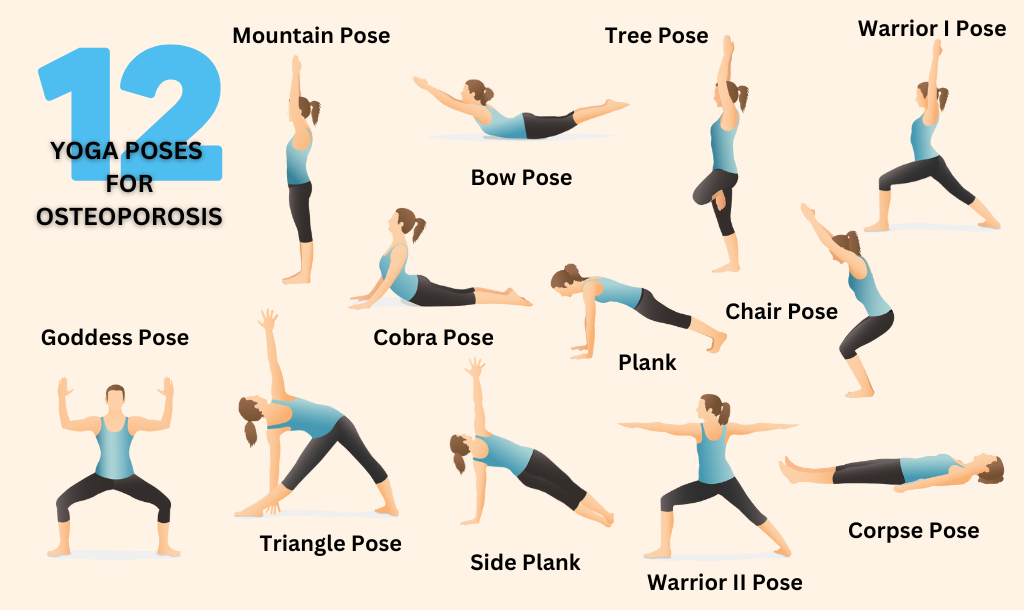
Credit: myyogateacher.com
Integrating Yoga Into Fitness Routines
Yoga enhances flexibility and strengthens muscles, reducing the risk of injuries during workouts. It promotes balance and body awareness, helping prevent strains and sprains. Integrating yoga into fitness routines aids in maintaining joint health, supporting safer exercise practices.
Integrating yoga into fitness routines enhances overall physical well-being. Yoga offers flexibility and balance, essential for preventing injuries. It complements various workouts, providing strength without strain. Athletes and fitness enthusiasts can benefit from yoga’s holistic approach. It focuses on mindfulness, making movements intentional and safe. This helps in understanding body limits and improving endurance.Understanding Your Body’s Limits
Yoga encourages awareness of your body’s signals. It teaches you to listen to discomfort and avoid pushing too hard. By tuning into your body, you learn to respect its boundaries. This awareness is crucial in preventing over-exertion injuries.Improving Flexibility And Balance
Regular yoga practice enhances flexibility. It stretches muscles gently, increasing range of motion. Balanced muscles reduce the risk of strains and sprains. Enhanced balance helps prevent falls, a common source of injury.Strengthening Muscles Safely
Yoga builds muscle strength without heavy weights. It uses body weight and controlled movements. This reduces the risk of muscle tears. Strengthening muscles evenly helps maintain joint stability, key for injury prevention.Enhancing Mental Focus
Yoga sharpens mental focus through mindful breathing. Concentration improves, making workouts more effective. Focused exercise reduces the likelihood of accidents. Being mentally present enhances physical safety during activities.Frequently Asked Questions
What Are Common Yoga Injuries?
Yoga injuries often include strains, sprains, and joint issues. These occur from overextending or improper alignment. Practicing with awareness and proper technique reduces these risks. Listening to your body and using modifications can help prevent injuries. Regular practice can enhance body awareness and improve overall safety.
How Does Yoga Improve Body Flexibility?
Yoga improves flexibility by gently stretching muscles and soft tissues. This enhances the range of motion and reduces stiffness. Regular practice helps in loosening tight areas and increasing muscle elasticity. Improved flexibility aids in better posture and reduces injury risks.
Yoga poses gradually enhance flexibility over time.
Can Yoga Strengthen Muscles?
Yes, yoga strengthens muscles through various poses and holds. It engages multiple muscle groups, enhancing strength and endurance. Consistent practice builds core strength and improves muscle tone. Strengthened muscles support joints, reducing injury risks. Yoga also balances muscular imbalances, contributing to overall body stability.
Does Yoga Enhance Balance And Coordination?
Yoga significantly enhances balance and coordination through focused postures. It trains the body to maintain stability in varied positions. Improved balance reduces fall risks and enhances proprioception. Yoga also strengthens stabilizing muscles, aiding better coordination. Regular practice sharpens mental focus, further enhancing bodily coordination and balance.
Conclusion
Yoga strengthens muscles and enhances flexibility. Less strain, fewer injuries. Focus on breath and movement keeps your body aware. Mindfulness during practice helps avoid pushing too hard. Regular yoga builds resilience over time. Each pose teaches balance and control. This awareness helps prevent accidents in daily life.
Yoga is more than exercise; it’s a protective shield. With dedication, your body becomes safer and stronger. Injuries become less frequent. Yoga supports a healthier, more active lifestyle. Practice consistently and enjoy a safer journey. Your body will thank you.