Picture yourself driving down a scenic road, the wind brushing against your face, music playing softly in the background. Suddenly, an unexpected obstacle appears.
In that split second, the seatbelt wrapped around you becomes your silent hero. But how exactly does this simple strip of fabric save you from harm? If you’ve ever wondered why buckling up is so crucial, you’re not alone. Discover the science behind this life-saving device and uncover the secrets of its protective magic.
This article reveals the critical role a seatbelt plays in keeping you safe during an accident. Whether you’re a seasoned driver or new to the road, understanding this could be the key to staying secure. Are you ready to unlock the mystery of your seatbelt’s power? Read on to transform your drive into a safer journey.
Credit: kfblaw.com
The Mechanics Of Seatbelts
Seatbelts prevent injuries by securing passengers during sudden stops or crashes. They distribute force across stronger parts of the body. This reduces the risk of serious harm.
The Mechanics of Seatbelts Understanding the mechanics of seatbelts offers a glimpse into how these simple devices save lives. It’s not just about buckling up; it’s about a well-engineered system that keeps you safe during unexpected events. Whether you’re driving a short distance or embarking on a long journey, knowing how seatbelts work can help you appreciate their importance.Components And Design
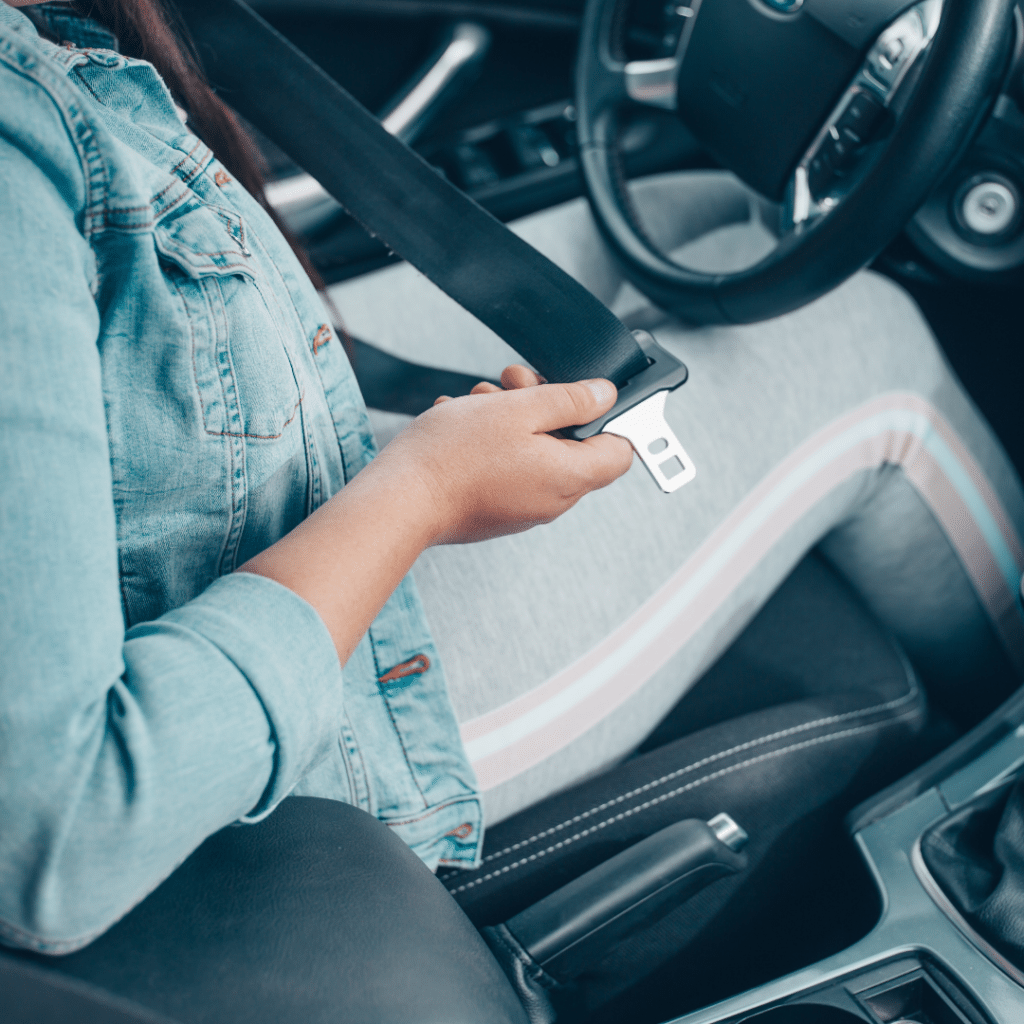
Seatbelts consist of several key components that work together seamlessly. The webbing, made from durable fabric, is the most visible part, designed to withstand immense pressure during a crash. The retractor is another vital piece that keeps the belt snug against your body, allowing slight movement for comfort but locking during sudden stops. The buckle and latch plate are engineered for quick fastening and unfastening, ensuring ease of use. The pretensioner, a lesser-known component, tightens the seatbelt instantly during a crash, minimizing slack. Each piece is meticulously designed to enhance safety, highlighting the importance of using a seatbelt correctly.Functionality In A Crash
Seatbelts are engineered to distribute force across the stronger parts of your body during a collision. When a crash occurs, the pretensioner activates, pulling the belt taut against your chest and pelvis. This mechanism reduces the risk of injury by preventing you from hitting the dashboard or windshield. The retractor locks the belt in place, holding you securely while your car absorbs the impact. This process may last only a few milliseconds, but it can mean the difference between walking away or suffering serious injuries. Have you ever thought about how those few seconds could change everything? Considering the mechanics behind seatbelts might make you think twice before driving without one. Next time you get into your car, remember the silent guardians wrapped around you, ready to protect at a moment’s notice.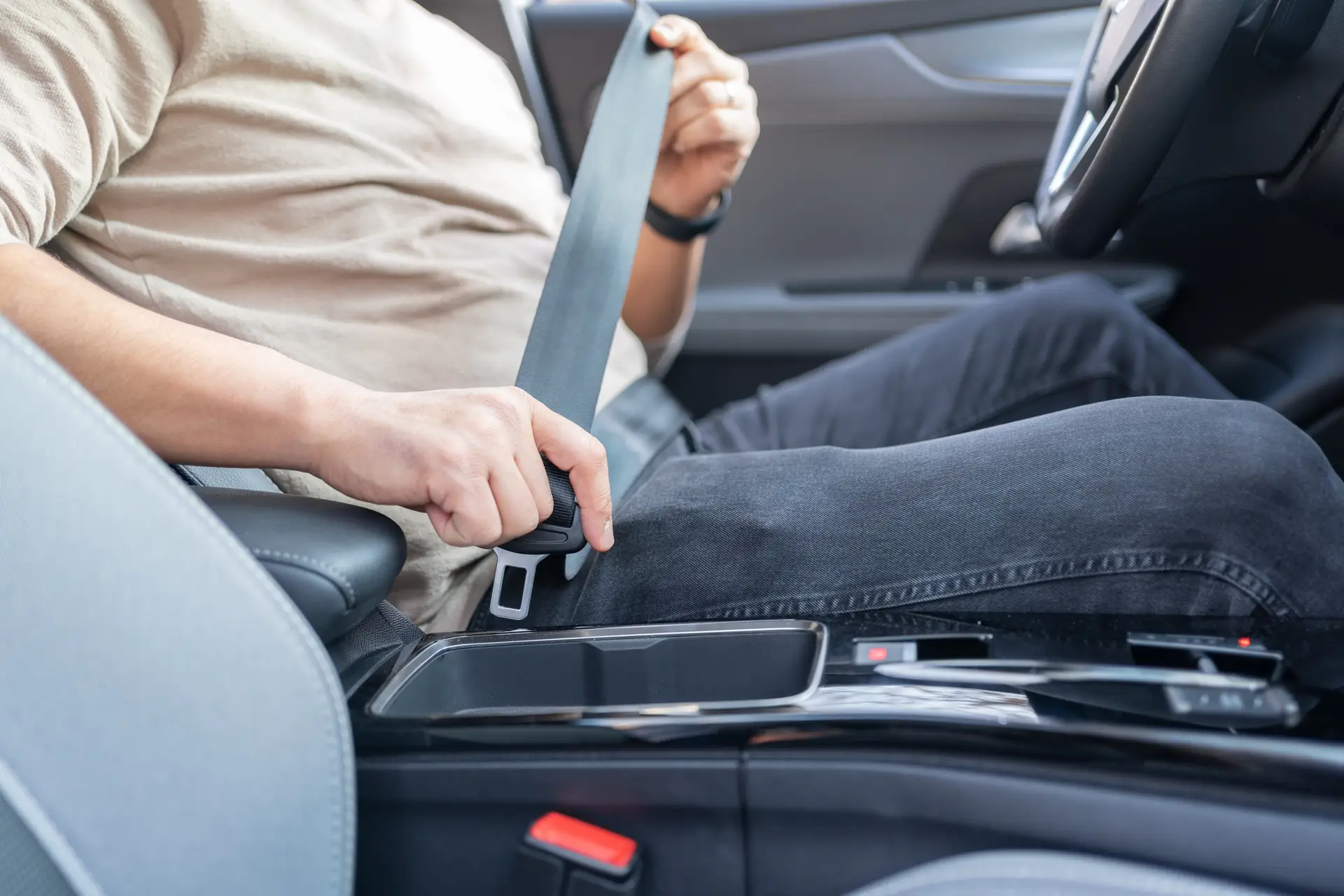
Credit: www.lawfran.com
Types Of Seatbelts
Seatbelts come in various types, including lap belts, shoulder belts, and three-point belts. They work by securing passengers, reducing impact force, and preventing ejection during collisions. This restraint system effectively minimizes injury risk by distributing crash forces across stronger parts of the body.
Understanding the various types of seatbelts is crucial for grasping how they prevent injuries during a car accident. Each type has a unique design that caters to different safety needs and vehicle specifications. Choosing the right seatbelt can significantly enhance your safety on the road.Three-point Belts
Three-point belts are the most common type found in modern vehicles. They combine a lap belt and a shoulder strap, forming a Y-shape. This design helps distribute the force of a collision across the chest, pelvis, and shoulders. The three-point belt’s versatility makes it suitable for most passengers, including children and adults. Have you ever felt the snug fit of a three-point belt while driving? That’s the belt working to keep you secure and minimize movement during sudden stops.Lap Belts
Lap belts are typically seen in older cars and some rear seats of modern vehicles. They wrap around the waist and are effective in restraining the lower body. Although lap belts provide basic protection, they lack the upper body support of a three-point belt. This can increase the risk of upper body injuries in high-impact crashes. Have you noticed the difference in comfort and security when using a lap belt versus a three-point belt? It’s a stark reminder of how safety technology has evolved.Harness Belts
Harness belts are often used in racing cars and child safety seats. These belts consist of multiple straps that secure both the upper and lower body. They offer excellent protection by spreading impact forces evenly across the body. Harness belts can be a lifesaver in high-speed collisions due to their comprehensive coverage. Imagine the reassuring grip of a harness belt when you’re racing or ensuring your child’s safety—it’s a feeling of being cocooned in safety. Choosing the right seatbelt can make a difference between minor injuries and severe consequences. So, next time you get into your car, think about the type of seatbelt you’re using. Are you maximizing your safety potential?Physics Behind Seatbelt Safety
Physics Behind Seatbelt Safety Seatbelts protect by spreading the force of a crash across stronger parts of the body. They prevent sudden movement, reducing the risk of injury. Seatbelts also keep passengers in place, avoiding collisions with the car interior.
The physics behind seatbelt safety is a fascinating topic that combines science with real-world application. Have you ever wondered how this simple strap can make such a significant difference in a crash? It all comes down to the basic principles of physics, which work tirelessly to protect you in every ride. Let’s dive into the critical aspects of how seatbelts keep you safe through force distribution and momentum reduction.Force Distribution
When a collision occurs, the forces involved are immense. Without a seatbelt, your body would absorb these forces unevenly, potentially causing severe injuries. A seatbelt helps to distribute these forces across the stronger parts of your body, such as your chest, pelvis, and shoulders. Consider how it feels when you press your hand against a table. The force is concentrated in one spot. But when you spread your hand out, the force is distributed, causing less pressure at any single point. Similarly, a seatbelt spreads crash forces over a wider area of your body, reducing the risk of injury.Momentum Reduction
Momentum is the product of an object’s mass and velocity. When you’re in a moving vehicle, your body has momentum. In a sudden stop, this momentum wants to keep you moving forward at the same speed. This is where a seatbelt plays a crucial role. Imagine running full speed and suddenly trying to stop. Without anything to slow you down gradually, you’d fall forward. A seatbelt reduces your forward momentum, allowing your body to decelerate more slowly and safely. This reduction in momentum is vital in preventing you from being thrown forward into the dashboard or windshield. Have you noticed how quickly you can stop when something blocks your path? Seatbelts act like that barrier, slowing your body’s momentum and keeping you securely in your seat. They ensure that you stay in a controlled position, minimizing the risk of more serious injuries in a crash. By understanding the physics behind seatbelt safety, you can appreciate the critical role they play every time you buckle up. Do you think about the science at work when you fasten your seatbelt? Next time you get in a car, remember these principles and drive with confidence knowing that physics is on your side.Seatbelts And Human Anatomy
Seatbelts work by distributing the force of a collision across the stronger parts of the human body. They restrain the body, minimizing movement during sudden stops, and protect vital organs from impact. This safety feature reduces the risk of injury by preventing the body from hitting hard surfaces inside the vehicle.
Seatbelts and Human AnatomyWhen you buckle up, you might not think about how this simple action interacts with the complex structure of your body. Seatbelts are more than just a strap across your lap; they’re a life-saving tool designed with human anatomy in mind. They work by distributing the forces experienced during a crash across the strongest parts of your body, minimizing injury.Protecting Vital Organs
Your vital organs, such as the heart, lungs, and liver, are essential for survival. In a crash, the seatbelt keeps you secure, preventing your body from being thrown forward. This protection is crucial because it reduces the risk of these organs being damaged by the impact. Have you ever wondered how a small strip of fabric can safeguard your life? It’s all about positioning. The lap belt sits over your pelvis, a bony structure that can withstand more force than your abdomen, while the shoulder belt spans your chest. This positioning helps shield your internal organs, ensuring they remain intact during a collision.Minimizing Whiplash
Whiplash occurs when your head is suddenly jerked backward and then forward, a common injury in car accidents. Seatbelts play a critical role in minimizing this painful and sometimes long-lasting condition. By holding your torso securely, a seatbelt reduces the whip-like motion of your head and neck. Think about the last time you stopped suddenly. Did you feel your body lurch forward? Without a seatbelt, this motion is even more pronounced, increasing the risk of whiplash. By keeping your upper body stable, seatbelts help maintain the alignment between your head and spine, offering vital protection. Why rely on chance when you can rely on science? Next time you get into a car, remember that your seatbelt is working in harmony with your body’s anatomy to keep you safe. So, buckle up and let this small action make a big difference.Seatbelt Legislation And Safety Standards
Seatbelt legislation and safety standards play a crucial role in ensuring the wellbeing of drivers and passengers on the road. These laws are not just legal formalities; they are life-saving measures backed by extensive research and data. Understanding how these regulations came to be and their impact on road safety can help you appreciate the importance of buckling up every time you get in a car.
Regulatory Framework
Seatbelt regulations are set by both national and international bodies to ensure consistent safety standards. In the United States, the National Highway Traffic Safety Administration (NHTSA) is responsible for enforcing seatbelt laws. Other countries follow similar practices, adapting guidelines from global safety organizations like the World Health Organization (WHO).
These regulations are not static; they evolve with advancements in technology and safety research. Have you ever wondered why modern cars have more advanced seatbelt systems than older models? It’s because these standards are regularly updated to incorporate the latest safety innovations.
Impact On Road Safety
The introduction of seatbelt laws has significantly reduced road fatalities and injuries. According to NHTSA, seatbelts save thousands of lives each year. This statistic alone should make you think twice before skipping that simple click.
Countries with strict seatbelt laws often report lower instances of road-related injuries. Imagine driving in a region where seatbelt use is not enforced. The difference in safety outcomes is stark and speaks volumes about the effectiveness of these regulations.
How do you feel about the current seatbelt laws in your area? Are they stringent enough, or is there room for improvement? Engaging with these questions can help you contribute to a culture of road safety.
Credit: www.fortunebusinessinsights.com
Common Myths About Seatbelts
Seatbelts are often misunderstood, despite their proven ability to save lives. Many myths surrounding seatbelt use can cloud judgment and lead to dangerous choices. Let’s tackle some of these misconceptions head-on and see why wearing a seatbelt is always the smarter choice.
Myth Of Low-speed Safety
One common myth is that seatbelts are unnecessary at low speeds. You might think that driving slowly doesn’t pose a risk, but even minor collisions can cause significant harm. At low speeds, the impact can jolt you forward, causing injuries that a seatbelt can prevent.
Consider driving around your neighborhood. Even at 20 mph, a sudden stop can be equivalent to hitting a solid wall. A seatbelt keeps you secure and limits movement, reducing the chance of injury. So, next time you’re cruising through residential streets, think twice before dismissing your seatbelt.
Concerns About Trapped Scenarios
Another myth is the fear of being trapped by a seatbelt in emergencies like a car fire or submersion. The reality is that being thrown from the vehicle poses a far greater risk. Seatbelts increase your chances of staying conscious and in control, giving you the best opportunity to escape.
Imagine you’re involved in a collision, and your car ends up in a precarious position. Wearing a seatbelt increases your likelihood of being able to act quickly and get out safely. The fear of being trapped is understandable, but the benefits of staying secure far outweigh the risks.
Have you ever hesitated to buckle up due to these myths? It’s time to reevaluate those concerns. Understanding the real-world implications can empower you to make safer choices every time you get behind the wheel.
Technological Advancements In Seatbelt Design
In recent years, seatbelt design has seen remarkable advancements. These innovations enhance safety and comfort during travel. Modern seatbelts are much more than simple straps. They incorporate cutting-edge technology to protect passengers effectively. Let’s explore some key technological advancements in seatbelt design.
Pretensioners And Load Limiters
Pretensioners tighten the seatbelt instantly during a crash. This reduces slack and holds passengers firmly in place. By doing so, they minimize movement and potential injury. Load limiters, on the other hand, release some belt tension. This prevents excessive force on the chest. Together, they balance restraint and comfort during an accident.
Integration With Airbags
Modern seatbelts often work in tandem with airbags. This integration provides a comprehensive safety system. When a collision occurs, both systems deploy simultaneously. The seatbelt keeps the passenger in position. Meanwhile, the airbag cushions the impact. This combined action significantly reduces the risk of injury.
Promoting Seatbelt Usage
Seatbelts keep you secure during sudden stops or collisions. They hold your body in place, reducing movement. This minimizes the risk of hitting the dashboard or being thrown out of the car, thus preventing severe injuries.
Promoting seatbelt usage is crucial in reducing traffic-related injuries and fatalities. Despite the proven benefits of wearing seatbelts, some individuals still neglect this simple safety measure. So, how can we encourage more people to buckle up every time they get into a vehicle? Let’s explore effective strategies like educational campaigns and the use of incentives and penalties.Educational Campaigns
Educational campaigns are powerful tools in promoting seatbelt usage. By sharing real-life stories of accidents where seatbelts have saved lives, you can create a compelling narrative that encourages people to wear them. Imagine hearing a survivor’s account of how a seatbelt prevented serious injury during a crash — it’s hard not to be moved into action. These campaigns can also leverage the influence of social media. Platforms like Instagram or TikTok are perfect for sharing engaging content that resonates with younger audiences. Short, impactful videos demonstrating seatbelt effectiveness can quickly go viral, making safety a trending topic.Incentives And Penalties
Incentives can be a great motivator for seatbelt usage. Consider how offering rewards for wearing seatbelts, like discounts on car insurance, can encourage compliance. People often respond positively when there’s a tangible benefit for their actions. On the flip side, penalties can deter non-compliance. Fines for not wearing a seatbelt can serve as a wake-up call for many. But beyond fines, think about the emotional cost — a moment’s negligence can lead to life-altering consequences. Wouldn’t you prefer a minor inconvenience over a major tragedy? Combining incentives with penalties creates a balanced approach that compels people to prioritize safety. Are you ready to buckle up every time you hit the road?Frequently Asked Questions
How Does A Seatbelt Protect Passengers?
A seatbelt secures passengers to their seats during sudden stops or collisions. It reduces the risk of hitting the dashboard or windshield. By distributing the force across the chest and pelvis, it minimizes injuries. Seatbelts are crucial for safety, especially in preventing serious harm during accidents.
Why Are Seatbelts Important In A Crash?
Seatbelts are essential as they keep occupants from being ejected during a crash. They help control the body’s movement, reducing impact injuries. By restraining the passenger, seatbelts significantly lower the risk of fatal injuries. Wearing a seatbelt is a simple yet effective way to enhance safety.
Can Seatbelts Prevent Whiplash Injuries?
Yes, seatbelts can help prevent whiplash by stabilizing the body’s position during a collision. They limit excessive movement of the head and neck. By holding the body securely, they reduce the likelihood of sudden jerks. This can effectively minimize the risk of whiplash injuries.
What Role Do Seatbelts Play In Airbag Effectiveness?
Seatbelts work with airbags to maximize passenger safety. They keep passengers in the right position for airbags to deploy effectively. Without a seatbelt, the airbag might not provide optimal protection. Using both can substantially lower the risk of severe injuries in a crash.
Conclusion
Seatbelts play a crucial role in saving lives. They hold you securely in place. By reducing movement during a crash, they minimize injury risks. This simple device keeps your body from hitting hard surfaces. It helps prevent ejection from the vehicle.
Seatbelts are essential for every car journey. Always wear them, no matter the distance. Safety should never be compromised. Encourage others to buckle up too. Protect yourself and your loved ones. Seatbelts save lives, plain and simple. Make it a habit today.
Stay safe on the road.