Imagine starting your workday with a sense of safety and peace of mind, knowing that you are well-protected from potential hazards. Occupational injuries and illnesses can be a significant concern, affecting not only your health but also your productivity and overall job satisfaction.
But what if you could turn the tide and actively contribute to preventing these incidents before they happen? You will discover simple yet powerful strategies to safeguard yourself and your colleagues, ensuring a healthier, more secure workplace. Each tip is designed to be easily implemented, empowering you to make a real difference.
Dive in and explore how you can create a safer environment where you can thrive without fear, and enjoy the peace of mind that comes with knowing you’re protected.

Credit: m.facebook.com
Workplace Safety Culture
Creating a strong workplace safety culture is vital for preventing occupational injuries and illnesses. It’s not just about having rules and procedures; it’s about fostering an environment where safety is a shared value. When everyone in the organization cares about safety, it becomes part of everyday operations, not just an afterthought. This culture empowers employees to take ownership of their safety and the safety of their colleagues, leading to a reduction in workplace accidents and health issues. How can you contribute to building this culture?
Encouraging Reporting Of Hazards
Establishing a system where employees feel comfortable reporting hazards without fear of repercussions is crucial. Consider setting up anonymous reporting channels to ensure everyone feels safe to voice concerns. When hazards are reported, address them promptly to show that you value employee input. This proactive approach not only prevents potential accidents but also builds trust within your team.
Imagine a workplace where everyone is vigilant and actively participates in identifying risks. This collective effort significantly reduces the chances of accidents. Ask yourself, are your employees equipped with the right tools to report hazards effectively?
Promoting Open Communication
Open communication is the backbone of a robust safety culture. Encourage regular discussions about safety during meetings and include safety topics in daily briefings. When employees know they can openly discuss safety issues, they feel more engaged and responsible for their environment. This transparency fosters a sense of community and shared responsibility.
Think about how communication flows in your workplace. Are there barriers that prevent employees from speaking up? Breaking down these barriers can lead to innovative solutions and a safer workplace. Engage your team in brainstorming sessions to enhance safety measures—these discussions can lead to unexpected insights and improvements.
Employee Training Programs
Employee training programs focus on safety practices, reducing workplace accidents. Comprehensive training educates employees about potential hazards, fostering a safer work environment. Regular updates and hands-on sessions enhance awareness, minimizing occupational injuries and illnesses effectively.
Employee training programs are a cornerstone in preventing occupational injuries and illnesses. By equipping employees with the knowledge and skills they need, businesses can foster a safer work environment. It’s not just about ticking boxes; effective training creates a culture of safety that empowers individuals to act responsibly.Importance Of Regular Safety Training
Regular safety training is essential. It keeps safety protocols fresh in employees’ minds and ensures everyone knows the latest safety standards. Imagine a factory where new machinery is introduced. Without updated training, employees might misuse equipment, leading to accidents. Safety training should be ongoing, not just a one-time event. Continuous learning helps employees stay engaged with safety practices. You can schedule monthly sessions to discuss recent incidents and preventive measures. Training also boosts employee confidence. When individuals understand safety procedures thoroughly, they are less likely to panic in emergency situations. This confidence can prevent minor issues from escalating into major accidents.Simulated Emergency Drills
Simulated emergency drills are a practical way to prepare employees for unexpected situations. They provide hands-on experience in managing crises, helping employees react calmly and efficiently. Think about a fire drill. It’s not just about evacuating the building quickly. It’s about understanding escape routes, using safety equipment, and supporting those who need help. These drills create muscle memory, making real emergencies less daunting. You can conduct drills quarterly, adjusting scenarios to cover different types of emergencies. This variety keeps employees alert and ready for anything. Drills also serve as a test for your emergency plans. By evaluating what works and what doesn’t, you can refine your strategies and improve overall safety preparedness. Are your evacuation routes clear and accessible? Do employees know the location of fire extinguishers? Drills can answer these critical questions. By investing in employee training programs, including regular safety training and simulated emergency drills, you’re not just preventing accidents—you’re building a resilient workforce ready to handle challenges.Use Of Personal Protective Equipment
Personal Protective Equipment (PPE) plays a crucial role in preventing workplace injuries. It serves as the last line of defense against hazards. Proper use of PPE can greatly reduce the risk of occupational illnesses. Workers should understand the importance of using PPE correctly.
Selection Of Appropriate Gear
Choosing the right PPE is vital for safety. Different jobs require different types of protective gear. For instance, construction workers need helmets and gloves. Healthcare workers need masks and gowns. Employers should assess risks before selecting PPE. It ensures the gear matches the specific hazards present. Proper fit and comfort also matter. Ill-fitting gear can lead to accidents. Employees should try on PPE to ensure it fits well.
Ensuring Proper Use And Maintenance
Correct use of PPE is just as important as selecting it. Workers must know how to wear and use their gear properly. Training sessions can help in this regard. They teach the correct way to don and doff PPE. Maintenance of PPE is also essential. Damaged gear can’t provide adequate protection. Regular checks should be conducted to ensure PPE is in good condition. Cleaning and storing PPE correctly prolongs its life. Employers should provide clear instructions for PPE care. Proper maintenance ensures gear is ready for use when needed.

Credit: www.safetyandhealthmagazine.com
Ergonomic Workspaces
Creating an ergonomic workspace is crucial for preventing occupational injuries and illnesses. These spaces are designed to minimize discomfort and strain, promoting better health and productivity. Whether you’re setting up a home office or redesigning a corporate environment, ergonomic considerations can make a significant difference in your daily experience.
Designing Ergonomically Safe Areas
Think of your workspace as a personal hub. Arrange your desk, chair, and computer to cater to your body’s natural posture. For instance, ensure your monitor is at eye level to prevent neck strain. Invest in chairs that support your lower back, fostering a comfortable sitting position.
Lighting plays a vital role too. Poor lighting can lead to eye strain and headaches, so adjust the brightness or add lamps to create a soothing ambiance. Consider standing desks or adjustable desks to vary your posture throughout the day, reducing the risk of repetitive strain injuries.
Implementing Adjustments To Reduce Strain
Small changes can lead to significant improvements. Adjust your chair height so your feet rest flat on the floor, supporting your knees at a right angle. Use footrests if necessary to maintain optimal leg positioning.
Organize your workspace efficiently. Keep frequently used items within reach to avoid unnecessary stretching or awkward positions. Consider ergonomic accessories like keyboard trays and wrist supports to ease pressure on your hands and wrists.
Regular breaks are essential. Step away from your desk every hour to stretch or walk around. Ask yourself, are you listening to your body’s signals? Ignoring discomfort can lead to long-term issues. Taking proactive steps to adjust your workspace can help you stay healthy and productive.
Regular Risk Assessments
Regular risk assessments identify potential hazards in the workplace. Addressing these risks can prevent many occupational injuries and illnesses. This proactive approach ensures a safer environment for all employees.
Regular risk assessments play a crucial role in workplace safety. They help prevent occupational injuries and illnesses. By regularly evaluating risks, companies can identify potential hazards. This proactive approach minimizes dangers before they cause harm. Risk assessments ensure a safer environment for everyone involved. They are not just a regulatory requirement but a vital safety tool.Identifying Potential Hazards
Identifying potential hazards is the first step in risk assessments. Workplace hazards can vary widely. They include physical, chemical, and biological risks. Conducting a thorough evaluation helps spot these dangers early. Regular inspections and employee feedback are essential. They provide valuable insights into unnoticed risks. This process helps in documenting every possible hazard.Implementing Mitigation Strategies
Once hazards are identified, implementing mitigation strategies is necessary. These strategies aim to reduce or eliminate risks. Personal protective equipment (PPE) is commonly used. Safety protocols and training sessions are vital too. They educate employees on best practices. Engineering controls can also be effective. They involve redesigning equipment or processes to enhance safety. Regular reviews of these strategies ensure they remain effective and relevant.Health And Wellness Initiatives
Occupational injuries and illnesses can be reduced by prioritizing health and wellness initiatives. These initiatives focus on creating a healthier work environment. They aim to improve employee well-being and productivity. Companies can invest in programs that promote both physical and mental health. This holistic approach supports employees in maintaining a balanced lifestyle.
Promoting Physical Fitness
Companies can encourage physical activity during work hours. Offering gym memberships or fitness classes can motivate employees to stay active. Organizing group exercises or walking meetings promotes teamwork. These activities help in reducing stress and improving overall health. Regular exercise enhances focus and energy levels at work.
Creating a culture of fitness encourages healthier habits. Providing healthy snacks in the office can complement fitness efforts. Employees feel more energized and motivated. A physically fit workforce tends to experience fewer health problems.
Encouraging Mental Health Awareness
Recognizing the importance of mental health is crucial. Companies can offer workshops on stress management and mental wellness. Providing access to counseling services supports employees facing challenges. Open discussions about mental health reduce stigma. This creates a supportive environment where employees feel safe.
Mindfulness practices, like meditation sessions, can be integrated into the workday. These practices help in reducing anxiety and improving concentration. Encouraging breaks for relaxation contributes to better mental health. A mentally healthy workforce is more productive and engaged.
Technology And Safety Innovations
The rapid advancement of technology is reshaping workplace safety in remarkable ways. New tools and innovations are emerging that help prevent occupational injuries and illnesses more effectively. By integrating technology, businesses can create safer environments and empower employees to take proactive measures.
Utilizing Safety Apps And Software
Safety apps and software are revolutionizing how workplaces manage risks and ensure compliance. These tools provide real-time data and alerts, helping you identify hazards before they cause harm. Many apps offer features like incident reporting, safety checklists, and training modules, making safety protocols more accessible and engaging.
Imagine receiving a notification on your phone about a potential risk in your area. This instant access to information allows you to act swiftly, reducing the likelihood of accidents. By using safety apps, you not only enhance your safety but also contribute to a culture of awareness and accountability.
Adopting Wearable Safety Devices
Wearable safety devices are gaining popularity for their ability to monitor health and environmental conditions. These gadgets, like smart helmets and wristbands, provide real-time feedback on factors such as temperature, air quality, and fatigue levels. They empower you to make informed decisions about your safety and well-being.
Consider a scenario where a wearable alerts you to high noise levels that could potentially damage your hearing. With this knowledge, you can take immediate action, such as wearing ear protection or moving to a quieter area. Wearables not only protect you but also offer a deeper understanding of your work environment.
How can these technologies transform your workplace safety? By embracing these innovations, you’re not just adopting new gadgets; you’re investing in a safer future for yourself and your colleagues. The key is to stay informed and open to the possibilities that technology brings to occupational safety.
Leadership And Accountability
Occupational safety is not just a manual in a drawer; it’s a mindset, a commitment, and a culture. Leadership and accountability play a pivotal role in fostering a safe work environment. When leaders prioritize safety, it becomes ingrained in the company’s DNA, influencing every decision and action.
Role Of Management In Safety
How does management impact safety? Imagine a workplace where managers visibly champion safety initiatives. Their involvement is more than just symbolic; it sets the tone for the entire organization. Managers can inspire teams by actively participating in safety drills and ensuring that resources for safety measures are readily available.
A manager’s commitment to safety isn’t just about reducing risks; it’s about building trust. Employees are more likely to adhere to safety protocols when they see their leaders practicing what they preach. Have you ever noticed how the attitude of a company shifts when safety becomes a priority from the top down?
Establishing Accountability Systems
Accountability is the backbone of a successful safety program. Clear systems help everyone understand their roles in preventing occupational injuries. You can establish accountability by setting specific safety goals and tracking progress. This creates a transparent environment where everyone knows the stakes and understands their contributions.
Think about implementing regular audits and feedback sessions. These tools can pinpoint areas of improvement and celebrate successes. By holding everyone accountable, you foster a culture where safety is not just a priority but a shared responsibility. How often do you review your safety protocols to ensure they’re effective and up-to-date?

Credit: www.scribd.com
Frequently Asked Questions
What Are Common Occupational Injury Causes?
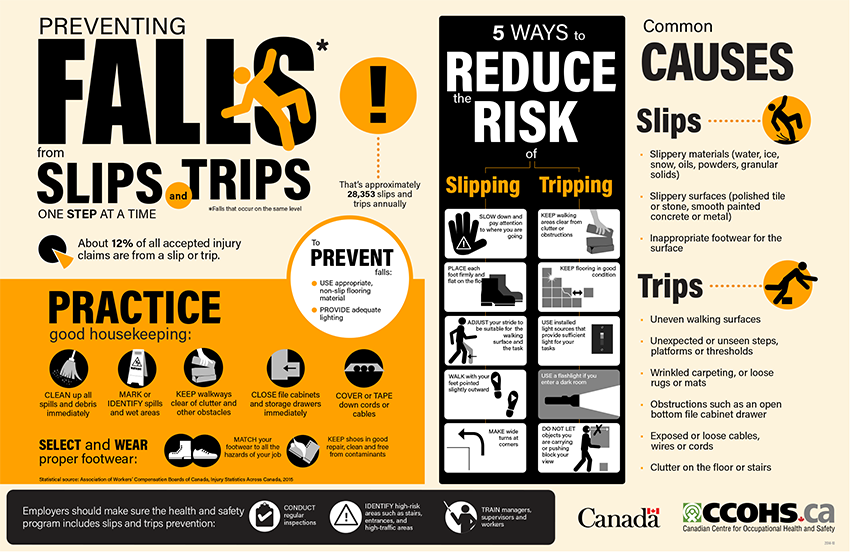
Common causes include falls, repetitive strain, and machinery accidents. Poor training and inadequate safety measures also contribute. Employers must prioritize safety protocols to prevent injuries effectively.
How Can Workplace Illnesses Be Minimized?
Implementing regular health checks and promoting hygiene can minimize workplace illnesses. Proper ventilation and protective gear are essential. Educating employees about potential hazards also plays a crucial role.
What Role Does Training Play In Prevention?
Training equips employees with essential safety knowledge, reducing the risk of accidents. Regular drills and updated courses ensure everyone is prepared. Continuous education enhances awareness and prevention strategies.
Why Is Equipment Maintenance Important?
Regular equipment maintenance prevents malfunctions that can lead to injuries. Well-maintained tools ensure smooth operation and safety. Scheduled checks help identify issues before they become hazardous.
Conclusion
Preventing workplace injuries and illnesses is crucial for safety. Simple steps can make a big difference. Always use protective gear and follow safety rules. Educate employees about potential hazards. Encourage open communication about safety concerns. Regular equipment checks help ensure safety.
Promote a culture of safety awareness. Prioritize employee well-being and health. This builds a safer workplace for everyone. Remember, prevention is key. Small actions today lead to safer tomorrow.