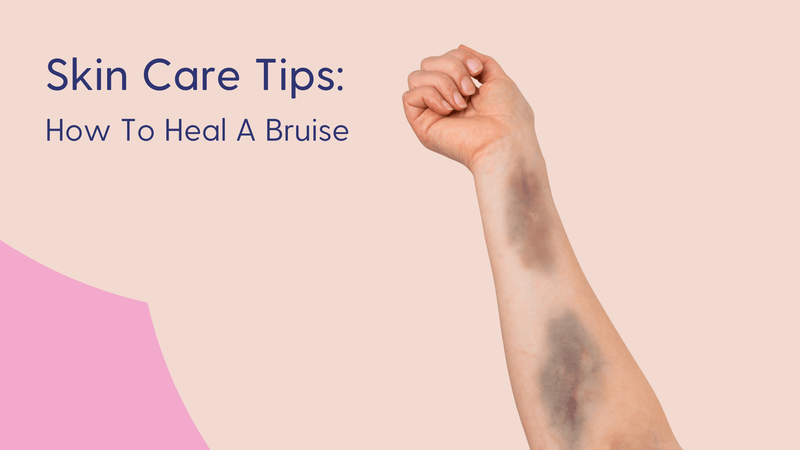
Picture this: you’ve just had a minor accident, maybe a small fall or a bump against the corner of a table. You feel okay, but you know what’s coming next—a bruise.
Those unsightly purple marks can be more than just a cosmetic concern. They can be painful and take days, sometimes weeks, to fade away. But what if you could reduce their severity or even prevent them altogether? That’s right; you have more control over bruising than you might think.
You’ll discover simple yet effective strategies to keep your skin looking clear and healthy after an injury. From quick action tips to home remedies, we’ve got you covered. Imagine the confidence of knowing you can minimize bruising, allowing you to focus on your day without the distraction of discomfort or visible marks. Stay with us, and unlock the secrets to maintaining your skin’s natural beauty and resilience.
Credit: health.clevelandclinic.org
Immediate Actions
Apply ice to the injured area immediately to reduce swelling. Elevate the affected limb to minimize blood flow. Wrap the area with a compression bandage to prevent further bruising.
After experiencing an injury, taking immediate action can significantly reduce the likelihood of bruising. Quick responses not only minimize discoloration but also speed up the overall healing process. With a few simple steps, you can take control of the situation and promote better recovery.Apply Ice
Applying ice is one of the most effective steps you can take to prevent bruising. Ice helps constrict blood vessels, reducing blood flow to the affected area. This limits the size and severity of the bruise. Wrap the ice in a cloth or towel to avoid direct contact with your skin, as this could cause frostbite. Apply the ice pack for 15-20 minutes at a time, allowing your skin to return to normal temperature before reapplying. Repeat this process several times throughout the day for optimal results.Elevate The Area
Elevation is a simple yet powerful way to combat bruising. By raising the injured area above heart level, you reduce blood flow and swelling. This can greatly diminish the size of any potential bruise. Consider using pillows or cushions to keep the injured area elevated while sitting or lying down. This is especially useful for injuries on limbs, such as arms or legs. Remember, even small adjustments in elevation can make a noticeable difference.Use Compression
Compression supports the injured area and helps prevent excessive swelling. By applying pressure, you can limit the size of the bruise and promote faster recovery. Compression wraps or elastic bandages work well for this purpose. Ensure the wrap is snug but not too tight, as excessive pressure could restrict circulation. Wear the compression wrap during the day and remove it at night to allow the area to breathe. Adjust the tightness as needed for comfort and effectiveness. By taking these immediate actions, you’re actively participating in your healing journey. Have you ever noticed how quickly a bruise can form? Acting swiftly can be the key to minimizing its impact.Diet And Nutrition
Eating foods rich in vitamin C and K can help strengthen blood vessels. Incorporate leafy greens and citrus fruits into your diet. Drinking plenty of water also aids in skin hydration, reducing bruising risk.
Diet and Nutrition play a vital role in preventing bruising after an injury. A balanced diet supports the body’s ability to heal effectively. Specific nutrients can strengthen blood vessels and promote tissue repair. Incorporating the right foods can make a noticeable difference in recovery time and bruise reduction. Below are key nutrients to consider for optimal recovery.Vitamin C And Bioflavonoids
Vitamin C strengthens blood vessel walls, reducing the chance of bruising. Citrus fruits, strawberries, and bell peppers are rich in Vitamin C. Bioflavonoids enhance Vitamin C absorption and support capillary health. They are found in citrus fruits and dark berries. Together, they boost collagen production, aiding in faster healing.Zinc And Protein Intake
Zinc plays a crucial role in cell repair. Foods like nuts, seeds, and whole grains are good sources of zinc. Protein aids in tissue regeneration, reducing the severity of bruises. Lean meats, legumes, and dairy products provide essential amino acids. A diet rich in these nutrients accelerates recovery.Hydration Importance
Proper hydration maintains skin elasticity and supports blood circulation. Drinking water helps flush out toxins, reducing bruise discoloration. Hydrated skin heals more efficiently, preventing prolonged bruising. Aim to drink at least eight glasses of water daily. Hydration supports overall health and recovery.Topical Treatments
Topical treatments can reduce bruising after an injury. Applying arnica gel or cream may help minimize bruising. Aloe vera gel can soothe the skin and support healing.
Topical treatments can be a game-changer when it comes to minimizing bruising after an injury. They offer a direct approach to soothe the affected area and speed up recovery. Imagine having the ability to reduce the appearance of a bruise within days, rather than watching it linger for weeks. Let’s dive into some popular topical treatments that can help you achieve just that.Arnica Gel
Arnica gel is a popular choice for reducing bruising. Derived from the Arnica Montana plant, this gel is known for its anti-inflammatory properties. Applying a thin layer can help decrease swelling and discoloration. Personal experience has shown that using arnica gel can make a noticeable difference within a few days. Have you ever tried it and witnessed the transformation yourself?Vitamin K Cream
Vitamin K cream is another effective option. It works by strengthening capillaries and facilitating faster healing. Regular application can reduce the severity of a bruise. If you’ve ever had a stubborn bruise that refuses to fade, Vitamin K cream might be the hero you need. Do you have a favorite brand that always does the trick for you?Essential Oils
Essential oils like lavender and chamomile can be soothing for bruises. These oils can reduce pain and promote healing when diluted and applied to the skin. Consider creating a simple blend by mixing a few drops with a carrier oil such as coconut or almond oil. Have you experimented with essential oils and found a combination that works wonders for your bruises?Lifestyle Adjustments
Preventing bruising after an injury often requires more than just immediate care—it involves adopting certain lifestyle adjustments that can make a big difference in your recovery journey. By making mindful choices in your daily activities, you can minimize the risk of bruising and speed up healing. Let’s explore some practical changes you can make.
Avoiding Aspirin
Aspirin is commonly used for pain relief, but did you know it can increase your risk of bruising? Aspirin thins your blood, making it harder for your body to stop bleeding. If you’re prone to bruising, consider using alternatives like acetaminophen or ibuprofen. Always consult your doctor before switching medications, especially if you take aspirin regularly for heart health.
Gentle Exercise
Exercise is essential for overall health, but high-impact activities can exacerbate bruising. Opt for gentle exercises like walking or swimming. These activities improve circulation without putting undue stress on your body. Listen to your body’s signals and adjust your routine accordingly to avoid further injury.
Protective Clothing
Wearing protective clothing can be a simple yet effective way to prevent bruises. Look for padded gear if you’re involved in sports or activities where falls are common. For everyday wear, choose clothing that provides coverage and support, like long sleeves and pants. It might seem trivial, but how many times have you bumped into a corner, only to find a bruise later?
Have you ever considered how a simple change in your daily habits could prevent bruising? These lifestyle adjustments are both practical and easy to implement. By adopting these strategies, you can take control of your body’s healing process and reduce the risk of bruising from future injuries.
Monitoring And Healing
Bruising after an injury can be troubling. Effective monitoring and healing are crucial to prevent complications. With proper care, you can track progress and support your body’s recovery. This guide provides essential tips for managing bruises effectively.
Tracking Progress
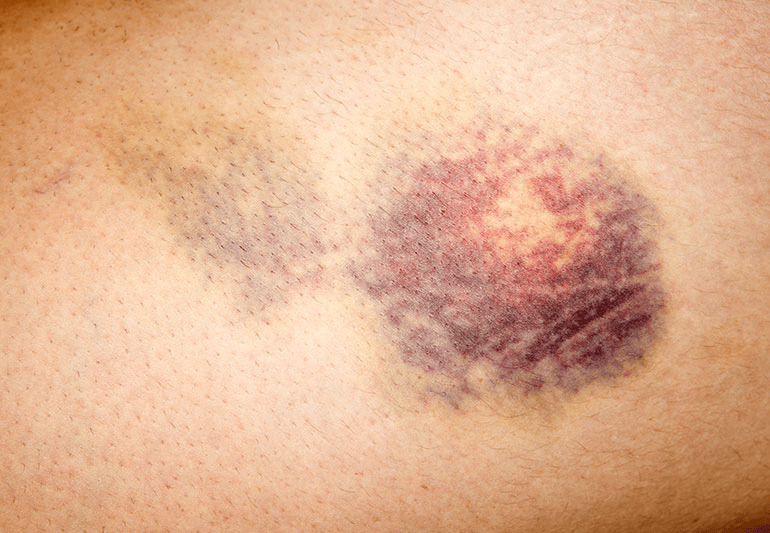
Keep an eye on the bruise’s color and size. Dark purple or blue marks signal recent bruising. As healing progresses, colors shift to green or yellow. Measure the bruise’s diameter regularly. Smaller size means recovery is on track. Take photos every few days for better tracking. This helps you notice subtle changes.
Rest And Recovery
Resting the injured area is vital. Avoid using the affected part too much. Elevate it to reduce swelling. Ice the bruise for 15 minutes every hour. This minimizes blood flow and swelling. Wrap the area with a bandage for support. Compression aids in reducing inflammation. Ensure you get adequate sleep. Sleep boosts healing processes.
When To Seek Medical Help
Seek medical advice if pain persists. Consult a doctor if bruising worsens. Large bruises may need professional care. Look for signs of infection like redness and warmth. Fever can indicate complications. Blood clotting issues require expert attention. Always err on the side of caution.

Credit: kinesiologysportstape.com

Credit: www.prevention.com
Frequently Asked Questions
How Can I Reduce Bruising Quickly?
To reduce bruising quickly, apply ice to the injured area immediately. Ice helps constrict blood vessels and reduce swelling. Elevate the bruised area above heart level to minimize blood flow. Avoid heavy activity to prevent worsening the bruise. Consider using over-the-counter creams containing Vitamin K.
What Foods Help Prevent Bruising?
Foods rich in Vitamin C and K can help prevent bruising. Citrus fruits, leafy greens, and bell peppers strengthen blood vessels. They promote collagen production, aiding tissue repair. Incorporate these foods into your diet for better skin health and reduced bruising risk.
Are There Effective Home Remedies For Bruising?
Effective home remedies for bruising include applying arnica gel or cream. Arnica has anti-inflammatory properties that can reduce bruising. Another option is using aloe vera gel for soothing relief. Cold compresses and rest can also aid in healing and minimizing bruise severity.
Does Vitamin K Cream Help With Bruises?
Yes, Vitamin K cream can help with bruises. It supports blood clotting, reducing bruise appearance. Applying Vitamin K cream directly to the bruise can accelerate healing. It also helps strengthen capillaries, preventing further bruising. Consult with a healthcare provider for specific recommendations.
Conclusion
Preventing bruising after an injury is simple and effective. Apply ice immediately to reduce swelling. Elevate the injured area to minimize blood flow. Wear protective gear during risky activities. Eating a balanced diet supports skin health. Stay hydrated for better healing.
Avoid medications that may increase bruising. Consult a doctor for severe cases. Consistent care and attention help keep bruises at bay. By following these steps, you can recover faster and feel better. Prioritize your health and take necessary precautions. Your body will thank you for it.
Stay safe and heal well.