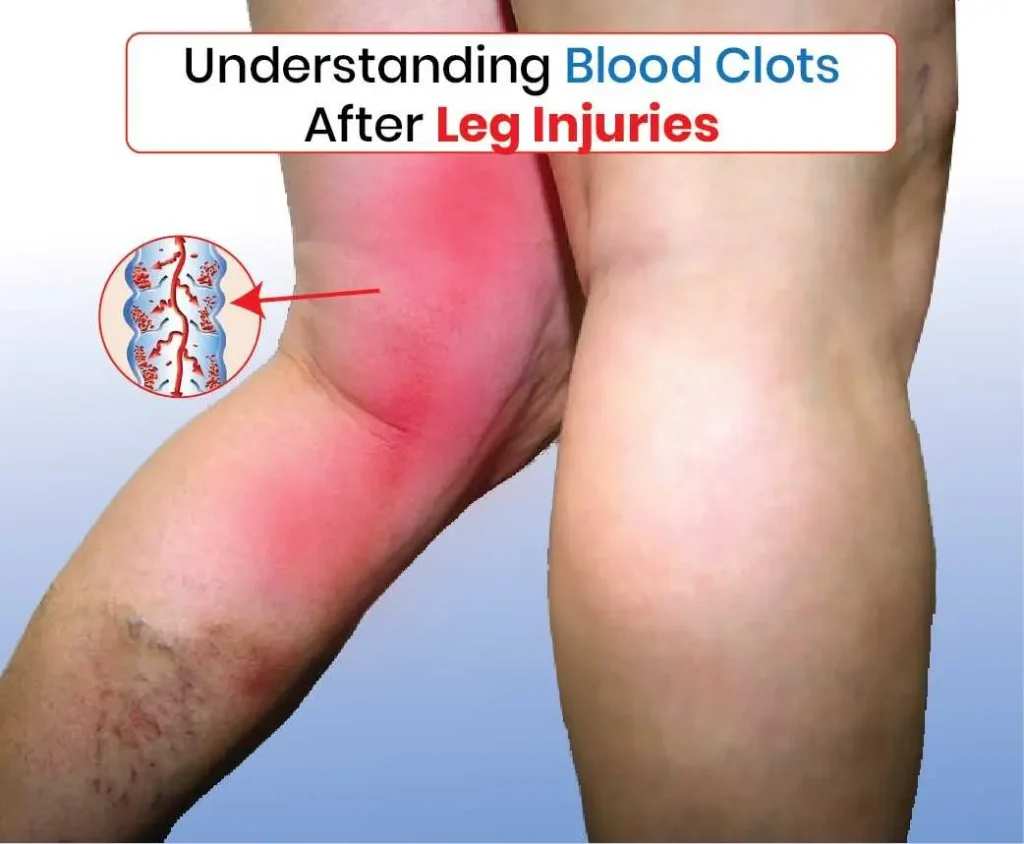
Have you ever wondered about the hidden dangers lurking beneath the surface when you get injured? One of the most concerning risks is the formation of blood clots.
These tiny clumps can be more than just a nuisance; they can lead to serious health complications if not addressed promptly. You might think it’s something that only happens to others, but the truth is, anyone can be at risk.
Imagine the peace of mind you’d feel knowing exactly how to prevent these sneaky clots from taking hold after an injury. You’ll uncover simple yet effective strategies to safeguard your health and keep those blood clots at bay. Stay with us, and you’ll gain invaluable insights that could make all the difference in your recovery journey.
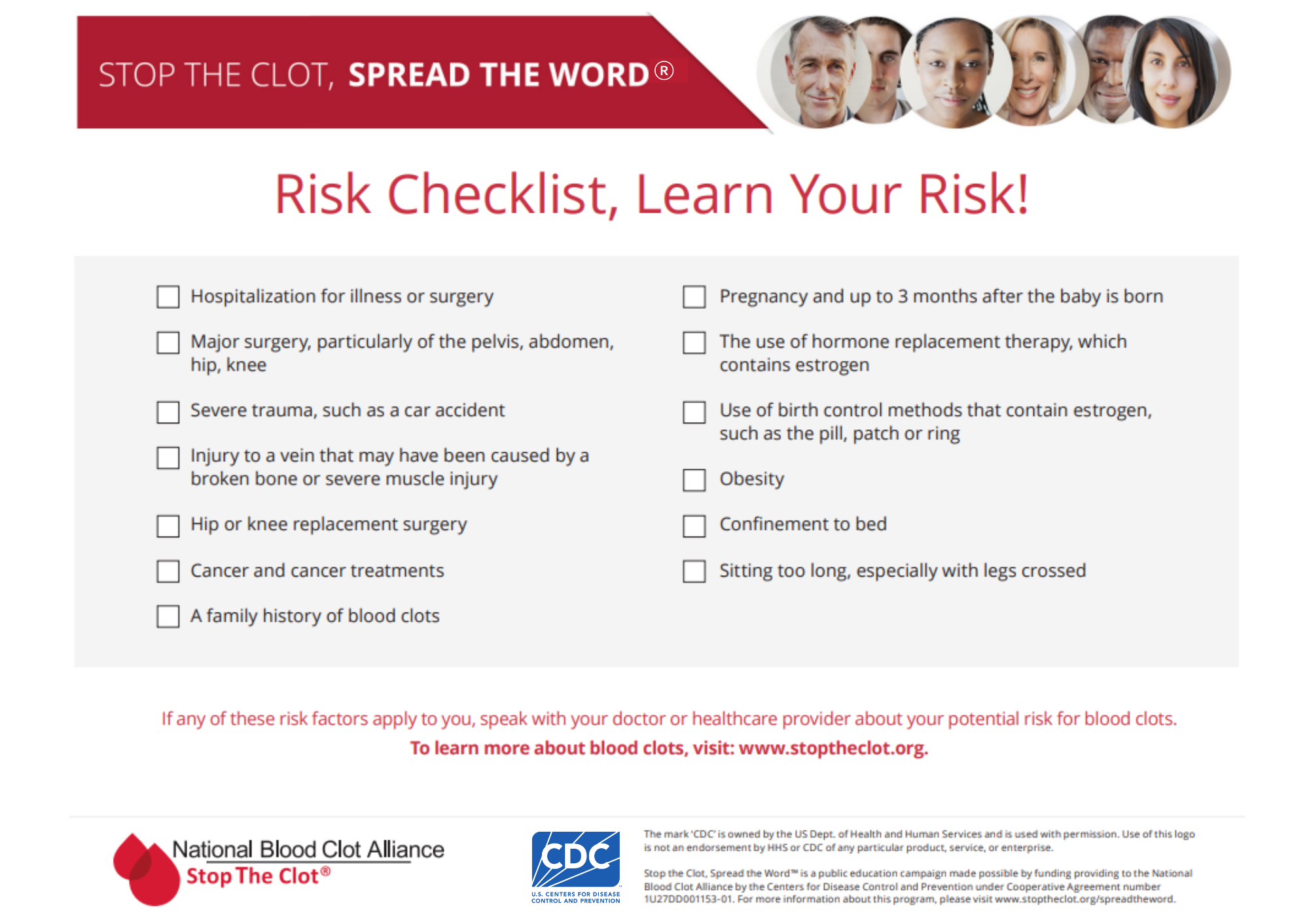
Credit: www.stoptheclot.org
Understanding Blood Clots
Understanding blood clots is crucial for preventing complications after an injury. Blood clots are gel-like clumps of blood. They form when blood changes from liquid to solid. This is a normal body response to stop bleeding. But sometimes, clots can form inappropriately. This poses health risks, especially after an injury.
What Are Blood Clots?
Blood clots are masses of blood that have changed from liquid to solid. They prevent excessive bleeding. The body naturally forms clots when you get a cut or injury. This process is essential for healing. But clots can sometimes block blood flow. This can lead to serious health problems.
Causes Of Blood Clots After Injury
Injuries can increase the risk of blood clots. The body activates clotting factors to repair damaged tissues. This can lead to clot formation. Some injuries cause reduced movement. Immobility can slow blood circulation. Slow circulation can trigger clot formation. Additionally, inflammation from injuries can affect blood vessels. This can also lead to clotting. Understanding these causes helps in managing risks.
Symptoms Of Blood Clots
Blood clots can cause swelling, pain, and redness. Staying active and hydrated helps prevent them after an injury. Wearing compression garments and elevating injured areas also reduces risk.
Understanding the symptoms of blood clots is crucial after an injury. Blood clots can be life-threatening if not identified early. Recognizing symptoms ensures timely medical intervention. This knowledge can save lives.Common Signs To Watch For
Blood clots can present with various symptoms. Swelling in the affected area is a common sign. Pain or tenderness may occur without a clear cause. You might feel warmth near the clot. Look for redness or discoloration on your skin. These signs often point to a blood clot.When To Seek Medical Attention
Seek medical help if symptoms worsen. Difficulty breathing is a serious sign. Sudden chest pain requires immediate attention. Rapid heartbeat can indicate a clot. Dizziness or fainting is also alarming. Medical professionals should evaluate these symptoms quickly. Early treatment can prevent complications.Importance Of Prevention
Preventing blood clots after an injury is crucial. Blood clots can cause serious health issues. They may not always be visible, but their impact can be severe. Taking early precautions helps ensure safety and well-being.
Risks Associated With Blood Clots
Blood clots can occur in anyone. They are more common in those with certain health conditions. Immobility after an injury increases the risk. This happens because the blood flow slows down. Clots can travel to vital organs. This may lead to life-threatening situations.
Understanding the risks aids in early prevention. It helps in taking timely action. This reduces potential health complications.
Long-term Health Implications
Ignoring blood clots can lead to chronic health issues. Clots can cause damage over time. They might lead to complications such as deep vein thrombosis. This can result in persistent pain and swelling.
In some cases, clots can affect heart health. They may lead to conditions like pulmonary embolism. Such conditions are serious and require long-term treatment.
Being aware of these implications is vital. It encourages individuals to follow preventive measures. This ensures better health outcomes and quality of life.
Lifestyle Changes
Prevent blood clots after injury by staying active and hydrated. Elevate the injured area to improve circulation. Maintain a balanced diet rich in fruits and vegetables to support healthy blood flow.
Lifestyle changes can significantly reduce the risk of blood clots after an injury. Adopting healthy habits supports circulation and enhances recovery. Small adjustments in daily routines can make a big difference. Focus on diet and exercise to improve overall health. These changes promote better blood flow and reduce clotting risk.Diet And Nutrition
A balanced diet plays a vital role in preventing blood clots. Include foods rich in omega-3 fatty acids like fish. These help improve blood flow. Add fruits and vegetables for their antioxidants. They support a healthy circulatory system. Whole grains, such as oats and brown rice, provide essential fiber. This helps reduce cholesterol levels, promoting better heart health. Limit intake of saturated fats and processed foods. They can increase clotting risks. Stay hydrated by drinking plenty of water throughout the day.Exercise And Physical Activity
Regular exercise is crucial for maintaining good circulation. Aim for at least 30 minutes of physical activity daily. Walking, swimming, or cycling are excellent choices. These activities improve blood flow and strengthen the heart. Avoid sitting for long periods. Take short breaks to stand and stretch every hour. Simple leg exercises, like ankle circles, boost circulation. Consider yoga or tai chi for flexibility and stress reduction. Both enhance overall body function.Medical Interventions
Preventing blood clots after an injury is crucial. Medical interventions play a significant role in this process. Doctors use various strategies to minimize clot formation. These interventions help in recovery and ensure safety. Below are some key methods used in medical interventions.
Medications And Treatments
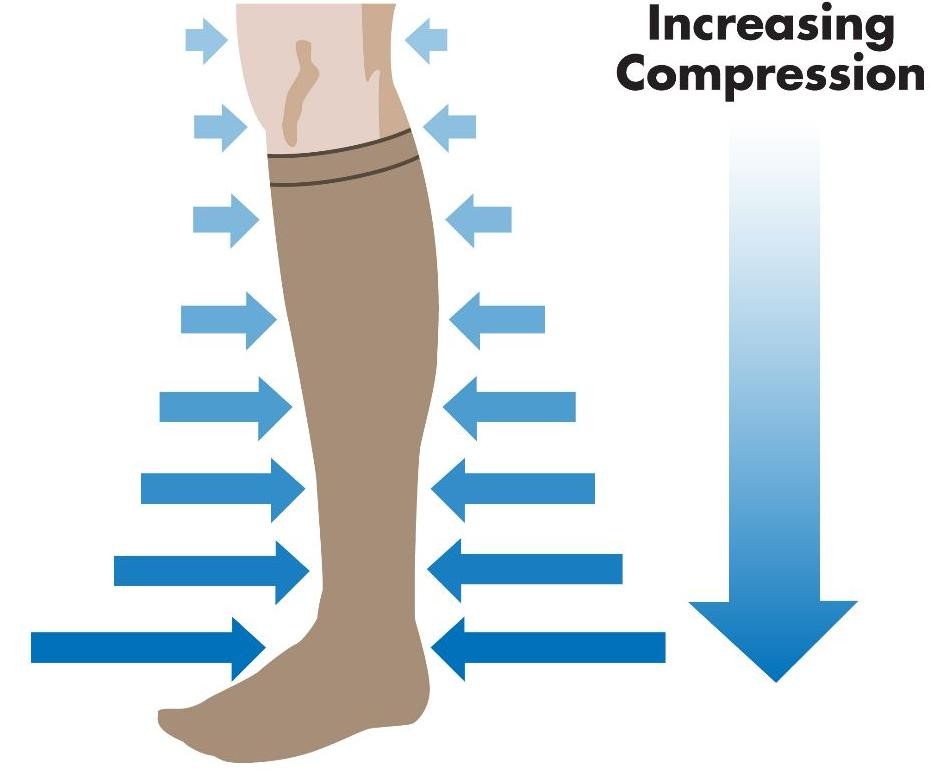
Doctors often prescribe anticoagulants to reduce clot risks. These medications thin the blood, making clot formation harder. They monitor dosage to avoid excessive bleeding. Compression stockings are another effective treatment. They improve blood flow in the legs, reducing clot chances. Sometimes, doctors recommend physical therapy. Gentle exercises boost circulation and minimize clot risks. In specific cases, surgical procedures may be necessary. They remove clots or prevent them from traveling to critical areas.
Monitoring And Follow-up Care
Regular monitoring is essential after an injury. Doctors conduct tests to check blood clotting levels. This helps in adjusting medication doses for optimal results. Follow-up appointments ensure recovery is on track. Patients receive guidance on lifestyle changes to support healing. Simple actions like walking regularly can help. Proper hydration aids in maintaining healthy blood flow. These steps make a big difference in preventing clots. Continuous medical support ensures long-term health benefits.
Credit: thrombosis.org
Natural Remedies
Natural remedies can aid in preventing blood clots after an injury. Stay hydrated and consume foods rich in omega-3 fatty acids. Consider gentle exercises like walking to improve circulation and reduce clot risks naturally.
Natural remedies can help prevent blood clots after an injury. They offer a gentle approach to support your body’s healing. By incorporating these remedies, you may reduce the risk of clot formation. This approach can be both effective and easy to implement.Herbal Supplements
Certain herbs have natural properties that help prevent blood clots. Ginger is a popular choice due to its blood-thinning qualities. It can be consumed as tea or added to meals. Turmeric contains curcumin, which may improve blood circulation. Use it in cooking or as a supplement. Garlic is known for its ability to enhance blood flow. You can eat it raw or use it in recipes. Ginkgo biloba improves circulation and may reduce clot risk. Available in capsule form, it’s easy to include in your routine.Home Practices
Simple home practices can support blood flow and prevent clots. Elevate the injured limb to reduce swelling and improve circulation. Use pillows to keep the limb raised comfortably. Gentle exercises like walking can also help. They keep the blood moving and prevent stagnation. Avoid sitting for long periods to reduce clot risk. Stay hydrated by drinking plenty of water. This helps maintain proper blood viscosity. Loose clothing can improve circulation around the injured area. Tight clothes may restrict blood flow and increase clot risk.Role Of Healthcare Professionals
Healthcare professionals play a crucial role in preventing blood clots after injury. They educate patients on proper movement techniques and prescribe medication that reduces clotting risks. Monitoring and adjusting treatment plans ensures patient safety and promotes healing.
The role of healthcare professionals in preventing blood clots after an injury is crucial. They offer expert advice and tailored treatment plans to ensure your recovery is smooth and complication-free. With their guidance, you can significantly reduce the risk of developing blood clots and safeguard your health.Consulting Specialists
When you sustain an injury, consulting with specialists can be a game-changer. A hematologist, for instance, can assess your risk factors for blood clots and recommend specific measures. Whether it’s medication, lifestyle changes, or both, these experts tailor their advice to fit your unique needs. Perhaps you’ve experienced uncertainty about whether you should see a specialist. Remember, seeking their expertise can provide peace of mind and potentially prevent serious health complications. Wouldn’t you want to be proactive and stay one step ahead?Regular Check-ups
Regular check-ups with your healthcare provider are essential in monitoring your recovery and preventing blood clots. These appointments allow your doctor to track your progress and adjust your treatment as needed. They can detect any early signs of clotting and intervene promptly. Imagine catching a potential problem before it becomes serious. With routine visits, your healthcare team can ensure you’re on the right path to recovery. Do you prioritize regular medical check-ups as part of your healing process? If not, it might be time to reconsider. By staying engaged with your healthcare professionals, you’re taking an active role in your health journey.Preventive Measures For Specific Injuries
Stay active to promote healthy blood circulation and reduce the risk of clots after an injury. Wearing compression garments can further help prevent clot formation.
Preventing blood clots after an injury is crucial to ensure a speedy recovery and avoid complications. Different injuries require tailored approaches to minimize the risk of clot formation. By understanding the specific preventive measures for various injuries, you can take proactive steps to protect your health and enhance your healing process. Let’s explore how you can effectively manage the risk of blood clots with specific types of injuries.Sports Injuries
Sports injuries are common, and while they often seem minor, they can lead to serious complications if not managed properly. When you sustain a sports injury, it’s important to keep moving as much as possible without aggravating the injury. Gentle exercises can improve circulation, which is vital in preventing blood clots. Consider incorporating light stretching and walking into your routine, if applicable. Hydration plays a pivotal role in maintaining healthy blood flow. Ensure you drink plenty of water throughout the day to keep your blood from thickening. Compression garments can also be beneficial, as they help maintain blood circulation in the affected area. Consult with a medical professional to determine the best type of compression wear for your specific injury.Post-surgery Recovery
After surgery, the risk of blood clots increases due to immobility and changes in your body’s blood chemistry. It’s crucial to follow your doctor’s advice regarding movement. Early mobilization, even if it’s just getting out of bed, can significantly reduce the risk of clots. Make sure to discuss with your healthcare provider about blood-thinning medications if they’re appropriate for your situation. These medications can be essential in preventing clots after surgery. Another useful practice is to elevate the affected limb, if feasible, to promote better blood flow. Using pillows or specially designed cushions can help you achieve the right position. Have you ever considered how your diet could influence your recovery? Incorporating foods rich in omega-3 fatty acids, like salmon and walnuts, can aid in keeping your blood vessels healthy. These small adjustments could make a significant difference in preventing blood clots after surgery. Remember, each injury requires a unique approach. Understanding your body and listening to professional advice will guide you in taking the right steps toward recovery.Tips For Travelers
Traveling after an injury requires caution to prevent blood clots. Elevate the injured limb to aid circulation. Stay hydrated and move regularly to keep blood flowing smoothly.
Traveling after an injury requires careful planning. Blood clots can be a concern, especially on long journeys. These tips aim to help travelers stay safe and healthy. Simple measures can make a big difference in preventing blood clots.Managing Long Flights
During long flights, sitting for extended periods can increase clot risk. It’s crucial to keep blood circulating. Wear compression stockings. These can help improve blood flow. Drink plenty of water to stay hydrated. Avoid alcohol and caffeine, which can dehydrate. Try to stand up and stretch every hour. Walk up and down the aisle if possible. This movement keeps blood flowing and reduces clot chances.Travel-friendly Exercises
Simple exercises can promote circulation and prevent clots. Here are a few you can do while seated:- Heel Raises: Lift your heels while keeping toes on the floor.
- Toe Taps: Tap your toes on the ground rapidly.
- Ankle Circles: Rotate your ankles in circles, both clockwise and counterclockwise.

Credit: coastalvascular.net
Community Support
After an injury, preventing blood clots is crucial. Community support plays a significant role in this process. Local groups can offer help and guidance. They provide information on prevention methods. Awareness campaigns educate and empower individuals. They can make a big difference in public health.
Support Groups
Support groups offer emotional and practical help. They connect people facing similar challenges. Members share experiences and strategies for prevention. These groups can be local or online. They create a sense of belonging and understanding. Joining a group can reduce feelings of isolation.
Awareness Campaigns
Awareness campaigns spread knowledge about blood clot prevention. They reach large audiences through various media channels. Campaigns often involve partnerships with healthcare organizations. They provide educational materials and resources. Public events and seminars increase community engagement. These efforts aim to inform and empower individuals.
Frequently Asked Questions
What Are Blood Clots After Injury?
Blood clots are gel-like masses formed by platelets and fibrin in the blood to prevent bleeding. While they are crucial for healing, excessive clotting can lead to complications. It’s essential to manage and monitor clots after injury to avoid potential health risks like deep vein thrombosis or pulmonary embolism.
How Can Exercise Prevent Blood Clots?
Regular exercise boosts circulation and helps prevent blood clots by keeping blood flowing smoothly. Activities like walking, stretching, and leg exercises reduce the risk of clots forming. Aim for at least 30 minutes of moderate exercise daily. Always consult a healthcare professional before starting a new exercise regimen, especially after an injury.
Why Is Hydration Important After An Injury?
Staying hydrated keeps your blood from thickening and reduces the risk of clots. Water aids in maintaining proper blood consistency and flow. Aim for 8-10 glasses daily unless otherwise directed by a doctor. Dehydration can increase clotting risks, so it’s crucial to maintain adequate fluid intake, especially during recovery.
Can Diet Influence Blood Clot Prevention?
Yes, a balanced diet plays a role in preventing blood clots. Foods rich in omega-3 fatty acids, like fish, and vitamin E, like nuts, can help reduce clot risk. Limit foods high in vitamin K, such as leafy greens, if you’re on blood-thinning medication, as they can interfere with treatment.
Conclusion
Preventing blood clots after an injury is crucial. Simple steps help reduce risks. Stay active and move around often. Drink plenty of water daily. Wear compression socks if needed. Follow your doctor’s advice closely. Be aware of signs like pain or swelling.
Quick action can prevent complications. Keep a healthy lifestyle with balanced diet and exercise. Remember, small changes make a big difference. Keep safety first, always. Awareness and prevention go hand in hand. Stay informed to protect your health.