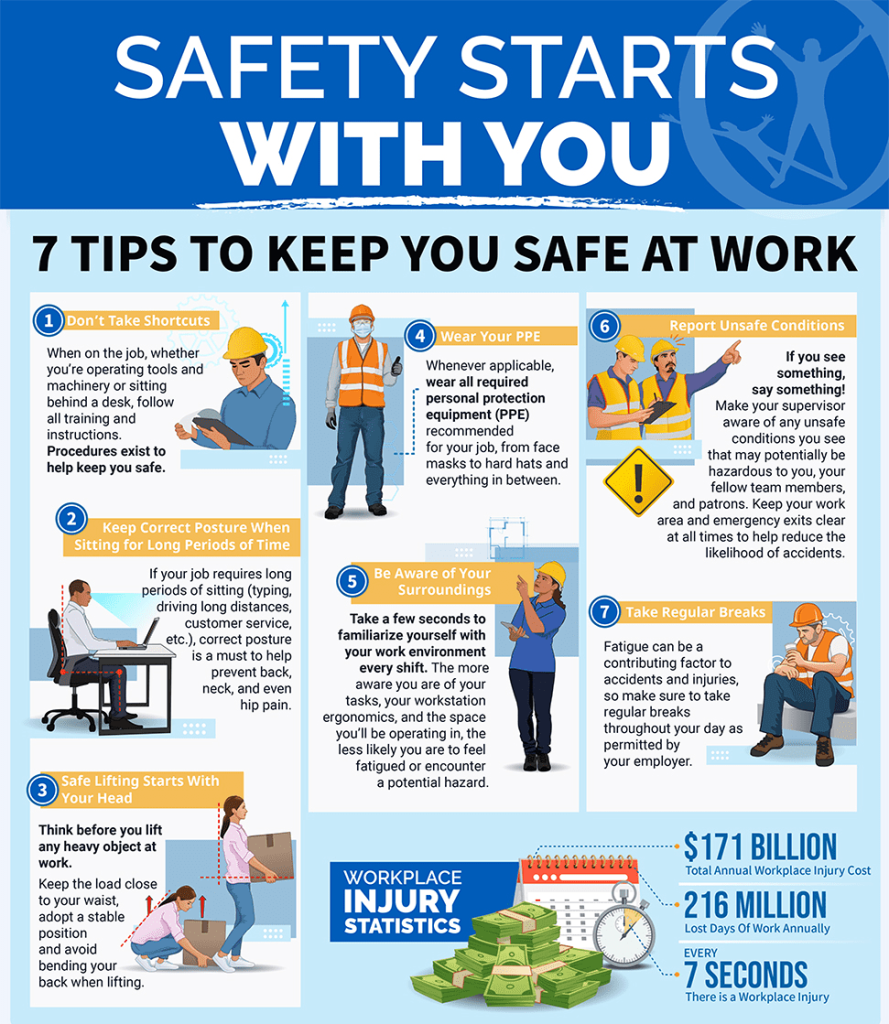
Imagine starting your workday with confidence, knowing you’re safe and sound. Workplace injuries can disrupt not only your routine but also your peace of mind.
They can lead to unexpected downtime, medical expenses, and even long-term health issues. But what if you could take simple steps to protect yourself and your colleagues? Understanding how to prevent workplace injuries isn’t just about following rules—it’s about creating a safe environment where you can thrive.
In this guide, you’ll discover effective strategies to minimize risks and ensure safety at work. Whether you’re in an office or on a construction site, these tips are tailored to help you stay secure and focused. Ready to transform your workspace into a sanctuary of safety? Let’s dive in and empower you with the knowledge to prevent injuries before they happen.
Common Causes Of Workplace Injuries
Slippery floors, heavy lifting, and poor ergonomics often lead to workplace injuries. Regular training and proper equipment use can greatly reduce risks.
Workplace injuries can disrupt not only your daily routine but also your overall well-being. Understanding the common causes of these injuries is the first step in preventing them. Whether you’re working in a bustling office or a dynamic construction site, being aware of the risks can significantly reduce the likelihood of accidents. Let’s delve into some prevalent causes of workplace injuries that might surprise you.Slip And Fall Accidents
Slip and fall accidents are alarmingly common in workplaces, often resulting from wet floors, uneven surfaces, or cluttered walkways. Have you ever noticed a colleague awkwardly maneuvering around a spillage or tripping over cables? These situations can easily lead to injuries. To combat this, ensure that walkways are clear and spills are promptly cleaned. Encourage your workplace to invest in non-slip mats and adequate lighting.Repetitive Strain Injuries
Repetitive strain injuries (RSIs) are often overlooked but can have lasting effects. They’re caused by prolonged repetitive movements, such as typing or using a mouse for extended periods. If you’ve experienced discomfort in your wrists or shoulders, you might be facing an RSI. Consider ergonomic furniture and take regular breaks to stretch. Simple adjustments, like a properly aligned desk chair, can make a world of difference.Machine-related Incidents
Machine-related incidents can be severe, especially in industrial settings. These occur when safety protocols are ignored or machinery is improperly maintained. Imagine a machine malfunctioning because of neglected checks—this can lead to catastrophic accidents. Always follow safety guidelines and ensure regular maintenance checks are conducted. Your vigilance could prevent a major incident.Chemical Hazards
Chemical hazards are prevalent in workplaces where chemicals are used or stored. Improper handling or storage can lead to dangerous exposures. Have you ever considered the impact of a chemical spill due to improper sealing? To minimize risks, ensure proper labeling and storage of chemicals. Training in handling hazardous materials is crucial for everyone involved. Is your workplace prepared to tackle these common causes of injuries? Taking proactive steps can not only safeguard your well-being but also foster a safer work environment for everyone. Implementing these insights can make a significant difference in preventing workplace injuries.Implementing Safety Protocols
Implementing safety protocols reduces workplace injuries by maintaining organized spaces and clear guidelines. Regular training ensures employees understand and follow safety measures.
Implementing Safety Protocols is essential for preventing workplace injuries. Establishing clear and effective safety measures can significantly reduce risks and create a safer environment for everyone. It’s not just about ticking boxes but ensuring that every employee feels secure and knowledgeable about how to maintain safety standards. How can you ensure that your workplace is a fortress against accidents?Safety Training Programs
Safety training programs should be a cornerstone of your safety protocols. Regular sessions that are interactive and engaging help employees understand and remember safety procedures. Consider incorporating role-playing scenarios to simulate potential hazards. This hands-on approach can be more impactful than a lecture and ensures that everyone knows exactly what to do in case of an emergency. Also, encourage employees to share their experiences and suggestions. This fosters a culture of collaboration and continuous improvement, making safety a shared responsibility.Regular Safety Audits
Conducting regular safety audits is crucial for identifying risks before they turn into accidents. These audits should be thorough and involve all areas of the workplace. Create a checklist that covers everything from equipment maintenance to proper signage. This ensures no detail is overlooked and provides a clear framework for evaluation. Invite feedback from employees during audits. They might spot hazards that are not immediately apparent to auditors and can provide valuable insights into everyday challenges.Emergency Procedures
Emergency procedures must be clear and accessible to everyone in the workplace. Knowing what to do in a crisis can save lives and prevent chaos. Post clear instructions in visible areas, and ensure they are reviewed regularly. You might even consider sending periodic reminders via email to keep these procedures fresh in everyone’s mind. Conduct drills regularly to reinforce these procedures. Real-life practice helps employees react instinctively in emergencies, minimizing panic and confusion.Promoting Ergonomics
Prevent workplace injuries by promoting ergonomics. Adjust workstations and tools to fit employees’ needs. Encourage regular breaks and proper posture to reduce strain and discomfort.
Promoting ergonomics in the workplace can greatly reduce injuries. Ergonomics refers to designing workspaces that fit the employee’s needs. It ensures comfort and efficiency. Many workplace injuries result from poor ergonomic practices. By focusing on ergonomics, companies can protect their employees. This leads to a healthier work environment.Proper Workstation Setup
A well-organized workstation prevents strain and discomfort. Start with the chair. It should support the lower back. Adjust the chair height so feet rest flat on the floor. The monitor should be at eye level. This prevents neck strain. Keep the keyboard and mouse close. This avoids overreaching. Ensure enough space for the legs under the desk.Ergonomic Equipment
Investing in ergonomic equipment is wise. Ergonomic chairs offer better support. They often have adjustable features. These include armrests and seat height. A good chair makes a big difference. Ergonomic keyboards reduce wrist strain. They often have a split design. This supports natural hand positioning. Consider using a mouse with ergonomic features. It can prevent carpal tunnel syndrome.Posture And Movement Techniques
Good posture protects the spine. Sit with a straight back. Keep shoulders relaxed. Avoid slouching. Movement is important too. Take short breaks to stretch. This reduces muscle tension. Stand up and walk around. It improves circulation. Encourage employees to practice these techniques. They lead to fewer injuries.
Credit: www.linkedin.com
Fostering A Safety Culture
Creating a safety culture in the workplace is essential to prevent injuries. It involves everyone taking responsibility for a safe environment. This commitment must be visible in daily actions and policies. Employees should feel empowered to contribute to safety efforts.
Encouraging Reporting Of Hazards
Employees must feel safe reporting potential dangers without fear. Set up easy channels for hazard reporting. Anonymous options can help increase reports. Quick responses to reports show commitment to safety. Regular feedback on reported hazards builds trust.
Rewarding Safe Practices
Recognizing and rewarding safe behavior encourages more of it. Implement a reward system for employees who follow safety protocols. Public recognition can motivate others to adopt safe practices. Simple rewards like gift cards or certificates are effective.
Leadership’s Role In Safety
Leaders play a crucial role in fostering a safety culture. They must model safe behavior and prioritize safety in decisions. Regular safety meetings led by management can reinforce safety importance. Leaders should also provide necessary resources for safety improvements.
Utilizing Personal Protective Equipment
Preventing workplace injuries is a top priority for every business. Personal Protective Equipment (PPE) plays a crucial role in keeping workers safe. PPE acts as a shield against potential hazards. It is essential to understand the types, correct usage, and maintenance of PPE. This ensures effective protection and minimizes risks.
Types Of Protective Gear
Various protective gear is designed for different hazards. Hard hats protect the head from falling objects. Safety goggles shield the eyes from debris and chemicals. Gloves are essential for handling sharp or hot materials. Protective clothing reduces exposure to harmful substances. Hearing protection is vital in noisy environments. Each type of gear addresses specific risks.
Correct Usage Of Equipment
Proper usage of PPE is crucial for safety. Always wear gear according to instructions. Ensure the equipment fits snugly. Loose gear may not offer full protection. Double-check fastenings and straps. Incorrect usage can lead to injuries. Training on correct usage is beneficial. Workers should practice wearing gear regularly.
Maintenance And Inspection
Regular maintenance keeps PPE effective. Clean gear after use to remove contaminants. Inspect equipment for wear and tear. Replace damaged or expired items promptly. Keep a record of inspections. Store PPE in a clean, dry place. Maintenance ensures reliability and longevity. Regular checks prevent equipment failure.

Credit: www.instagram.com
Addressing Mental And Physical Health
Preventing workplace injuries involves promoting safe practices and regular training. Encourage employees to use protective gear and maintain awareness of their surroundings. Regular breaks and ergonomic setups can also help reduce physical strain and improve overall health.
Addressing both mental and physical health is crucial for preventing workplace injuries. Employees perform better when they feel good mentally and physically. A healthy workforce reduces the risk of accidents and enhances productivity. Companies should provide programs that support mental well-being and physical fitness. These initiatives create a safer and more supportive work environment.Stress Management Programs
Stress affects job performance and increases the risk of injuries. Offering stress management programs can mitigate these effects. Workshops on mindfulness and relaxation techniques help employees manage stress. Regular breaks and a balanced workload also reduce stress levels. Create an open environment where employees feel safe to discuss stress-related issues.Physical Fitness Initiatives
Encouraging physical fitness is key to reducing workplace injuries. Healthy employees are less prone to accidents. Organize activities that promote physical health, like yoga or walking groups. Provide gym memberships or fitness classes as part of employee benefits. Ensure workstations support good posture and comfort to prevent physical strain.Mental Health Support
Mental health plays a significant role in workplace safety. Employees need access to mental health support to stay productive. Provide resources like counseling services or mental health days. Train managers to recognize signs of mental health issues. Encourage open conversations about mental well-being to remove stigma.Technology And Innovation In Safety
Technology and innovation play a crucial role in preventing workplace injuries. New tools make work environments safer and more efficient. Companies are adopting advanced solutions to protect their employees. These innovations can save lives and reduce accident rates. Explore how modern technology enhances safety in the workplace.
Safety Apps And Software
Safety apps and software track potential hazards and provide alerts. They offer real-time updates to keep workers informed. Many apps include training modules and guidelines for safe practices. These tools help ensure compliance with safety regulations. Companies can customize apps to fit their specific needs. This tailored approach increases effectiveness and worker engagement.
Automation And Robotics
Automation reduces human error and enhances productivity. Robots handle dangerous tasks, minimizing risk to workers. Automated systems monitor safety conditions continuously. They respond faster to emergencies than humans can. Using robots for repetitive tasks prevents strain and injury. Businesses benefit from improved efficiency and worker safety.
Wearable Technology For Safety
Wearable devices monitor workers’ health and environment. Smart helmets, gloves, and vests track vital signs. They detect fatigue, temperature changes, and hazardous gases. Alerts prompt workers to take action before accidents occur. Wearables can also send data to supervisors for analysis. This information helps improve workplace safety policies.
Legal And Regulatory Compliance
Preventing workplace injuries is not only about creating a safe environment but also about adhering to legal and regulatory compliance. Understanding the laws and regulations surrounding workplace safety is crucial for employers and employees alike. Ensuring compliance with these standards protects everyone in the workplace and avoids costly penalties. Let’s explore how you can effectively navigate these legal requirements.
Understanding Workplace Safety Laws
Workplace safety laws are designed to protect employees from hazards. These laws vary by region, but generally cover aspects like equipment safety, emergency procedures, and mandatory training. Are you familiar with the specific regulations that apply to your industry?
Consider the Occupational Safety and Health Administration (OSHA) in the United States, which sets and enforces standards to ensure safe and healthy working conditions. Knowing the laws applicable to your business can prevent accidents and ensure peace of mind.
Ensuring Compliance
Compliance isn’t just about ticking boxes; it’s about fostering a culture of safety. Regular audits and assessments can help identify risks and rectify them promptly. Have you thought about conducting regular safety drills to keep procedures fresh in everyone’s mind?
Training is another key element. Providing employees with the knowledge and skills needed to perform their tasks safely can significantly reduce the risk of injury. When was the last time you updated your training program?
Impact Of Non-compliance
Non-compliance can lead to severe consequences, including legal penalties, financial loss, and damage to reputation. Consider the impact on employee morale when safety isn’t prioritized. How would non-compliance affect your team’s trust and productivity?
Moreover, workplace injuries can result in increased insurance premiums and potential lawsuits. Is it worth risking the financial stability of your business by ignoring legal requirements?

Credit: arrowheadtribal.com
Frequently Asked Questions
What Are Common Workplace Injuries?
Common workplace injuries include slips, trips, falls, cuts, burns, and strains. These can occur from improper lifting, wet floors, or faulty equipment. Understanding these risks can help in implementing safety measures and training. Regular inspections and maintenance can also play a crucial role in injury prevention.
How Can Safety Training Prevent Injuries?
Safety training educates employees on recognizing hazards and using equipment properly. It promotes awareness and encourages safe practices. Regular training sessions keep safety protocols fresh in employees’ minds. This reduces the likelihood of accidents and ensures a safer work environment.
Why Is Ppe Important In Injury Prevention?
Personal Protective Equipment (PPE) shields workers from potential hazards. It includes helmets, gloves, and goggles, tailored to specific risks. Wearing PPE reduces the risk of injury and illness. Ensuring proper use and maintenance of PPE is crucial for effective protection.
How Does Ergonomics Reduce Workplace Injuries?
Ergonomics involves designing workspaces to fit employee needs. It helps reduce physical strain and prevent musculoskeletal injuries. Proper chair adjustments and desk setups are examples. Implementing ergonomic practices enhances comfort and productivity, leading to fewer injuries.
Conclusion
Preventing workplace injuries is vital for a safe environment. Prioritize safety training. Encourage open communication about hazards. Ensure equipment maintenance regularly. Implement clear safety protocols. Promote a culture of vigilance and care. Employees should feel empowered to report risks. Regular inspections can catch potential dangers early.
Stay updated with safety regulations. A proactive approach reduces accidents. Everyone benefits from a safer workplace. Happy and healthy employees perform better. A little effort in prevention goes a long way. Always prioritize safety for a productive work setting. Stay committed to creating a safer tomorrow.