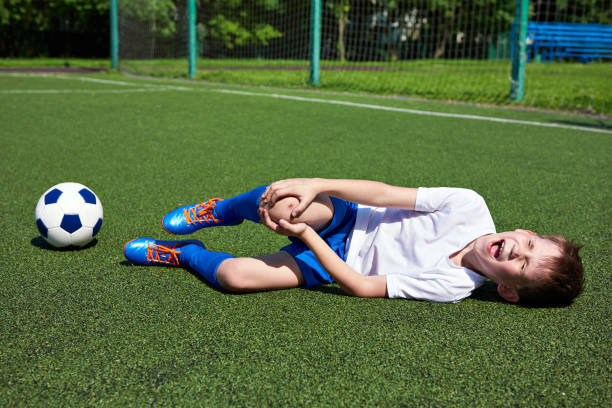
Imagine you’re on the football field, adrenaline pumping, ready to score the winning goal. But then, out of nowhere, an injury sidelines you.
Frustrating, right? Football injuries can be devastating, whether you’re a professional athlete or simply playing for fun. But what if there was a way to reduce the risk? We dive into practical, science-backed strategies to keep you safe on the field.
You’ll discover tips that can help you maintain your peak performance without the fear of injuries holding you back. Let’s explore how you can stay in the game, stronger and healthier, for longer. Don’t let injuries dictate your football journey—read on to learn how to prevent them effectively.
Warm-up And Stretching
Proper warm-up and stretching routines can significantly reduce football injuries. Preparing muscles before play increases flexibility and blood flow. This helps lower the risk of strains and sprains on the field.
Warm-Up and stretching are crucial for football players. They help prevent injuries and improve performance. A good warm-up raises the heart rate, preparing muscles for action. Stretching increases flexibility, reducing the risk of muscle strains. This part of the routine is often overlooked, but it’s essential. A few minutes can make a big difference.Importance Of Pre-game Routine
A pre-game routine is vital for injury prevention. It prepares the body and mind. Consistency in warm-ups improves focus and readiness. This routine helps players transition smoothly into the game. It reduces the likelihood of sudden injuries. Without a proper routine, players may experience muscle tension. Regular warm-ups also boost overall performance.Effective Stretching Techniques
Stretching should target major muscle groups. Focus on hamstrings, quadriceps, and calves. Use dynamic stretches to warm up muscles. Arm circles and leg swings are great examples. Static stretching is best after the game. Hold each stretch for 15-30 seconds. Avoid bouncing during stretches to prevent injury. Proper technique enhances flexibility and reduces strain.Proper Equipment
Football is an exhilarating sport, but its high-impact nature can lead to injuries. One of the most effective ways to mitigate these risks is by using proper equipment. The right gear not only provides protection but also enhances performance. Let’s delve into how choosing and maintaining equipment can be your best defense against injuries.
Choosing The Right Gear
When selecting football gear, comfort and fit should be your priority. Ill-fitting equipment can hinder your performance and increase injury risk. Imagine trying to sprint with oversized cleats or a helmet that constantly shifts. It’s frustrating and potentially dangerous. Conduct research on brands that offer gear designed for your specific position and playing style. Consider factors like weight, durability, and flexibility. You wouldn’t want your gear to slow you down or restrict movement during a crucial play. Don’t forget to consult with coaches or experienced players. They can offer insights that you might not find in online reviews. Have you ever thought about the impact of wearing the wrong type of cleats on a muddy field?
Maintaining Equipment
Proper maintenance of your gear is essential to ensure its effectiveness. Regularly inspect your equipment for signs of wear and tear. A small crack in a helmet or loose stitching in pads can compromise safety. Clean your gear after each game. Dirt and sweat can degrade materials over time, affecting both performance and hygiene. For example, dirty or wet cleats can lead to foot infections or reduce traction. Store your gear in a dry, cool place. Extreme temperatures can weaken materials, making them less protective. Have you ever considered how leaving your helmet in a hot car could affect its integrity?
Strength And Conditioning
Proper strength and conditioning can prevent football injuries. Building strong muscles and flexibility reduces injury risk. Regular training and proper techniques are key.
Strength and conditioning play a vital role in football injury prevention. Building strong muscles and improving overall fitness can protect players on the field. A well-rounded training program helps players withstand the physical demands of the game. It enhances performance while reducing the risk of injuries. Incorporating strength and conditioning exercises ensures athletes stay fit, agile, and resilient.Benefits Of Strength Training
Strength training builds muscle mass, making players more robust. Strong muscles support joints, reducing the risk of sprains and strains. Improved muscle strength enhances balance and coordination. This minimizes falls and collisions during play. Strength exercises also boost endurance, allowing players to perform at their best for longer periods. A regular strength routine keeps athletes prepared for intense matches.Conditioning Exercises For Injury Prevention
Conditioning exercises improve cardiovascular health, increasing stamina on the field. High-intensity interval training boosts agility and quick reflexes. This reduces the likelihood of sudden injuries. Plyometric drills develop explosive power, essential for quick sprints and jumps. Flexibility exercises, like stretching, keep muscles supple, preventing tears. Conditioning ensures players maintain optimal performance without overexerting themselves. A balanced regimen of conditioning exercises helps in sustaining fitness throughout the season.
Credit: www.youtube.com
Technique And Form
Proper technique and good form can help prevent football injuries. Focusing on warm-ups and cool-downs reduces muscle strain. Wearing suitable gear like helmets and pads offers added protection.
Football injuries can be a major setback for players, affecting both their performance and enjoyment of the game. One of the key factors in preventing these injuries is focusing on technique and form. Proper technique not only enhances your play but also protects your body from unnecessary stress and strain. Similarly, maintaining correct form ensures that you use your muscles and joints efficiently, reducing the risk of injury. Let’s dive into how you can improve these aspects of your game.Correct Playing Techniques
Mastering the right playing techniques is crucial for injury prevention. It starts with understanding the basics—how you tackle, pass, and even how you run on the field. Consider the way you tackle opponents. Keeping your head up and eyes forward not only gives you a better view of the game but also protects your neck and spine from injuries. Passing accuracy is another area to focus on. Practicing controlled passes reduces the chances of overextending your muscles, which can lead to strains. Running efficiently is often overlooked, but it’s vital. Pay attention to your stride and balance. Short, even strides can prevent knee and ankle injuries.Form Correction Strategies
Correcting form is not just about practice; it requires intentional strategies. One effective way is to use video analysis. Recording your play can help you identify mistakes that are not apparent in real-time. Regular feedback from coaches or teammates is invaluable. They can spot inconsistencies in your form that you might miss. Consider strength training exercises tailored to football. These exercises can improve your posture and balance, which are key to maintaining correct form on the field. Flexibility should also be part of your routine. Regular stretching before and after games keeps your muscles agile and less prone to injuries. What steps will you take to refine your technique and form? Investing time in these areas can drastically reduce your risk of injury, allowing you to enjoy the game to the fullest.Hydration And Nutrition
Proper hydration and balanced nutrition play crucial roles in preventing football injuries. Drinking enough water and consuming nutrient-rich foods enhance muscle function and recovery. Healthy habits minimize the risk of cramps, strains, and other common injuries on the field.
Hydration and nutrition play a vital role in preventing football injuries. Proper hydration keeps muscles flexible and reduces cramps. Good nutrition strengthens bones and muscles. Together, they help players perform better and stay safe. Let’s explore how these elements contribute to injury prevention.Role Of Hydration In Injury Prevention
Hydration is crucial for muscle function. Water keeps muscles hydrated and reduces the risk of strains. Dehydrated muscles are prone to cramps and injuries. Football players lose fluids through sweat. It’s important to replenish fluids regularly. Drinking water before, during, and after games is essential. Electrolyte drinks can help balance minerals lost in sweat. A well-hydrated body performs efficiently and reduces injury risks.Nutritional Tips For Football Players
A balanced diet supports strong bones and muscles. Protein-rich foods like chicken and fish build muscle mass. Carbohydrates provide energy for intense workouts. Fruits and vegetables supply essential vitamins. Calcium-rich foods like milk strengthen bones. Hydration is equally important. Water should be the drink of choice. Avoid sugary drinks which can lead to dehydration. Eating a healthy breakfast fuels morning practices. Following these tips can help players stay fit and injury-free.Rest And Recovery
Regular rest and recovery can prevent football injuries. Muscles need time to heal after intense training. Proper sleep and hydration support faster recovery.
Rest and recovery play a crucial role in preventing football injuries. They allow the body to heal and regain strength after intense physical activity. Ignoring rest can lead to overuse injuries and prolonged recovery periods. Incorporating proper rest and recovery into training routines helps maintain peak performance.Importance Of Rest Days
Rest days give muscles time to repair. They help reduce the risk of injuries. During intense training, small muscle tears occur. Rest days allow these tears to heal. This process strengthens muscles and improves performance. Skipping rest days can lead to fatigue and stress injuries. Adequate rest also improves mental focus and motivation.Effective Recovery Methods
Effective recovery methods enhance healing after workouts. Stretching helps increase flexibility and prevent stiffness. Hydration is vital for muscle function. Drinking enough water aids in recovery. Ice baths reduce inflammation and soreness. They are effective after intense training sessions. Massage therapy can relieve muscle tension. It promotes blood circulation and relaxation. Proper sleep is another essential recovery method. It allows the body to repair and rejuvenate. Aim for at least seven to eight hours of sleep each night.Monitoring And Assessment
Regular monitoring and assessment of players’ physical condition can help prevent football injuries. Coaches and medical staff should frequently evaluate fitness levels and address any signs of fatigue or stress. This proactive approach ensures player safety and enhances performance on the field.
Monitoring and assessment play a pivotal role in preventing football injuries. By keeping a close eye on players’ health and performance, you can catch potential issues before they become serious problems. This proactive approach not only safeguards players but also enhances their overall performance on the field. Let’s delve into two critical aspects of monitoring and assessment.Regular Health Assessments
Ensuring players undergo regular health assessments is essential. These assessments can identify early signs of stress or injury, allowing for timely intervention. Imagine a scenario where a player feels a slight discomfort but brushes it off. A routine check-up could reveal an underlying issue, preventing a future injury. Regular health assessments should include: – Physical examinations: These can detect any physical abnormalities or imbalances. – Nutrition reviews: Proper nutrition supports recovery and reduces injury risks. – Mental health evaluations: The mental state of a player is just as crucial as physical health. Have you ever considered how much a player’s mental health impacts their performance? A simple evaluation could be the difference between a strained muscle and a winning goal.Using Technology For Monitoring
Technology offers innovative ways to keep track of players’ health and performance. Wearable devices can monitor vital signs and track movements, providing valuable data that can be analyzed for potential risks. Consider using technology such as: – GPS trackers: These devices measure player movements and exertion levels. – Heart rate monitors: Keeping an eye on heart rates can help manage stress levels. – Mobile apps: These apps can collect and analyze health data instantly. Imagine if your favorite player could avoid a career-ending injury with a simple app notification. Technology isn’t just about convenience; it’s about prevention and foresight. By using regular assessments and embracing technology, you’re not just protecting players but empowering them to perform at their best. What steps will you take to ensure the safety of athletes in the competitive world of football?
Credit: www.facebook.com
Coaching And Supervision
Coaching and supervision play a vital role in preventing football injuries. Coaches guide players through training and ensure proper techniques. Effective supervision minimizes risk and enhances safety on the field. Together, they create a safer environment for athletes.
Role Of Coaches In Injury Prevention
Coaches educate players on safe playing techniques. They design training sessions focusing on strength, flexibility, and balance. Proper warm-ups and cool-downs are emphasized. Coaches also stress the importance of wearing appropriate gear. They monitor players for signs of fatigue or discomfort.
Effective Supervision Practices
Supervision involves overseeing all aspects of training and games. Coaches watch players closely for signs of injury. They ensure the playing field is safe and free from hazards. Regular equipment checks are conducted. Supervisors maintain an open line of communication with players. This encourages athletes to report any discomfort.

Credit: www.yourperformancelab.com
Frequently Asked Questions
What Are Common Causes Of Football Injuries?
Football injuries often result from poor technique, inadequate equipment, or overtraining. Collision with other players can also lead to injuries. Ensuring proper training and using suitable gear can minimize these risks.
How Can Warm-up Routines Prevent Injuries?
Warm-up routines prepare muscles and joints for physical activity. They increase blood flow and flexibility, reducing strain and injury risk. Always include dynamic stretching and light cardio before playing.
Are Protective Gear Effective In Preventing Injuries?
Yes, protective gear like helmets and pads significantly reduce injury risk. They absorb impact and shield vulnerable areas. Proper fitting and maintenance are crucial for effectiveness.
How Does Hydration Impact Injury Prevention?
Hydration keeps muscles flexible and reduces cramping risk. Dehydrated muscles are more prone to strains and tears. Ensure adequate water intake before, during, and after play.
Conclusion
Preventing football injuries requires commitment and awareness. Players must prioritize warm-ups. Proper gear is essential for safety. Regular breaks and hydration keep players healthy. Coaches should emphasize safe techniques. Listening to your body helps avoid injuries. Rest is crucial after intense games.
Consult professionals for personalized advice. Building strength aids in injury prevention. Encourage teamwork to ensure a safe environment. By following these tips, players can enjoy the sport safely. Remember, safety comes first. Stay informed, stay safe.