Have you ever wondered if using a weight belt during workouts could be your secret weapon against injuries? You’re not alone.
Many fitness enthusiasts and beginners alike grapple with the question of whether a weight belt is a necessity or just another gym accessory. Imagine powering through your workouts with confidence, knowing you’re safeguarded against potential strains and pains. By understanding the role of a weight belt, you could enhance not only your performance but also your safety.
Let’s dive into the facts and myths surrounding weight belts and discover whether they truly hold the key to preventing injuries in your fitness routine. Stay with us as we uncover the truths and make your workouts safer and more effective.
Credit: www.elitebodysquad.com
Weight Belts In Fitness
Weight belts in fitness have sparked debate among gym enthusiasts and professionals alike. Some swear by their effectiveness, while others question their necessity. Understanding their role can help you decide if they’re a good fit for your workout routine.
Purpose And Functionality
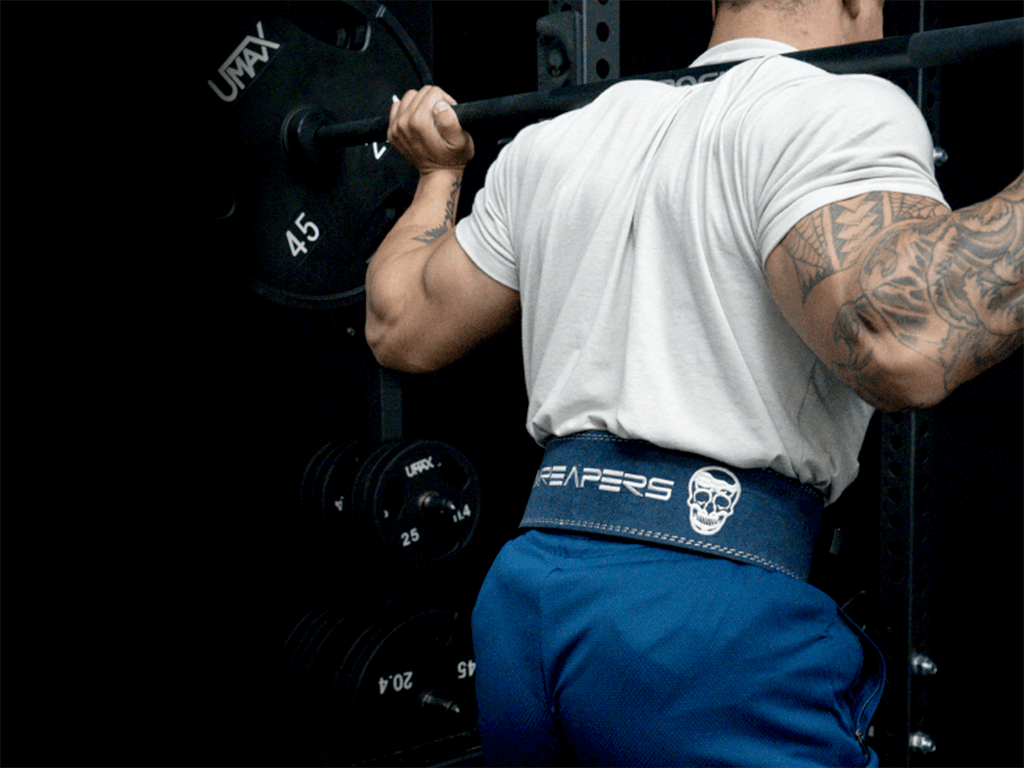
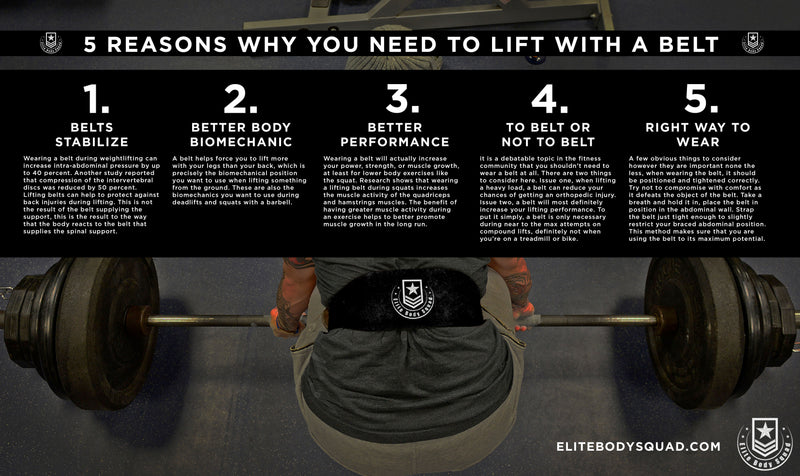
Weight belts primarily support your lower back during heavy lifts. By increasing intra-abdominal pressure, they provide a kind of external support to your spine. This can enhance stability and potentially allow you to lift heavier weights with reduced risk of injury.
However, relying solely on a weight belt can lead to a false sense of security. It’s crucial to use them as a supplement to proper form and not a substitute. Always prioritize mastering your technique before adding a belt to your training.
Types Of Weight Belts
Weight belts come in various types, each catering to different needs. The most common are powerlifting belts and bodybuilding belts. Powerlifting belts are usually thicker and more rigid, offering maximum support for heavy squats and deadlifts.
Bodybuilding belts, on the other hand, are more flexible and suited for a wider range of exercises. They provide support while allowing more movement, ideal for high-rep, lower-weight routines. Choosing the right type depends on your specific training goals and preferences.
Consider what type of lifts you frequently perform. Are you aiming for personal records in squats, or are you enhancing your overall conditioning? This will guide you in selecting the appropriate belt.
Have you ever experienced a boost in confidence or performance with a weight belt? Or perhaps found them cumbersome during workouts? Share your thoughts and experiences in the comments below!

Credit: gunsmithfitness.com
Mechanics Of Injury Prevention
Understanding the mechanics behind injury prevention is crucial for anyone lifting weights. A weight belt is often seen as an essential tool in safeguarding against injuries. But how exactly does it work? By offering support and stability, and by redistributing pressure, a weight belt can play a significant role in keeping you safe during intense lifting sessions.
Support And Stability
Imagine having an extra pair of hands supporting your back as you lift. That’s what a weight belt can do for you. It provides additional support to your lower back, reducing the risk of strains and sprains. The belt acts as a sturdy brace, keeping your spine aligned and minimizing unwanted movement.
Think about the confidence boost you get from knowing your back is well-supported. This assurance can improve your lifting form. Better form means less chance of injury. Have you ever noticed how your lifts improve when you feel more stable? That’s the magic of support.
Pressure Distribution
Pressure distribution is another key aspect of injury prevention. A weight belt helps spread the load evenly across your core. Without a belt, the pressure can concentrate on your spine, leading to potential injuries. By distributing this pressure, you protect vulnerable areas.
Consider how a balloon distributes air inside it evenly. Similarly, a weight belt distributes pressure, preventing it from gathering in risky spots. This even distribution reduces the strain on specific muscles, allowing you to lift more safely and efficiently.
Have you ever felt a sharp pain in your lower back after lifting? That’s often due to uneven pressure. By using a weight belt, you can avoid this discomfort and focus on building strength without fear.
Scientific Research And Evidence
When it comes to preventing injuries during weightlifting, the weight belt is often a topic of debate. This piece of equipment is widely used in gyms, but does it really prevent injury? To answer this question, let’s look at what scientific research and evidence say about weight belts and their impact on injury prevention.
Studies Supporting Injury Prevention
Some studies suggest that weight belts can indeed help prevent injuries. They argue that wearing a weight belt increases intra-abdominal pressure, which stabilizes the spine. This stabilization can reduce the risk of injuries, especially during heavy lifts.
One study found that lifters wearing weight belts were able to lift heavier weights safely, possibly because of the added support. For many athletes, this support translates to improved form and reduced strain on the back. As a result, the risk of injury during heavy lifts might decrease.
Critiques And Contradictory Findings
On the other hand, some researchers argue that weight belts might not be as beneficial as they seem. They claim that relying on a belt can lead to weakened core muscles over time. This weakening could potentially increase the risk of injury when lifting without the belt.
Another critique is that weight belts might give a false sense of security. Some lifters might attempt to lift beyond their capacity, thinking the belt will protect them. This overconfidence can ironically lead to more injuries.
So, should you use a weight belt or not? Consider your personal fitness goals and listen to your body. Are you lifting heavy weights frequently? Or are you just starting out? Understanding your own needs can guide you in making the right decision.
Role Of Technique And Form
Weight belts are often seen in gyms, wrapped around the waist of athletes and bodybuilders. Many believe these belts prevent injuries during heavy lifting. Yet, the role of technique and form is critical. Proper technique can be more effective than relying solely on gear. Understanding how to lift correctly is vital to avoid injuries.
Importance Of Proper Technique
Proper lifting technique protects the spine and reduces strain. It involves maintaining a neutral spine and engaging core muscles. This alignment helps distribute weight evenly and minimizes pressure on the lower back. Without correct form, even a weight belt can’t fully prevent injuries.
Learning the right technique involves practice and guidance. Observing experienced lifters or working with a trainer can help. They provide valuable insights into maintaining form throughout the lift. It is essential to focus on technique before adding heavy weights.
Weight Belt As A Supplement
A weight belt can offer support during heavy lifts. It acts as a brace for the lower back and core. This support helps stabilize the spine under extreme pressure. Yet, it should not replace proper technique and form.
Using a belt correctly involves tightening it around the waist without impeding movement. It should be snug but allow for deep breaths. Relying on a belt without proper technique may lead to bad habits and potential injuries. Always prioritize learning safe and effective lifting methods.
Psychological Effects
Weight belts are popular among lifters aiming to boost their performance. Apart from physical benefits, they can have psychological effects. These effects play a crucial role in lifting safely and effectively. Understanding them can help lifters make informed decisions about using a belt.
Confidence Boost
A weight belt can enhance a lifter’s confidence. Wearing it often gives a sense of security. This feeling can encourage lifters to push their limits safely. The belt acts as a reminder to focus on form and technique. Feeling more secure can reduce anxiety about lifting heavy. This confidence can lead to better performance and progress.
Potential Overreliance
Some lifters might rely too much on weight belts. Overreliance can limit the development of core strength. A belt should complement, not replace, proper training techniques. It is essential to build a strong foundation without a belt. Depending solely on a belt may create a false sense of security. Lifters must learn to lift safely with or without it.
Expert Opinions
Experts debate if weight belts truly prevent injuries. Some argue they offer support during heavy lifting, while others believe they create a false sense of security. Understanding proper usage is crucial for safety.
When considering the role of weight belts in preventing injuries, it’s crucial to understand what experts in the field think. Many fitness professionals have weighed in on this topic, offering a range of opinions on the effectiveness of weight belts in injury prevention. Let’s dive into the insights and recommendations provided by these experts.Views From Fitness Professionals
Fitness professionals often have varied opinions about the role of weight belts in injury prevention. Some trainers argue that weight belts are essential for heavy lifting, as they provide additional support to the lower back and help stabilize the spine. For example, when lifting weights beyond your usual capacity, a weight belt can offer that extra layer of protection. On the other hand, some experts believe that relying too much on weight belts can weaken your core muscles over time. They suggest that building a strong core is more effective for long-term injury prevention than using a belt. This view emphasizes using belts selectively rather than as a crutch for every workout.Recommendations For Use
Experts generally agree that weight belts should be used strategically. Here are some practical recommendations for when and how to use them:- Use a weight belt when lifting very heavy weights, typically at 80% or more of your one-rep max.
- Ensure the belt fits snugly around your waist, but not too tight to restrict movement or breathing.
- Focus on proper lifting techniques alongside using a belt, as technique is key to avoiding injuries.
- Avoid wearing the belt for entire workouts; instead, use it only during specific heavy lifts.
Pros And Cons Of Weight Belt Usage
Weight belts often spark debate among fitness enthusiasts. They provide both benefits and drawbacks. Understanding these can help you make informed decisions. Let’s delve into the pros and cons of weight belt usage.
Advantages In Specific Contexts
Weight belts stabilize the spine during heavy lifts. This support can enhance performance in powerlifting. It also helps in bodybuilding, giving an edge in competitions. Belts improve intra-abdominal pressure, reducing the risk of injury. This makes them valuable for experienced lifters.
Limitations And Risks
Over-reliance on weight belts may weaken core muscles. They can cause improper lifting techniques when used excessively. Beginners might develop a false sense of security. This may lead to attempting weights beyond their capacity. Belts should not replace proper form and technique in lifting.

Credit: www.gymreapers.com
Alternatives To Weight Belts
Weight belts help stabilize the spine during heavy lifting. Some believe they prevent injury, but alternatives like proper form and core strengthening can also aid in injury prevention.
Alternatives to weight belts offer various benefits for injury prevention. While weight belts provide support, they can sometimes limit natural movement. Exploring other options can enhance safety and performance.Core Strengthening Exercises
Core exercises build the body’s foundation. A strong core stabilizes during lifts. This reduces strain on the back and enhances balance. Planks, bridges, and leg raises target core muscles effectively. These exercises improve posture and support heavy lifting. Consistent training leads to better stability.Form And Technique Training
Proper form is crucial in preventing injuries. Understanding correct lifting techniques is essential. Professional guidance helps in mastering safe movements. Watching tutorials and practicing with lighter weights develops technique. This reduces the risk of strain and enhances overall performance. Regularly focusing on form ensures safer workouts.Frequently Asked Questions
Do Weight Belts Prevent All Types Of Injuries?
Weight belts primarily support the lower back during heavy lifting. They help stabilize the spine and reduce stress. However, they don’t prevent all types of injuries. Proper form and technique are crucial for overall safety. Weight belts should be used selectively and not relied upon for complete injury prevention.
Can Beginners Benefit From Using Weight Belts?
Beginners might not need weight belts initially. Building core strength and learning proper techniques are more essential. Weight belts are often recommended for experienced lifters handling heavy loads. Beginners should focus on foundational exercises before considering belts. Consulting a trainer is advisable for personalized guidance.
Are Weight Belts Effective For Squats?
Weight belts can enhance stability during squats by providing spinal support. They help maintain proper posture and reduce strain. However, relying solely on belts can hinder core strength development. It’s important to use belts selectively and ensure proper squatting technique for optimal benefits and injury prevention.
Should Weight Belts Be Worn For All Workouts?
Weight belts are not necessary for all workouts. They are most beneficial for heavy lifting exercises. Using them constantly can weaken core muscles over time. Incorporate belts for specific lifts where extra support is needed. Focus on building overall strength and proper form for comprehensive injury prevention.
Conclusion
Weight belts offer some protection during heavy lifting. They support the lower back. But they are not a magic solution. Relying solely on belts can lead to poor form. Proper technique is crucial for injury prevention. Use belts wisely and not for every lift.
Listen to your body and know your limits. Build core strength for added protection. Consult a trainer if unsure about belt use. Balance is key for safety and effectiveness. Remember, smart training habits reduce injury risk. Stay informed, stay safe, and lift responsibly.