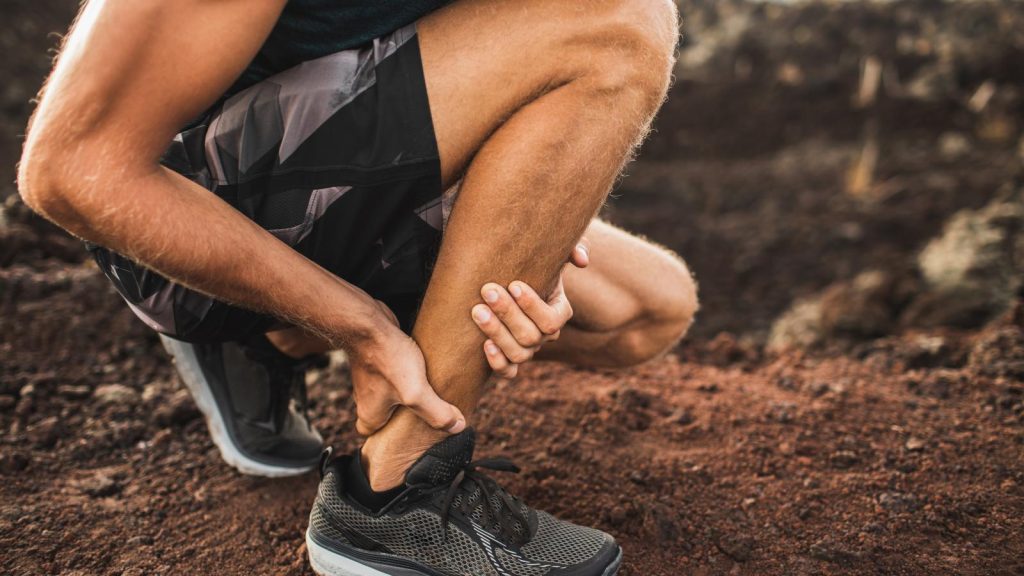
Imagine being sidelined from your favorite activities because of a preventable injury. That’s exactly what happens to many when they face an Achilles tendon injury.
These injuries aren’t just painful; they can also disrupt your daily life and fitness goals. The good news is, you have the power to protect yourself. By understanding how to prevent Achilles tendon injuries, you can stay active and healthy.
This guide will show you simple, effective strategies that you can start using today. Ready to take control and keep your Achilles tendon safe? Let’s dive in and ensure you’re equipped with the knowledge to prevent these injuries before they start.
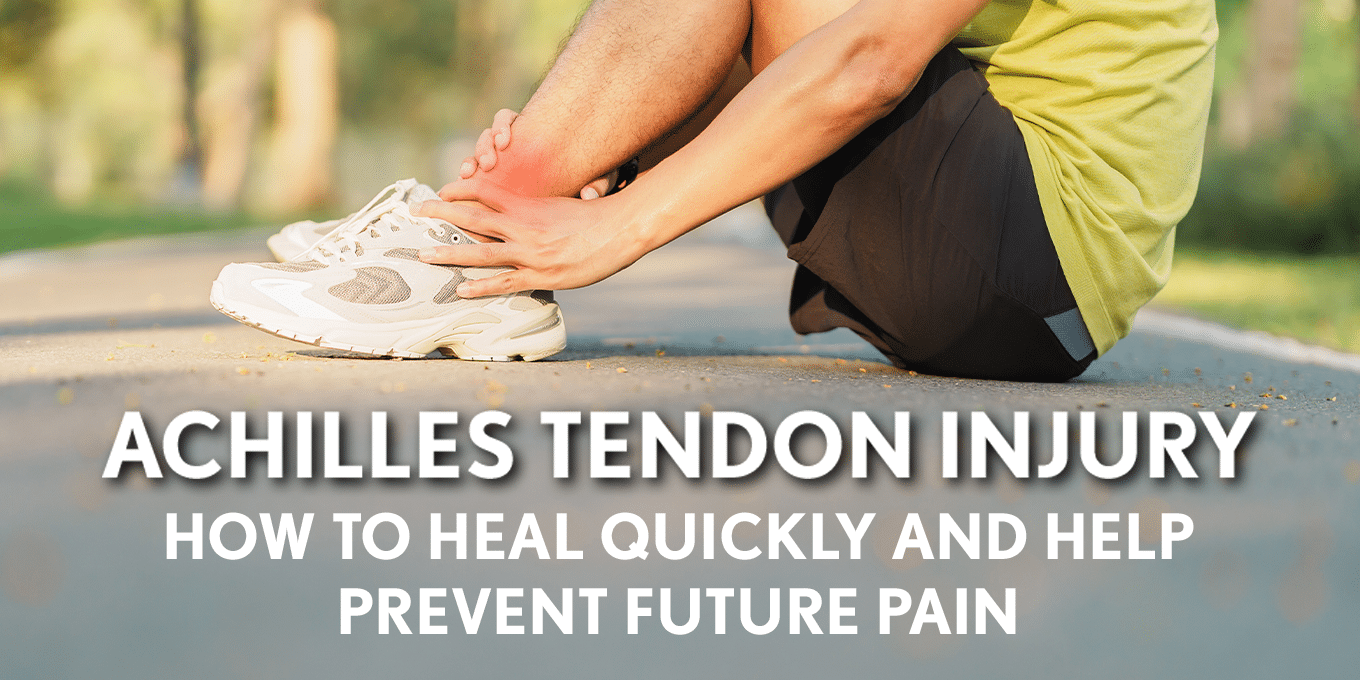
Credit: www.ultraankle.com
Understanding Achilles Tendon
Proper footwear and stretching exercises can help prevent Achilles tendon injury. Focus on strengthening calf muscles for better support. Gradually increase activity intensity to avoid strain.
Understanding the Achilles Tendon The Achilles tendon is crucial for movement. It connects the calf muscles to the heel bone. This tendon enables walking, running, and jumping. Keeping it healthy is essential for mobility.Anatomy And Function
The Achilles tendon is the body’s strongest and thickest tendon. It is located at the back of the lower leg. The tendon connects the gastrocnemius and soleus muscles to the heel. These muscles help lift the heel off the ground. This action is vital for many physical activities. The Achilles tendon acts like a spring. It stores and releases energy with each step. This function makes it essential for efficient movement. Understanding its anatomy helps in preventing injuries.Common Causes Of Injury
Achilles tendon injuries are common among athletes. Overuse is a significant cause. Repeated stress on the tendon can lead to tears. Poor footwear can also contribute to injuries. Shoes lacking proper support strain the tendon. Sudden increases in physical activity can cause damage. The tendon needs time to adapt to new stress levels. Lack of proper warm-up can also increase injury risk. Tight calf muscles put extra pressure on the tendon. Regular stretching helps maintain flexibility.Risk Factors
Proper warm-up and stretching can reduce the risk of Achilles tendon injuries. Wearing supportive footwear and avoiding excessive exercise also helps. Maintaining a balanced diet and staying hydrated contributes to tendon health.
Achilles tendon injuries can be painful and disruptive. Understanding risk factors helps in prevention. Awareness about age, activity level, footwear, and past injuries is key. Each factor can increase the likelihood of an Achilles injury.Age And Activity Level
Age affects tendon elasticity. Older tendons may be less flexible. High activity levels can strain the Achilles. Sudden increase in physical activity is risky. Regular, balanced exercise is safer.Footwear Choices
Shoes play a crucial role. Poor footwear can add strain. Choose shoes with good support. Avoid high heels and flat soles. Look for shoes with cushioning. Proper shoes reduce injury risk.Previous Injuries
Past injuries can weaken the tendon. Scar tissue may limit movement. Previous Achilles injuries increase future risk. Always seek proper recovery. Strengthening exercises can help. Regular check-ups ensure health.Preventative Measures
Stretch regularly to keep the Achilles tendon flexible. Wear supportive footwear to reduce strain during activities. Gradually increase exercise intensity to prevent overuse injuries.
Preventative Measures Taking proactive steps can help avoid Achilles tendon injuries. These measures focus on keeping the tendon strong and flexible. By incorporating warm-up routines, stretching, and strengthening exercises, individuals can maintain healthy tendons.Proper Warm-up Techniques
Warm-up is essential before any physical activity. It prepares the muscles and tendons for the workout. Start with gentle movements to increase blood flow. This reduces the risk of sudden strains.- Begin with light jogging or brisk walking.
- Include dynamic stretches like leg swings.
- Perform ankle circles to activate the joints.
Stretching And Flexibility Exercises
Stretching enhances tendon flexibility. Regular stretching keeps the Achilles tendon supple. Focus on calf muscles, as they directly affect the tendon.- Practice calf stretches against a wall.
- Hold each stretch for 15-30 seconds.
- Use a towel for seated stretches to extend reach.
Strengthening Exercises
Strengthening exercises build tendon resilience. Strong tendons are less prone to injury. Incorporate these exercises into weekly routines.- Perform heel raises to strengthen calf muscles.
- Start with single-leg exercises for balance.
- Gradually increase repetitions for better results.

Credit: www.katyfootcare.com
Lifestyle Adjustments
Lifestyle adjustments can help prevent Achilles tendon injury. Stretch regularly to keep your muscles flexible. Wear supportive shoes to reduce strain.
Lifestyle adjustments can greatly reduce the risk of Achilles tendon injuries. By focusing on a balanced lifestyle, you can support tendon health. Simple changes can make a big difference. Here are some key areas to focus on.Balanced Diet And Hydration
Eating well supports tendon strength. Include foods rich in vitamins and minerals. Calcium and Vitamin D are essential for bone and tendon health. Omega-3 fatty acids can help reduce inflammation. Staying hydrated is equally important. Water aids in muscle recovery and flexibility. Drink enough water throughout the day.Regular Physical Activity
Regular exercise strengthens muscles around the Achilles tendon. Choose low-impact activities like swimming or cycling. These exercises reduce strain on the tendon. Stretching is crucial. Stretch your calves and Achilles regularly. This improves flexibility and reduces injury risk.Avoiding Overuse
Overuse can lead to tendon injuries. Listen to your body and rest when needed. Don’t push through pain. Gradually increase activity levels. Sudden increases in intensity can strain tendons. Follow a routine that includes rest days. Balance intense workouts with lighter sessions. This helps prevent overuse injuries.Choosing The Right Footwear
Choosing the right footwear is crucial in preventing Achilles tendon injuries. The shoes you wear can greatly affect your tendon health, either protecting you or putting you at risk. Let’s dive into some key aspects of footwear that can make a difference.
Support And Cushioning
Footwear with adequate support and cushioning can greatly reduce stress on your Achilles tendon. Look for shoes that provide stability, especially around the heel and arch areas. This support helps in distributing pressure evenly, minimizing strain.
A runner once shared how switching to shoes with enhanced cushioning improved their comfort and reduced their injury risk. Have you considered whether your shoes are supporting your feet properly? It’s something that can make a real difference.
Try shoes with gel or foam padding, as they can absorb shock effectively. This feature is particularly beneficial if you spend long hours on your feet or engage in high-impact activities.
Impact On Tendon Health
Wearing the wrong shoes can have a detrimental impact on your tendon health. Shoes that are too tight or lack flexibility can restrict natural foot movement, leading to increased tension on the Achilles tendon.
Imagine your tendons constantly battling against tight, unyielding shoes. Over time, this can lead to inflammation and injury. Are you giving your tendons the freedom they need?
Opt for footwear that provides a comfortable fit with a bit of room in the toe box. This allows for natural foot movement and reduces unnecessary stress on the tendon.
Remember, investing in the right pair of shoes is investing in your long-term health. The next time you shop for shoes, think of your Achilles tendons and give them the support they deserve.
Recognizing Early Symptoms
Spotting early symptoms of Achilles tendon issues can prevent serious injury. Look for signs like persistent pain or swelling. Early intervention with rest and proper stretching can help maintain tendon health.
Recognizing early symptoms of an Achilles tendon injury is crucial. Timely action can prevent further damage and aid in recovery. Many people overlook early signs, thinking it’s a minor issue. This often leads to more serious injuries. Identifying symptoms early can save you from long-term problems.Signs Of Tendon Stress
Look for pain or stiffness in the back of your heel. This often occurs after physical activity. Swelling around the tendon is another common sign. You might also feel tenderness when pressing on the tendon. Sometimes, you may hear a popping sound during movement. These symptoms indicate stress on the tendon. Ignoring these signs can worsen the condition.When To Seek Medical Advice
Consult a doctor if pain persists after rest. Immediate swelling or severe pain needs urgent attention. Redness or warmth around the tendon suggests inflammation. If you have difficulty walking, seek help. A healthcare professional can provide a proper diagnosis. Early intervention can prevent more serious injuries.Recovery And Rehabilitation
Recovering from an Achilles tendon injury requires time and dedication. It involves multiple steps to heal properly and regain strength. Understanding the recovery process is essential. This ensures a safe return to normal activities without risking further injury.
Rest And Pain Management
Rest is crucial for healing an Achilles tendon injury. Avoid putting weight on the affected leg. Use crutches or a walking boot to help. Pain management is also vital. Over-the-counter pain relievers can reduce discomfort. Ice packs help minimize swelling. Keep the injured leg elevated. This reduces blood flow and swelling.
Physical Therapy Options
Physical therapy plays a key role in recovery. Therapists design exercises to improve strength and flexibility. Stretching exercises help increase tendon flexibility. Strengthening exercises target calf muscles. This support aids the tendon. Therapy sessions also focus on balance and stability. These are essential for preventing future injuries.
Gradual Return To Activity
Returning to normal activities should be gradual. Start with low-impact exercises. Walking or swimming are good options. Slowly increase activity intensity. Listen to your body. Stop if pain occurs. Avoid high-impact activities too soon. Rushing recovery can lead to re-injury. Consult with a healthcare professional. They guide the best pace for returning to activities.
Expert Tips For Athletes
Strengthen your calf muscles to protect the Achilles tendon. Stretch regularly to maintain flexibility. Gradually increase workout intensity to avoid strain.
Achilles tendon injuries can sideline athletes for weeks. Preventing these injuries is crucial for maintaining peak performance. Athletes need to focus on proper training techniques and health monitoring. Expert tips can guide athletes in safeguarding their tendons. These tips help in reducing the risk of injury and improving overall athletic performance.Training Modifications
Adjusting training routines can prevent overstrain on the Achilles tendon. Include exercises that strengthen calf muscles. Strong calves support the tendon during activity. Incorporate flexibility exercises to maintain a full range of motion. Stretching before and after workouts reduces tension in the tendon. Gradual increases in training intensity are vital. Avoid sudden jumps in running distance or speed. Consider cross-training to balance muscle groups. Swimming or cycling offers low-impact alternatives. Proper footwear also plays a role. Choose shoes with good heel support and cushioning.Monitoring Tendon Health
Regular checks on tendon health are essential for athletes. Be aware of any pain or discomfort in the Achilles area. Early detection can prevent serious injuries. Use ice therapy to reduce swelling after intense workouts. Applying ice for 15 minutes soothes inflammation. Consider consulting a physical therapist for professional advice. They can offer personalized exercises and stretches. Keep track of any changes in flexibility or strength. Documenting progress helps in identifying potential problems. Maintain a balance between rest and activity. Rest days are crucial for tendon recovery.
Credit: m.facebook.com
Frequently Asked Questions
What Exercises Strengthen The Achilles Tendon?
Regular calf raises and stretching exercises can help strengthen the Achilles tendon. Focus on eccentric calf raises and heel drops to improve flexibility and endurance. These exercises prevent injuries by enhancing tendon resilience and supporting ankle stability.
How Can I Improve Achilles Tendon Flexibility?
Improving flexibility involves regular stretching and mobility exercises. Incorporate dynamic stretches like lunges and static stretches such as wall stretches. These exercises enhance elasticity and reduce injury risk, ensuring better performance and recovery.
What Are Common Symptoms Of Achilles Tendon Injury?
Common symptoms include pain and swelling near the heel. You may experience stiffness, especially in the morning or after activity. Tenderness and difficulty in walking are also indicators. Early detection can aid in effective treatment and recovery.
How To Treat Minor Achilles Tendon Injuries?
Rest and ice application are crucial for minor injuries. Compression and elevation help reduce swelling and pain. Over-the-counter anti-inflammatory medications can aid in pain relief. Consult a healthcare professional for persistent issues or if symptoms worsen.
Conclusion
Preventing Achilles tendon injuries is vital for active individuals. Start with simple stretching exercises. They keep your muscles flexible. Wear supportive shoes during activities. They provide necessary cushioning. Gradually increase your workout intensity. Avoid sudden changes in routine. Listen to your body.
Pain is a warning sign. Take breaks when needed. Remember to maintain a balanced diet. Proper nutrition strengthens tendons. Stay hydrated. Water aids recovery. Regularly check your form during exercises. Poor posture can lead to injury. Consistency is key. Practice these tips daily.
Protect your Achilles tendon. Stay active and injury-free.